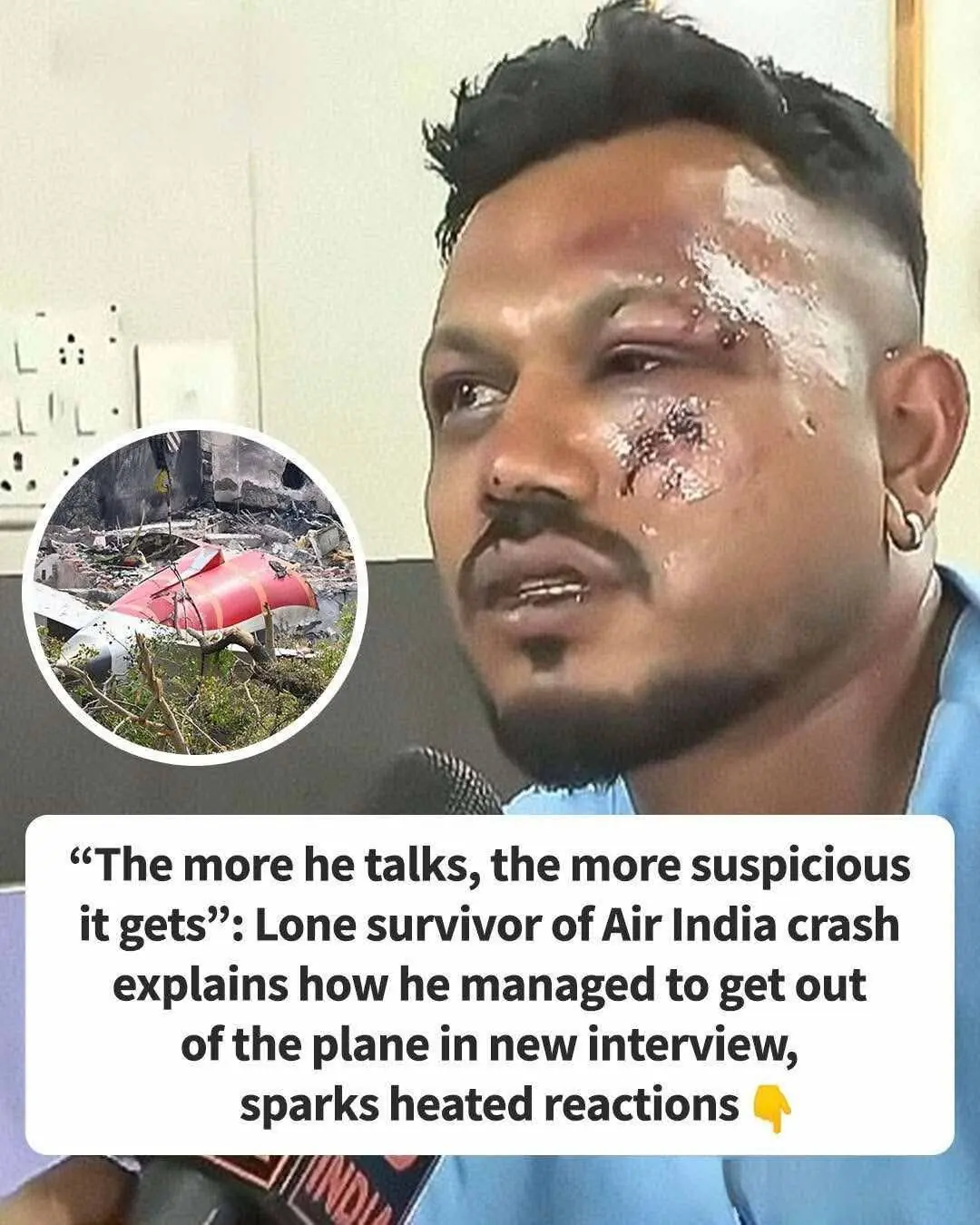
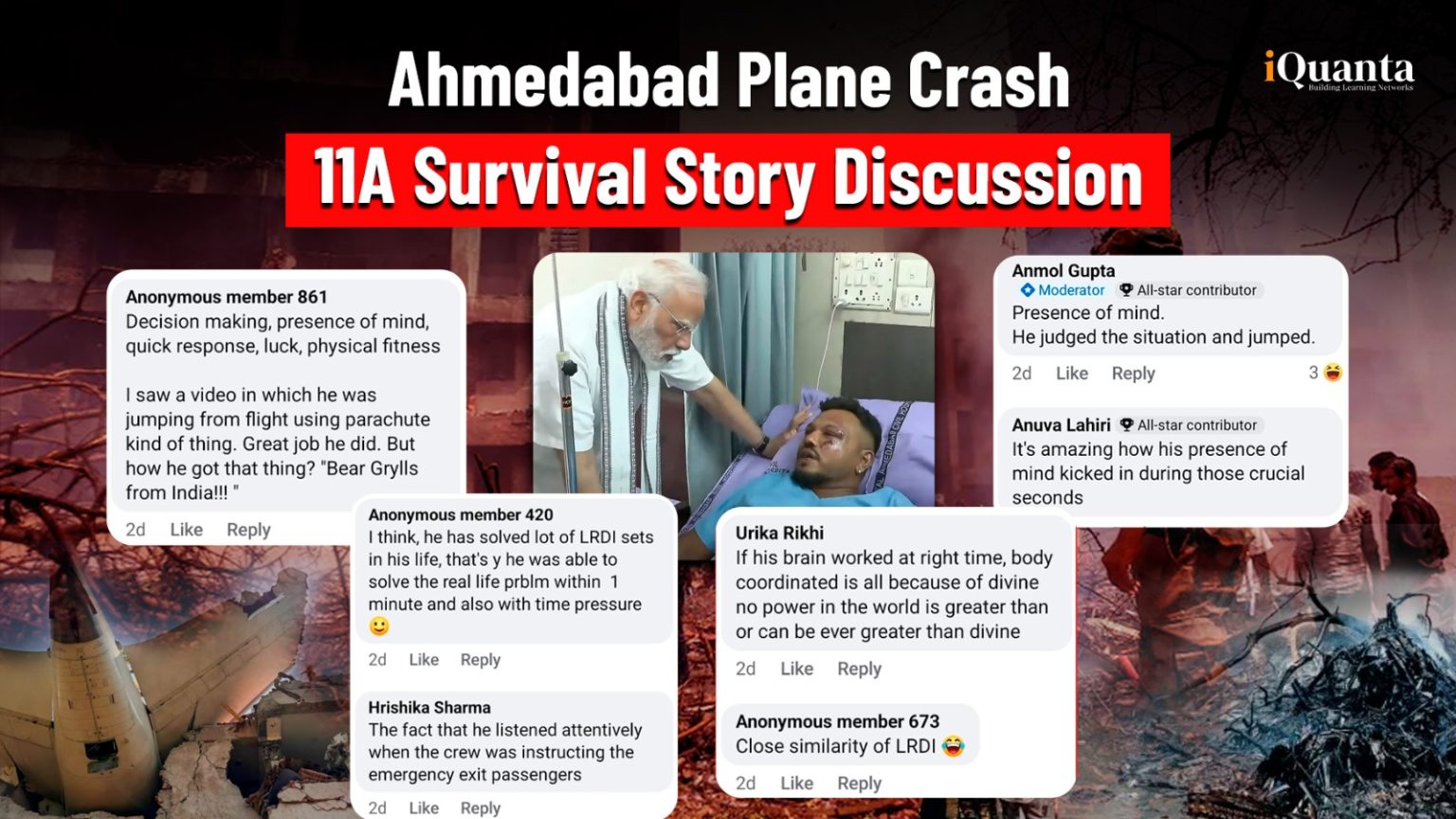
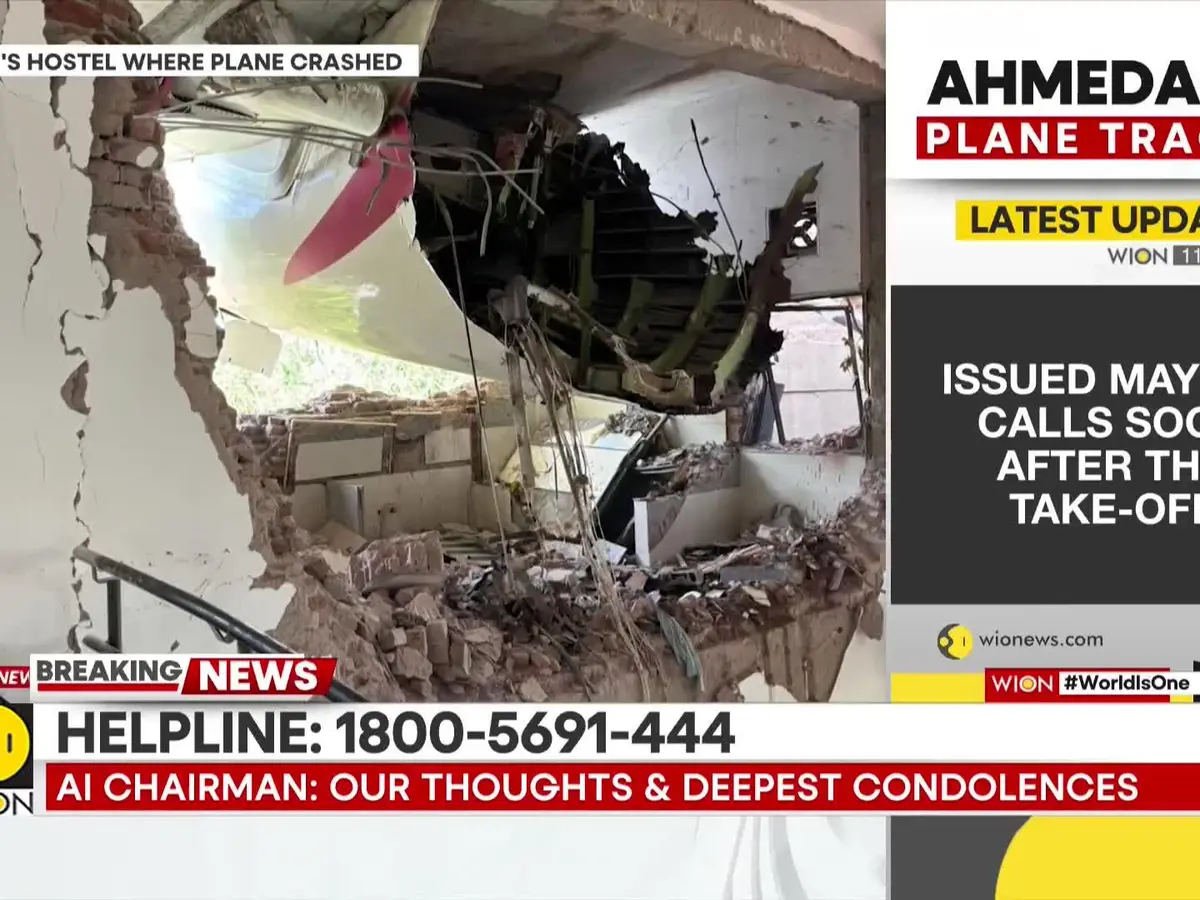
The remarkable journey of an Ahmedabad crash survivor highlights human resilience against extraordinary odds, demonstrating how profound tragedy can intersect with enduring hope, medical intervention, and psychological recovery following catastrophic accidents.
Disasters and major transport incidents leave indelible marks on communities, but the narratives of those who emerge from the wreckage alive offer profound insights into survival mechanics, emergency response efficacy, and long-term rehabilitation. When examining the account of an Ahmedabad crash survivor, observers look beyond the immediate shock of the incident to understand the physical trauma endured, the swiftness of emergency medical services, and the arduous psychological journey required to rebuild a shattered life. This exploration delves into the multifaceted dimensions of severe accident survival, analyzing the clinical, emotional, and social factors that transform a tragedy into an inspiring testament of human endurance.
Understanding the Context of Major Accidents in Urban Hubs
Urban centers like Ahmedabad experience complex transit and industrial environments where rapid growth intersects with inherent infrastructure risks. Major accidents, whether involving aviation, high-speed rail, or severe multi-vehicle collisions, challenge local disaster management frameworks and test the limits of emergency healthcare systems.
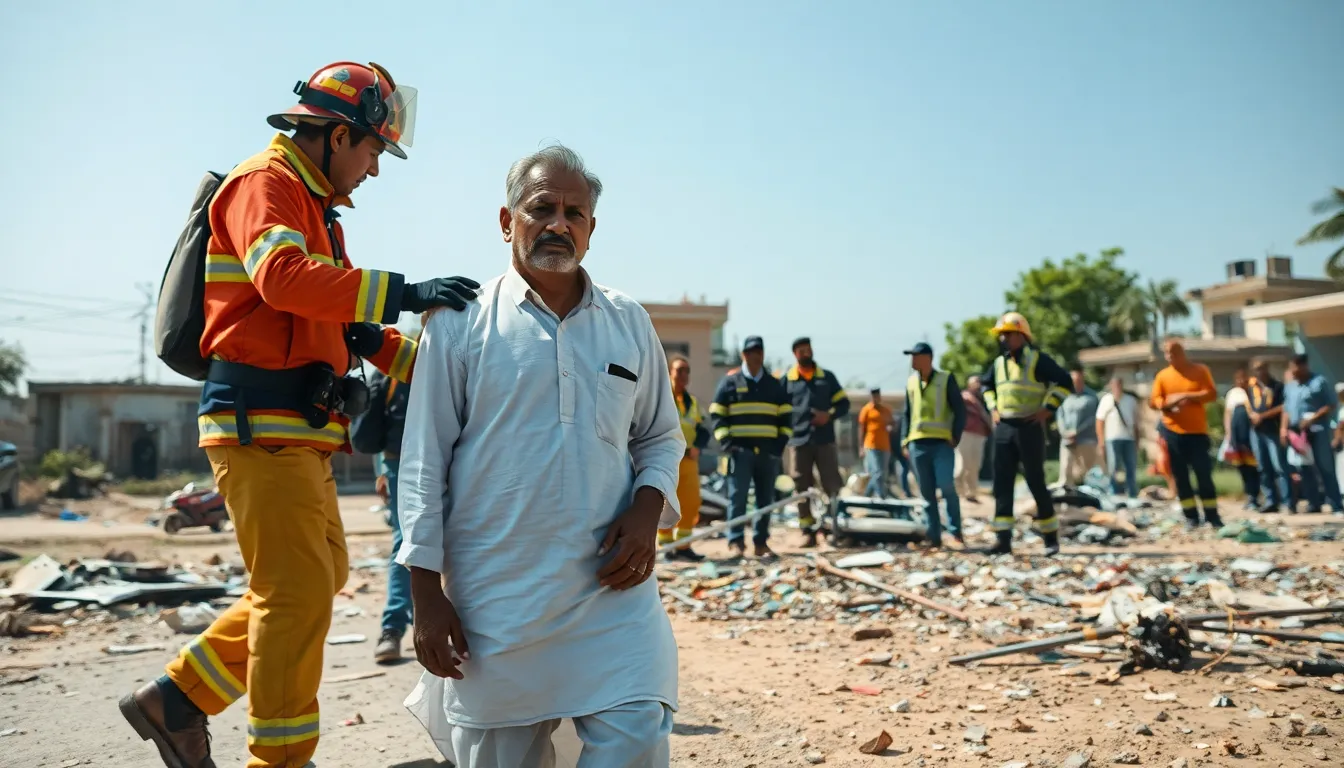
When a catastrophic event occurs, the immediate aftermath relies heavily on first responders, bystanders, and institutional preparedness. The survival of any individual in such scenarios depends on a delicate alignment of variables: the physics of the impact, the precise location of the victim relative to the epicenter of destruction, and the speed with which emergency medical technicians can administer triage and stabilization. Understanding these background factors provides necessary context for appreciating how a survivor overcomes seemingly impossible physical barriers.
| Incident Factor | Immediate Priority | Long-Term Impact |
|---|---|---|
| Impact Mechanics | Structural integrity & kinetic energy dispersion | Severity of orthopedic and internal trauma |
| Response Time | Golden hour triage & hemorrhage control | Prevention of secondary systemic shock |
| Clinical Care | Multi-disciplinary surgical intervention | Rehabilitation and functional restoration |
| Psychological Support | Acute stress intervention & crisis stabilization | Mitigation of post-traumatic stress disorder (PTSD) |
The Physics of Survival: Medical and Physiological Realities
Surviving a high-impact crash involves navigating severe physiological trauma that pushes human anatomical limits. Victims who endure such events often present with polytrauma—simultaneous injuries to multiple organ systems, including traumatic brain injuries, crush syndromes, complex fractures, and severe internal hemorrhaging.
The survival story hinges on advanced trauma life support (ATLS) protocols executed in specialized hospitals. Medical teams must prioritize interventions based on life-threatening hierarchies, securing airways, managing circulation, and performing urgent exploratory surgeries. In many documented survival cases from severe accidents in Ahmedabad and similar metropolitan regions, the margin between life and death is measured in minutes. The physiological resilience of the individual, combined with state-of-the-art surgical care, creates the foundation upon which future recovery is built.
Rehabilitation: Overcoming Physical and Functional Hurdles
Once the acute danger of mortality passes, the survivor enters a grueling phase of physical rehabilitation. Rebuilding a body subjected to catastrophic trauma requires a coordinated team of orthopedic surgeons, physical therapists, occupational therapists, and pain management specialists.
Physical recovery is rarely a linear progression. Survivors often face months or years of corrective surgeries, prosthetic fittings, and intensive muscle-strengthening regimens. The objective shifts from mere survival to the restoration of functional independence. Occupational therapy plays a pivotal role, teaching individuals how to adapt to permanent physical limitations, relearn daily tasks, and reintegrate into their professional and personal environments. This phase tests the psychological fortitude of the survivor, as physical pain often runs parallel to grief over lost capabilities or deceased companions.
The Psychological Dimension of Resilience and Hope
While physical wounds heal visibly, the psychological aftermath of surviving a catastrophic crash demands equal, if not greater, attention. Survivors frequently grapple with survivor's guilt, severe anxiety, depression, and post-traumatic stress disorder (PTSD).
Mental health professionals emphasize that hope is not merely a passive emotion but an active coping mechanism. Cognitive behavioral therapy (CBT), eye movement desensitization and reprocessing (EMDR), and support groups provide structured environments for processing trauma. An incredible story of survival is defined as much by mental renewal as by physical recovery. By reframing their experience, many survivors channel their trauma into advocacy, promoting transportation safety, supporting fellow trauma victims, or contributing to disaster response improvements.
Frequently Asked Questions
What immediate factors contribute most to surviving a catastrophic crash?
Survival depends heavily on the physics of the impact, the immediate availability of emergency medical services within the "golden hour," and the prevention of catastrophic blood loss through rapid triage and stabilization at a trauma center.
How do medical teams handle polytrauma in severe accident survivors?
Trauma specialists utilize Advanced Trauma Life Support (ATLS) protocols to prioritize life-threatening injuries first, performing simultaneous multi-system interventions that often involve neurosurgery, orthopedic stabilization, and critical care management.
What is the role of psychological support in long-term recovery?
Mental health interventions such as cognitive behavioral therapy help survivors process acute stress, manage post-traumatic stress disorder (PTSD), and navigate complex emotions like survivor's guilt, fostering the mental resilience necessary for reintegration.
Are physical limitations permanent for severe crash survivors?
The extent of permanent limitation depends on the severity of polytrauma, particularly spinal cord, neurological, and complex orthopedic injuries. However, modern rehabilitation and assistive technologies enable many survivors to regain significant functional independence.
How can communities better support accident survivors and their families?
Communities can improve support structures by investing in advanced regional trauma networks, expanding accessible mental health resources, and fostering compassionate, long-term rehabilitation programs that address both physical and emotional needs.
Navigating the Path Forward After Traumatic Incidents
For individuals and families affected by severe accidents, charting a course toward recovery requires patience, professional guidance, and robust social support systems. Engaging early with specialized medical networks, legal advisors where liability is concerned, and peer support communities helps mitigate the overwhelming administrative and emotional burdens that follow a crisis. By focusing on incremental milestones—from initial physiological stabilization to long-term physical therapy and emotional counseling—survivors can reclaim their agency and build a resilient future grounded in hard-won hope.