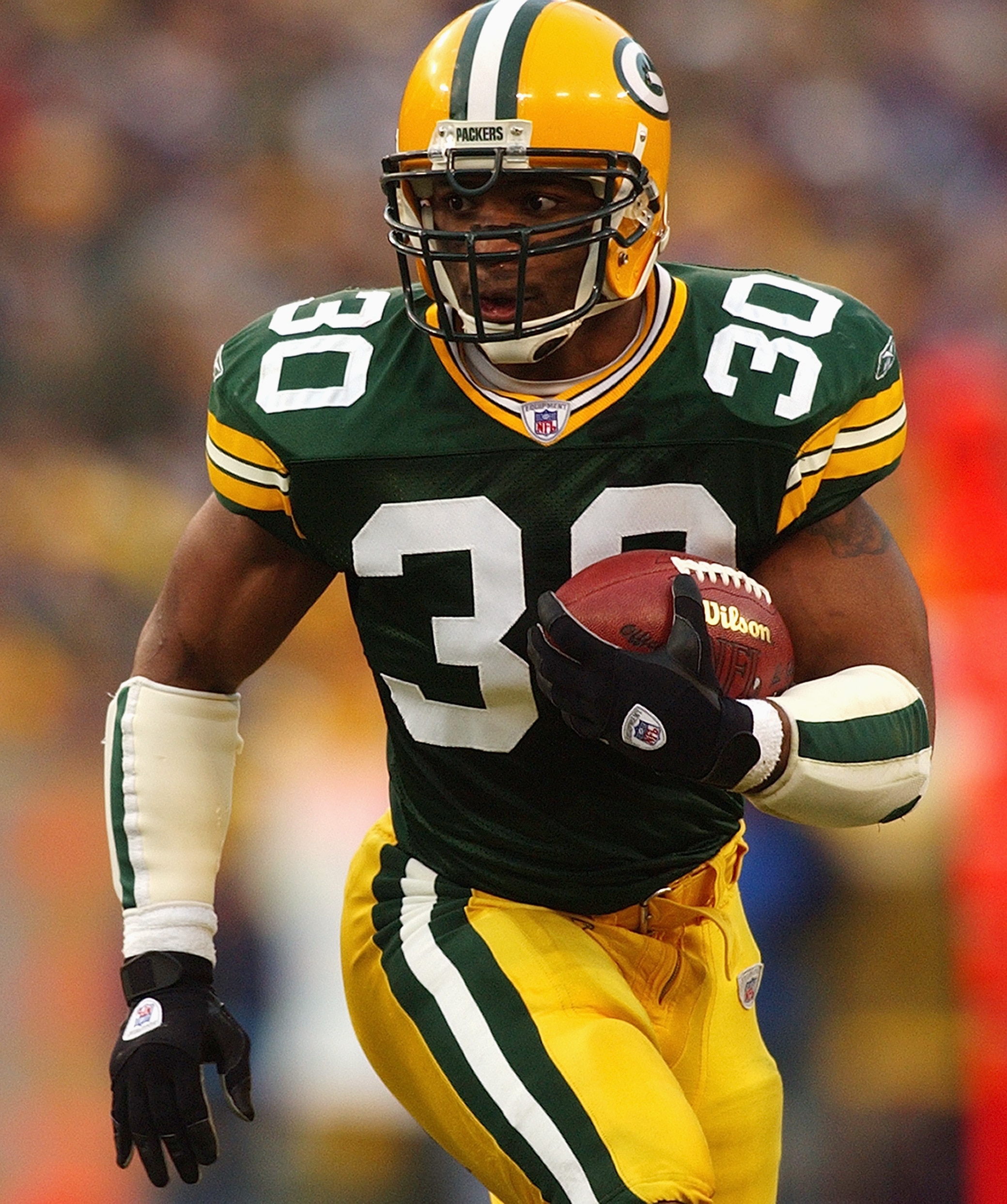
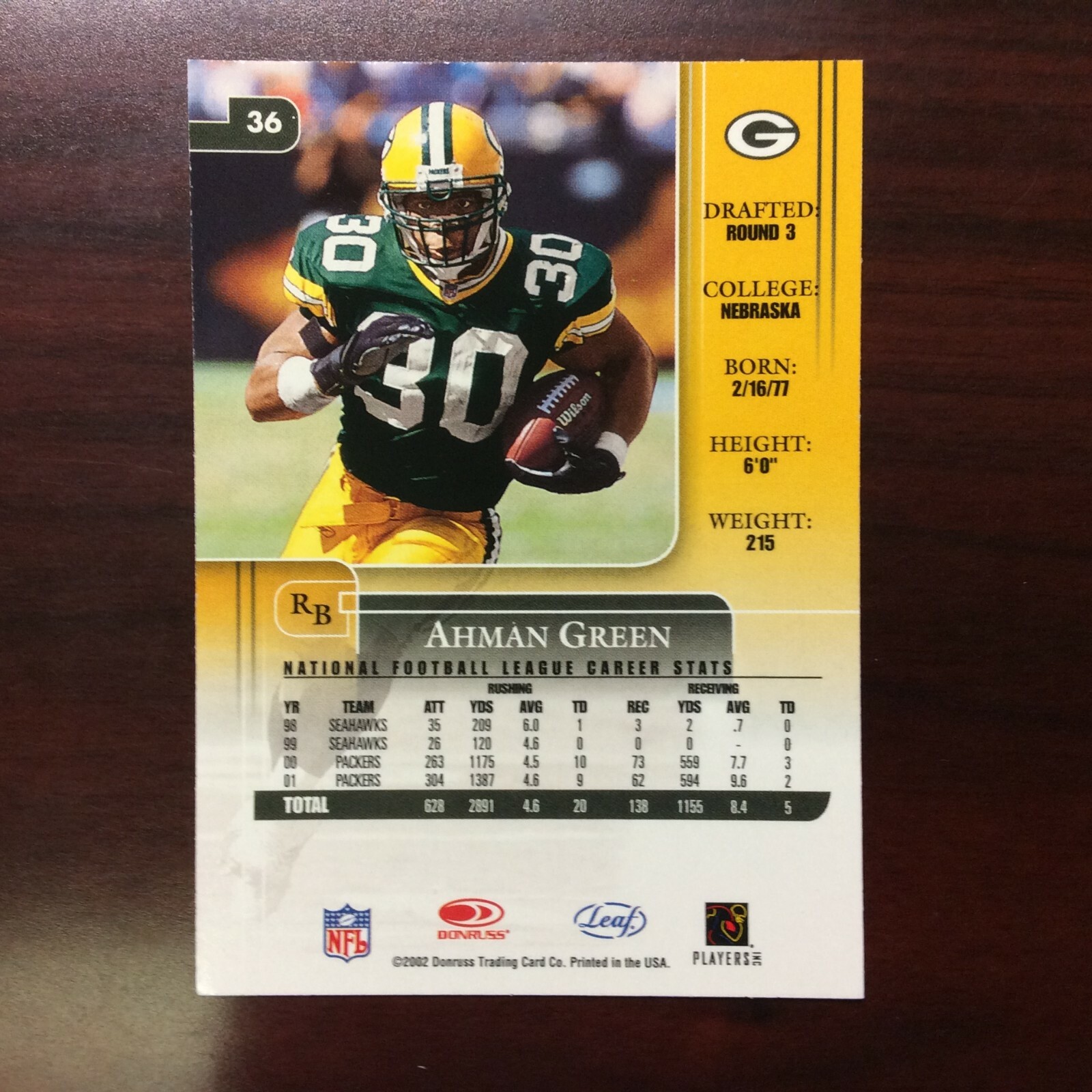
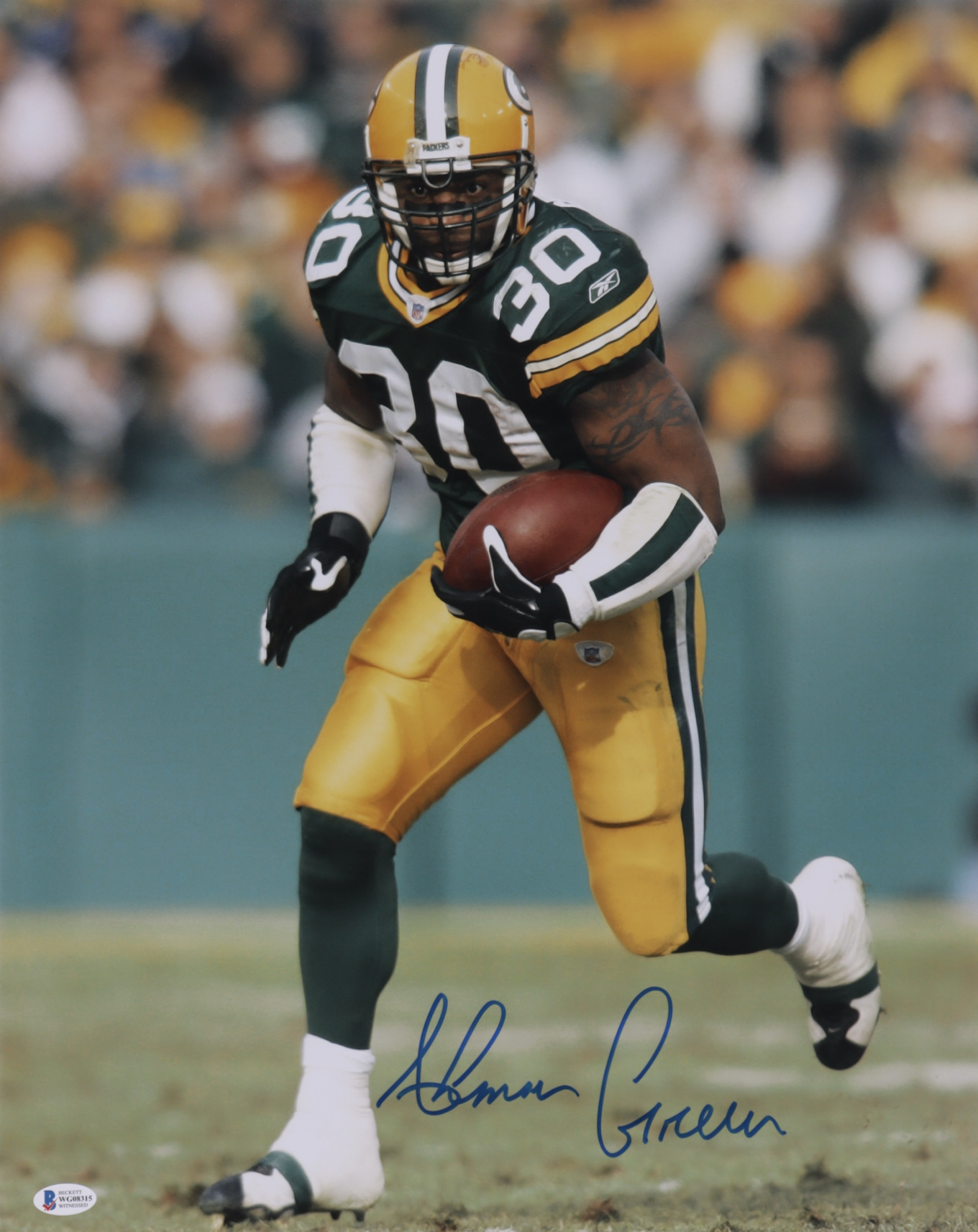
Ahman Green and the Green Bay Packers formed one of the most prolific offensive partnerships of the early 2000s, anchoring a franchise offensive identity with relentless rushing production, elite versatility, and historic statistical milestones.
The Genesis of a Star: Acquiring Ahman Green
The partnership between Ahman Green and the Green Bay Packers began on April 19, 2000, in a trade that reshaped the franchise's offensive trajectory. General Manager Ron Wolf and head coach Mike Sherman orchestrated a deal with the Seattle Seahawks, sending defensive back Fred Vinson to the Pacific Northwest in exchange for the young, explosive running back. At the time, Green had spent three seasons primarily as a backup and special teams contributor behind starter Ricky Watters in Seattle, showing flashes of immense athletic potential but lacking a consistent featured role.
Green Bay recognized a rare combination of top-end speed, lateral agility, and natural receiving skills that fit perfectly into West Coast offensive principles. The transition from a reserve role to a featured weapon required careful tactical integration, but the coaching staff quickly realized that Green possessed the stamina and vision necessary to carry a heavy workload. This acquisition turned out to be one of the most lopsided trades of the era, immediately providing the Packers with a dynamic centerpiece to complement legendary quarterback Brett Favre.
Scheme Fit and Tactical Synergy in West Coast Offense
Integrating Ahman Green into head coach Mike Sherman’s West Coast scheme required a specialized tactical approach that maximized his distinct physical traits. Unlike traditional power backs who relied strictly on interior zone pounding, Green thrived in outside zone runs, stretch plays, and misdirection concepts that allowed him to use his exceptional acceleration to turn the corner. The blocking scheme orchestrated by offensive line coach Tom Rossley heavily featured pulling guards and athletic offensive linemen—such as tackle Chad Clifton and guard Mike Wahle—who could clear paths at the second level.
Furthermore, Green’s versatility as a receiver transformed him into a complete offensive weapon rather than a predictable early-down runner. In the West Coast system, running backs are frequently utilized as safety valves, swing-route targets, and vertical threats out of the backfield. Green possessed exceptionally soft hands and rare open-field elusiveness, forcing opposing linebackers and safeties in single coverage to make difficult open-field tackles. This dual-threat capability stretched opposing defenses horizontally and vertically, creating lighter boxes for the running game and opening up deep throwing lanes for Brett Favre.
| Season | Rushing Yards | Rushing Touchdowns | Receptions | Receiving Yards | Total Scrimmage Yards |
|---|---|---|---|---|---|
| 2000 | 1,175 | 7 | 54 | 433 | 1,608 |
| 2001 | 1,387 | 9 | 48 | 314 | 1,701 |
| 2003 | 1,883 | 15 | 50 | 367 | 2,250 |
| 2004 | 1,155 | 18 | 52 | 562 | 1,717 |
Historic Milestones and Peak Seasons (2001–2003)
The pinnacle of Ahman Green's tenure with the Green Bay Packers occurred during a multi-year stretch where he established himself as one of the premier offensive forces in the National Football League. During the 2003 NFL season, Green delivered the finest statistical campaign of his career, accumulating a staggering 1,883 rushing yards on 355 carries, alongside 15 rushing touchdowns. When combined with his receiving output, he generated a franchise-record 2,250 yards from scrimmage, leading the league in yards from scrimmage and cementing his status as an elite offensive engine.
His durability and productivity during this peak era defied conventional expectations of running back wear-and-tear. Between 2001 and 2004, Green posted four consecutive seasons with over 1,100 rushing yards, consistently ranking near the top of the league in total touches and yards per game. His performance in high-stakes matchups, including dominant divisional performances against the Chicago Bears, Detroit Lions, and Minnesota Vikings, became the hallmark of Green Bay's regular-season success and perennial playoff contention.
Sharing the Backfield and the Favre-Green Dynamic
The offensive identity of the Green Bay Packers during the early 2000s was defined by the symbiotic relationship between Brett Favre and Ahman Green. While Favre provided the high-risk, high-reward aerial fireworks that captivated the sports world, Green supplied the steady, chain-moving ground production that kept defenses honest and sustained long, methodical scoring drives. Play-action passing—a foundational element of the Packers' playbook—relied heavily on the defensive respect commanded by Green's explosive running ability. Opposing linebackers were repeatedly forced to commit to the run fake, leaving intermediate passing lanes open for wide receivers like Donald Driver and Javon Walker.
Despite Green being the undisputed workhorse for the majority of his tenure, the coaching staff also utilized situational complementary backs, such as Najeh Davenport, to spell Green in short-yardage or physical goal-line situations. This careful workload management helped preserve Green's explosiveness over grueling 16-game schedules. The mutual respect between Favre and Green established a veteran leadership core in the offensive huddle, guiding the Packers through intense divisional rivalries and deep postseason runs.
Franchise Records and All-Time Legacy
Ahman Green’s statistical impact on the Green Bay Packers organization remains permanently etched in the franchise record books. When Green departed Green Bay initially in free agency following the 2006 season—before returning briefly to finish his career in 2009—he surpassed Jim Taylor to become the franchise's all-time leading rusher. Though his career rushing record of 8,322 yards was later surpassed by Eddie Lacy and subsequently Aaron Jones, Green's peak statistical dominance, total scrimmage yards, and multi-touchdown performances represent a golden era of Packers ground production.
Beyond raw numbers, Green was named to four Pro Bowl appearances (2001, 2002, 2003, and 2004) and earned Associated Press Second-Team All-Pro honors in 2001 and 2003. His induction into the Green Bay Packers Hall of Fame in 2015 solidified his standing as one of the most impactful acquisitions in franchise history. For an organization historically celebrated for its legendary quarterbacks and passing attacks, Green proved that a dynamic, bell-cow running back could serve as the ultimate engine for championship-caliber football.
Frequently Asked Questions
When did Ahman Green play for the Green Bay Packers?
Ahman Green played for the Green Bay Packers across two distinct stints, primarily from 2000 through 2006, and later returning for a final season in 2009 before retiring.
What are Ahman Green's career rushing records with the Packers?
Ahman Green rushed for 8,322 yards during his career with the Green Bay Packers, placing him among the elite tier of rushers in franchise history alongside historical legends like Jim Taylor and Tony Canadeo.
How did Ahman Green fit into the West Coast offense?
Ahman Green fit the West Coast offense exceptionally well due to his elite speed in outside zone blocking schemes and his advanced receiving ability, which allowed him to catch over 50 passes per season as a reliable safety valve out of the backfield.
Did Ahman Green win any individual awards with Green Bay?
Yes, Ahman Green was selected to four Pro Bowls (2001–2004) and earned two Second-Team All-Pro selections while serving as the focal point of the Packers' offense.
What was Ahman Green's best single-season statistical performance?
His best season came in 2003, when he rushed for 1,883 yards, scored 15 rushing touchdowns, and totaled a franchise-record 2,250 yards from scrimmage.
Maximizing Historical Appreciation of Packers Football
For historians and fans seeking to fully understand the strategic evolution of the early-2000s Green Bay Packers, analyzing Ahman Green's game film reveals a masterclass in modern running back versatility. Reviewing archival game footage highlights how outside zone blocking concepts, combined with elite acceleration and reliable pass-catching efficiency, can elevate an entire offensive unit. Researchers and enthusiasts should examine official NFL game logs and Packers historical archives to evaluate how Green's consistent yardage production complemented Brett Favre's high-volume passing game, creating one of the most balanced offensive attacks in franchise history.