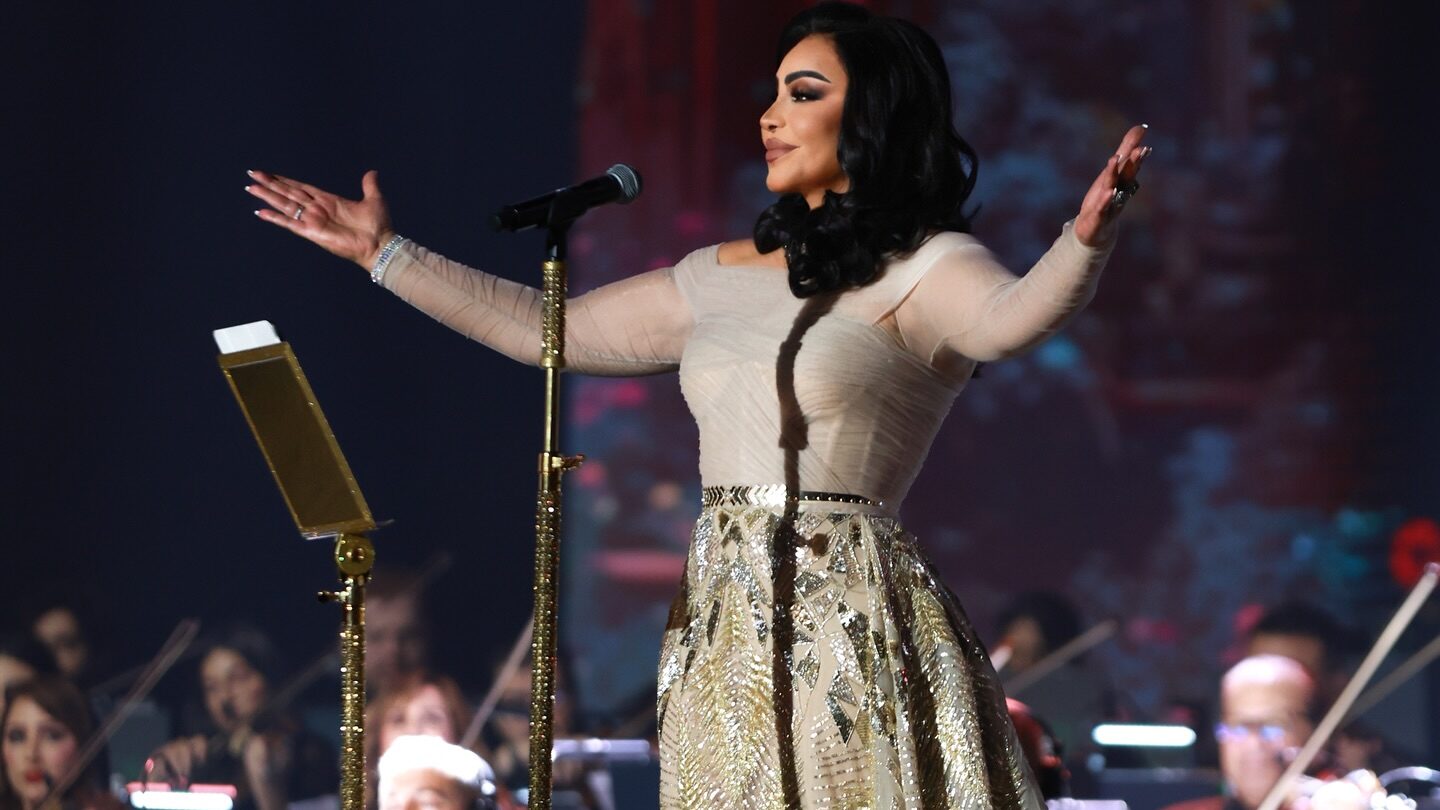
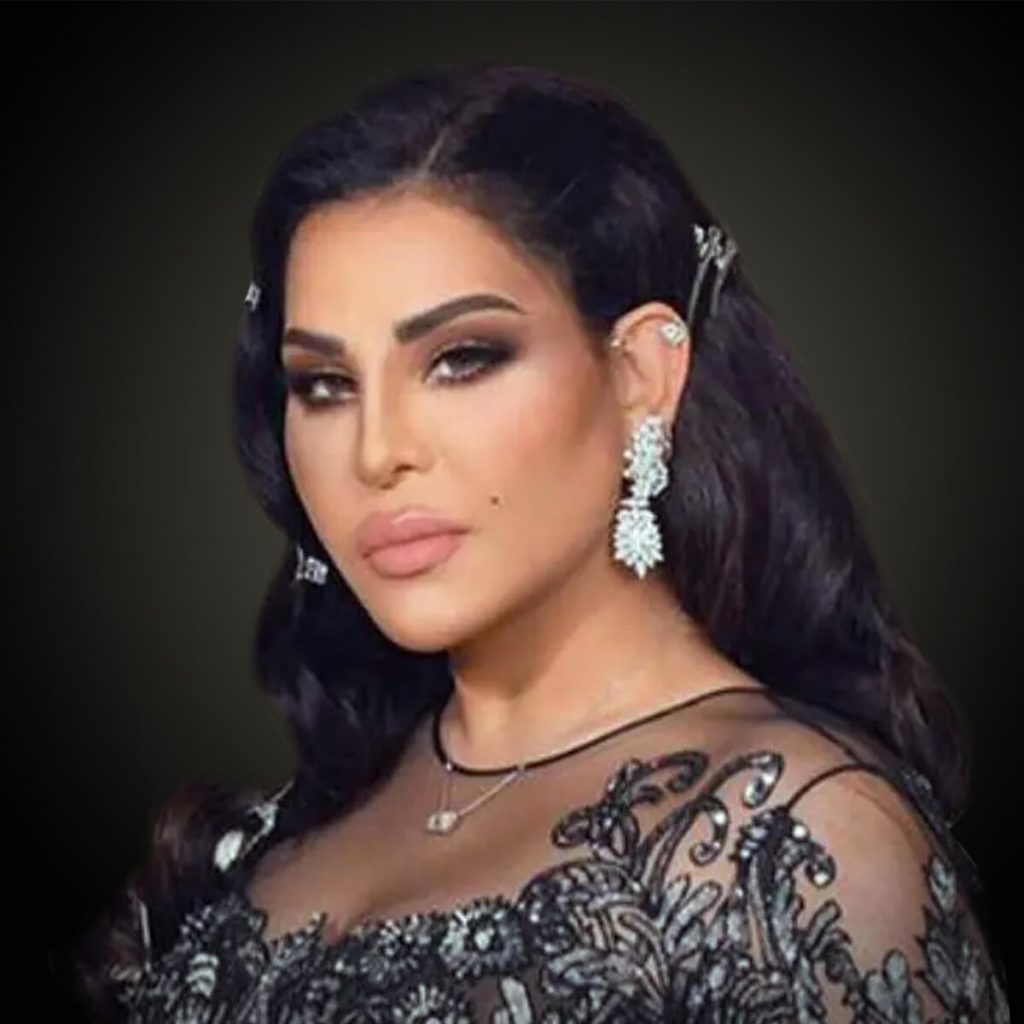
Ahlam Al Shamsi stands as one of the most formidable forces in contemporary Arab music, earning the enduring title "Al Malika" (The Queen) through decades of vocal mastery, production sovereignty, and cultural leadership. Beyond her commanding stage presence lies an artistic visionary who systematically modernized Khaleeji music, elevating regional Gulf heritage into a dominant genre across the broader Middle East and North Africa.
Early Roots and the Emergence of a Gulf Vocal Powerhouse
Born Ahlam Ali Al Shamsi, the singer spent her formative years navigating the rich cultural landscapes of Bahrain and the United Arab Emirates. Raised in an environment immersed in traditional Arabian Gulf vocal arts, she developed a deep appreciation for classical Arabic poetry, complex rhythmic patterns, and the traditional maqam tonal system. Her early exposure to authentic Gulf musical gatherings laid the groundwork for an extraordinary vocal range characterized by raw emotional resonance, precise intonation, and powerful projection.
When Ahlam entered the music industry in the mid-1990s, the Khaleeji music scene was predominantly dominated by male vocalists and classical compositions that rarely achieved mainstream pop distribution in the Levant or North Africa. Emerging onto the regional stage with her debut album Ahebek Mot (1995), produced under the prestigious Al Funoon Al Arabia label, Ahlam challenged the status quo. Her distinct voice—capable of delivering intricate traditional ornamentation with contemporary pop energy—immediately captivated audiences across the Gulf Cooperation Council (GCC) nations.
Her rapid rise was not merely a result of vocal talent; it was driven by an acute artistic instinct. Ahlam recognized early on that for Khaleeji music to transcend geographical boundaries, it needed modern orchestral arrangements without sacrificing its structural integrity. Working alongside visionary Gulf composers and lyricists, she systematically refined her sound, establishing a blueprint that would allow future generations of female artists from the Gulf to thrive on an international stage.
Musical Evolution: Redefining Khaleeji Pop and Arab Heritage
Ahlam’s discography documents a deliberate evolution from traditional regional folk arrangements to expansive, multi-genre Arab pop productions. Throughout the late 1990s and 2000s, albums such as Ma'aa Al Sa'aa (1996), Moutheere (1997), and El Thagil (1999) cemented her reputation as a hitmaker who consistently pushed creative boundaries.
At the core of her musical identity is a mastery of Khaleeji rhythmic structures, including the complex Sowt, Dazzeh, and regional Rumba beats. Ahlam's innovation lay in layering these traditional rhythms with Western symphonic strings, modern percussion, and sophisticated brass sections. This sonic synthesis broadened the appeal of Gulf music across Egypt, Lebanon, and Iraq, dismantling longstanding regional barriers within the Arab recording industry.
- Traditional Gulf Maqamat & Rhythms
- Modern Western Orchestration & Percussion
- Pan-Arab Crossover & Global Performance Standards
Her commitment to poetic rigor further distinguishes her body of work. Ahlam has consistently collaborated with premier Gulf poets, rendering complex Nabati poetry accessible to millions of listeners. Songs like "La Tassadagouh," "Tadry Lesh," and "Batar":
- Feature intricate poetic meter that demands precise phrasing and diction.
- Blend traditional Gulf themes of honor, deep longing, and pride with modern vocal delivery.
- Utilize dramatic dynamic shifts, showcasing her transition from soft, intimate whispering to resonant belts.
As her career progressed into the 2010s and 2020s, releases such as Mow'edak (2013), Fadwat Ouyounak (2021), and Razaq Al Ward (2024) demonstrated an uncompromising standard for acoustic engineering and live instrumentation. Rather than relying heavily on synthesized electronic loops, Ahlam frequently records with full live orchestras in world-class studios across London, Cairo, and Istanbul, maintaining a standard of production quality that sets a benchmark for the regional industry.
Key Career Milestones and Discography Highlights
Ahlam’s multi-decade recording career spans more than a dozen studio albums and scores of iconic singles. The table below outlines key artistic eras, major album releases, musical characteristics, and their broader regional impact.
| Era / Major Album | Key Track Highlights | Musical & Production Focus | Cultural Impact & Regional Reach |
|---|---|---|---|
| Mid-1990sAhebek Mot (1995)Ma'aa Al Sa'aa (1996) | "Ahebek Mot," "Ma'aa Al Sa'aa" | Traditional Gulf instrumentation, acoustic oud-driven arrangements, classical Khaleeji structures. | Established a female vocal icon in the Gulf; proved commercial viability of female Khaleeji pop artists. |
| Late 1990s - Early 2000sMoutheere (1997)La Tassadagouh (2001) | "Moutheere," "La Tassadagouh," "Tadry Lesh" | Expanded orchestral arrangements, fusion of Egyptian strings with Gulf percussion. | Massive pan-Arab breakthrough; established dominance in Levant and North African radio charts. |
| Mid-to-Late 2000sEl Khasayes (2006)Hatha Ana (2009) | "El Khasayes," "Hatha Ana," "Nawilgalak" | Symphonic orchestrations, integration of modern pop basslines, ambitious studio engineering. | Dubbed "Al Malika" (The Queen) by legendary artist Mohammed Abdu; major arena concert tours across Europe and Arab world. |
| 2010s - 2020sMow'edak (2013)Fadwat Ouyounak (2021) | "Mow'edak," "Fadwat Ouyounak," "Hozn Al Samoy" | High-definition acoustic recording, cinematic string arrangements, collaboration with elite Arab poets. | Cements legacy as a custodian of Gulf artistic heritage; record-breaking streaming numbers across digital platforms. |
| Recent EraRazaq Al Ward (2024 - Present) | "Razaq Al Ward," Special Festival Commissions | Micro-tonal experimentation, hybrid traditional-symphonic compositions, elevated live staging. | Solidifies status as an elder statesman and ongoing innovator of Arab pop music through 2026. |
Television Mastery: Cultural Authority on the Regional Stage
Ahlam’s influence extends far beyond recording studios and concert halls. Her entry into pan-Arab television in the early 2010s marked a historic shift in how Arab music icons interact with television audiences. As a featured judge on MBC’s Arab Idol, Ahlam redefined the role of talent show mentors in the Middle East.
Her television persona—characterized by unvarnished honesty, deep musical expertise, and spontaneous emotional reactions—turned Arab Idol into mandatory viewing for tens of millions across the globe. Rather than offering generic praise, Ahlam frequently analyzed contestants using precise musical terms, evaluating their maqam transitions, pitch stability, breath control, and emotional authenticity.
- Vocal Pedagogy & Technical Critique
- Pitch & Breath Control Evaluation
- Maqam & Scale Accuracy Analysis
- Stage Presence & Emotional Projection
Her subsequent roles on The Voice: Ahla Sawt and Saudi Idol further solidified her status as a premier talent judge. On these platforms, she took active ownership of her team members' career development:
- Repertoire Selection: Matching contestants with obscure traditional songs that highlighted their unique vocal strengths.
- Vocal Coaching: Conducting rigorous rehearsals focusing on pitch correction and stage presence.
- Post-Show Mentorship: Frequently inviting promising contestants to share the stage at her major international concerts, offering them direct entry into the professional music industry.
Through her television career, Ahlam brought classical Arab vocal theory to everyday television viewers, educating a new generation of music fans on the intricacies of regional musical heritage.
The Business of Being 'Al Malika': Brand, Fashion, and Production Control
The name "Ahlam" represents a carefully built brand grounded in total creative and operational control. In an industry where female artists historically faced external management constraints, Ahlam established her independence early by exercising direct oversight over her recording contracts, live concert productions, and intellectual property.
Her business acumen is most visible in her approach to live performances. Ahlam is renowned for demanding world-class production standards, hiring premier international lighting directors, sound engineers, and symphonic musicians for her concerts. Whether performing at the historic Olympia Theatre in Paris, the Royal Albert Hall in London, the Dolby Theatre in Los Angeles, or major festivals across Riyadh and Dubai, her concerts are engineered to rival global arena tours.
- High-End Stage Production
- Global Symphony Orchestras & Elite Studio Musicians
- International Sound & Lighting Design
- Haute Couture Styling & Visual Art Direction
Additionally, Ahlam transformed her personal style into an influential fashion statement. Known for wearing custom high-fashion gowns from premier Lebanese and European designers, paired with rare high-end jewelry, her visual presentation reinforces her stage persona as Arab pop royalty. Her fashion choices are dissected by lifestyle media across the region, making her an enduring arbiter of style as well as sound.
Analyzing the Cultural Impact and Artistic Legacy of Ahlam
Ahlam Al Shamsi’s enduring legacy rests on her successful effort to dismantle regional art boundaries. Prior to her career, Gulf music was often treated by mainstream pan-Arab media as a regional sub-genre. Through sheer vocal power, commercial success, and relentless touring, Ahlam proved that Khaleeji music could achieve dominant commercial and artistic status across the entire Arab world.
Her artistic legacy can be understood through three major contributions:
1. Empowerment of Gulf Female Artists
By establishing a long, commercially successful career while remaining rooted in Gulf traditions, Ahlam paved the way for generations of female vocalists from the Arabian Peninsula. She proved that a female artist from the Gulf could achieve cross-border fame without compromising her cultural identity.
2. Preservation of Classical Poetry and Rhythms
In an era dominated by rapid, electronic pop singles, Ahlam remains committed to long-form compositions and complex Nabati poetry. By incorporating these traditional forms into high-production albums, she ensures that younger generations remain connected to their linguistic and poetic heritage.
3. Elevation of Live Performance Standards
Ahlam raised the bar for live vocal performance and technical sound design across the Arab entertainment sector. Her insistence on performing with large, live symphonic orchestras has helped maintain high standards for live acoustic musicianship throughout regional festivals and venue circuits.
How to Explore Ahlam Al Shamsi’s Artistic Catalog Today
For listeners looking to explore Ahlam's extensive catalog, navigating over thirty years of recordings requires a strategic approach. The following progression offers a balanced gateway into her artistic repertoire:
Start with the Essential Hits (The Entry Point): Begin with landmark tracks like "Ahebek Mot," "La Tassadagouh," and "Tadry Lesh." These songs provide a clear introduction to her signature blend of energetic Gulf rhythms, clear vocal projection, and catchy melodic hooks.
Explore the Symphonic Concepts (Deep Dive): Listen to the full album Fadwat Ouyounak (2021). This release demonstrates her mastery of cinematic Khaleeji pop, featuring complex string arrangements, rich dynamic ranges, and sophisticated studio mixing.
Experience the Live Concerts (Performance Mastery): Watch verified live recordings of her performances at iconic venues such as the Royal Albert Hall, the Kuwait National Cultural District, or the Al-Ula concert series in Saudi Arabia. Her live improvisations (mawwal) reveal the true depth of her vocal control and command of the stage.
Follow Recent Releases: Explore her latest work, including Razaq Al Ward (2024) and recent festival recordings, to observe how her vocal timbre has matured into a rich, resonant tone that continues to shape modern Khaleeji pop.
Frequently Asked Questions
What earned Ahlam Al Shamsi the title 'Al Malika' (The Queen)?
The title "Al Malika" was famously bestowed upon Ahlam by the legendary Saudi singer and composer Mohammed Abdu in recognition of her dominant vocal ability, regal stage presence, and leading role in popularizing Khaleeji music across the Arab world. The title was enthusiastically adopted by her fan base and has become her primary artistic moniker.
Which album is considered Ahlam’s major pan-Arab breakthrough?
While her 1995 debut Ahebek Mot established her stardom in the Gulf region, her 2001 album La Tassadagouh served as her definitive pan-Arab breakthrough. The album yielded multiple hit singles that topped radio charts across North Africa and the Levant, establishing her as an elite recording artist throughout the Middle East.
How did Ahlam influence female representation in Khaleeji music?
Before Ahlam’s rise in the mid-1990s, the regional Gulf recording industry was heavily dominated by male artists, with few women achieving sustained commercial success. Ahlam proved that a female Gulf artist could lead major concert tours, headline national festivals, and command top-tier record deals, creating a viable path for future female singers from the region.
What role did Ahlam play on talent shows like Arab Idol?
Ahlam served as a core judge and vocal mentor on Arab Idol, The Voice: Ahla Sawt, and Saudi Idol. Beyond providing high-profile commentary, she offered technical critiques based on traditional maqam theory, selected challenging song selections for contestants, and frequently mentored emerging talent after the shows concluded.
Where can listeners access Ahlam’s historical catalog and live recordings?
Ahlam’s studio albums and official concert recordings are widely available on major global streaming platforms, including Anghami, Apple Music, Spotify, and YouTube. Official remastered tracks and high-definition concert broadcasts are routinely published through her verified artist channels and official label partners.
Recommended Next Steps for Music Enthusiasts and Researchers
To gain a deep appreciation of Ahlam Al Shamsi's contribution to Arab vocal music, explore her work through a structured, multi-dimensional approach:
- Conduct a Comparative Listening Session: Compare her mid-1990s acoustic recordings (such as Ma'aa Al Sa'aa) with her modern symphonic releases (such as Fadwat Ouyounak). Pay close attention to the evolution of string arrangements, percussion fidelity, and vocal depth.
- Study Nabati Poetic Structure: Examine the lyrics of key tracks composed by prominent Gulf poets for Ahlam. Researching the poetic meters of Nabati verse reveals the precise phrasing required to sing these complex texts.
- Analyze Live Vocal Technique: Watch live concert footage specifically focusing on her mawwal (unaccompanied vocal improvisations). Observing her real-time micro-tonal adjustments and pitch control offers invaluable insight into classical Arabic vocal technique.
Ahlam Al Shamsi remains an active, evolving force in global music—a true visionary who transformed regional Gulf traditions into an enduring pan-Arab legacy.