Ahch-To is a fictional aquatic planet in the Star Wars universe, recognized in galactic lore as the birthplace of the Jedi Order and the sanctuary where Jedi Master Luke Skywalker lived in self-imposed exile. In the real world, its dramatic island cliffs and ancient stone dwellings were filmed on Skellig Michael and Sybil Head along the southwest coast of Ireland.
In-Universe Lore: The Birthplace of the Jedi Order and Ahch-To’s Galactic History
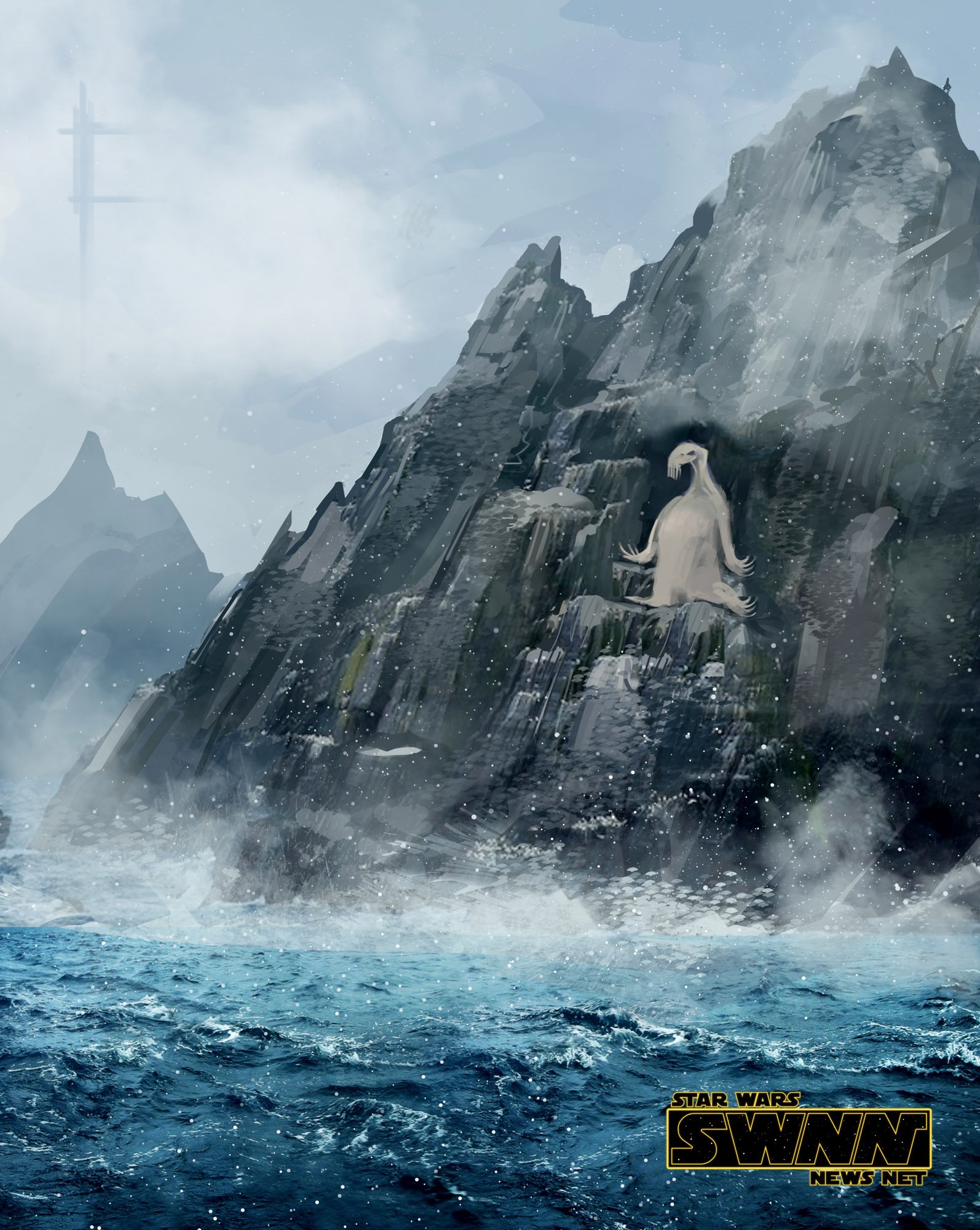
Within Star Wars canon, Ahch-To is an isolated world located in the Unknown Regions. Consisting almost entirely of a vast ocean interspersed with rocky, misty archipelagoes, the planet remained unmapped on most galactic star charts for millennia. According to ancient lore, it was on Ahch-To that the early Force seekers founded the original Jedi Temple around 25,000 BBY (Before the Battle of Yavin). These early practitioners sought to understand the cosmic and living Force in its purest state, long before the Jedi became peacekeepers aligned with the Galactic Republic.
Ahch-To Timeline & Canonical Events
- 25,000 BBY: First Jedi Temple Founded
- 28–34 ABY: Luke Skywalker in Exile
- 34 ABY: Rey arrives; Luke trains her & passes away
- 35 ABY: Luke's Force Ghost returns
The central sanctuary on the temple island features a mosaic of the "Prime Jedi"—a depiction of the first Jedi balancing both light and dark aspects of the Force. The island housed an unburned Uniting Tree, which served as a natural vault for the sacred Jedi texts. These leather-bound codices contained foundational wisdom on Force manipulation, history, and ancient techniques that predated modern Jedi Council teachings.
| Category | Description |
|---|---|
| Native Sentients | Lanaai (The Caretakers of the Stone Village) |
| Native Fauna | Porgs (Avian cliff-dwellers), Thala-sirens (Marine) |
| Sacred Structures | Temple Island, Prime Jedi Mosaic, Tree Library |
| Force Nexus | Mirror Cave (Dark Side nexus balancing Light peak) |
Following the fall of his New Jedi Order after Kylo Ren's betrayal, Luke Skywalker tracked down the long-lost coordinates of Ahch-To using star charts retrieved from Imperial archives and ancient Jedi ruins. Skywalker chose Ahch-To specifically because it was the most sacred place in Jedi history—and where he intended to die, ending the Jedi lineage to prevent future galactic conflict. During his years on the island, Skywalker cut himself off from the Force, living alongside the planet's native inhabitants.
Ahch-To’s ecosystem is anchored by unique native species:
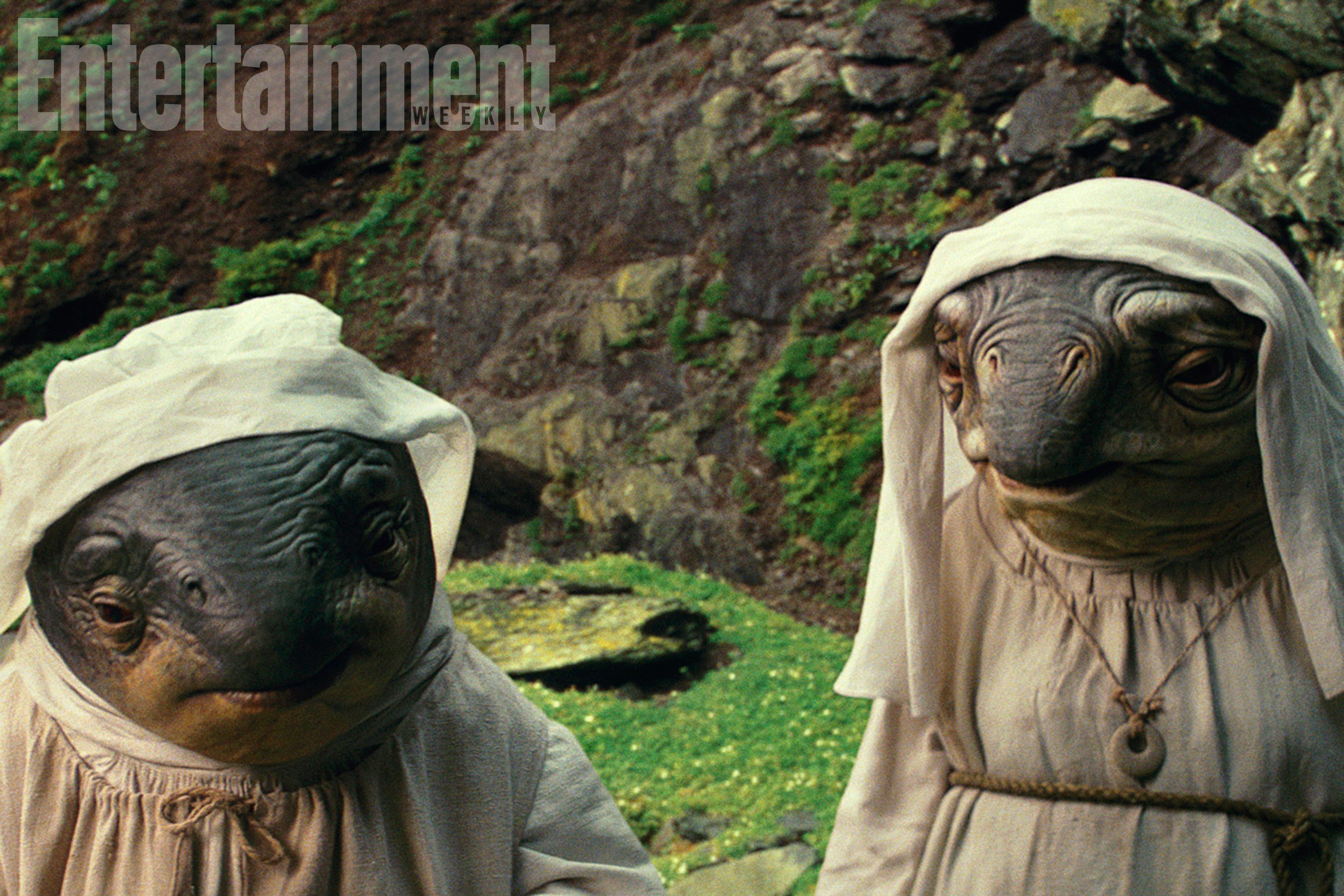
- The Lanaai (Caretakers): An all-female amphibian species that maintains the ancient stone huts and temple grounds.
- Porgs: Small, sea-dwelling birds that nest along the rocky cliffs.
- Thala-sirens: Large marine mammals that bask on the shoreline and produce green milk.
The island also contains a powerful dark side nexus located beneath the cliffside in a mirror-walled sea cave. This dual presence of strong light and deep dark creates a natural equilibrium, reinforcing the ancient Jedi philosophy of balance rather than absolute polarization.
Real-World Filming Locations: Skellig Michael and Sybil Head
The breathtaking visuals of Ahch-To in Star Wars: The Force Awakens (2015) and Star Wars: The Last Jedi (2017) were achieved by filming on location along the Wild Atlantic Way in County Kerry, Ireland. The production team utilized two primary sites: the UNESCO World Heritage island of Skellig Michael (Sceilg Mhichíl) and the nearby mainland headland of Sybil Head (Ceann Sibéal).
Ahch-To Production Geography
- Atlantic Ocean: Skellig Michael (Real Monastery & Wailing Wall)
- Mainland Ireland: Sybil Head (Replicated Huts for Heavy Filming)
- Screen: Ahch-To
Skellig Michael (Sceilg Mhichíl)
Skellig Michael is a steep, craggy island located approximately 12 kilometers (7.5 miles) off the coast of the Iveragh Peninsula. Between the 6th and 8th centuries, Saint Fionán founded a Christian monastery on the island's high ridge, roughly 180 meters above sea level. Monks carved more than 600 stone steps directly into the rock face and constructed drystone beehive huts, known locally as clocháns.
When director J.J. Abrams chose Skellig Michael for the final scene of The Force Awakens, the production captured the authentic ancient steps and beehive huts. However, due to strict environmental protections and the sheer physical danger of moving heavy production gear up the narrow steps, filming on Skellig Michael was restricted to brief windows with minimal crew.
Sybil Head (Ceann Sibéal)
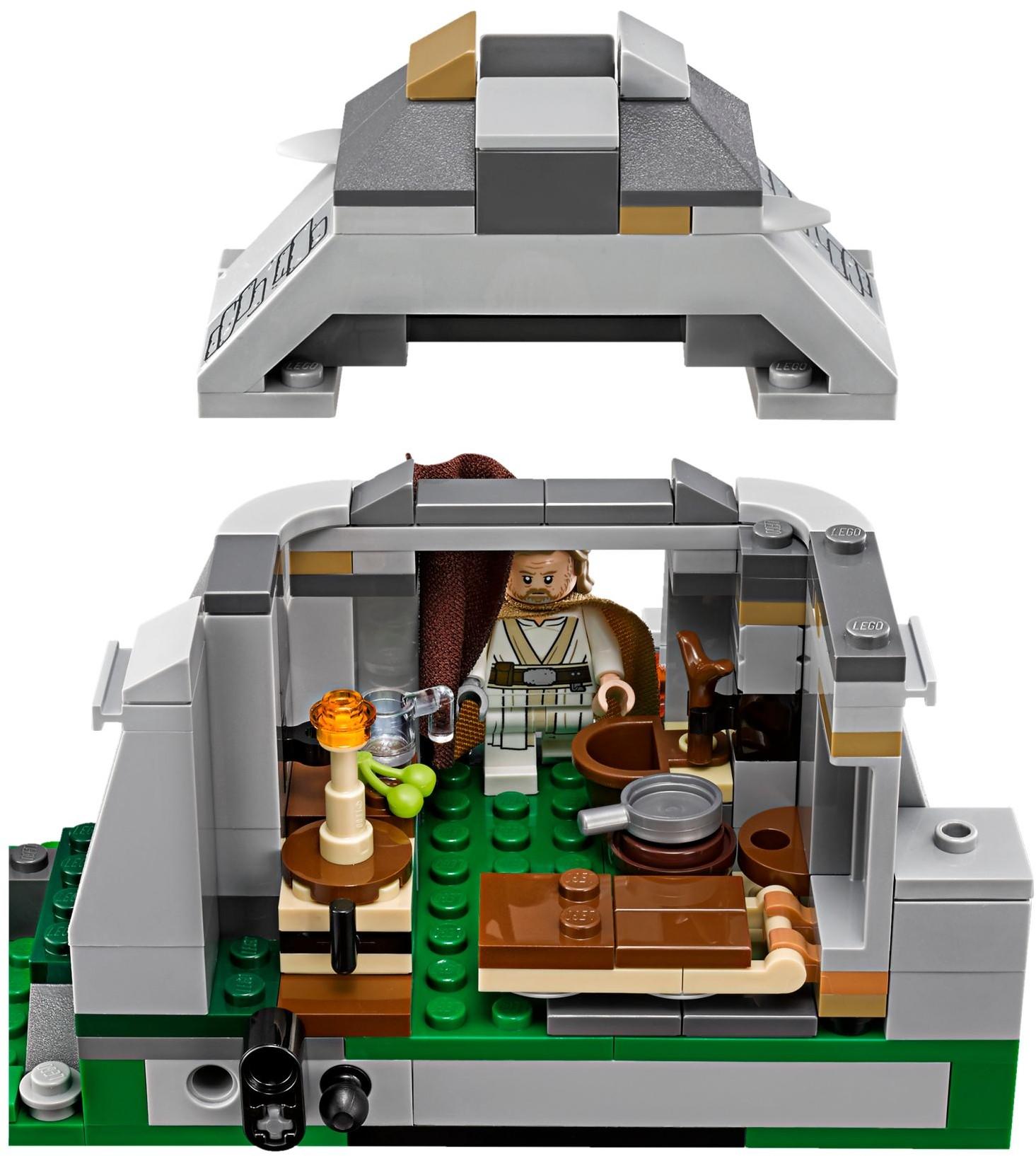
To shoot the extensive dialogue and action sequences required for The Last Jedi, director Rian Johnson and Lucasfilm constructed a detailed replica of the beehive hut village on Sybil Head, a promontory on the Dingle Peninsula. Production designers meticulously scanned the real stone structures on Skellig Michael and built temporary fiberglass and stone-clad duplicates along the mainland cliffs. This permitted full film crews, lighting rigs, and stunt performers to work safely without placing the authentic 1,400-year-old monastic site at risk of damage.
| Location | Modern Region | Star Wars Usage |
|---|---|---|
| Skellig Michael | Co. Kerry, Ireland | Wailing Wall, Monastic Steps |
| Sybil Head | Dingle Peninsula | Jedi Village, Caretaker Huts |
| Malin Head | Co. Donegal | Millennium Falcon Landing Bay |
| Brow Head | Co. Cork | Cliffside Caves & Sea Views |
Comparative Analysis: In-Universe Canon vs. Real-World Filming Realities
Understanding Ahch-To requires separating the narrative lore created by Lucasfilm from the geographic and historical realities of its Irish filming locations. The table below outlines how fictional elements map to real-world facts.
| Aspect / Dimension | Ahch-To In-Universe Canon | Real-World Location (Ireland) | Key Operational & Environmental Details |
|---|---|---|---|
| Geographic Identity | Outer Rim / Unknown Regions aquatic planet | Skellig Michael & Sybil Head, County Kerry, Ireland | Skellig Michael is a protected UNESCO World Heritage Site managed by Ireland's Office of Public Works (OPW). |
| Ancient Huts | Built by early Jedi practitioners millennia ago | Early Christian clocháns built by 6th–8th century monks | Drystone construction uses no mortar; rocks are interlocked to shed rainwater outward. |
| Native Wildlife | Porgs, Thala-sirens, and Fallow sea-creatures | Atlantic Puffins, Kittiwakes, Storm Petrels, Grey Seals | Porgs were created via CGI partly to cover up thousands of protected Atlantic Puffins nesting during filming. |
| Accessibility | Accessible only via ancient hyperspace routes | Reachable via licensed boat tours from Portmagee | Boat landings are highly seasonal (May–October) and frequently canceled due to rough Atlantic swells. |
| Physical Features | Mirror Cave, Tree Library, High Jedi Temple Stairs | Wailing Wall, Christ's Saddle, 600-Step South Staircase | Visitors must climb the 600 uneven steps without safety handrails; physical fitness and cautious footing are required. |
| Environmental Protection | Preserved by the Lanaai Caretakers | Protected by Irish National Parks & Wildlife Service (NPWS) | Strict leave-no-trace laws prohibit touching drystone structures or removing rocks from the island. |
Travel and Visiting Guide: Experiencing the Real-Life Ahch-To Safely
Visiting the real-world locations that brought Ahch-To to life requires careful planning, as environmental regulations and unpredictable weather limit access. Travelers planning to explore these iconic sites must adhere to safety guidelines and official booking protocols.
Visiting Skellig Michael: Practical Steps
- Select Dates (May to October)
- Book Licensed Boat (Months in Advance)
- Monitor Weather (Call Ahead Morning of)
- Board at Portmagee
- Climb 600 Steps
- Respect Ancient Clocháns & Nesting Birds
Booking Skellig Michael Boat Permits
Direct access to Skellig Michael is tightly regulated to preserve both the delicate monastic architecture and the sea-bird nesting habitats.
- Seasonality: The landing season runs exclusively from mid-May through September or early October, depending on weather conditions.
- Permit Restrictions: Only a small fleet of licensed boat operators departing from Portmagee are authorized by the Office of Public Works to land visitors on the island.
- Advance Booking: Boat spaces are extremely limited and typically sell out months in advance. Prospective visitors should secure landing permits well ahead of their travel dates.
- Weather Contingencies: Atlantic sea swells regularly force operators to cancel trips, even during peak summer months. Visitors should build flexible buffer days into their itineraries.
Physical Prerequisites and Safety Rules
Climbing the steps of Skellig Michael is physically demanding and carries inherent risks:
- Steep Ascent: Visitors must ascend over 600 hand-carved stone steps without handrails or safety fencing.
- Mobility & Vertigo: The site is unsuitable for individuals with severe vertigo, heart conditions, or mobility impairments.
- Footwear & Clothing: Sturdy hiking boots with strong grip are essential. Wet weather gear and layered clothing are necessary due to sudden coastal storms.
- Preservation Compliance: Visitors must remain on marked paths. Touching or climbing on the ancient beehive huts (clocháns) is strictly prohibited under Irish law and UNESCO World Heritage standards.
| Visitor Checklist & Safety Rules |
|---|
| [ ] Booked licensed landing boat from Portmagee months in advance |
| [ ] Checked morning sea state / departure confirmation call |
| [ ] Wearing broken-in hiking boots with high-traction soles |
| [ ] Packed waterproof outer layers and windbreaker |
| [ ] No handrails on steps: Maintain three points of contact on slopes |
| [ ] Do not touch, move, or lean against ancient drystone masonry |
Exploring Sybil Head and the Dingle Peninsula
For travelers unable to secure a landing permit or who prefer a less strenuous experience, visiting Sybil Head on the Dingle Peninsula offers stunning views of the surrounding seas and coastline. While the film sets built for The Last Jedi were completely dismantled after shooting to restore the headland to its natural state, walking trails along Ballyferriter provide sweeping panoramas of the cliffs where Luke Skywalker's village was reconstructed.
Cinematic Impact and Legacy of Ahch-To in the Star Wars Saga
Ahch-To represents a key stylistic shift in the Star Wars franchise under Lucasfilm. Moving away from green-screen studio environments, director J.J. Abrams and director Rian Johnson prioritized tactile, real-world filming locations to ground the sequel trilogy in physical reality.
Cinematic Evolution of Sacred Star Wars Locations
- Yavin 4 (1977)
- Location: Tikal Ruins, Guatemala
- Feature: Massassi Temples & Rebel Base
- Tatooine (1977-2002)
- Location: Tunisian Desert, North Africa
- Feature: Jawa Sandcrawlers & Moisture Farms
- Ahch-To (2015-2017)
- Location: Skellig Michael, Ireland
- Feature: First Jedi Temple & Sacred Codices
The rugged beauty of County Kerry provided a dramatic backdrop for pivotal narrative beats:
- The emotional reunion between Rey and Luke Skywalker at the climax of The Force Awakens.
- Luke's unconventional training lessons regarding the nature of the Force in The Last Jedi.
- The dramatic destruction of the ancient unburned tree library and Master Yoda's unexpected return as a Force Ghost to teach Skywalker one final lesson about failure.
- Luke Skywalker's final moments on the high cliffs overlooking Ahch-To's twin suns as he projected his image across the galaxy to Crait, passing peacefully into the Force.
The decision to film on Skellig Michael also raised the global profile of Ireland's Wild Atlantic Way, bringing international tourism to County Kerry while highlighting the vital need for heritage conservation on fragile coastal monuments.
Frequently Asked Questions
Why did Luke Skywalker choose Ahch-To for his exile?
Luke Skywalker selected Ahch-To because it was the unmapped birthplace of the Jedi Order. After his nephew Ben Solo fell to the dark side and destroyed his new academy, Skywalker concluded that the Jedi Order was inherently flawed and needed to end. He went to Ahch-To because it was the most sacred place in Jedi history—a location where he could cut himself off from the Force and live out his days without interfering in galactic affairs.
Is Ahch-To a real place that tourists can visit?
Ahch-To itself is fictional, but its filming locations are real places in Ireland. The cliffside stairs and ancient beehive huts were filmed on Skellig Michael, an island off the coast of County Kerry. The recreated Jedi village scenes were filmed on Sybil Head on the Dingle Peninsula. Tourists can visit both areas, though landing on Skellig Michael requires advanced boat reservations, suitable weather conditions, and high physical fitness.
What real-world animals inspired the Porgs on Ahch-To?
Porgs were directly inspired by Atlantic Puffins, which nest by the thousands on Skellig Michael during the spring and summer. Because Skellig Michael is a protected wildlife sanctuary, the film crew could not remove or disturb the birds. Instead of digitally removing every puffin from the background of shot footage, director Rian Johnson opted to cover them up by creating Porgs using practical puppetry and visual effects.
Why were parts of Ahch-To built on Sybil Head instead of filmed on Skellig Michael?
Skellig Michael is a fragile UNESCO World Heritage site with strict conservation protocols, limited space, and unpredictable weather access. Carrying heavy film equipment, large crews, and dynamic action setups up its 600 narrow steps posed severe safety risks to the crew and potential harm to the 1,400-year-old stone structures. Lucasfilm constructed a temporary, identical set at Sybil Head on mainland Ireland to shoot complex scenes safely.
What are the sacred Jedi texts found on Ahch-To?
The sacred Jedi texts are ancient codices that predated modern Jedi teachings. Bound in leather and written by early Force scholars, they detailed fundamental Force abilities, history, and philosophies on balance. While Luke Skywalker believed the texts were destroyed when the unburned tree library burned in The Last Jedi, Rey had secretly removed them beforehand and brought them aboard the Millennium Falcon, using their knowledge during her training in The Rise of Skywalker.
Planning Your Visit to the Filming Locations of Ahch-To
If you intend to experience the real-world landscapes of Ahch-To, prioritize logistical preparation and heritage preservation.
Recommended Travel Itinerary
Day 1: Arrive in Killarney / Kenmare (Base Camp)
Day 2: Drive to Portmagee early for Skellig Michael Boat Tour
- If Weather Permits: Climb Skellig Michael (3-4 Hours)
- If Sea Swells Cancel Boat: Visit Skellig Experience Centre
Day 3: Tour Dingle Peninsula, Ballyferriter & Sybil Head Cliff Walks
Day 4: Explore Dunmore Head (Millennium Falcon Crash Site Location)
Reserve Boat Permits Early: Book your Skellig Michael landing permits through officially licensed operators in Portmagee as early as possible in the year of your trip.
Plan for Weather Delays: Dedicate at least two or three days in County Kerry so that a sea-swell cancellation on your primary boat date does not ruin your chances of visiting.
Explore the Mainland Coasts: Spend time walking the trails along Sybil Head and the Dingle Peninsula, where production teams filmed additional coastal angles of Ahch-To.
Practice Responsible Tourism: Respect local heritage laws by keeping your distance from sea-bird nesting areas, staying strictly on designated paths, and avoiding any physical contact with ancient drystone structures on Skellig Michael.