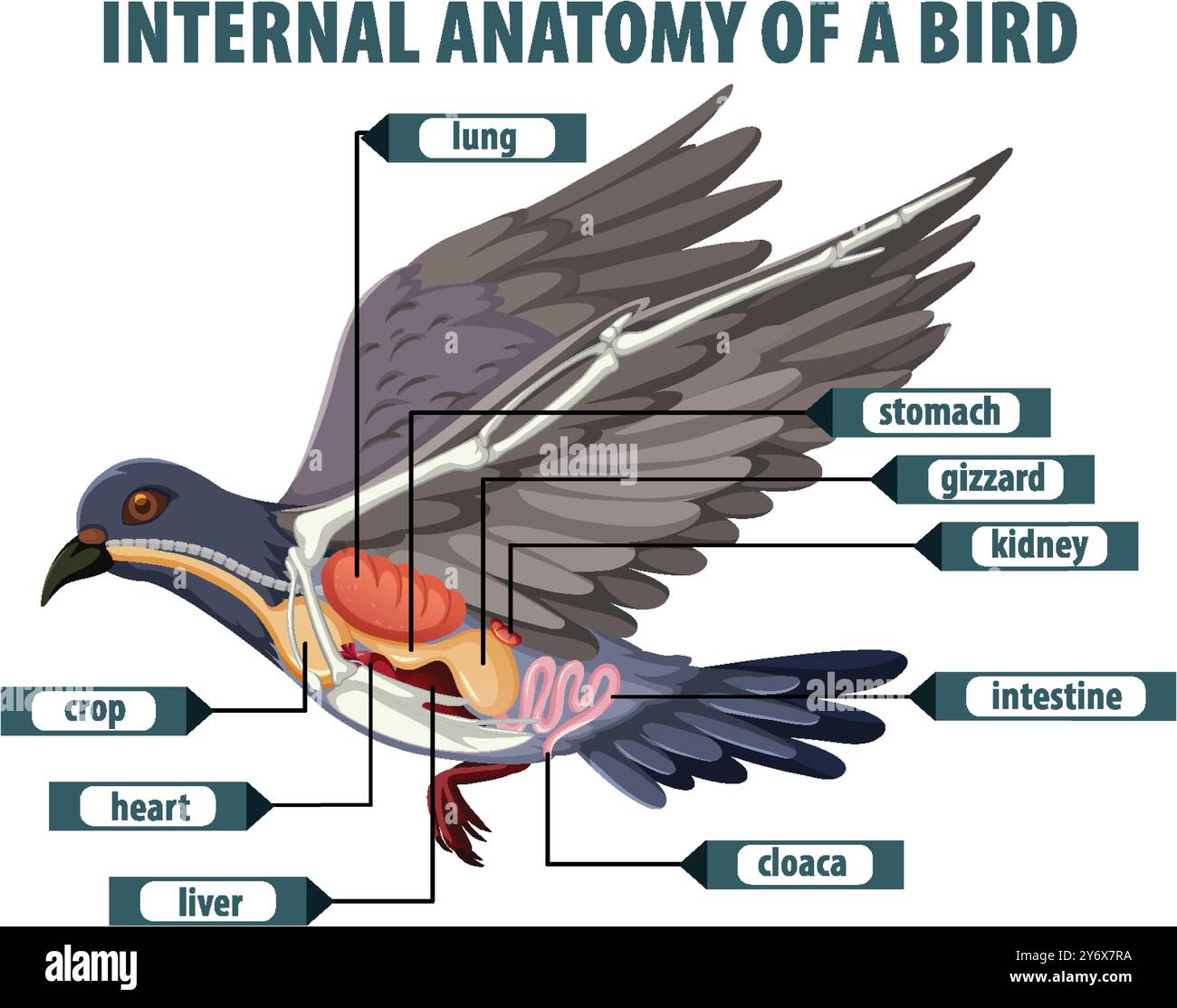
The "ahas bird"—commonly known as the snakebird or darter (family Anhingidae)—is a specialized aquatic bird named for its snake-like neck and swimming behavior. When foraging, the bird submerges its body entirely beneath the water, leaving only its sinuous neck and pointed head visible, creating the striking appearance of a swimming snake.
Found across tropical and subtropical freshwater ecosystems, the ahas bird is a solitary fisher renowned for its spear-like bill, submerged hunting technique, and iconic open-wing sunbathing posture. Understanding this bird requires exploring its taxonomy, specialized physical adaptations, ecological role, and current conservation status.
Taxonomy and Species of the Ahas Bird Family
The term "ahas bird" derives from the Tagalog word ahas (meaning snake), reflecting a regional descriptor used in South and Southeast Asia for members of the family Anhingidae. Taxonomically, all living snakebirds belong to a single genus, Anhinga, within the order Suliformes. They share close evolutionary ties with cormorants (Phalacrocoracidae), gannets, and boobies (Sulidae), yet possess distinct anatomical features adapted for impaling underwater prey rather than snatching it.
Ornithologists recognize four extant species within the darter family:
- Oriental Darter (Anhinga melanogaster): Distributed across the Indian subcontinent, Southeast Asia, and parts of the Philippines. This is the primary species referred to locally as the ahas bird or ibong ahas. It features a white stripe running along the sides of its long neck and brown-and-black plumage with silver-white streaks on its upper wings.
- American Anhinga (Anhinga anhinga): Native to the warmer coastal regions of the southeastern United States, Central America, and South America down to northern Argentina. Often called the water turkey or snakebird in the Americas.
- African Darter (Anhinga rufa): Endemic to Sub-Saharan Africa and Madagascar. Characterized by a rich rufous neck band in males and dense, dark body plumage.
- Australasian Darter (Anhinga novaehollandiae): Found throughout Australia, New Guinea, and eastern Indonesia. Males display dark greyish-black body feathers with a distinct white line from the bill down the neck.
While geographic ranges separate these four species, their body plans, hunting mechanisms, and ecological niches remain almost identical.
Physical Adaptations and Distinctive Characteristics
The physical structure of the ahas bird represents a remarkable evolutionary trade-off between swimming efficiency and aerial maneuverability. Every physical trait—from its neck vertebrae to its plumage density—is tuned for underwater predation.
- Sharp, Straight Bill
- Modified Cervical Vertebrae (5th–8th): Triggers explosive forward thrust
- Non-Waterproof Waterlogged Feathers: Reduces buoyancy for submarine diving
- Totipalmate Webbed Feet (4 Toes): Provides propulsion under water
Specialized Neck and Bill Mechanism
Unlike cormorants, which have a hook at the tip of their bills, the ahas bird possesses a completely straight, razor-sharp, dagger-like bill. The edges of the upper and lower mandibles feature minute, backward-facing serrations designed to grip slippery fish once speared.
Supporting this deadly weapon is a highly modified cervical spine. The fifth to eighth neck vertebrae form a specialized hinge joint controlled by powerful muscle groups. When swimming underwater, the bird flexes its neck into an S-curve, locking it into position. When target prey comes within range, the bird releases the tension, launching its head forward like a spring-loaded spear to impale the target.
Permeable Plumage and Reduced Buoyancy
Waterbirds such as ducks and gulls coat their feathers with hydrophobic waxes secreted by the uropygial (preen) gland, trapping air to remain buoyant. The ahas bird lacks dense downy under-feathers and secretes significantly less preen oil. As a result, its feathers absorb water quickly.
While waterlogged feathers impair flight efficiency and accelerate heat loss, they offer a critical advantage: drastically reduced buoyancy. The bird can submerge its heavy body beneath the surface effortlessly without expending energy to stay underwater, allowing it to glide silently toward prey without creating surface ripples.
Totipalmate Feet and Thermoregulation
Darters are totipalmate, meaning webbed skin connects all four toes on each foot. This provides substantial propulsion through quiet, slow-moving water columns.
However, because its wet plumage loses heat rapidly in water, the bird must spend extended periods out of the water to dry its feathers and regulate its core body temperature. This behavior results in the bird's iconic sunbathing stance—perching atop exposed branches, rocks, or pilings with its wings spread wide toward the sun.
Habitat, Distribution, and Wetland Ecology
The ahas bird is strictly bound to calm, vegetated aquatic environments. Because high wave action and strong currents impede its slow-stalking underwater hunting style, it avoids open oceanic waters.
Preferred Aquatic Ecosystems
Typical habitats for the ahas bird include:
- Freshwater Lakes and Ponds: Shallow water bodies with dense aquatic vegetation and abundant small-to-medium fish populations.
- Slow-Moving Rivers and Oxbow Lakes: River bends and calm tributaries with overhanging trees that provide secure perches.
- Swamps and Marshes: Inland freshwater wetlands that supply cover and abundant nesting material.
- Estuaries and Mangrove Swamps: Brackish coastal zones where sheltered bays provide protected feeding grounds.
Nesting and Breeding Behavior
Snakebirds are monogamous during the breeding season and often nest colonially alongside other wetland birds, such as herons, egrets, and cormorants. They build bulky platform nests made of twigs, sticks, and fresh leafy branches, usually constructed in trees directly over water.
Clutches typically consist of three to five pale green or blue eggs covered in a chalky calcium coating. Both parents share incubation duties, which last approximately 25 to 30 days. Chicks are born altricial (helpless and naked) but quickly grow a dense layer of white down. Parents feed the young by regurgitating fluid and partially digested fish directly into their beaks.
Foraging Strategy and Underwater Hunting Mechanics
The hunting protocol of the ahas bird is unique among waterbirds, relying on stealth, precise geometry, and powerful mechanical execution rather than plunge-diving or surface skimming.
Submarine Stealth and Stalking
When foraging, the ahas bird lowers its body until its back sits below the surface line. This low-profile stance minimizes its visual profile to prey below and predators above. It propels itself slowly using its feet, keeping its head elevated above the surface to spot movement or dipping its head below to scan underwater columns.
The Spear Strike and Feeding
Upon spotting a fish, the bird dives smoothly without splashing. It stalks the fish from behind or below, moving into striking distance without disturbing the surrounding water.
Once within range:
The S-shaped neck compresses fully.
The cervical vertebrae snap straight, thrusting the bill forward with immense velocity.
The sharp bill pierces the side of the fish.
The bird surfaces, holding the impaled fish above water.
With a swift flick of its neck, it tosses the fish into the air, catches it, and swallows it head-first to prevent the prey's fins and spines from catching in its throat.
Stalking Phase: Submerged body, low profile visual scan
Approach Phase: Silent underwater gliding toward prey
Strike Phase: Cervical vertebral snap; bill impales target
Feeding Phase: Surface flick, airborne repositioning, head-first swallow
The primary diet consists of slow-moving, soft-rayed freshwater fish (such as gouramis, cichlids, catfishes, and sunfish), supplemented by amphibians, water snakes, crustaceans, and large aquatic insects.
Comparative Analysis: Ahas Bird vs. Cormorant and Heron
Due to overlapping habitats and similar dark plumage, the ahas bird is frequently confused with cormorants and small herons. However, clear anatomical and behavioral differences distinguish these species.
| Diagnostic Feature | Ahas Bird (Darter / Anhinga) | Cormorant (Phalacrocorax) | Heron (Ardeidae) |
|---|---|---|---|
| Beak Shape | Straight, sharp, dagger-like with micro-serrations | Heavy, hooked tip at the upper mandible | Long, straight spear-like bill (thicker base) |
| Neck Structure | S-shaped with flexible 5th–8th vertebral hinge | Curved, thick, and muscled; no spring mechanism | Long, variable S-curve used for striking from above |
| Tail Shape | Long, broad, fan-like tail feathers | Short, stiff, wedge-shaped tail | Short, rounded tail |
| Primary Hunting Method | Subsurface spearing with sharp thrust | Underwater chasing and hooked grasping | Wading in shallow water and striking from above |
| Buoyancy Profile | Very low; swims submerged up to the neck | Moderate; swims low but body remains partially visible | High; stays above water surface while wading/standing |
| Feather Drying Posture | Wide open wing-spread sunbathing | Occasional open-wing posture, less frequent | Does not display open-wing sunbathing posture |
Conservation Status, Environmental Threats, and Protection Measures
The conservation outlook for the ahas bird varies by region and species. While the American Anhinga (Anhinga anhinga) and African Darter (Anhinga rufa) maintain stable populations and are evaluated as Least Concern on the IUCN Red List, the Oriental Darter (Anhinga melanogaster) faces greater environmental pressures.
Primary Threats to Survival
- Wetland Loss and Fragmentation: Drainage of natural marshes, swamps, and floodplains for agricultural expansion and urban development destroys essential breeding and foraging habitats.
- Pollution and Bioaccumulation: Heavy agricultural runoff, industrial effluent, and pesticide contamination pollute freshwater ecosystems. As apex fish-eaters, darters accumulate heavy metals and chemical toxins, leading to reproductive failure and eggshell thinning.
- Entanglement in Fishing Gear: Discarded monofilament fishing lines, nets, and hooks pose a severe hazard, often entangling birds as they dive for fish, leading to drowning or starvation.
- Human Disturbance: Direct human disruption of breeding colonies can cause adults to abandon nests, exposing eggs and chicks to heat stress and predation by crows or raptors.
Conservation Initiatives
Efforts to protect snakebird populations focus on large-scale ecosystem management rather than single-species intervention:
- Ramsar Site Designation: Protecting critical international wetlands under the Ramsar Convention ensures that vital nesting grounds remain undisturbed.
- Water Resource Management: Implementing environmental flow regulations in river basins preserves natural flood cycles necessary for fish reproduction, securing the bird's primary food source.
- Community Ecotourism: Establishing guided birdwatching programs in protected areas creates local economic incentives for preserving darter nesting trees and wetland habitats.
Best Practices for Birdwatchers and Wetland Field Observation
Observing an ahas bird in its natural environment offers a unique look at aquatic adaptation. However, field observers and birdwatchers must adopt responsible practices to minimize disturbance.
Field Identification Tips
- Look for the Neck: Search calm open water for a thin, snake-like neck moving steadily across the surface without a visible body underneath.
- Check Perches near Water: Scan low-hanging branches, dead snags, and exposed rocks on sunny mornings for birds standing motionless with wings spread wide.
- Observe Flight Silhouette: In flight, an ahas bird holds its long neck fully extended forward and its broad tail spread out behind, creating a distinct cross shape that differs from the hunched flight profile of herons.
Ethical Observation Guidelines
- Maintain Distance from Nesting Colonies: Avoid approaching breeding trees by boat or on foot. Disturbed adult birds will flush from nests, leaving unhatched eggs exposed to harsh sunlight.
- Use Telephoto Lenses and Optics: Use binoculars (8x42 or 10x42) or a spotting scope to observe natural behavior without crossing human-approach thresholds.
- Report Sightings: Log verified observations, geographic coordinates, and breeding behaviors in public biodiversity databases like eBird to assist researchers tracking global population trends.
Frequently Asked Questions About the Ahas Bird
Why is the darter called an ahas bird?
The name "ahas bird" comes from the Tagalog word ahas, which means snake. It refers to the bird's habit of swimming with its body submerged under water, leaving only its long, flexible neck and head exposed above the surface. From a distance, this creates the visual illusion of a water snake swimming across the lake or river.
How does the ahas bird dry its feathers if they get soaked?
Because the ahas bird's plumage lacks dense waterproofing oils, its feathers absorb water to reduce buoyancy for diving. After foraging, the bird must perch on exposed branches or rocks and open its wings wide toward the sun. This posture allows ambient heat and airflow to dry the feathers while helping the bird regulate its body temperature.
Is the ahas bird dangerous to humans or domestic pets?
No. The ahas bird is a wild waterbird that avoids human contact. It feeds exclusively on small aquatic prey like fish, frogs, and aquatic invertebrates. While its sharp bill is a dangerous weapon for prey, the bird poses no threat to humans, cats, or dogs unless it is trapped, injured, or directly handled without proper wildlife care controls.
What is the main difference between an ahas bird and a cormorant?
The primary difference lies in the shape of their bills and their hunting styles. An ahas bird has a straight, pointed, spear-like bill used to pierce and impale fish underwater. A cormorant has a bill with a hooked tip used to grab and hold fish. Additionally, an ahas bird has a longer, fan-shaped tail and a more slender, S-shaped neck than a cormorant.
Where can you see an ahas bird in the wild?
Ahas birds live in warm, tropical, and subtropical regions worldwide. The Oriental Darter (Anhinga melanogaster) can be spotted in wetlands, rivers, and wildlife sanctuaries across South and Southeast Asia, including India, Indonesia, and the Philippines. In the Americas, the American Anhinga (Anhinga anhinga) is common in the swamps, everglades, and slow-moving waters of the southeastern United States and Latin America.
Recommended Actions for Wildlife Enthusiasts and Wetland Stewardship
To help protect the ahas bird and preserve its wetland habitats, consider taking these practical steps:
- Support Local Wetland Conservation: Participate in or donate to organizations dedicated to restoring freshwater marshes, mangrove forests, and river basins.
- Prevent Aquatic Debris Accumulation: Dispose of monofilament fishing line, plastic nets, and trash in designated disposal bins to prevent bird entanglement in local waterways.
- Participate in Community Science: Document seasonal sightings of snakebirds on platforms like eBird or iNaturalist. Accurate distribution data helps wildlife agencies identify critical habitats requiring legal protection.