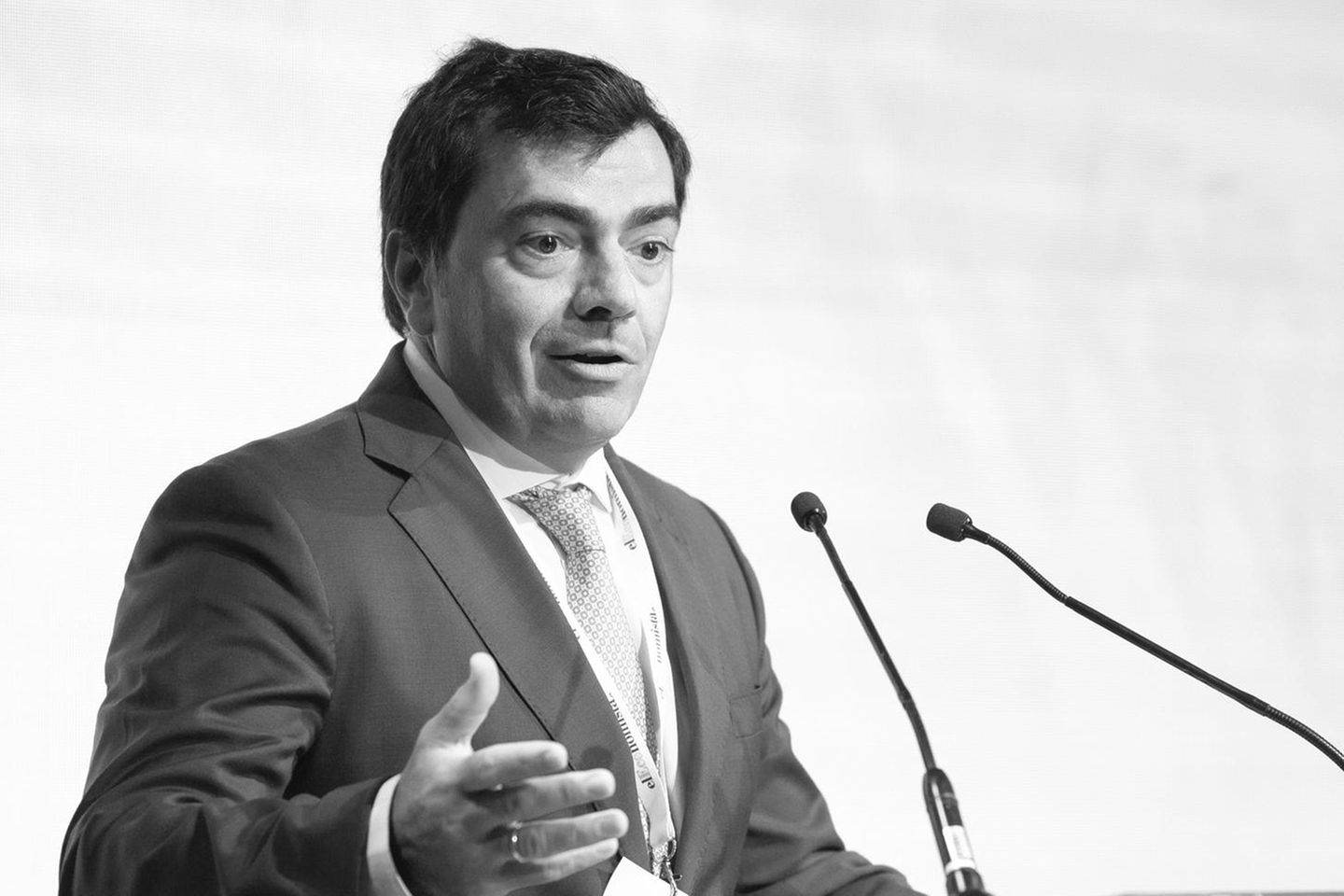
Agustín Escobar’s executive leadership at Siemens exemplifies how modern corporate stewardship honors a 175-year enterprise legacy while accelerating digital transformation. As CEO of Siemens Spain and a veteran executive in rail infrastructure and mobility, Escobar integrates sustainable engineering, industrial digitalization, and purpose-driven management to maintain Siemens’s position as a global pioneer in technology and infrastructure.
The Career Trajectory of Agustín Escobar at Siemens
Agustín Escobar’s career path reflects the rigorous technical foundation and international management experience required to direct complex industrial enterprises. Holding a degree in Industrial Engineering from the ICAI School of Engineering (Universidad Pontificia Comillas) in Madrid, Escobar developed an early focus on systems integration, energy networks, and transport infrastructure.
Over more than two decades within the Siemens group, Escobar has occupied executive positions across Latin America, North America, and Europe. His roles have spanned diverse operational domains, including power generation, smart grids, rail automation, and turnkey mobility solutions. Prior to his appointment as President and CEO of Siemens Spain in late 2022, he served as Chief Executive Officer of Siemens Mobility Southwestern Europe and CEO of Rail Infrastructure worldwide for Siemens Mobility.
Escobar’s executive progression demonstrates an ability to translate complex engineering challenges into viable commercial models. Throughout his tenure, he has overseen major infrastructure modernization projects, navigated shifts in regional energy markets, and implemented multi-billion-euro industrial strategies. This extensive operational history prepared him to lead one of Siemens’s most important European regional organizations, aligning local economic priorities with the group’s overarching global objectives.
Bridging Werner von Siemens’s Family Legacy with Modern Governance
To understand leadership at Siemens, one must examine the foundational principles established by Werner von Siemens, who co-founded the company in 1847. What began as a telegraph construction workshop in Berlin evolved into a multinational conglomerate by adhering to core values: long-term engineering excellence, ethical responsibility, worker welfare, and societal benefit. The Siemens family maintained an enduring influence through generations of stewardship, instilling an organizational culture that prioritizes sustainable success over brief financial cycles.
Modern professional executives like Agustín Escobar operate within this deep historic tradition. While Siemens AG today functions as a publicly traded global corporation, its operational philosophy remains rooted in the owner-family legacy of building technologies that serve society.
Escobar’s leadership style reflects this synthesis of traditional values and contemporary agility:
- Long-Term Value Creation: Prioritizing capital investments and technological research that yield stable, multi-decade returns rather than sacrificing operational health for short-term earnings.
- Ethical Enterprise Governance: Enforcing strict compliance standards, environmental responsibilities, and transparent stakeholder communication across all business units.
- Societal Responsibility: Aligning industrial strategies with public interests, such as regional job creation, workforce reskilling, and national decarbonization goals.
- Innovation as Heritage: Viewing innovation not as a sudden trend, but as an ongoing duty to solve structural societal problems through applied science.
By embedding these principles into daily business operations, Escobar ensures that Siemens Spain honors its founding roots while leading modern industrial sectors.
Key Strategic Pillars of Innovation: Digitalization, Mobility, and Sustainability
Under Agustín Escobar’s strategic direction, Siemens Spain has concentrated its operations on three intersecting vectors: industrial digitalization, sustainable transport mobility, and energy transition infrastructure. These pillars represent both the highest growth opportunities for the firm and the primary decarbonization levers for regional industry.
- Industrial Digitalization (OT/IT)
- Sustainable Mobility & Smart Rail Automation
- Smart Infrastructure & Energy Transition
1. Industrial Digitalization and the Industrial Metaverse
Escobar has consistently championed the convergence of Operational Technology (OT) with Information Technology (IT). Siemens utilizes software solutions, such as the Siemens Xcelerator platform, to enable manufacturing firms, utilities, and infrastructure operators to create comprehensive digital twins. These virtual models replicate physical assets—ranging from single machinery units to entire factories—allowing real-time monitoring, predictive maintenance, and operational optimization.
Through the integration of Artificial Intelligence (AI) and Edge Computing, industrial clients can simulate design changes and energy workflows in a virtual environment before making capital expenditures in physical hardware. This reduction in resource consumption directly supports both economic efficiency and environmental targets.
2. Sustainable Mobility and Smart Infrastructure
Having spent a significant portion of his career directing rail infrastructure systems, Escobar treats transport decarbonization as a cornerstone of modern industrial planning. Under his direction, Siemens Mobility has expanded its delivery of automated train control systems, railway electrification solutions, and digital signaling technologies across Southern Europe.
Smart mobility initiatives focus on increasing rail capacity and reliability without requiring extensive, environmentally invasive physical construction. By deploying advanced signaling (such as ERTMS Level 2) and automated traffic management software, rail networks can run trains at higher frequencies with lower energy usage per passenger-kilometer.
3. Energy Transition and Decarbonized Grids
The rapid expansion of renewable energy sources—such as solar and wind—requires electricity grids to handle unprecedented volatility and decentralized power inputs. Escobar’s strategy emphasizes grid software, smart transformers, and grid edge technologies that enable distribution system operators to balance supply and demand dynamically.
Furthermore, Siemens works directly with commercial real estate operators and heavy manufacturing facilities to deploy microgrids, energy management software, and building automation systems. These technologies decrease operational carbon footprints while protecting facilities against energy price volatility.
Leadership Philosophy: People, Purpose, and Organizational Transformation
Technological capability alone is insufficient to drive enterprise-wide transformation; organizational culture must evolve in parallel. Agustín Escobar’s leadership philosophy focuses heavily on workforce development, flat hierarchy communication, and psychological safety within engineering teams.
Escobar stresses that digital transformation is primarily a human transformation. As industrial processes become software-defined, traditional workforce skills must be augmented through continuous learning programs. Siemens Spain invests in internal upskilling initiatives, training legacy mechanical and electrical engineers in software design, data analytics, cybersecurity, and cloud architecture.
- Empowered Workforce & Continuous Upskilling
- Purpose-Driven ESG Decision-Making
- Open Ecosystems & Co-Innovation
Key principles of Escobar’s organizational leadership include:
- Empowerment and Autonomy: Trusting decentralized execution teams to solve client problems rapidly without navigating bureaucratic approval bottlenecks.
- Cross-Disciplinary Collaboration: Breaking down operational silos between hardware engineering divisions and software development teams to create integrated product solutions.
- Ecosystem Co-Innovation: Recognizing that complex modern problems cannot be solved in isolation. Escobar actively forms strategic partnerships with universities, research centers, industrial clients, and public institutions to foster open innovation ecosystems.
Key Strategic Dimensions of Agustín Escobar’s Leadership Framework
The following matrix outlines the strategic priorities, core focus areas, implementation mechanisms, and long-term impacts that define Agustín Escobar’s leadership approach within Siemens:
| Strategic Dimension | Core Focus Area | Implementation Mechanism | Long-Term Industrial Impact |
|---|---|---|---|
| Digital Ecosystems | Industrial OT/IT Convergence | Deployment of Siemens Xcelerator platform and digital twin applications across manufacturing. | Accelerated operational efficiency, reduced factory downtime, and lowered raw material waste. |
| Mobility Modernization | Decarbonized Rail & Smart Transport | ERTMS signaling, main-line electrification, and digital fleet management systems. | Higher capacity rail transport, reduced carbon emissions per transport kilometer, and safer operations. |
| Energy Decarbonization | Grid Automation & Smart Infrastructure | Microgrids, grid edge technology, and automated building management platforms. | Integration of decentralized renewable energy without compromising national grid stability. |
| Cultural Transformation | Talent Reskilling & Lifelong Learning | Internal training academies focusing on AI, cloud architecture, and industrial cybersecurity. | Resilient workforce capable of adapting to rapid technological shifts across industrial cycles. |
| Corporate Governance | ESG Alignment & Heritage Values | Structuring regional business metrics around verified carbon reduction and ethical compliance. | Sustainable, long-term enterprise growth aligned with European decarbonization goals. |
Evolution of Industrial Leadership: Legacy Manufacturing vs. Digital-First Transformation
The transition from 20th-century heavy manufacturing to 21st-century software-driven industry requires a fundamental shift in executive management. The table below illustrates how leadership approaches have evolved from traditional models to the digital-first environment championed by executives like Escobar:
- Traditional Industrial Model
- Hardware-Only Focus
- Siloed Business Units
- Reactive Maintenance
- Asset Ownership Priority
- Digital-First Integrated Model
- Hardware + Software Twins
- Connected Ecosystems
- Predictive AI Analytics
- Outcome-Based Services
Under legacy models, industrial companies focused predominantly on selling hardware assets—turbines, trains, switchgear, and motors. Revenue models depended on transaction volume and scheduled maintenance intervals.
In contrast, modern digital leadership views hardware as the physical substrate for intelligent software. Equipment is continuously connected, generating telemetry data that informs real-time adjustments, operational optimization, and outcome-based business contracts. This evolution allows industrial organizations to transition from transactional vendors to strategic technology partners, driving efficiency throughout an asset's complete lifecycle.
Frequently Asked Questions
Who is Agustín Escobar and what is his role within Siemens?
Agustín Escobar is an experienced industrial engineer and senior executive who serves as the President and CEO of Siemens Spain. With over two decades of global leadership within the Siemens group, he has previously directed international rail infrastructure businesses and regional mobility divisions across Southwestern Europe.
How does Siemens preserve its founding family legacy in modern corporate governance?
Siemens preserves its 175-year founding legacy by embedding long-term value creation, technological innovation, ethical compliance, and societal welfare into its corporate governance. Although Siemens is a publicly traded conglomerate, its executive leadership maintains the founding vision of Werner von Siemens by focusing on technology that solves fundamental infrastructure and environmental challenges.
What role does Agustín Escobar play in driving industrial sustainability and green mobility?
Agustín Escobar leads initiatives focused on decarbonizing public transport and industrial operations. Through the deployment of modern rail signaling systems, main-line electrification, grid automation, and smart building management software, his leadership helps regional utilities, transport operators, and manufacturers lower carbon emissions and improve resource efficiency.
What are the main technological focus areas under Agustín Escobar’s leadership?
The primary technological focus areas include industrial digitalization via the Siemens Xcelerator platform, digital twin simulation, artificial intelligence at the industrial edge, automated rail signaling (such as ERTMS), smart grid infrastructure, and energy management systems for smart cities.
How does Siemens’s strategy in Spain influence its global innovation agenda?
Siemens Spain serves as an operational benchmark and competence center for key infrastructure, energy, and mobility projects across Southern Europe. The regional innovations developed in industrial digitalization and transport automation are integrated into Siemens's global technology portfolio, serving as scalable models for other international markets.
Navigating Industrial Transformation: Strategic Guidance for Executive Leaders
For corporate leaders, industrial managers, and engineering executives seeking to balance enterprise heritage with rapid digital adaptation, Agustín Escobar’s management model offers practical strategic takeaways:
- Anchor Innovation to Core Enterprise Heritage: Do not pursue technological trends in isolation. Frame digital adoption as a continuous evolution of your organization's historic mission and core capabilities.
- Unify Physical Hardware with Software Solutions: Move beyond viewing products solely as physical units. Build software layers, digital twins, and connectivity into assets to unlock ongoing operational value for end users.
- Invest Heavily in Human Talent Reskilling: Recognize that technological investments fail without cultural alignment. Establish structured training programs to equip existing engineering workforces with software, data analysis, and cybersecurity skills.
- Prioritize Measurable ESG Outcomes: Incorporate environmental sustainability and governance metrics directly into project ROI calculations. Build solutions that lower resource consumption while delivering measurable economic returns.
- Build Open Collaborative Ecosystems: Engage with external research centers, software developers, and public entities. Complex industrial challenges—such as energy transition and urban transit—require multi-stakeholder partnerships rather than proprietary isolation.
By combining the structural integrity of a historic enterprise legacy with agile, digital-first execution, leaders can successfully navigate industrial shifts while creating sustainable long-term value.