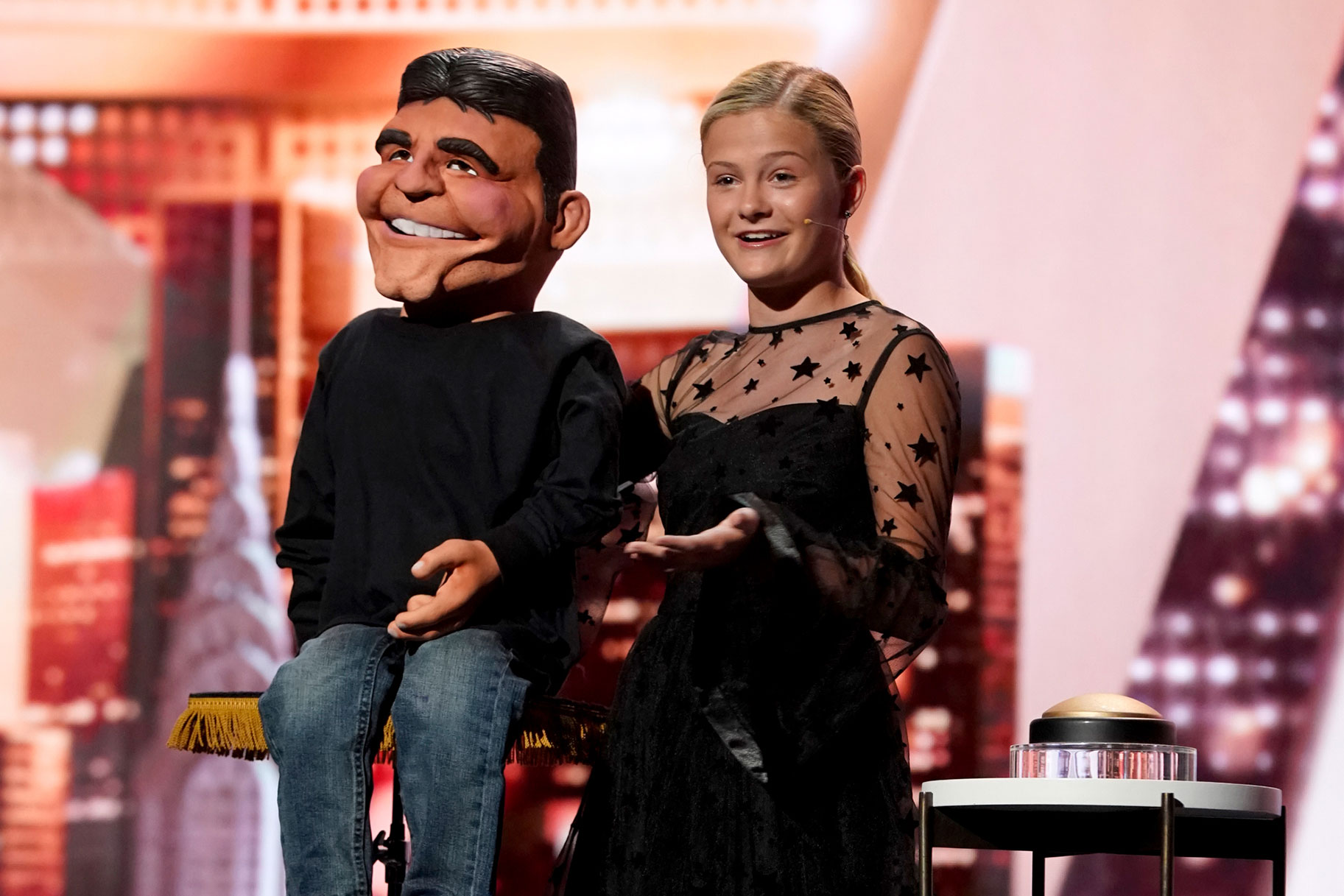
Since its debut in 2006, America's Got Talent (AGT) has crowned diverse champions across vocal performance, ventriloquism, magic, dance, and animal acts. Winning the competition earns acts a headline opportunity on the Las Vegas Strip alongside a $1 million grand prize, transforming amateur performers into international headline acts.
The Evolution of America's Got Talent Champions
When America's Got Talent premiered on NBC, the show filled a distinct void in broadcast television by opening its stage to acts of any age, group size, or performance discipline. Early seasons leaned heavily toward traditional musical acts and vocalists, reflecting the prevailing television trends established by singing competitions of the era. However, as the series matured under executive producer Simon Cowell, the voting public increasingly gravitated toward specialized variety disciplines, visual illusionists, and narrative-driven acts.
The structural rules of the competition have undergone notable revisions since Season 1. The introduction of the Golden Buzzer in Season 9—and its subsequent evolution allowing judges and hosts to send acts straight to the live performance rounds—fundamentally altered how champions emerge. Golden Buzzer recipients frequently build early momentum with viewers, establishing high media visibility long before the finale votes are cast. Additionally, the expansion of digital voting through mobile applications and social media platforms democratized viewer participation, allowing real-time engagement across multiple time zones.
Despite changing broadcast formats and judging panel adjustments, the core objective of the show remains identical: discovering a versatile live act capable of headlining a high-profile venue on the Las Vegas Strip. The variety of champions over nearly two decades demonstrates how audience preferences have expanded beyond conventional vocalists to embrace complex stagecraft, comedic puppetry, and high-energy choreographic groups.
Complete List of AGT Season Winners
The historical registry of AGT champions spans decades of broadcast television, capturing shifts in popular entertainment trends and talent discovery. The table below outlines every main-season winner, their primary act classification, and their winning performance style.
| Season | Year | Winner Name | Act Category | Primary Performance Style |
|---|---|---|---|---|
| Season 1 | 2006 | Bianca Ryan | Vocalist | Pop / Operatic Vocals |
| Season 2 | 2007 | Terry Fator | Ventriloquist | Singing Ventriloquism & Impressions |
| Season 3 | 2008 | Neal E. Boyd | Vocalist | Classical Opera |
| Season 4 | 2009 | Kevin Skinner | Vocalist | Country Music |
| Season 5 | 2010 | Michael Grimm | Vocalist | Soul / Blues Vocals |
| Season 6 | 2011 | Landau Eugene Murphy Jr. | Vocalist | Jazz / Big Band Standards |
| Season 7 | 2012 | Olate Dogs | Animal Act | High-Speed Canicross & Acrobatics |
| Season 8 | 2013 | Kenichi Ebina | Performance Art | Martial Arts / Dance Illusion |
| Season 9 | 2014 | Mat Franco | Magician | Close-Up & Stage Illusions |
| Season 10 | 2015 | Paul Zerdin | Ventriloquist | Comic Ventriloquism |
| Season 11 | 2016 | Grace VanderWaal | Singer-Songwriter | Original Folk-Pop / Ukulele |
| Season 12 | 2017 | Darci Lynne Farmer | Ventriloquist | Musical Ventriloquism |
| Season 13 | 2018 | Shin Lim | Magician | Sleight-of-Hand Card Magic |
| Season 14 | 2019 | Kodi Lee | Vocalist / Pianist | Soul / Pop Musical Performance |
| Season 15 | 2020 | Brandon Leake | Spoken Word | Poetry & Dramatic Monologue |
| Season 16 | 2021 | Dustin Tavella | Magician | Storytelling Magic |
| Season 17 | 2022 | Mayyas | Dance Group | Synchronized Precision Dance |
| Season 18 | 2023 | Adrian Stoica & Hurricane | Animal Act | Freestyle Dog Tricks & Comedy |
| Season 19 | 2024 | Richard Goodall | Vocalist | Classic Rock Vocals |
Each season reflects specific shifts in voting dynamics. While vocalists dominated the early years of the competition, non-singing variety acts began securing victories more regularly starting in Season 7, demonstrating the electorate's growing preference for unique live spectacle over standard concert routines.
Performance Category Breakdown: What Acts Win Most Often?
An analysis of AGT winners shows distinct patterns regarding which talent categories resonate most strongly with the voting public. While thousands of acts audition across diverse genres, champions consistently fall into four major classifications:
Vocalists and Solo Singers
Vocalists represent the single largest group of winners in AGT history. Solo singers possess an inherent advantage in emotional connection; a three-minute song allows performers to deliver a complete dramatic arc. However, successful singers on AGT often distinguish themselves from contestants on single-genre vocal shows by incorporating unique arrangements, instrumental mastery, or compelling personal journeys.
Ventriloquists
While fewer ventriloquists audition compared to singers, their conversion rate to final victory is exceptionally high. Ventriloquism acts—exemplified by Terry Fator, Paul Zerdin, and Darci Lynne Farmer—combine comedic timing, technical vocal control, character design, and musical ability. This multi-layered skill set frequently earns wide support across demographic groups during live finale voting.
Magicians and Illusionists
Magic acts achieved unprecedented success starting with Mat Franco in Season 9. Prior to his victory, illusionists often struggled to translate stage magic through television screens. Contemporary winners like Shin Lim and Dustin Tavella restructured the medium by focusing on close-up sleight-of-hand paired with cinematic camera work, narrative storytelling, and precise musical synchronization, proving that close-up wizardry can captivate arena audiences.
Variety, Novelty, and Dance Acts
Acts falling outside traditional music or magic disciplines—such as the acrobatic canine routines of the Olate Dogs and Adrian Stoica & Hurricane, the solo visual movement of Kenichi Ebina, or the synchronized group choreography of Mayyas—face high technical thresholds. To win, these acts must continuously innovate their props, staging, and routines every round to maintain visual novelty for home viewers.
AGT Champion Category Distribution (Historical Overview):
- Vocalists / Singers
- Ventriloquists
- Magicians / Illusionists
- Novelty / Animal / Dance
Financial Realities and Post-Show Career Trajectories
A common misconception among viewers involves the immediate cash payout awarded to the champion. The advertised "$1,000,000 grand prize" is subject to specific distribution terms detailed in the show's financial disclosures.
Winners are typically presented with two payment options upon winning:
- Annuity Option: The $1,000,000 is paid out as a taxable financial annuity over 40 years, yielding approximately $25,000 per year before federal and state tax withholdings.
- Lump-Sum Option: The winner can elect to receive the present cash value of the annuity in a single payment. This lump sum varies based on prevailing interest rates but typically ranges between $300,000 and $450,000 before applicable taxes.
Consequently, long-term financial success for AGT champions depends heavily on their post-show commercial endeavors rather than the cash prize alone.
AGT Grand Prize Choices:
- 40-Year Financial Annuity
- $25,000 gross per year
- Taxed annually over 40 years
- Provides long-term stability
- Lump-Sum Cash Option
- Present value equivalent
- Taxed fully in year received
- Provides upfront capital
Commercial Career Benchmarks
The commercial trajectories of AGT champions vary based on act sustainability and venue suitability:
- Terry Fator (Season 2): Fator leveraged his victory into one of the most lucrative entertainment deals in Las Vegas history, signing a multi-year, nine-figure residency contract at the Mirage Hotel and Casino, followed by continued headlining engagements across Nevada.
- Mat Franco (Season 9): Franco established a long-running residency at The LINQ Hotel + Casino in Las Vegas, creating a custom theater designed specifically for close-up stage magic.
- Shin Lim (Season 13): Lim secured headlining runs at The Mirage and later the Venetian Theatre, combining his winning AGT routines with expanded theatrical production values.
- Grace VanderWaal (Season 11): VanderWaal transitioned into mainstream recording contracts, major film roles, and multi-city concert tours, demonstrating how young original songwriters can build traditional music careers through talent show exposure.
Key Factors That Influence an AGT Victory
Winning America's Got Talent requires a strategic combination of talent execution, song choice, stage production, and audience connection. Analysis of voting trends reveals several recurring variables that characterize winning campaigns:
- Repertoire Selection and Pacing: Performers who pace their best material across the audition, Judge Cuts/Golden Buzzer rounds, semifinals, and finals maintain competitive interest without exhausting their strongest material early.
- Emotional Resonance: Contestants who share authentic personal motivations, overcome physical adversity, or present clear artistic visions build stronger voter loyalty than technically proficient acts lacking narrative framing.
- Stage Staging and Production Alignment: Successful acts work effectively with the show's artistic directors to scale their stage presence, incorporating lighting design, background visuals, and musical orchestration that elevate simple routines into stadium-grade performances.
- Voter Demographic Reach: Because AGT appeals to a broad, family-focused viewing audience, winning acts generally deliver family-friendly content that appeals equally across age groups.
Frequently Asked Questions
What is the actual payout for winning America's Got Talent?
The advertised $1 million prize is payable as an annuity over 40 years ($25,000 per year before taxes) or as a single lump-sum payout equal to the present cash value of that annuity, which typically amounts to between $300,000 and $450,000 before taxes.
Who is the most financially successful AGT winner?
Ventriloquist Terry Fator (Season 2) is widely recognized as the most commercially successful AGT winner. His victory led to a historic $100 million five-year contract at The Mirage in Las Vegas, establishing a long-term career that generated substantial earnings over decades of performance.
Can international acts win America's Got Talent?
Yes, non-U.S. citizens and international acts are eligible to compete and win. Notable international champions include Paul Zerdin (United Kingdom, Season 10), Mayyas (Lebanon, Season 17), and Adrian Stoica & Hurricane (Italy, Season 18).
How does receiving a Golden Buzzer affect an act's chances of winning?
Receiving a Golden Buzzer guarantees an act direct entry into the live performance rounds, granting them immediate national visibility and significant promotional exposure. Several winners, including Grace VanderWaal, Kodi Lee, Brandon Leake, and Mayyas, earned Golden Buzzers during their respective seasons.
What happens to the Las Vegas show prize?
The headline show prize grants the winner the opportunity to headline a limited run of live performances in Las Vegas, typically produced in partnership with the show's production companies. The duration, format, and venue of the performance residency vary by season and act capability.
Has a magician ever won AGT back-to-back seasons?
While magic acts have won multiple seasons, a magician has not won in consecutive back-to-back years. Mat Franco won Season 9 (2014), Shin Lim won Season 13 (2018), and Dustin Tavella won Season 16 (2021). However, Shin Lim did win back-to-back titles across different series iterations: AGT Season 13 and America's Got Talent: The Champions Season 1.
Operational Takeaways for Performers and Media Analysts
For live performers evaluating competitive talent shows or analysts evaluating broadcast trends, the data behind America's Got Talent winners highlights clear strategic patterns:
- Focus on Original Adaptation: Successful acts rarely perform direct covers or standard magic routines. Winners consistently re-imagine existing media or perform original material tailored specifically to their personal brand.
- Prepare a Multi-Stage Portfolio: Auditioning acts must prepare at least four to five distinct, fully rehearsed performance modules of escalating technical difficulty to survive the full competition arch.
- Understand Live Production Metrics: Variety acts must ensure their physical props, digital backgrounds, and timing cues translate clearly to broadcast television screens, as home viewer votes Ultimately decide the champion.