An agriculture profile is a structured data set or document that aggregates essential information regarding a specific farm, agricultural enterprise, or regional land tract. It serves as a foundational assessment tool for landowners, investors, and regulatory bodies to evaluate operational capacity, resource health, historical productivity, and environmental compliance, facilitating informed decision-making in modern farming.
Understanding the Role of an Agriculture Profile
In the context of modern agricultural management, an agriculture profile acts as a digital or physical dossier that synthesizes diverse inputs into a coherent operational narrative. Unlike a simple balance sheet, an agriculture profile incorporates physical land attributes, soil chemistry, climate data, and infrastructure logs to provide a holistic view of an asset. For a farm owner, this document is a prerequisite for securing financing, participating in government incentive programs, or planning long-term succession.
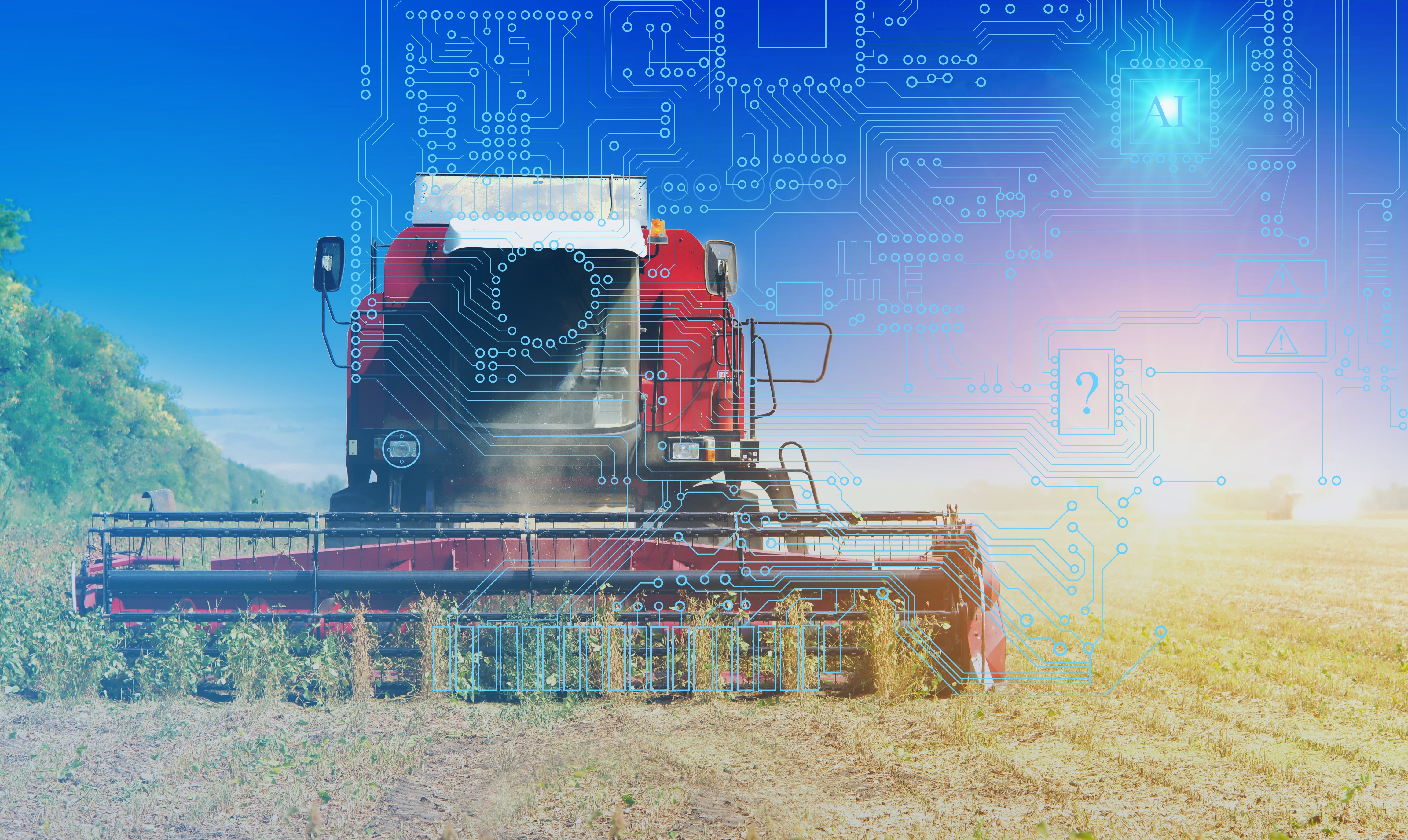
For stakeholders evaluating land for acquisition or sustainable investment, the profile acts as a due diligence gateway. By consolidating historical cropping patterns, irrigation access rights, and current land-use designations, the document minimizes information asymmetry between the seller and the prospective buyer. In 2026, as data-driven precision agriculture becomes standard, these profiles are increasingly integrated with real-time telematics from autonomous machinery and IoT-enabled moisture sensors.
Essential Components of a Standard Agriculture Profile
A robust agriculture profile must be comprehensive to be useful for external review. While specific requirements vary by region and purpose, most professional-grade profiles include the following core components:
- Land Tenure and Legal Status: Documentation of land ownership, zoning classifications, easements, and current lease agreements.
- Topographic and Soil Data: Detailed soil maps, drainage patterns, slope analysis, and history of nutrient amendments.
- Operational History: A multi-year record of crop rotations, pest management interventions, and yield outputs.
- Infrastructure Inventory: Status reports on silos, irrigation systems, fencing, processing facilities, and on-site energy hardware.
- Financial and Regulatory Standing: Compliance records regarding water rights, environmental permits, and active tax-advantaged designations.
Data Collection and Verification Strategies
The integrity of an agriculture profile depends entirely on the accuracy of the underlying data. When assembling a profile, professionals prioritize verifiable documentation over anecdotal evidence. Utilizing standardized forms from local agricultural extension offices or land-grant universities is recommended to ensure that all metrics meet regional norms.
Verification should be conducted systematically. For instance, instead of relying on historical seed sales to estimate past yields, one should cross-reference delivery receipts with inventory logs. Soil quality reports should be derived from certified third-party laboratory analyses, preferably spanning the previous three to five years to account for seasonal variability. In 2026, satellite-based remote sensing data, such as Normalized Difference Vegetation Index (NDVI) imagery, is frequently appended to profiles to validate historical crop health claims that might otherwise be unverifiable.
Comparative Assessment of Profile Documentation Types
The format of an agriculture profile changes depending on the primary intent of the user. Below is a comparison of common profiles used in the sector today.
| Profile Type | Primary Audience | Key Focus Areas | Typical Documentation Requirements |
|---|---|---|---|
| Operational/Managerial | Farm Managers | Efficiency, maintenance, labor, inputs | Equipment logs, labor schedules, input costs |
| Financial/Investment | Banks, Investors | ROI, collateral value, risk mitigation | Audited statements, land appraisals, tax filings |
| Regulatory/Compliance | Government Agencies | Environmental, safety, water rights | Usage permits, nutrient management plans |
| Certification/Organic | Auditors, Consumers | Process integrity, input traceability | Organic certification logs, seed source tracking |
Identifying and Mitigating Operational Risks
A significant function of the agriculture profile is the identification of potential liabilities. A thorough profile explicitly documents not just the strengths of the land, but also the inherent limitations. This includes known soil contamination risks, persistent pest or pathogen pressures, and susceptibility to extreme weather events such as flooding or drought.
By documenting these risks, the land manager is better positioned to implement proactive mitigation strategies. For example, if the profile identifies an area with high erosion potential, the corresponding management section should outline the specific cover cropping or terracing interventions currently in place. This transparency is crucial for maintaining insurance eligibility, as underwriters frequently request these specific profiles to determine premium structures for crop-loss and property insurance policies.
Managing Environmental and Regulatory Compliance
In 2026, the intersection of agriculture and environmental policy necessitates that an agriculture profile serves as a repository for compliance data. This includes demonstrating adherence to nitrogen runoff limitations, water withdrawal caps, and biodiversity conservation mandates. Failure to maintain accurate, up-to-date documentation in these areas can result in the revocation of operating licenses or the loss of eligibility for government-backed agricultural subsidies.
A best practice is to maintain a "living profile" that is updated annually at the close of the harvest cycle. This ensures that when regulatory deadlines approach, the farmer does not need to scramble to aggregate records. Instead, they can present a consolidated, pre-verified document that reflects the current state of the operation, significantly reducing the administrative burden of audits and inspections.
Leveraging Profiles for Future Planning
Ultimately, the most valuable application of an agriculture profile is in long-term strategic planning. By analyzing five to ten years of profile data, owners can identify long-term trends—such as shifting rainfall patterns or declining soil health—that are not visible on a year-to-year basis. This longitudinal analysis allows for the intentional investment in infrastructure or the adoption of new technologies that align with the long-term sustainability of the land.
Furthermore, for families managing multi-generational farms, the profile serves as a pedagogical tool, providing the next generation with a clear, documented history of the land’s capabilities. It allows for evidence-based discussions about which parcels of land are best suited for intensive cultivation and which should be returned to fallow or conservation status.
Frequently Asked Questions
How often should an agriculture profile be updated?
An agriculture profile should be updated at least once per year, typically following the conclusion of the harvest season. However, any major changes—such as the acquisition of new machinery, significant capital improvements to infrastructure, or changes in legal ownership—should be documented immediately to ensure the profile remains accurate for financial or regulatory purposes.
Can an agriculture profile be used to secure bank loans?
Yes, most financial institutions require a detailed agriculture profile as part of the underwriting process for agricultural loans. Lenders use these profiles to verify the value of the collateral, assess the farm's historical performance, and determine the borrower's capacity to manage operational risks. A well-prepared profile often expedites the approval process.
What should be included in the financial section of a profile?
The financial section should include audited profit and loss statements, current debt-to-asset ratios, documentation of existing insurance coverage, and summaries of any government subsidies or grants received. It should also include a list of major assets, such as specialized farming equipment, with their respective maintenance records and current book values.
Is an agriculture profile the same as a farm management plan?
While related, they are not identical. A farm management plan is a proactive document that outlines future goals, budgets, and production targets. An agriculture profile is a retrospective and descriptive document that records the current state and history of the farm. A robust farm management plan relies on the accurate historical data provided by the agriculture profile.
How do I ensure my profile meets local environmental regulations?
To ensure compliance, you should request the current regulatory guidelines from your regional Department of Agriculture or environmental protection agency. Most agencies provide checklists or standardized reporting templates. If your farm is large or complex, it is advisable to hire an agricultural consultant to audit your profile against current statutes to avoid unintentional non-compliance.
Next Steps for Landowners
The most immediate action for any land manager without a centralized agriculture profile is to conduct a "data audit." Begin by gathering your last three years of property tax records, equipment service logs, and soil test results into a single physical or digital folder. Once these are organized, identify the missing segments required for your specific needs—such as financial audits or environmental compliance certifications—and prioritize them for completion over the next quarter. If you are managing large or complex operations, consult with an agricultural extension agent to verify that your record-keeping practices align with current best-in-class regional standards for 2026.