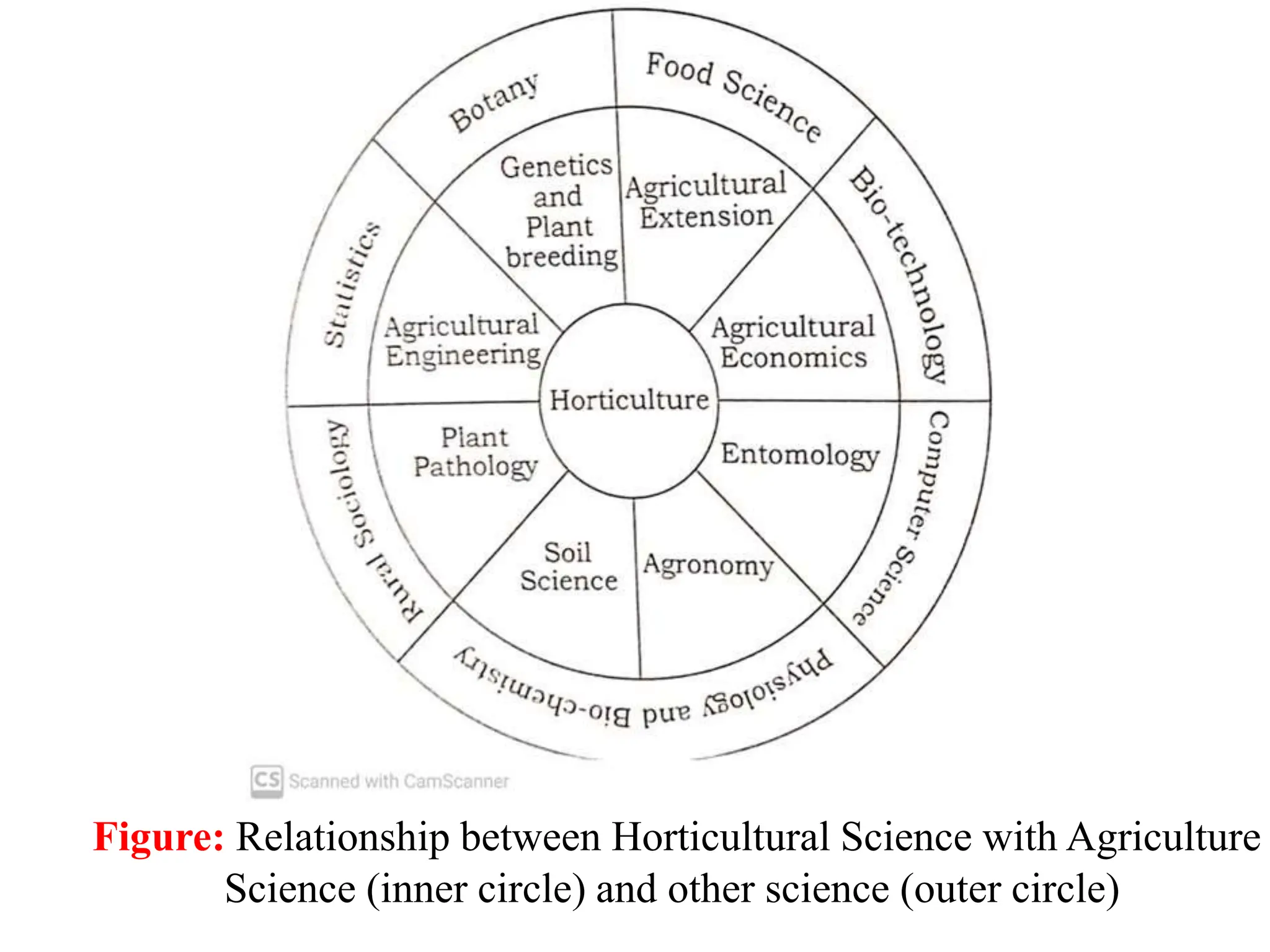
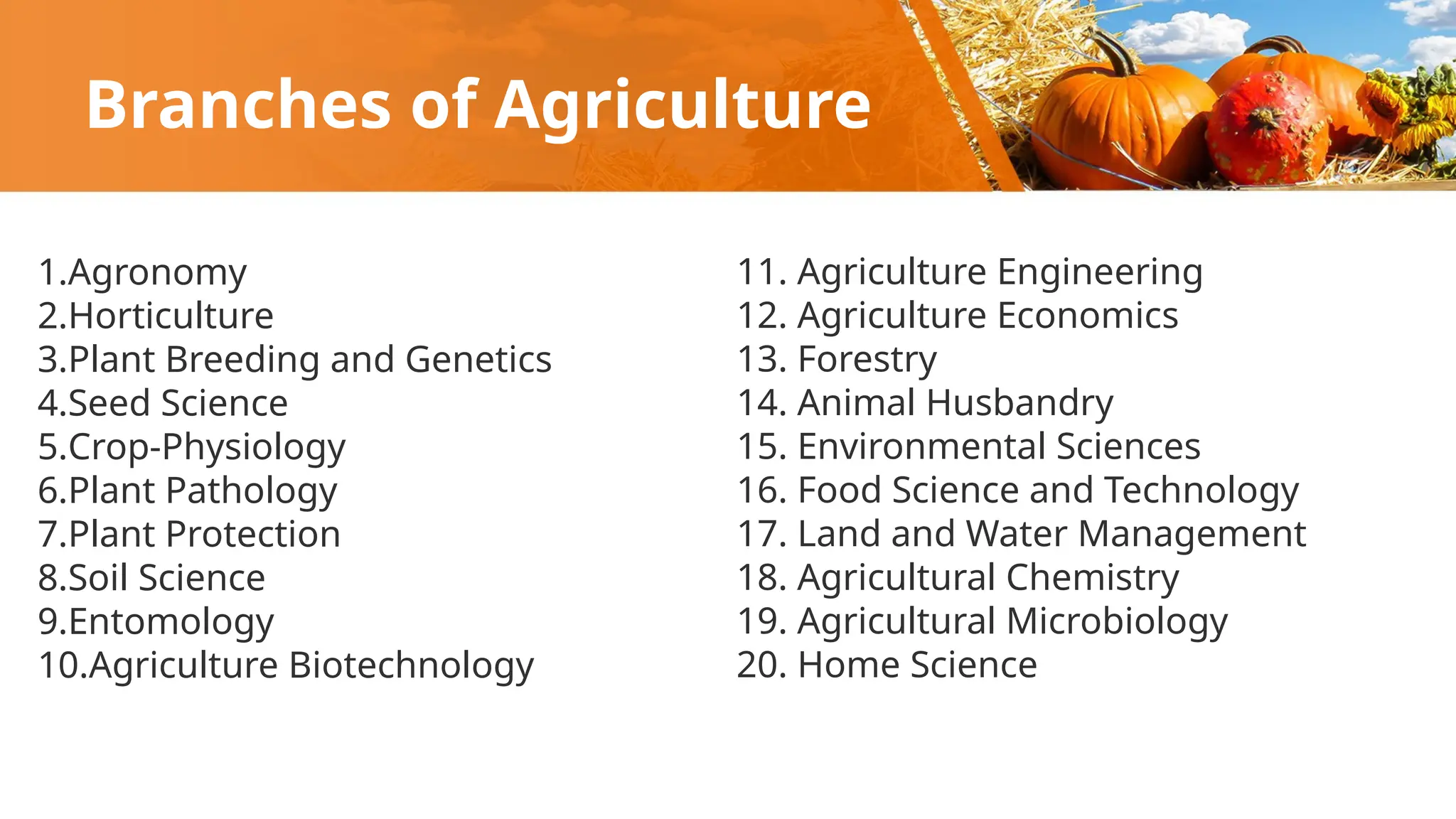
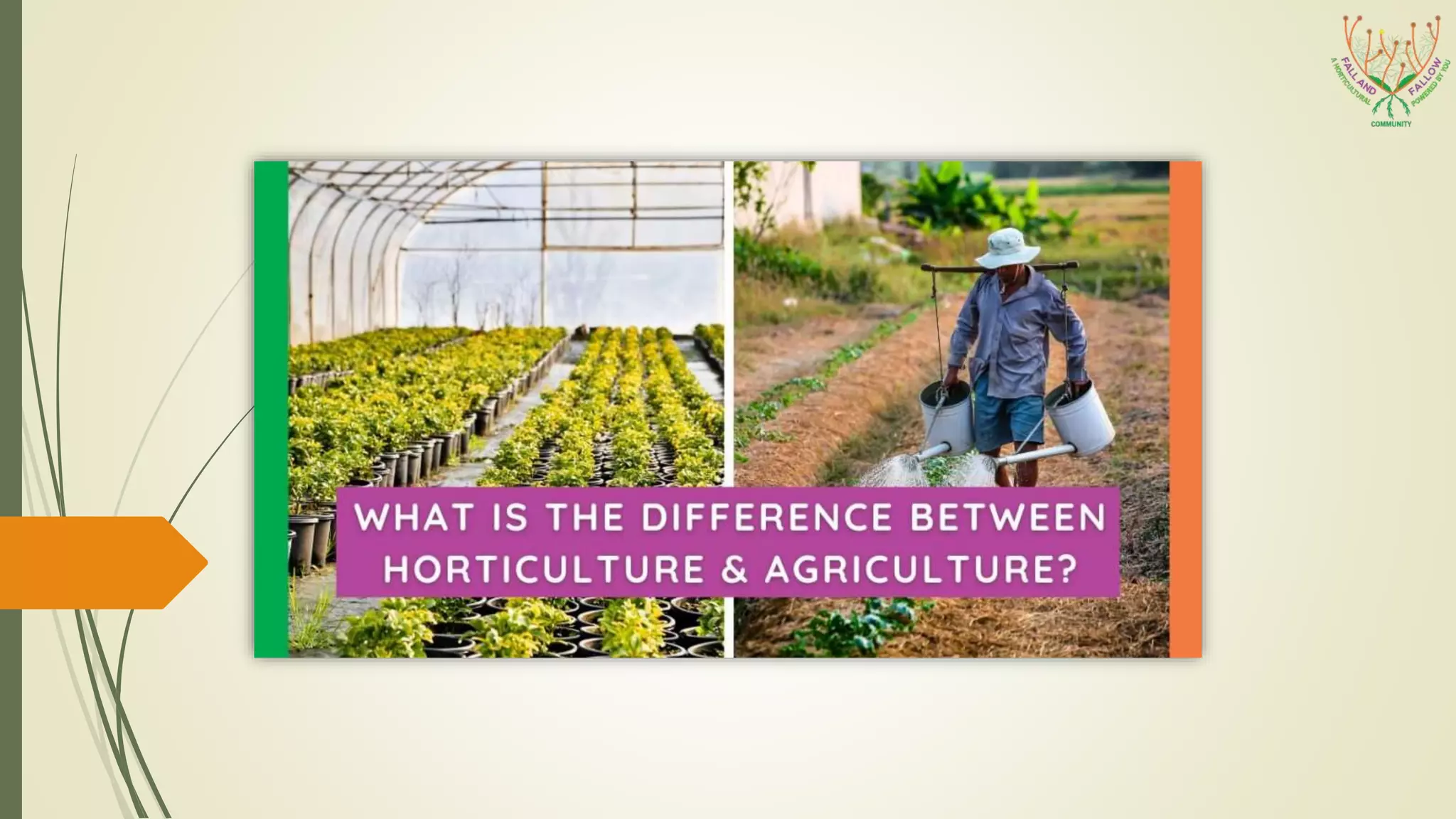
Agriculture and horticulture represent two distinct yet interconnected pillars of plant-based production systems. While agriculture focuses on large-scale cultivation of field crops for food, fiber, and fuel, horticulture centers on the intensive, high-value production of fruits, vegetables, flowers, and ornamental plants. Distinguishing between these fields is essential for optimizing land use, resource allocation, and achieving specific economic or subsistence yields.
Core Definitions and Scope of Practice
At its most fundamental level, agriculture—often referred to as agronomy or general farming—is the science and art of cultivating soil for the production of crops and the raising of livestock. It is typically characterized by large acreage, extensive management practices, and crops that are harvested in bulk. The primary objective in agriculture is the efficient production of staple commodities such as grains, oilseeds, and fiber crops, which are vital for global food security and industrial supply chains.
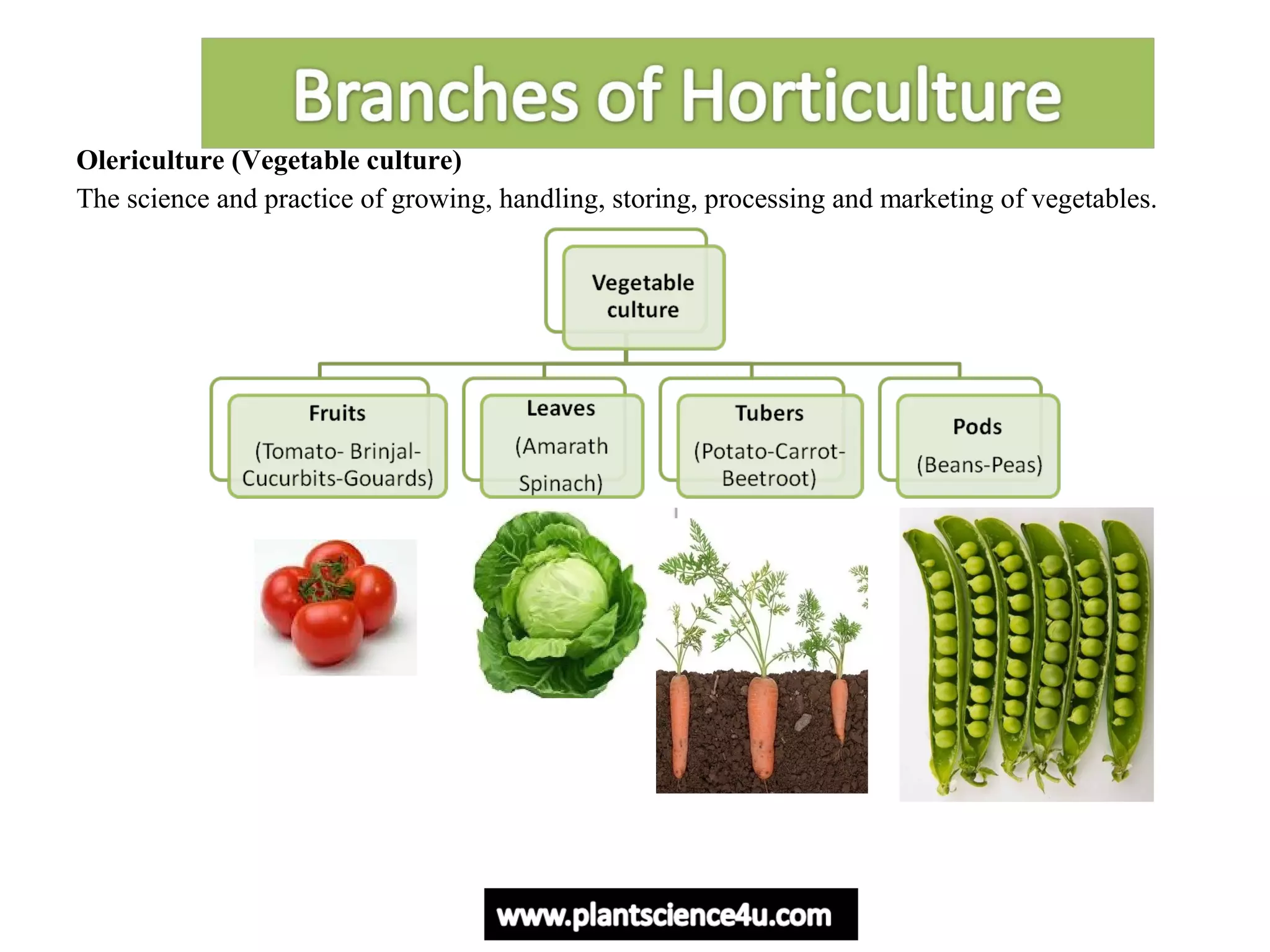
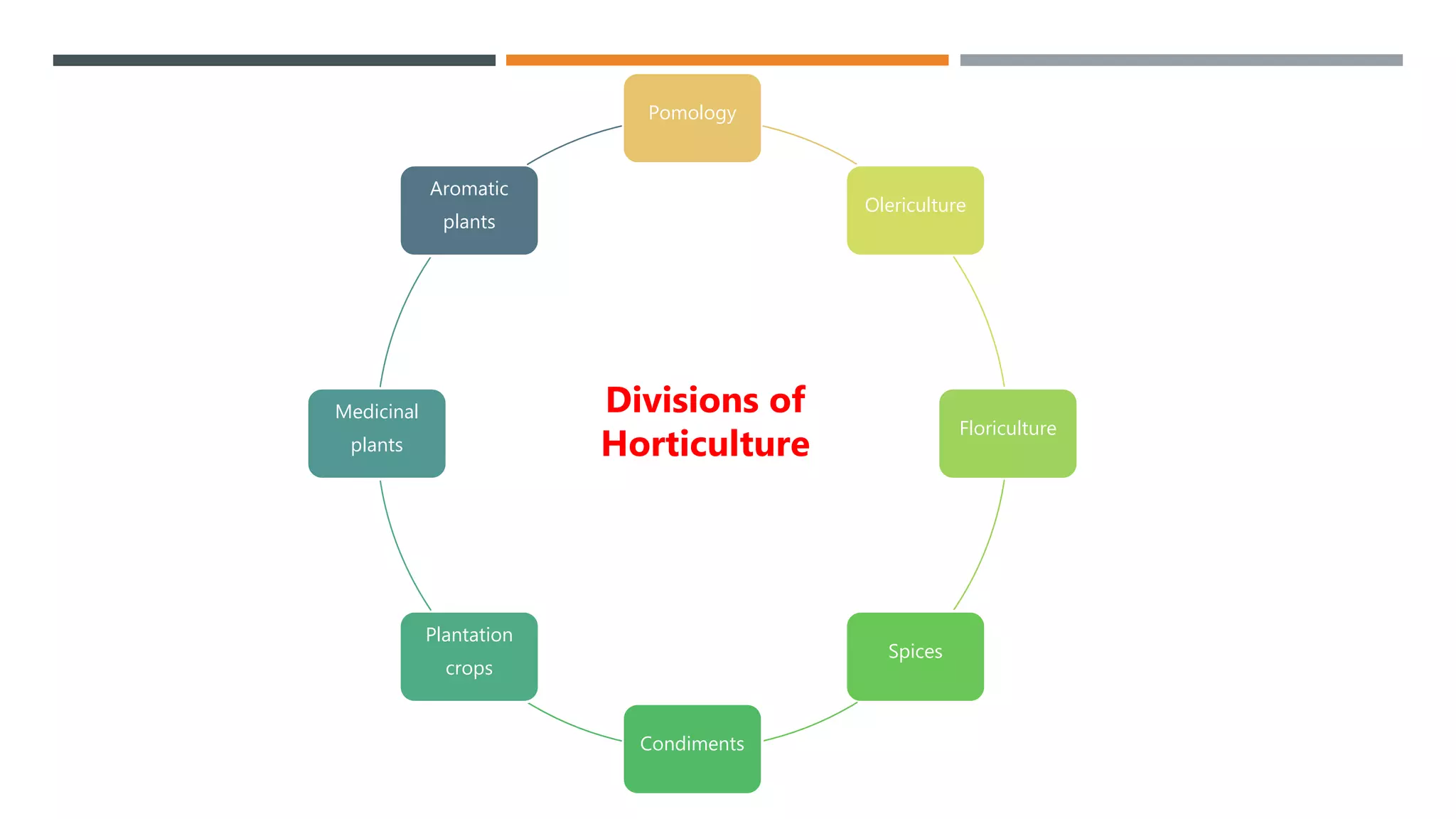
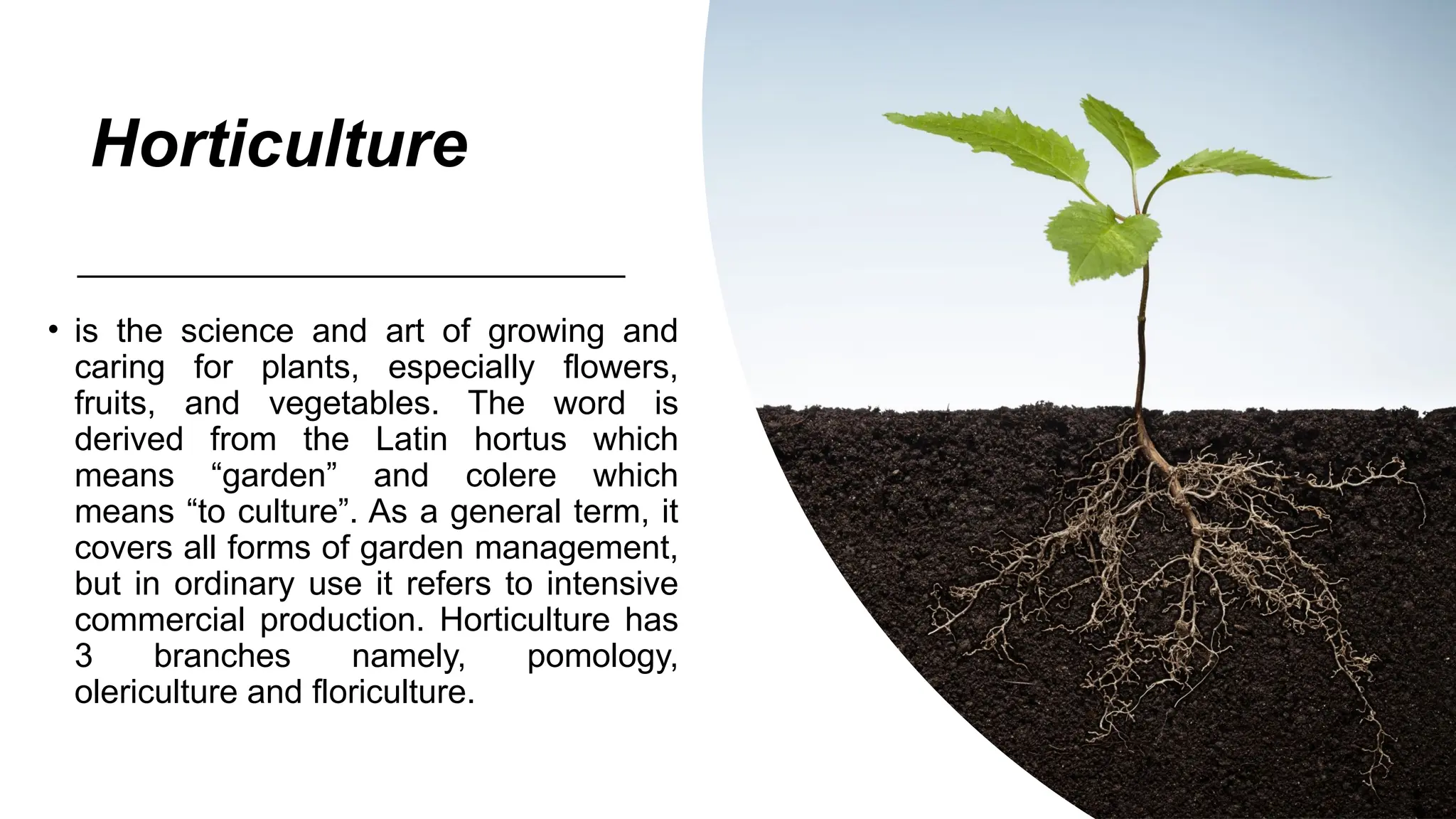
Horticulture, by contrast, is derived from the Latin hortus (garden) and cultura (culture). It is the branch of agriculture that involves the intensive cultivation of plants for human consumption, medicinal purposes, and aesthetic gratification. Horticultural systems are usually smaller in scale than agronomic operations and require more labor-intensive management techniques. These include precise irrigation, canopy management, specialized pruning, and protected environments such as greenhouses or high tunnels to optimize product quality and cosmetic appearance.
Key Operational Differences
The divergence between these two fields is best understood through their operational requirements and production philosophies. Agriculture relies heavily on mechanization to manage vast tracts of land, utilizing heavy machinery for planting, fertilizing, and harvesting. The biological focus is often on biomass yield per unit area for commodities that are generally shelf-stable or processed for longevity.
Horticulture operates on a higher level of technical specificity. Because horticultural products—such as fresh berries, cut flowers, or nursery stock—are often highly perishable and marketed based on appearance and flavor, the production process is significantly more nuanced.
Comparison of Production Systems
| Feature | Agriculture (Agronomy) | Horticulture |
|---|---|---|
| Land Scale | Extensive (Large acreage) | Intensive (Small to medium scale) |
| Primary Goal | Commodity production | High-value specialty products |
| Perishability | Low (Shelf-stable, storable) | High (Requires immediate market) |
| Labor Needs | Low-to-moderate (Automated) | High (Manual precision required) |
| Typical Crops | Wheat, maize, soy, cotton | Vegetables, fruits, ornamentals |
| Environmental Control | Open field | Often controlled/protected |
Technical Depth and Input Management
In 2026, both sectors are increasingly defined by precision technology, yet the application varies. Agricultural producers prioritize yield stability and input efficiency across thousands of acres. They utilize satellite imagery, yield monitoring, and variable rate technology to optimize the application of nitrogen, phosphorus, and potassium fertilizers over vast terrains.
Horticultural producers, however, focus on micro-climates. Technical management in horticulture includes the use of hydroponics, aeroponics, and automated climate control systems within greenhouses to manipulate temperature, humidity, and CO2 levels. Because the margin for error is smaller in horticultural crops—where a single disease outbreak or a cosmetic blemish can render a product unsellable—the level of monitoring is constant and highly localized.
Economic Impacts and Market Structure
The economic frameworks governing these sectors differ significantly. Agricultural crops are often traded on global commodities exchanges where prices are set by supply and demand trends, weather events in major producing nations, and geopolitical stability. The farmer is frequently a price-taker, meaning the global market dictates the profitability of the crop.
Horticultural sectors operate more frequently within niche markets, regional supply chains, and direct-to-consumer models. Because horticultural products are often destined for the fresh market, producers have more leverage in branding and marketing their specific varieties. The value-add in horticulture is found in freshness, variety, and specialized production methods (e.g., organic, pesticide-free, or heirloom varieties), which allow producers to command a premium price that is less correlated with global commodity market fluctuations.
Common Challenges and Resource Constraints
Both fields share significant challenges, most notably the requirement for sustainable water management. However, the strategies for addressing these challenges diverge:
- Water Usage: Agriculture often employs large-scale irrigation systems like center pivots, which focus on widespread water delivery. Horticulture, dealing with high-value crops, more commonly adopts drip irrigation or fertigation systems that deliver water and nutrients directly to the root zone to prevent waste and reduce fungal issues.
- Pest and Disease Management: In field crops, producers use Integrated Pest Management (IPM) to control outbreaks across large swaths of land. Horticulturalists face the added pressure of aesthetic standards; a market-ready apple or rose must not only be healthy but must also meet stringent visual criteria, leading to the use of specialized, often more frequent, protective interventions.
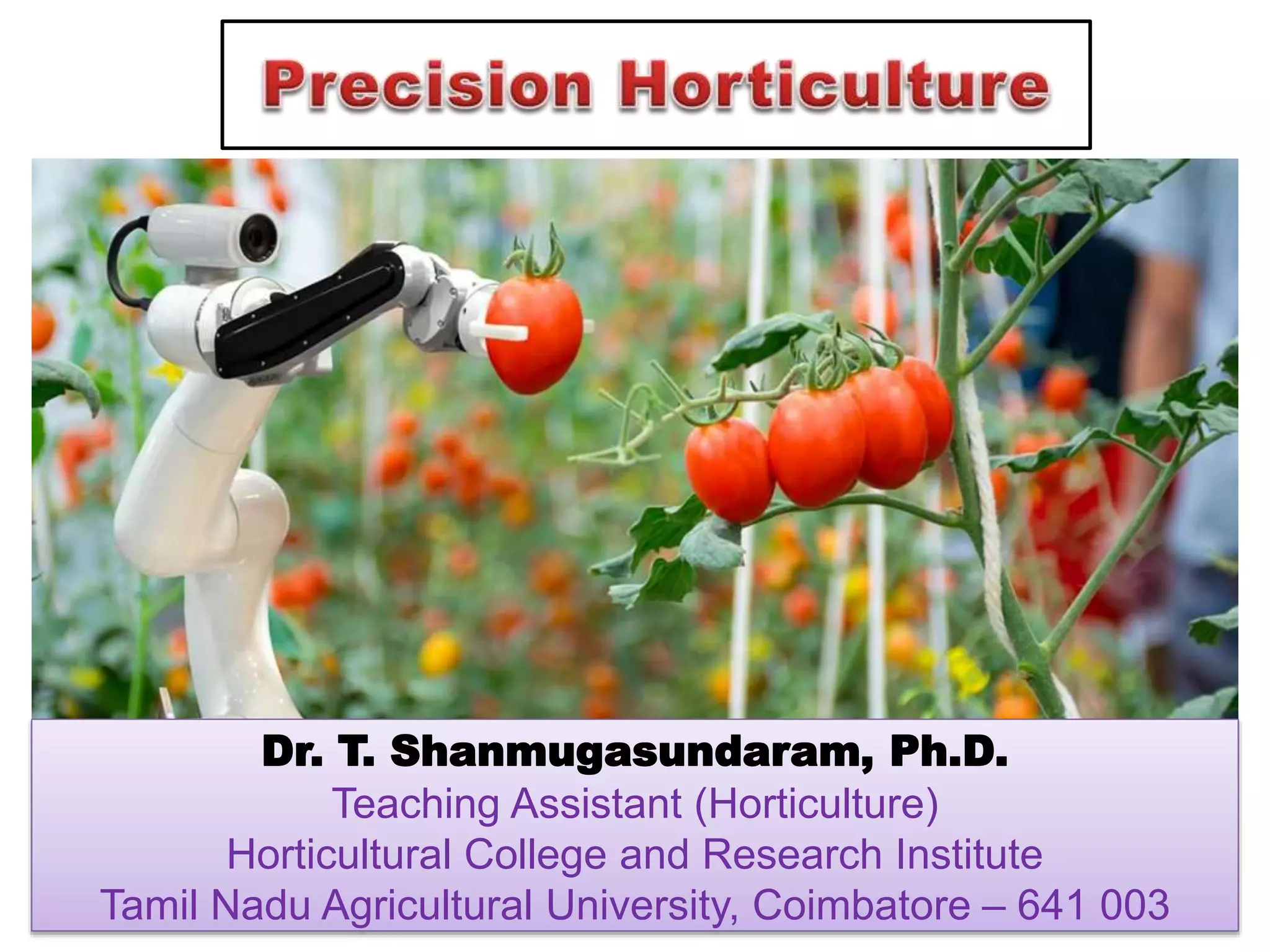
- Labor Availability: Agriculture is increasingly looking toward autonomous machinery and robotics to solve labor shortages. Horticulture, which requires the "human eye" for harvesting delicate produce or pruning complex ornamental structures, remains more reliant on skilled manual labor, though robotic harvesting for specific crops is an area of rapid development.
Frequently Asked Questions
Is there a clear biological boundary between agriculture and horticulture?
No, the boundary is primarily functional and administrative rather than strictly biological. Most crops cultivated in horticulture are still members of the kingdom Plantae and follow the same fundamental photosynthetic and physiological processes as agronomic crops. The distinction is defined by how the plants are managed, the intensity of the input, and the intended end-use of the harvest.
Can a farm be considered both agricultural and horticultural?
Yes, many modern farming operations are diversified. A large farming enterprise might have extensive acreage dedicated to grain production (agriculture) while maintaining a smaller, specialized plot or greenhouse facility for vegetables or specialty crops (horticulture) to diversify revenue streams and risk.
Which field is more susceptible to climate change?
Both are highly susceptible, but in different ways. Agriculture is exposed to large-scale weather volatility, such as droughts that affect an entire region’s corn or wheat crop. Horticulture, while also affected by weather, can often be buffered against environmental volatility through protected cultivation methods like greenhouses, although these structures carry their own energy and maintenance costs.
How does research differ between the two disciplines?
Agricultural research typically focuses on genetics, soil health, and large-scale mechanization to improve caloric output per acre. Horticultural research frequently explores plant breeding for improved flavor, shelf-life, ornamental traits, and the refinement of controlled-environment technologies to increase the quality and variety of produce.
Do government subsidies favor agriculture over horticulture?
Historically, national agricultural policies and subsidy programs have heavily favored large-scale commodity production. Horticulture is often viewed as a "specialty crop" sector, which may have limited access to the same type of broad-based price support programs, though many governments now offer targeted grants for technology adoption, organic transition, and greenhouse infrastructure.
Next Steps for Producers and Students
If you are entering the industry or seeking to expand an existing operation, the most critical step is identifying your market position. Determine whether your capital is best utilized in the extensive production of bulk commodities, which requires land scale and high-efficiency machinery, or the intensive production of high-value crops, which requires specialized knowledge, labor, and a focus on direct-to-consumer or retail channels.
For those looking to deepen their expertise, consult with regional extension services or agricultural universities. These institutions provide local data on soil conditions, climate-appropriate varieties, and current market trends that are specific to your geography. Before making significant investments in equipment or land, perform a formal cost-benefit analysis focusing on the cost of labor versus the potential market premium of your chosen crop. Aligning your production methodology with your available resources and market access is the most reliable path to long-term viability.