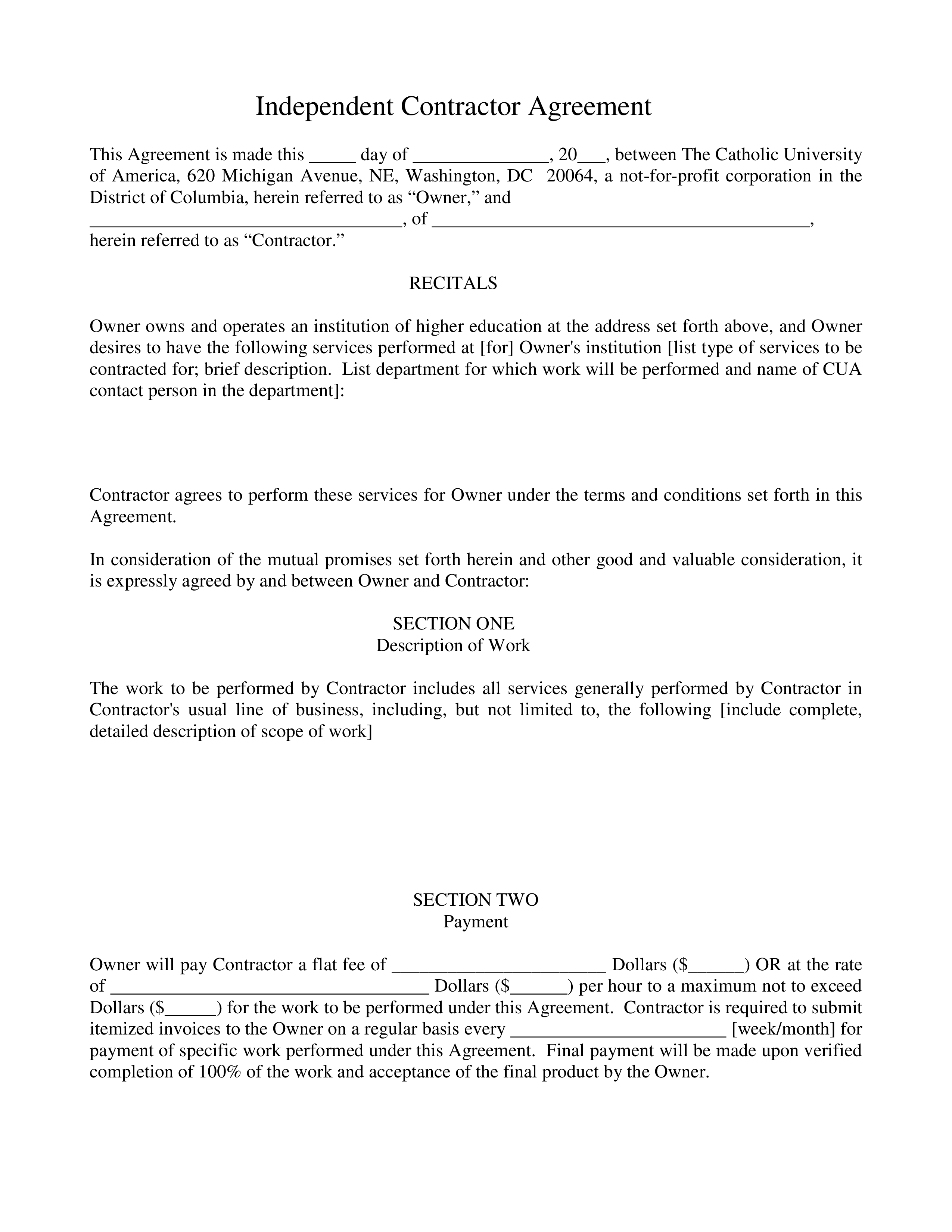
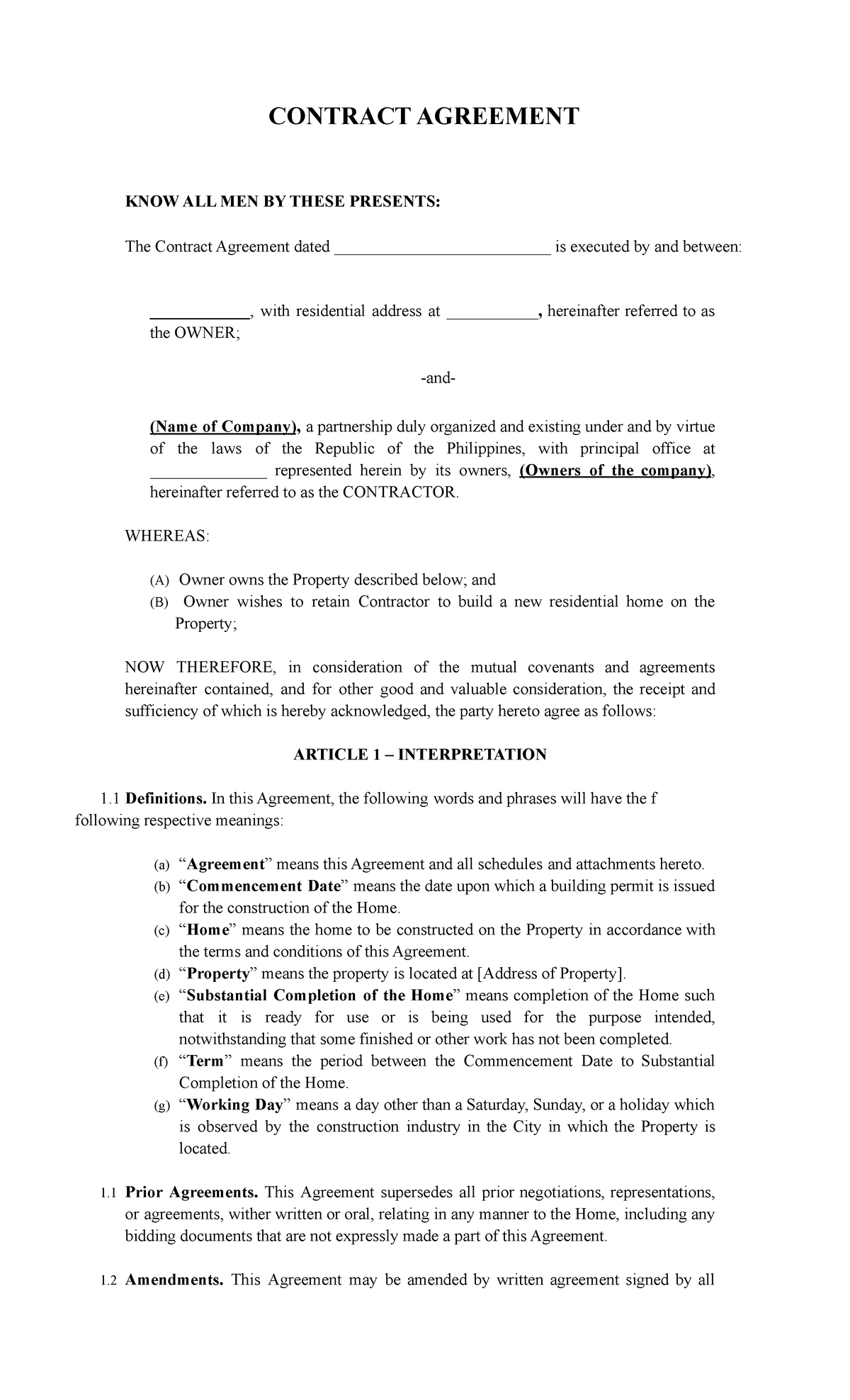
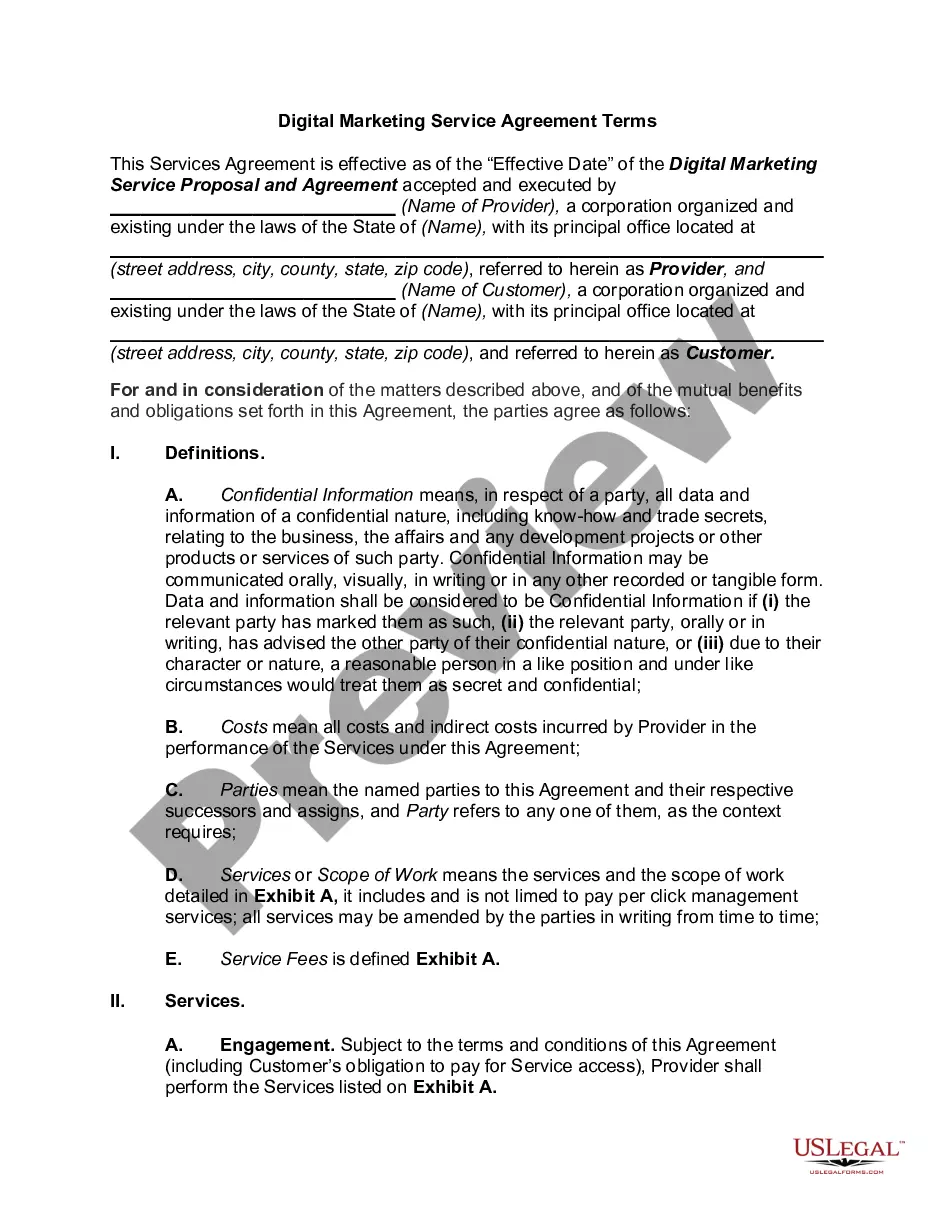
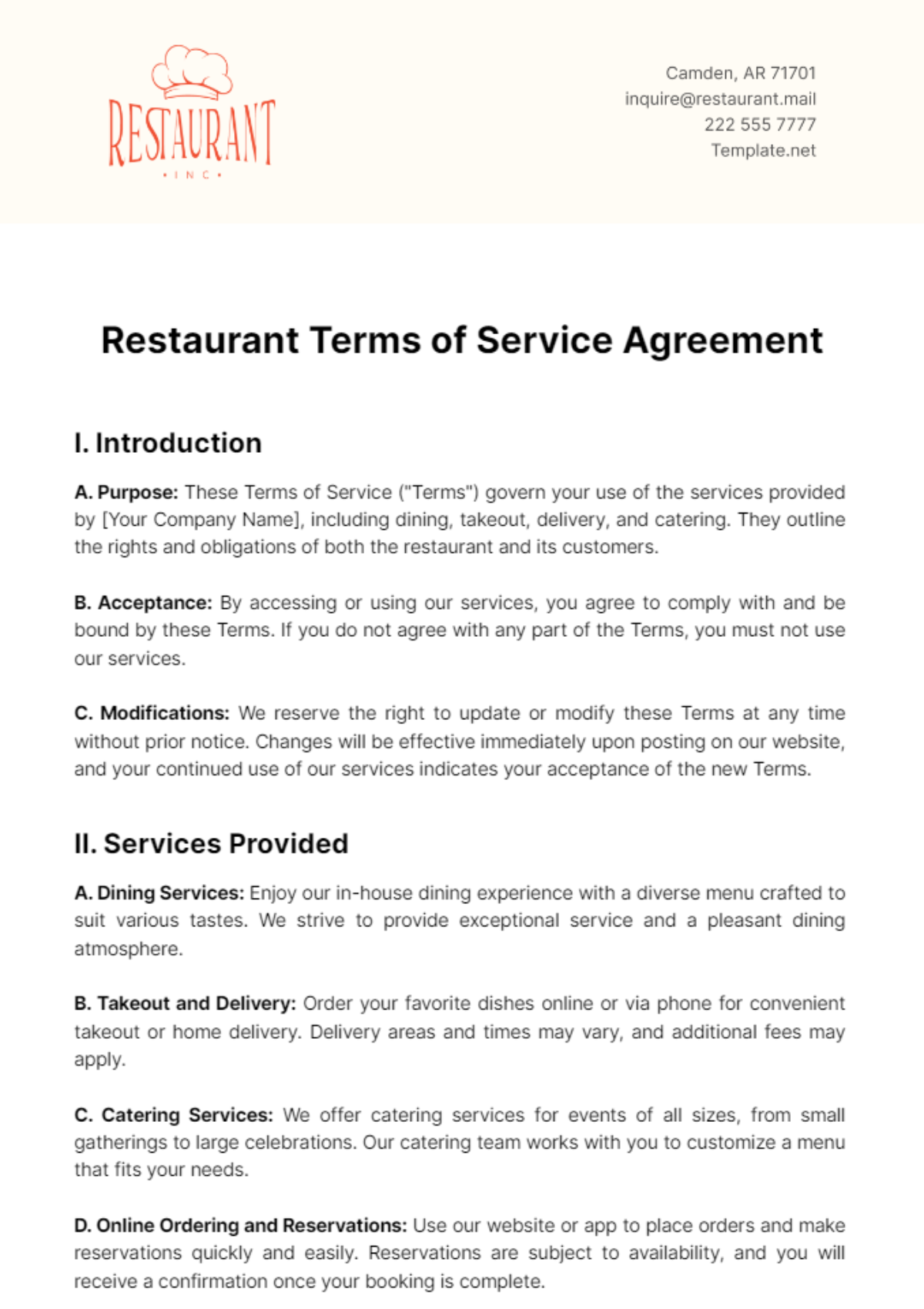
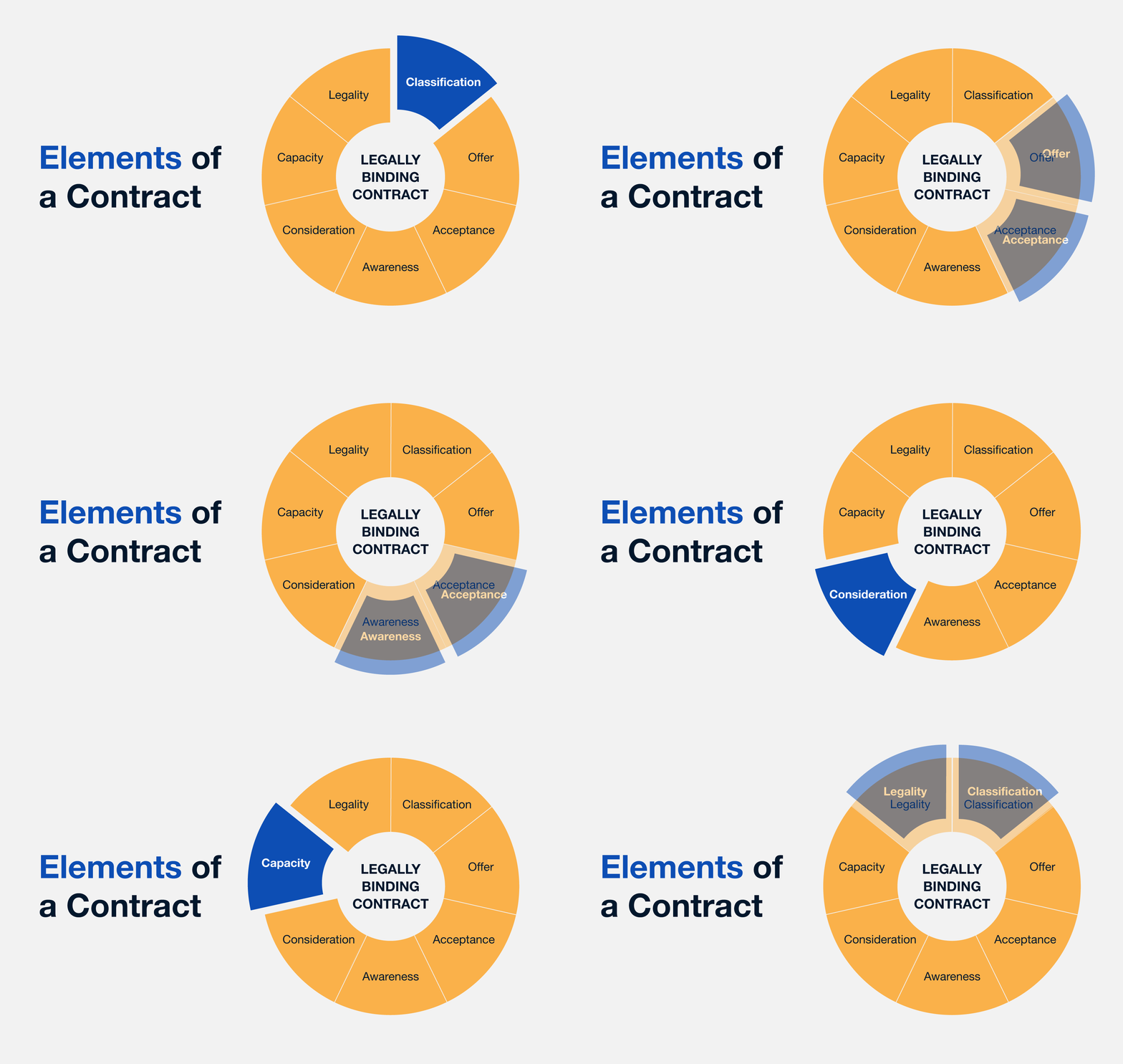
Agreement terms define the specific rights, obligations, and limitations governing a legal or commercial relationship between two or more parties. These provisions establish the boundaries of performance, clarify expectations, and provide the primary framework for dispute resolution if the arrangement fails to proceed as intended.
The Anatomy of Agreement Terms
Agreement terms are not merely administrative boilerplate; they are the functional mechanisms of a contract. Whether you are entering a service agreement, a lease, or a digital end-user license, the terms act as the blueprint for the transaction. Each clause is drafted to shift or distribute risk, define scope, or delineate the financial responsibilities of the participants.
At the most fundamental level, terms identify "who," "what," "where," "when," and "how much." The "who" establishes the legal identity of the entities involved, which is critical for enforcing liability. The "what" defines the scope of work or the nature of the product being exchanged. Misalignment in these definitions is the most frequent cause of contractual friction. By clearly documenting these points, parties avoid the ambiguity that often leads to litigation.
Core Components of Standard Agreements
While every contract is unique to the specific industry and goal, certain provisions appear with high frequency in professional and consumer agreements. Understanding these will help you recognize when a contract is standard and when it may contain unusual or restrictive language.
- Payment and Consideration: These terms specify the exact amount, the currency, the due date, and the method of payment. In complex agreements, this section also outlines late fees, interest accrual, and the consequences of non-payment.
- Term and Termination: This defines the duration of the agreement. It details whether the contract expires automatically or requires a renewal process. Furthermore, it explains the procedures for early termination, including any required notice periods or exit penalties.
- Representations and Warranties: These are statements of fact that parties make to each other. For example, a service provider might warrant that they possess the necessary licenses to perform the work, or a vendor might warrant that their product does not infringe on existing intellectual property rights.
- Liability and Indemnification: These are the most critical risk-mitigation terms. Liability clauses limit the amount of money a party may be forced to pay if they breach the contract. Indemnification clauses shift the cost of third-party claims from one party to another under specific circumstances.
Comparison of Agreement Types
Different contexts require different structures. The table below illustrates how agreement terms vary depending on the nature of the transaction.
| Agreement Type | Primary Focus | Key Risk Factor | Typical Duration |
|---|---|---|---|
| Service Level Agreement (SLA) | Performance standards | Uptime/Response time | Ongoing/Monthly |
| Non-Disclosure Agreement (NDA) | Confidentiality | Information leakage | Fixed period or ongoing |
| Master Services Agreement (MSA) | Administrative framework | Scope creep | Long-term |
| End User License Agreement (EULA) | Usage rights | Unauthorized distribution | Perpetual or term-based |
Interpreting Scope and Limitations
A common mistake when reviewing agreement terms is failing to verify the "Scope of Work" or "Deliverables." In professional service contracts, this is the section most prone to "scope creep," where the work performed expands beyond the original agreement without a corresponding increase in compensation. You should look for language that strictly defines what is included and, equally importantly, what is excluded.
Limitations of liability are often heavily negotiated. If a vendor includes a "cap" on damages—such as limiting their total liability to the amount paid for the service in the preceding twelve months—you must assess whether that cap provides adequate protection for your specific business risk. If the potential harm of a service failure exceeds that cap significantly, the agreement terms may be insufficient for your needs.
Navigating Jurisdictional and Governing Law
Almost every formal agreement includes a "Governing Law" clause. This is vital because it determines which jurisdiction’s laws will be used to interpret the contract in the event of a disagreement. If you are located in one region and your counterparty is in another, the choice of law can have a profound impact on the outcome of a dispute.
Terms related to "Dispute Resolution" often mandate arbitration or mediation before a case can be brought to court. Mandatory arbitration clauses can effectively waive your right to a trial by jury. Before signing, evaluate whether the specified forum is accessible and fair. If you are a consumer or a smaller entity, being forced into a costly, remote arbitration venue can be a significant barrier to enforcing your rights.
Best Practices for Review and Verification
Before finalizing any document, you should conduct a structured review. Start by reading the agreement to verify the "Definitions" section, as these terms govern the rest of the document. If a word is defined in an unexpected way, it changes the meaning of every clause where that word appears.
Second, check for "Survival" clauses. These are terms that remain in effect even after the contract has been terminated—common in confidentiality or non-compete agreements. Finally, ensure that any verbal promises made during negotiations are reflected in the written terms. Most contracts contain an "Entire Agreement" or "Integration" clause, which essentially states that any verbal agreements made prior to signing are null and void if they are not included in the final written document.
Frequently Asked Questions
What happens if I sign an agreement without fully understanding the terms?
Signing an agreement typically creates a binding legal obligation. Courts generally operate under the principle that parties are responsible for reading and understanding what they sign. If you fail to understand the terms, you may be held liable for damages, breach of contract, or be forced into unfavorable dispute resolution processes.
Can I change the terms of a pre-printed agreement?
Yes, parties are generally free to negotiate any part of a contract. You can cross out sections, add amendments, or attach "addendums" to modify the standard terms. However, both parties must agree to these changes, and it is standard practice for both sides to initial any manual changes made to the document.
What is the difference between a condition and a warranty in a contract?
A condition is a fundamental term that goes to the core of the contract; if breached, the other party may be entitled to terminate the agreement and seek damages. A warranty is a less significant term; breaching a warranty typically allows the other party to claim damages but does not necessarily entitle them to cancel the contract.
What are "severability" terms?
A severability clause states that if one specific part of the contract is found to be illegal or unenforceable by a court, the rest of the agreement remains valid. Without this clause, an entire contract could potentially be voided due to the invalidity of a single minor provision.
How do I check if an agreement term is fair?
Fairness is subjective, but you can assess it by comparing the terms against industry standards. If a clause significantly deviates from the norm—such as an unusually high penalty fee or an overly broad indemnification—it may be worth questioning. In consumer contracts, many jurisdictions have laws against "unconscionable" or "unfair" terms that the courts may refuse to enforce.
Next Steps: Protecting Your Interests
When you are presented with an agreement, treat the document as a data set. Extract the key dates, payment requirements, and termination triggers. If the agreement is high-stakes, consult with a professional who specializes in the relevant field of law to ensure the terms align with your objectives. Always retain a signed copy of the final, dated agreement in a secure, accessible location. If you identify terms that are ambiguous or seemingly predatory, request a written clarification or a redrafting of those specific sections before proceeding with the execution of the document.