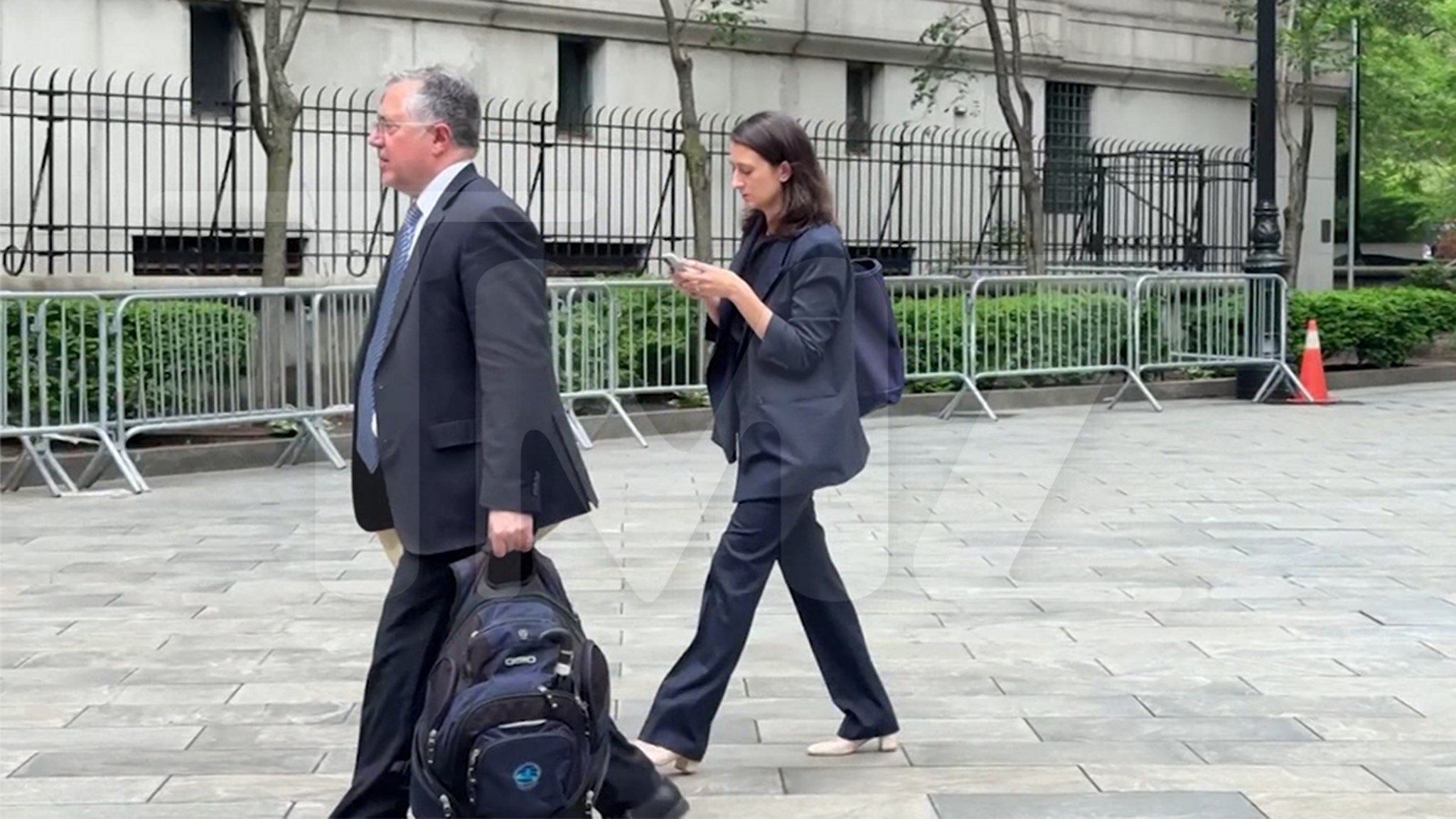
Marc Agnifilo serves as a central figure in the legal representation of Sean "Diddy" Combs, acting as a primary criminal defense attorney tasked with managing the complex federal allegations brought against the music executive. His role involves coordinating defense strategy, navigating federal court procedures in the Southern District of New York, and addressing the significant public and legal scrutiny surrounding the case.
Defining the Role of Lead Counsel in High-Stakes Federal Litigation
In the context of high-profile federal criminal cases, the role of lead counsel—such as the position held by Marc Agnifilo—extends far beyond standard courtroom representation. It encompasses the entirety of the defense lifecycle, including pretrial motions, discovery management, public relations coordination, and the navigation of constitutional rights within the federal judicial system.
For an attorney of Agnifilo’s standing, the primary objective is to build a rigorous evidentiary shield against prosecutorial assertions. This involves challenging the admissibility of evidence, negotiating with federal prosecutors regarding bail or detention conditions, and managing the delicate balance between active media presence and the necessity of maintaining a narrative that does not prejudice a jury pool. The complexity of a case of this magnitude requires a multi-disciplinary approach, blending white-collar criminal defense expertise with the nuance of reputation management.
Historical Context and Legal Professionalism
Marc Agnifilo is a veteran litigator, known for his background as a former Assistant United States Attorney. This prior government service is a critical component of his legal toolkit; it provides him with "insider" knowledge regarding how federal prosecutors build cases, structure plea negotiations, and present evidence to a grand jury. When representing a high-profile client in 2026, this institutional history is frequently cited as a strategic asset.
Attorneys who move from the Department of Justice to private practice often bridge a gap for their clients by anticipating the investigative techniques used by federal agencies like the Department of Homeland Security or the Federal Bureau of Investigation. In the case involving Sean Combs, Agnifilo’s role has focused heavily on the procedural challenges surrounding the government's investigative methodology, attempting to delineate where standard evidence gathering ends and potential prosecutorial overreach begins.
Key Responsibilities in the Defense Strategy
The defense team, led by Agnifilo, operates under a set of rigid operational requirements dictated by the Federal Rules of Criminal Procedure. These rules govern every aspect of the case, from the exchange of documents (discovery) to the timeline for filing motions to dismiss or suppress evidence.
A primary responsibility for counsel is the protection of the defendant’s Sixth Amendment rights. In cases involving widespread media attention, this often involves filing motions to limit prejudicial reporting or ensuring that the jury selection process—if the case proceeds to trial—is insulated from the external noise of public opinion. Furthermore, Agnifilo is responsible for the vetting of potential witnesses and the forensic analysis of electronic communications, which often serve as the cornerstone of federal indictments.
| Legal Responsibility | Strategic Objective |
|---|---|
| Discovery Review | Identifying weaknesses in the prosecution's evidence chain. |
| Bail/Detention Advocacy | Negotiating for the least restrictive conditions possible for the client. |
| Motion Practice | Seeking the dismissal of charges or exclusion of inadmissible evidence. |
| Public Narrative Control | Managing the legal framing of the case in the public eye. |
| Witness Coordination | Preparing defense testimony and evaluating cross-examination risks. |
Navigating the Southern District of New York (SDNY)
The SDNY is widely considered one of the most rigorous jurisdictions for federal litigation. Practicing in this court requires a high degree of technical precision. Attorneys must be intimately familiar with the local rules of the court and the specific preferences of the presiding judge. Agnifilo’s role in this venue is to ensure that every document, argument, and procedural request aligns with the high standards expected by the court.
When an attorney operates within the SDNY, they must contend with a fast-moving docket and stringent deadlines. The pressure on the defense is magnified by the nature of the charges, which often involve complex financial and conspiracy-related elements that necessitate the use of expert witnesses, such as forensic accountants or digital security analysts, to counter the government’s narrative.
Procedural Hurdles and Legal Challenges
A significant portion of the work involves managing the "pre-trial" phase. This is the period where the most consequential legal battles are fought, often behind closed doors. Counsel must constantly evaluate the strength of the government's case to advise the client on the feasibility of a trial versus the potential risks of a negotiated resolution.
Key challenges that the defense must navigate include:
- The "Co-conspirator" Doctrine: Dealing with how evidence of one person's actions can be attributed to another.
- Electronic Privacy: Challenging the search and seizure protocols used on the defendant’s digital assets.
- Pre-trial Detention: Navigating the stringent bail requirements for defendants facing severe federal charges.
Expert Guidance on Legal Representation Requirements
For those observing or interacting with high-stakes legal proceedings, it is vital to distinguish between public commentary and actual courtroom strategy. Legal defense is a highly disciplined field where the ultimate outcome is decided by judges and juries, not by media cycles.
If you are following this case, it is important to understand that the information presented by defense attorneys in press briefings is strategically selected. The substantive arguments—those that hold legal weight—are found in court filings, which are public record. To track the progress of the proceedings accurately, one should monitor the PACER (Public Access to Court Electronic Records) system for the Southern District of New York, which provides access to official filings and docket updates.
Frequently Asked Questions Regarding Defense Counsel Roles
What is the primary difference between a lead criminal defense attorney and a media spokesperson?
The lead attorney, such as Marc Agnifilo, is bound by professional ethics and the duty of zealous representation toward their client. While they may interact with the media to shape public perception, their primary obligation is to win the case within the confines of the courtroom and through procedural filings. A spokesperson, by contrast, focuses primarily on managing the client's image rather than constructing a legal defense.
Can an attorney's background as a former prosecutor influence the defense of a client?
Yes, it is often considered a significant advantage. Former prosecutors possess a deep understanding of the tactical and psychological approaches federal agents and prosecutors use to pressure defendants. They can identify procedural flaws in an investigation that a lawyer without such background might overlook, particularly regarding the gathering of digital or financial evidence.
What are the limits of defense counsel’s power in a federal case?
Defense counsel cannot manufacture evidence, influence witnesses illegally, or violate the court's orders. Their power is limited to challenging the government's evidence, asserting constitutional rights, and providing the defendant with the best possible strategy within the bounds of the law. They cannot change the facts of a case, but they can significantly influence how those facts are interpreted by the court.
How does the location of a case (SDNY) affect the defense strategy?
The SDNY is known for its experienced judges, highly competent federal prosecutors, and a complex set of local rules. A defense team must be exceptionally prepared, as the court expects meticulous adherence to deadlines and high-quality legal writing. Being "trial-ready" in this district means having a deep mastery of complex federal procedural statutes.
Where can the public verify the legal status of specific motions filed by the defense?
The most reliable source for tracking the legal status of any federal case is the PACER system. By searching the case number or the defendant’s name in the Southern District of New York’s database, one can view the actual motions filed by the defense, the government’s responses, and the court’s orders, providing a transparent view of the litigation's progress.
Recommendation for Further Inquiry To stay accurately informed on the proceedings, prioritize information from official court dockets and reputable legal reporting outlets that specialize in federal court coverage. Avoid speculative commentary or secondary summaries that lack references to specific filings. Relying on primary documentation ensures that your understanding of the case is based on verified judicial activity rather than external conjecture.