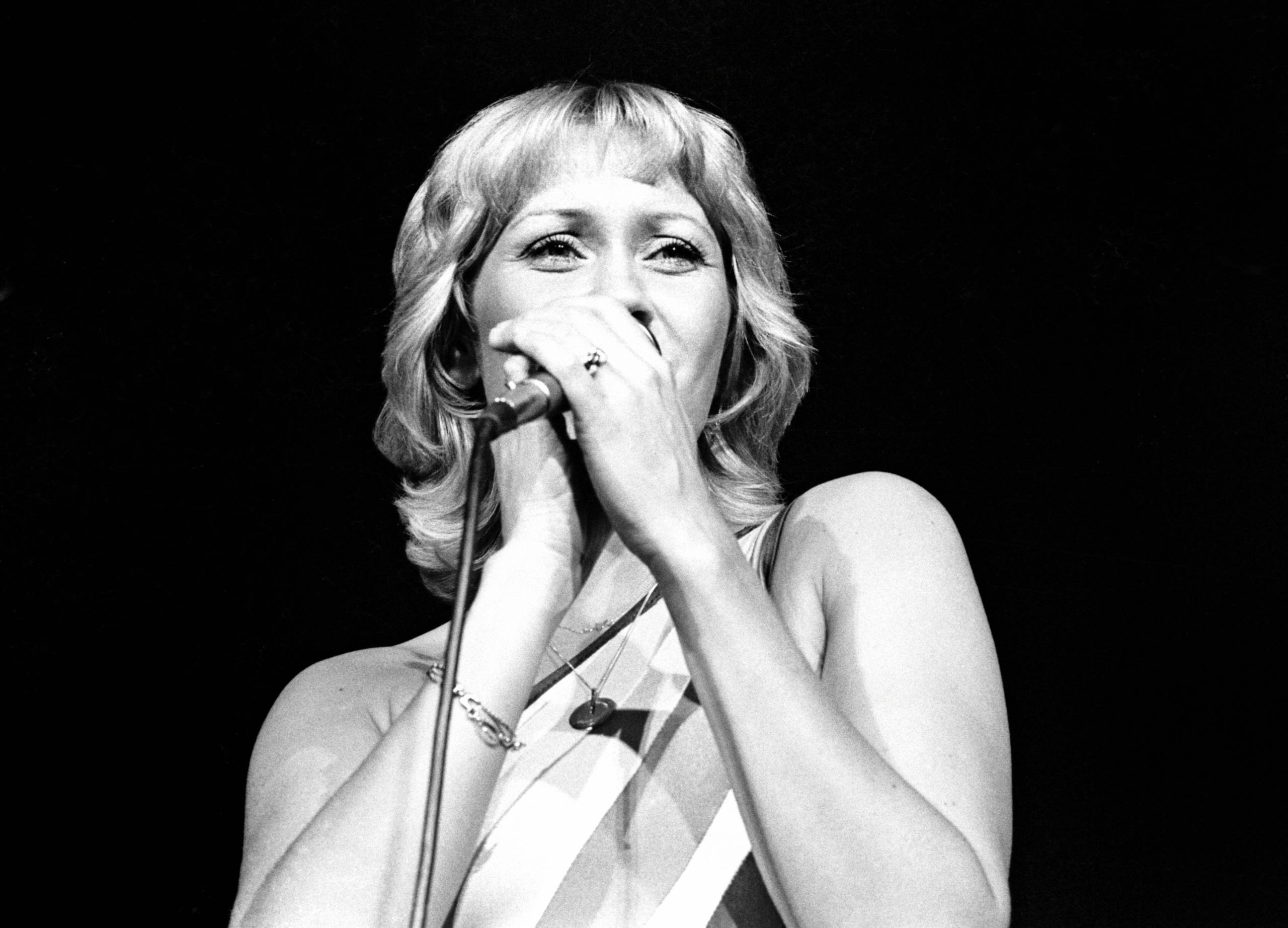
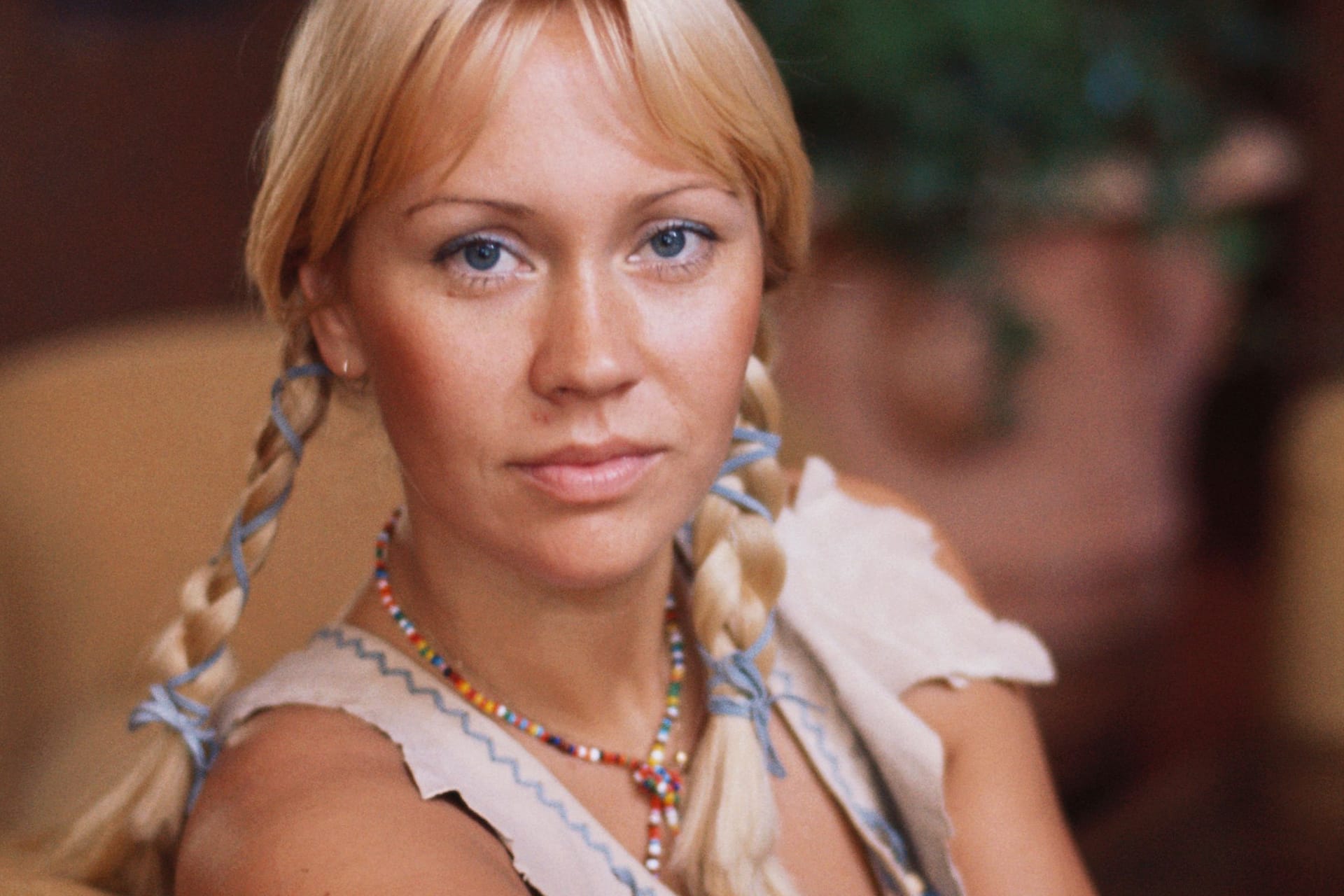
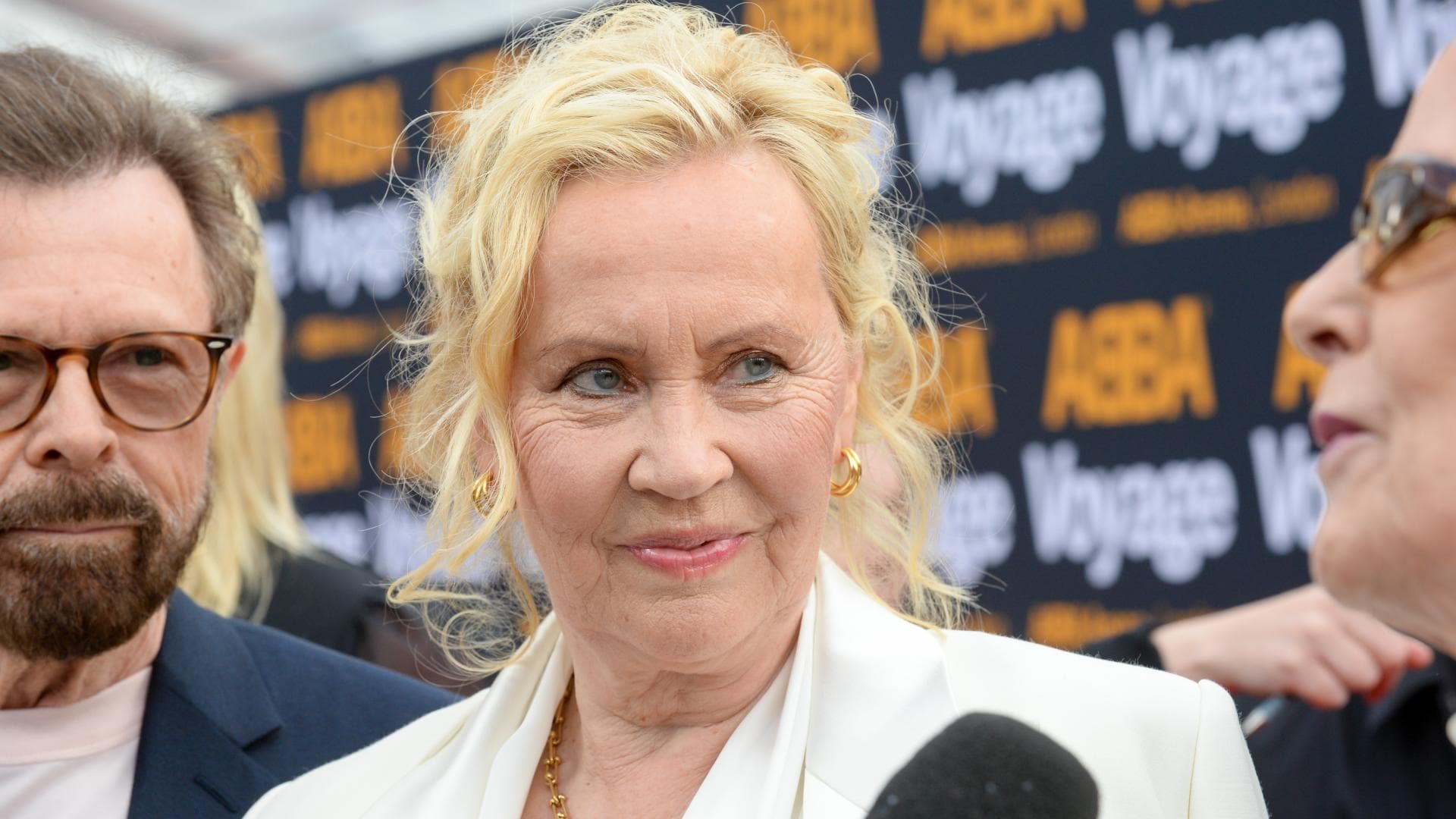
Agnetha Fältskog is a globally renowned Swedish singer, songwriter, and musician, best known as one of the four members of the iconic pop group ABBA. Beyond her monumental success with the band, she maintained a significant solo career in both Swedish and English, defined by her distinct soprano vocal range, emotive delivery, and influence on the landscape of popular music since the late 1960s.
Early Life and Rise to Prominence in Sweden
Born on April 5, 1950, in Jönköping, Sweden, Agnetha Åse Fältskog showed an early aptitude for music, writing her first song at the age of six. By her mid-teens, she was already pursuing a professional music career. Her breakthrough arrived in 1967 with the release of her debut single, "Jag var så kär" (I Was So in Love), which she wrote herself. The song reached number one on the Swedish charts, establishing her as a serious singer-songwriter in an era when many female performers were expected to be mere interpreters of other writers' material.
During the late 1960s and early 1970s, Fältskog became one of Sweden's most popular female recording artists. Her solo output during this period was characterized by "schlager" influences, pop ballads, and light folk-pop arrangements. Unlike many of her contemporaries, she was deeply involved in the production and songwriting processes, a trait that would later become a cornerstone of her collaborative efforts within ABBA.
The ABBA Years: Global Impact and Vocal Identity
Fältskog joined forces with Björn Ulvaeus, Benny Andersson, and Anni-Frid Lyngstad to form ABBA in the early 1970s. Their victory at the 1974 Eurovision Song Contest with "Waterloo" acted as the catalyst for international stardom. Within the group, Fältskog’s voice served as a primary melodic anchor. Her soprano range provided the high-frequency brilliance that defined the group's signature wall-of-sound production, particularly on tracks such as "The Winner Takes It All," "SOS," and "Chiquitita."
Her vocal style was noted for its technical precision combined with a raw, melancholy quality that resonated with global audiences. In 2026, musicologists continue to cite her performance on "The Winner Takes It All" as a masterclass in narrative singing—the ability to convey personal vulnerability through the constraints of a complex, layered pop arrangement. The synergy between Fältskog and Lyngstad, who offered a lower, more rhythmic counter-melody, became the blueprint for the harmonic structure of 1970s and 1980s Europop.
Comparative Overview of Career Phases
The following table delineates the shifts in Fältskog’s musical output and professional focus across different stages of her career, highlighting her evolution from a regional star to a global icon.
| Period | Primary Focus | Notable Characteristics | Professional Status |
|---|---|---|---|
| 1967–1972 | Swedish Solo Career | Schlager, Ballads, Self-penned tracks | Established Solo Artist |
| 1972–1982 | ABBA | Pop, Disco, Complex vocal arrangements | International Superstar |
| 1983–1988 | English Solo Career | Synth-pop, Adult contemporary | Global Solo Artist |
| 1989–2003 | Extended Hiatus | Private life, Limited media presence | Semi-Retired |
| 2004–2026 | Legacy and Return | Creative collaborations, ABBA resurgence | Active/Legacy Artist |
Post-ABBA Solo Career and Hiatus
Following the unofficial dissolution of ABBA in 1982, Fältskog pursued a successful English-language solo career. Albums such as Wrap Your Arms Around Me (1983) and Eyes of a Woman (1985) showcased her ability to transition into the sophisticated pop sounds of the mid-1980s. These records performed well in European markets, proving she could sustain a career independent of the group's massive commercial shadow.
Despite this success, Fältskog was famously reserved regarding the pressures of global fame. In the late 1980s, she withdrew from the public eye, embarking on a long hiatus that lasted well into the early 2000s. This period of withdrawal was often misinterpreted by the tabloid press, but it remained a deliberate choice to prioritize family and personal well-being over the relentless cycle of international promotion and touring.
Resurgence and Musical Legacy in 2026
In recent years, interest in Fältskog’s work has reached new heights, largely due to the sustained cultural relevance of the ABBA catalog. The 2021 release of Voyage, the group’s final studio album, and the subsequent digital concert experience, highlighted the enduring technical and emotional quality of her voice. As of 2026, her influence is frequently analyzed in the context of vocal production, with contemporary artists citing her phrasing and melodic sensibilities as a major influence on modern pop production.
Her legacy is that of a "reluctant icon." While she remains one of the most recognizable voices in music history, her career trajectory is defined by a refusal to conform to the commercial expectations of constant visibility. She has instead chosen to focus on quality over quantity, a standard she has maintained from her first Swedish number-one single to her recent studio contributions.
Frequently Asked Questions
What was Agnetha Fältskog’s most significant contribution to ABBA’s sound?
Her primary contribution was her soprano vocal performance, which provided the distinct clarity and "shimmer" in ABBA’s multi-tracked recordings. Her ability to deliver emotionally heavy lyrics with a clean, controlled tone allowed the group to bridge the gap between complex studio production and widespread commercial accessibility.
Did Agnetha Fältskog write her own music during her solo years?
Yes, before and during the early years of ABBA, Fältskog was a prolific songwriter. Many of her early Swedish-language hits were written or co-written by her. While her later international solo work leaned more on collaboration with professional songwriters and producers, her foundational training as a songwriter remained evident in her melodic choices.
Why is Agnetha Fältskog often associated with a "melancholy" vocal style?
Critics and fans often attribute this to the texture of her voice, which carries an inherent vulnerability. Even in upbeat pop tracks, there is a technical quality to her performance—sometimes described as a "tears in the voice" effect—that creates an emotional depth, particularly in songs concerning heartbreak or longing.
How has Fältskog’s professional approach changed by 2026?
By 2026, Fältskog operates with a high degree of agency regarding her artistic output. Having achieved unprecedented commercial success, her recent career phases have been characterized by selective involvement in projects that meet her specific artistic standards, favoring collaborations that leverage modern technology while preserving the integrity of her classic vocal style.
Is Agnetha Fältskog still recording music?
Yes, though she remains highly selective. She continues to engage in studio work when the project aligns with her personal and artistic interests. Her participation in recent ABBA-related projects demonstrates that her vocal capability remains a central component of her professional identity, managed with the same level of care she has applied throughout her decades-long career.
Recommendations for Further Exploration
For those interested in the technical aspects of her career, exploring the original master recordings of the mid-1970s provides the clearest evidence of her vocal layering techniques. Researchers and fans alike should look toward authorized biographies and production notes from Benny Andersson and Björn Ulvaeus, which offer factual accounts of the studio sessions rather than speculative narratives. For archival audio, the official remasters of her solo catalog provide the most accurate representation of her transition from Swedish pop to international success.