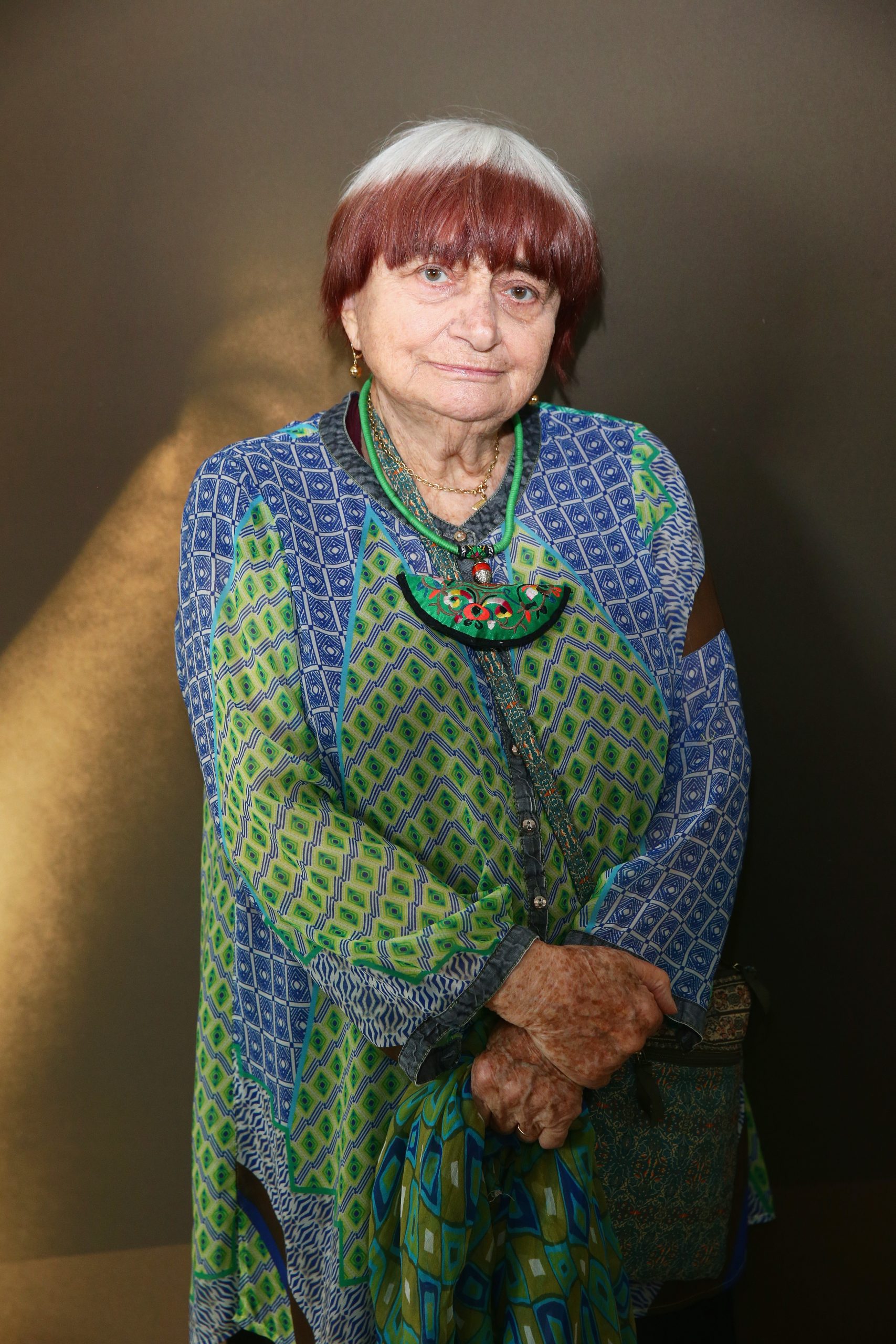
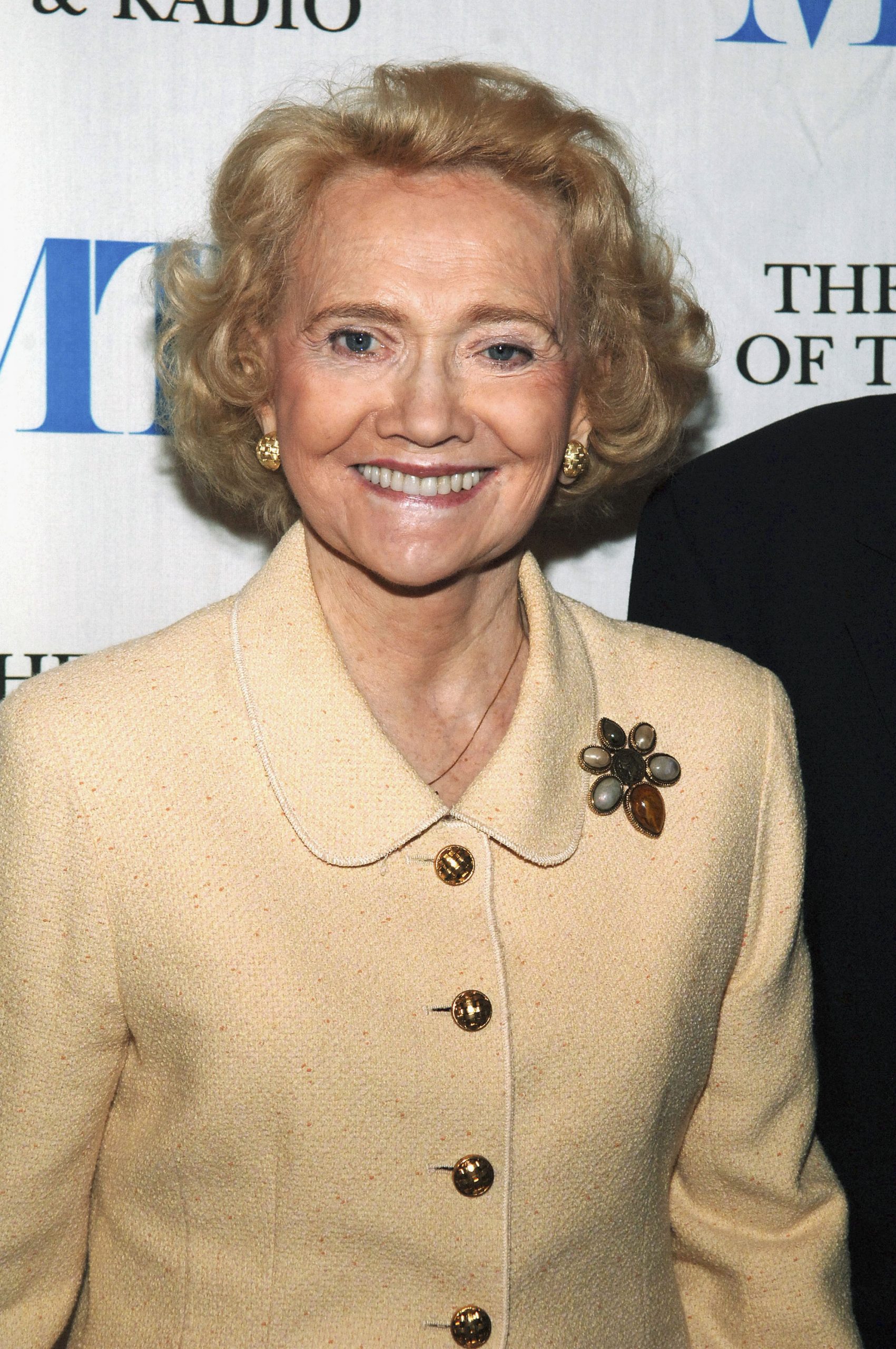
Agnes Garbowska is an acclaimed professional comic book artist and illustrator whose net worth is not publicly disclosed in verifiable financial records. As a private individual, her income is derived from freelance commissions, industry-standard page rates for major publishers, convention appearances, and the sale of original artwork, rather than corporate dividends or equity holdings.
The Nature of Professional Compensation for Comic Artists
To understand the financial landscape of a working artist like Agnes Garbowska, it is essential to distinguish between public celebrity net worth and the earnings of specialized creative professionals. In the comic book industry, income is rarely a matter of public record. Unlike corporate executives or high-profile actors, independent contractors in the graphic arts field do not have mandated financial disclosures.
A professional comic artist’s income is generally comprised of several distinct revenue streams. For established creators, the primary income comes from "page rates"—the fee paid by publishers (such as DC Comics or Marvel Entertainment) for the completion of a finished page of artwork. These rates vary significantly based on the artist’s level of experience, the specific project requirements, and the publisher's budget. Additionally, artists often retain the rights to sell their "original pages"—the physical or digital drafts produced during the creation process—to collectors.
Furthermore, creators in this field frequently engage in supplemental work that broadens their financial stability. This includes illustration for licensed products, variant cover art, and commissioned pieces for private collectors. In the modern era, the rise of creator-owned projects and independent publishing has also allowed some artists to capture a larger percentage of royalties, though this requires the artist to assume more entrepreneurial risk.
Career Milestones and Professional Trajectory
Agnes Garbowska’s career is defined by her versatile style, which has made her a sought-after collaborator for major franchises. She has contributed to well-known properties including DC Super Hero Girls, My Little Pony, Jem and the Holograms, and various Marvel titles. Her ability to pivot between different aesthetic requirements—from the high-energy, stylized look of all-ages titles to more nuanced character work—has sustained a long-term presence in a highly competitive industry.
The valuation of a career in this niche is built on consistency and volume. A professional artist who maintains high output while remaining in high demand among major publishers typically achieves a stable middle-to-upper-tier income within the creative sector. However, this income is subject to the inherent volatility of the freelance market, where projects can be canceled, budgets can shift, and personal labor capacity acts as a natural "ceiling" on potential earnings.
Comparison of Artist Revenue Models
The following table outlines how different professional activities contribute to the financial output of a career artist in the current market.
| Revenue Stream | Description | Financial Impact |
|---|---|---|
| Page Rates | Per-page fee paid by publishers for sequential art. | Primary, consistent income base. |
| Original Art Sales | Direct sale of produced pages or sketches to collectors. | High potential; market-driven value. |
| Convention Circuit | Revenue from booth fees, prints, and on-site commissions. | Variable; dependent on travel/logistics. |
| Licensing/Merch | Royalties from character designs on consumer goods. | Long-term passive potential. |
| Private Commissions | Bespoke artwork created for individual clients. | High individual margin; limited scale. |
The Role of Convention Appearances and Direct Sales
For many comic book artists, the "convention circuit"—which includes events like San Diego Comic-Con or New York Comic Con—serves as a critical intersection between marketing and direct revenue. These events allow artists to sell prints, books, and high-value original commissions directly to their fanbase. By bypassing intermediaries, artists can keep a larger percentage of the revenue generated.
In 2026, the economics of these appearances have shifted slightly due to changes in travel costs and event production standards. Artists must weigh the time investment of travel and booth fees against the potential for high-volume sales. For an artist of Garbowska’s professional stature, these events are also vital for maintaining the brand visibility that drives their higher-end commission work, making the financial benefit of these events "multiplier-based" rather than purely transactional.
Understanding Financial Privacy in the Creative Arts
It is common for the public to search for the "net worth" of creative professionals, but these figures, when found on third-party "biography" or "wealth" websites, are almost invariably speculative. These sites often use crude algorithms based on projected industry averages, social media following, and historical project lists, but they lack access to tax filings, bank statements, or private investment portfolios.
For an artist, net worth is not just a calculation of cash in the bank. It involves the valuation of intellectual property, the ownership of a back-catalog of original artwork, and the personal brand equity built over years of consistent publication. Because the value of original art can fluctuate wildly based on market trends and collector demand, an artist’s net worth is effectively an "illiquid" asset that is difficult to quantify precisely.
Identifying Reliable Information Sources
If you are looking for accurate information regarding a professional artist's career, prioritize primary sources over aggregators. The following resources are standard for tracking professional activity:
- Official Portfolios: Often hosted on personal websites or professional platforms like ArtStation.
- Industry Databases: Sites like the Grand Comics Database (GCD) or ComicBookDB provide historical records of published works, which serve as a proxy for identifying the scope of an artist's career.
- Publisher Listings: Official websites for publishers like DC, Marvel, or IDW confirm the professional status and project history of their contracted creators.
Strategies for Aspiring Professionals
For those interested in how a career in comics leads to financial success, the path is rarely linear. It requires mastering the technical skills of sequential storytelling while simultaneously developing the business acumen to manage oneself as a brand. Key strategies include:
- Portfolio Diversification: Working across multiple genres ensures that a decline in interest in one area does not stall one’s entire career.
- Originality and Branding: Developing a signature style that is recognizable helps in securing variant cover work, which is often higher-paid than interior art.
- Intellectual Property Management: Protecting one’s rights to original creations can lead to long-term royalty revenue, which is more stable than the "work-for-hire" model.
Frequently Asked Questions
Does Agnes Garbowska have a public salary?
No. Agnes Garbowska is a freelance professional in the comic book industry. Freelance artists are independent contractors, and their earnings are strictly private and not subject to public disclosure requirements.
How are comic artists typically paid?
Comic artists are typically paid on a "per-page" basis for interior sequential art, and a "per-piece" basis for covers. These rates vary based on the publisher’s scale, the prestige of the title, and the artist’s individual reputation in the industry.
Can original art sales significantly impact an artist's wealth?
Yes. For established artists, original art can command significant prices in the collector market. The value is determined by the demand for the specific character, the aesthetic quality of the page, and the overall scarcity of the creator’s original works.
Why do "net worth" websites provide conflicting information?
Wealth estimation websites use proprietary algorithms to guess at an individual's finances based on public-facing data like followers or job titles. These sites do not have access to real financial data, leading to wild inaccuracies and purely speculative estimations.
Is professional artistry in comics a full-time career?
For professionals who reach a certain level of success, such as Agnes Garbowska, it is a full-time career. It requires consistent production schedules, often involving the coordination of multiple projects simultaneously to ensure steady income streams throughout the year.
How can I verify an artist's current projects?
The most reliable way to verify an artist’s current projects is to check their official social media channels, personal websites, or the solicitation lists released by major comic book publishers. These sources provide the most up-to-date and verified information regarding their current creative output.
Next Steps for Following Professional Artist Careers
To stay informed about the professional evolution of artists in the comic book industry, follow their official newsletters and verified social media accounts. These platforms provide direct updates on project releases, convention schedules, and opportunities for commission work. Focusing on these channels ensures you are receiving accurate information directly from the source, rather than speculative content from unverified third-party trackers.