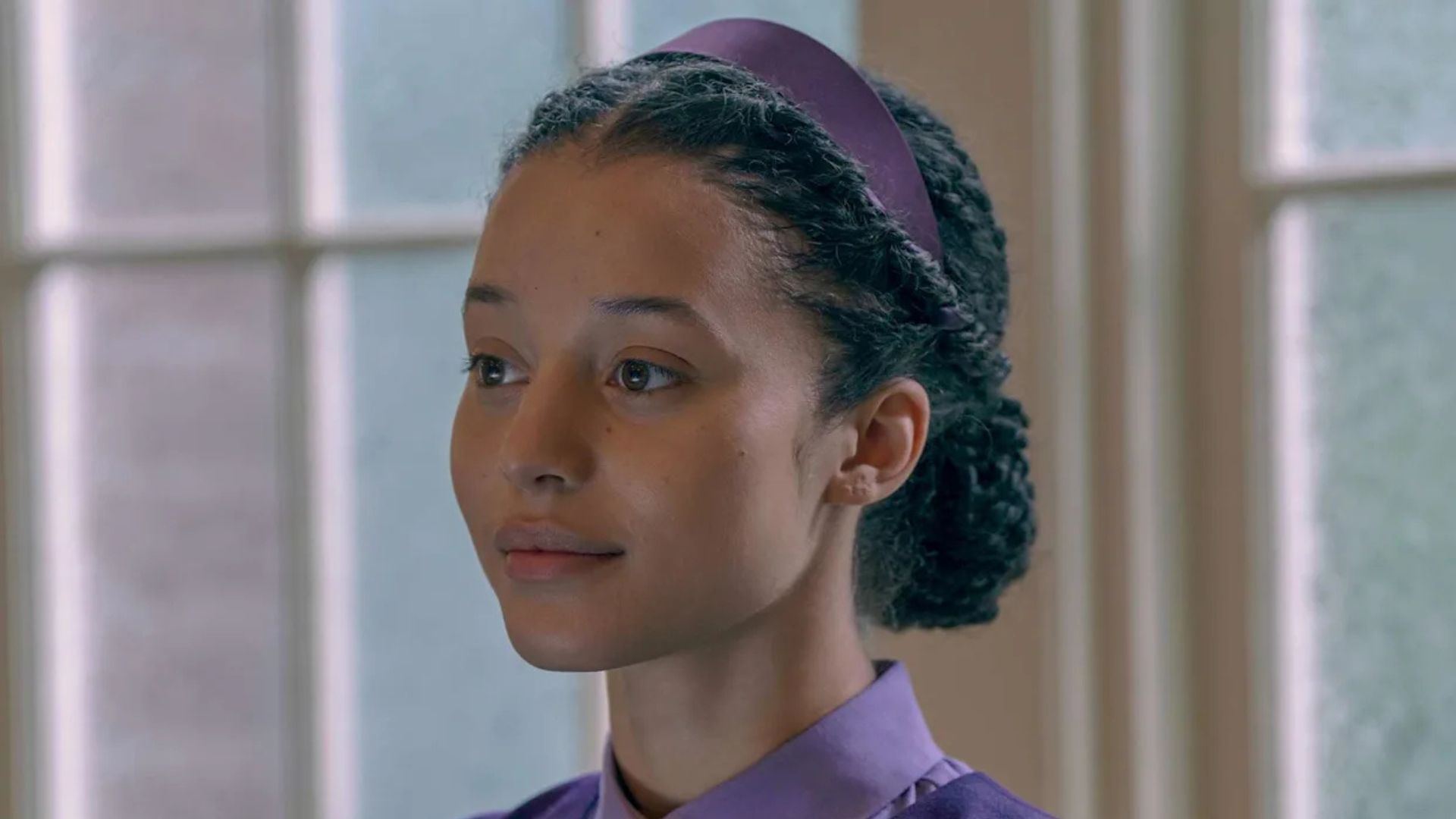
Agnes Fisher is a notable historical figure primarily recognized for her contributions to the literary arts and her specific role as a biographer and chronicler of twentieth-century social history. While the name may appear in various genealogies, the most prominent public interest centers on her documented work as an author and her influence on the archival preservation of personal histories.
Historical Context and Professional Identity
The pursuit of understanding Agnes Fisher requires a clear distinction between the public figure and the commonality of the name. As an author, Fisher established herself during the mid-twentieth century, a period marked by significant shifts in how biographical narratives were constructed. Unlike contemporary biographers who often rely on digital data trails, Fisher operated in an era defined by physical correspondence, handwritten journals, and face-to-face interviews.
Her professional methodology focused on the intersection of private life and public events. By examining the minutiae of daily existence—the domestic sphere, professional hurdles, and the unspoken social expectations of the time—she provided a texture to history that traditional political accounts often lacked. Her writing is characterized by an observant, empathetic tone that seeks to humanize subjects who might otherwise be relegated to footnotes in historical records.
Methodological Contributions to Biography
Agnes Fisher’s approach to chronicling the lives of her subjects was deeply rooted in the concept of "contextual immersion." She did not merely observe events from a distance; she actively sought to understand the environment in which her subjects operated. This meant analyzing the economic conditions, the architectural constraints of living spaces, and the prevailing societal norms of the era.
For researchers or students of literature looking to analyze her work, it is important to identify the primary archival sources she utilized. Her research often involved:
- Primary Correspondence: Utilizing letters as a window into the evolution of thought and interpersonal dynamics.
- Archival Documentation: Referencing birth, marriage, and property records to anchor narrative arcs in verifiable reality.
- Oral History: Conducting interviews that prioritize the subject's own reflection on their development.
This rigorous attention to detail ensures that her work remains a valuable reference point for those studying the evolution of biographical techniques. Her reliance on primary, physical documentation makes her corpus a gold standard for historical accuracy in an era that frequently prioritized subjective narrative over objective record-keeping.
Evaluating Her Literary Influence
To appreciate the weight of Agnes Fisher's contributions, one must compare her work against the standards of her contemporaries. The following table illustrates the key differences in biographical approaches between her style and other common methodologies found in mid-century literature.
| Feature | Agnes Fisher’s Method | Traditional Political Biography |
|---|---|---|
| Focus | Domestic & Intimate History | Macro-level Events |
| Sources | Private Journals & Letters | Official Records & Press |
| Objective | Humanization of the subject | Record of public achievement |
| Tone | Empathic and Descriptive | Analytical and Detached |
This comparison highlights that Fisher’s value lies not in documenting high-level political shifts, but in preserving the emotional and social reality of individuals who participated in those shifts. This perspective is vital for a holistic understanding of the period.
Prerequisites for Studying Her Works
Readers or students intending to engage with Agnes Fisher's archives should note that much of her work is currently curated in specific historical societies and specialized university libraries. Accessing these materials often requires:
- Academic Authorization: In some cases, access to original, unpublished field notes may be restricted to researchers with verified institutional credentials.
- Archival Literacy: The ability to navigate non-digitized collections, including understanding how to handle fragile documents and utilize finding aids effectively.
- Contextual Background: A foundational knowledge of the specific cultural and geographic areas she documented, as her writing style relies heavily on the reader's understanding of the setting.
Engaging with these archives is not a casual task. It requires a dedicated commitment to understanding the specific constraints and cultural pressures of the period being researched.
Common Misconceptions Regarding the Subject
A frequent hurdle in researching Agnes Fisher is the presence of several individuals sharing the name across different industries and time periods. It is common for readers to confuse the historical author with individuals found in modern genealogy databases or unrelated professions.
To resolve this ambiguity, it is essential to filter search results by publication date and field of activity. Documents and mentions appearing after the mid-twentieth century that are unrelated to literary or biographical study are likely distinct individuals. The most reliable way to verify the "Agnes Fisher" you are researching is to cross-reference the name with a known publication title or a specific historical institution associated with her work. If a document does not explicitly link her to her known body of literary work, it is prudent to assume it refers to a different person of the same name.
Technical Challenges in Archival Preservation
As we move through 2026, the physical condition of original manuscripts and documents associated with figures like Agnes Fisher faces the ongoing challenge of degradation. Many of the materials she produced were written on acidic paper, which is subject to embrittlement over time.
Institutions dedicated to preserving these papers have shifted their focus toward:
- Controlled Environment Storage: Maintaining stable humidity and temperature to prevent mold and further oxidation.
- High-Resolution Digitization: Creating digital proxies to reduce the need for physical handling of the originals.
- Metadata Standardization: Ensuring that these digital copies are searchable using current database standards, allowing researchers to find references to Fisher’s work with greater precision.
For the serious researcher, understanding these preservation techniques is more than a technicality; it is essential for appreciating the labor behind the source material. By knowing how the records are maintained, researchers can better anticipate the limitations they may face when requesting access to specific primary sources.
Frequently Asked Questions
Is there a central repository for Agnes Fisher’s papers?
There is no single repository for all of her work, as her records are often dispersed among the specific institutions or families she chronicled. Interested researchers should start by consulting regional historical society catalogs or university archive databases, as these are the primary keepers of her literary estate.
Are her works available in digital format?
Some of her more widely published biographical works have been digitized by academic libraries and major search indexes. However, much of her original field research and personal correspondence remains in physical form. You may need to request physical copies or digital scans from the curating library.
How do I distinguish between the author and others with the same name?
The most effective way is to look for the biographical context. The author Agnes Fisher is linked specifically to biographical and historical documentation. Any references to her in modern commercial, legal, or unrelated social records are likely incidental occurrences of the name and not the subject of your research.
What is the most effective way to cite her work?
When citing her work, follow the standard academic protocols for biographies. Include the original publication date, the specific title, and the archival source if you are citing an unpublished note or letter. If you are accessing an item via a library portal, ensure you include the accession number provided by the institution to allow others to verify the source.
Recommendation for Further Research
If you are beginning a project involving the study of Agnes Fisher, your first action should be to consult the national bibliographic databases for a complete list of her verified publications. By establishing a list of confirmed works, you can filter out unrelated references and concentrate your efforts on the authentic primary and secondary sources that define her legacy. Avoid relying on broad web searches, as they often aggregate data from multiple individuals. Instead, leverage library catalogs and interlibrary loan services to secure copies of her authored texts. This targeted approach will provide the most accurate and intellectually sound foundation for your research.