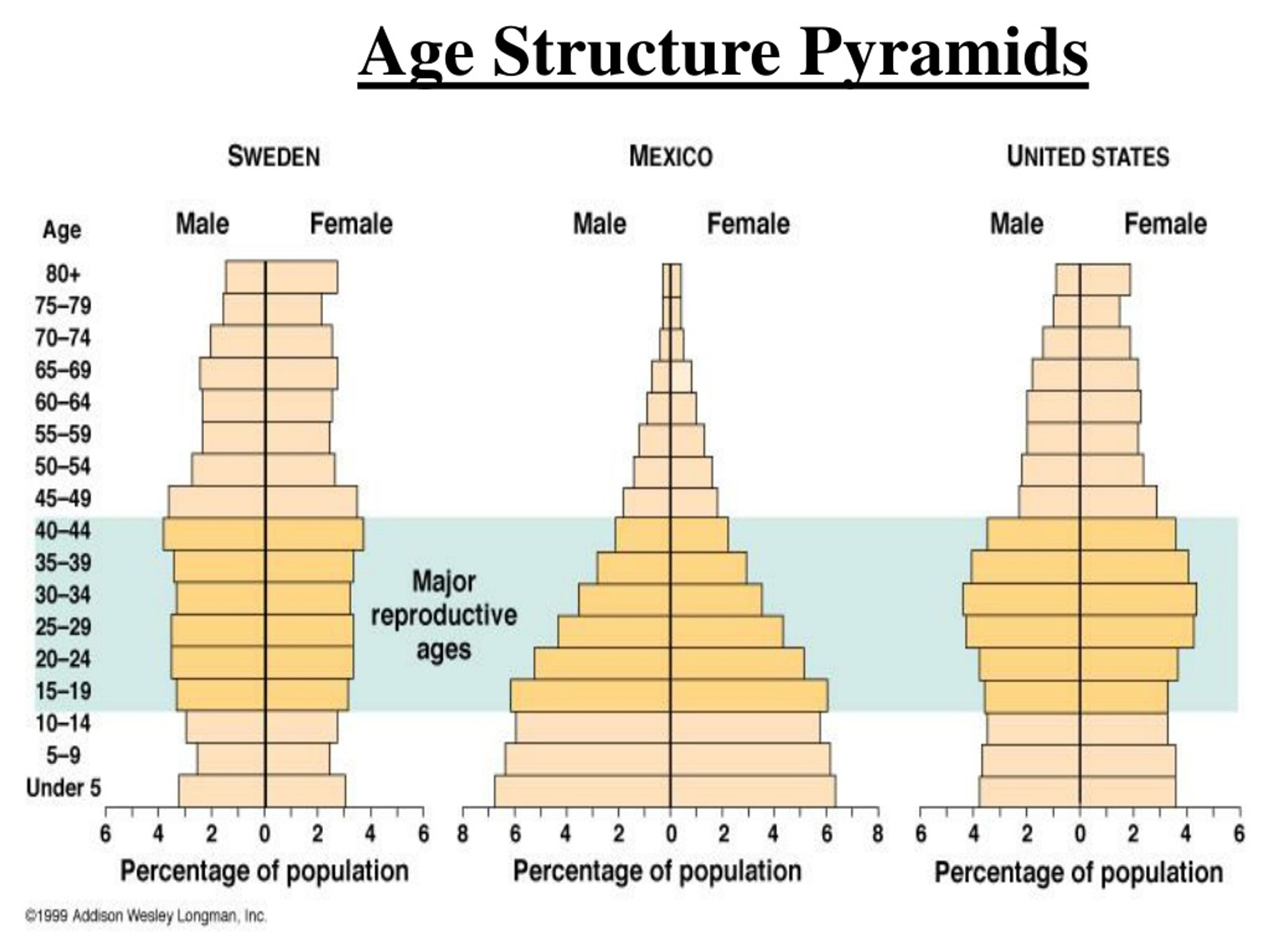
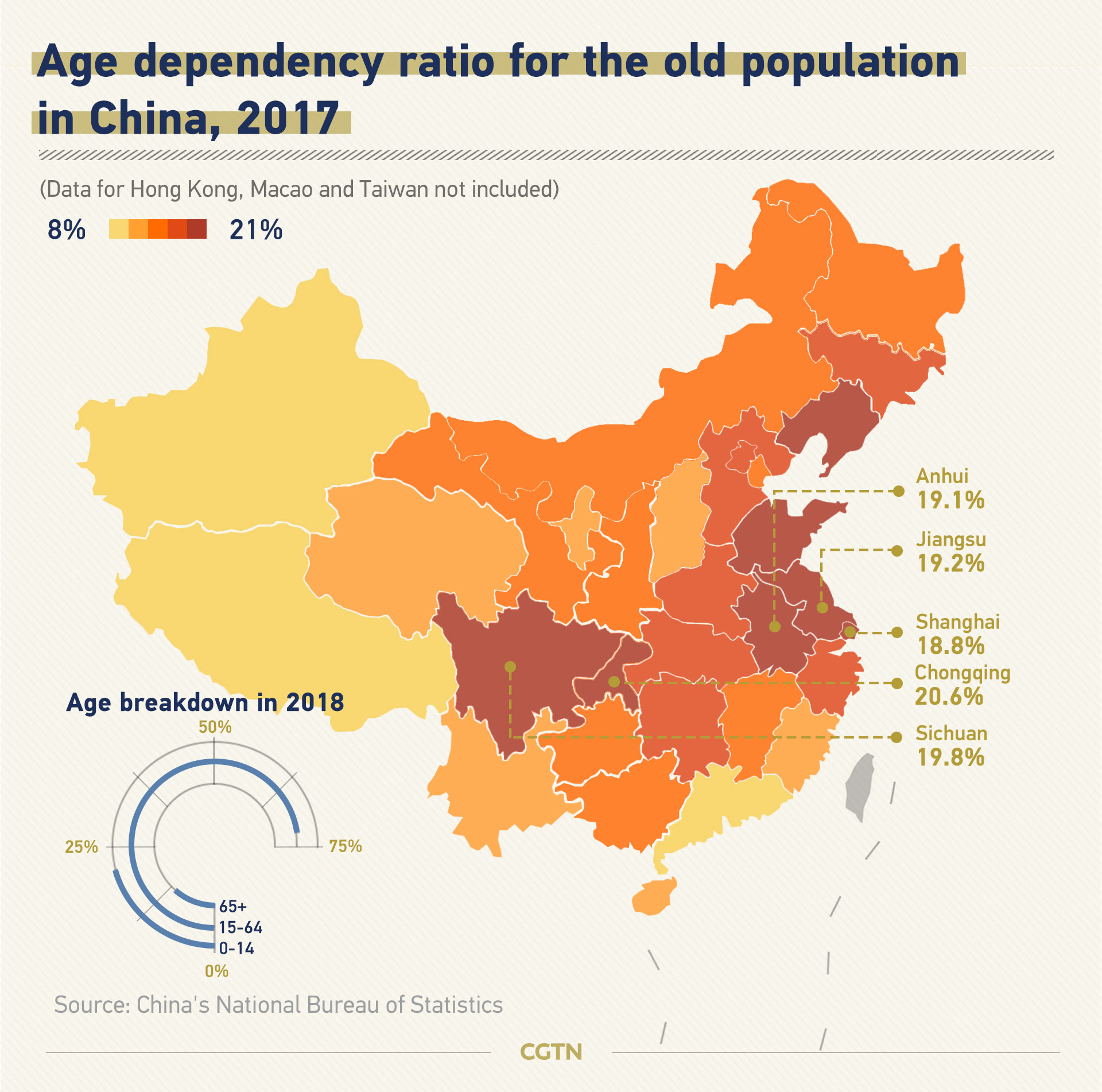
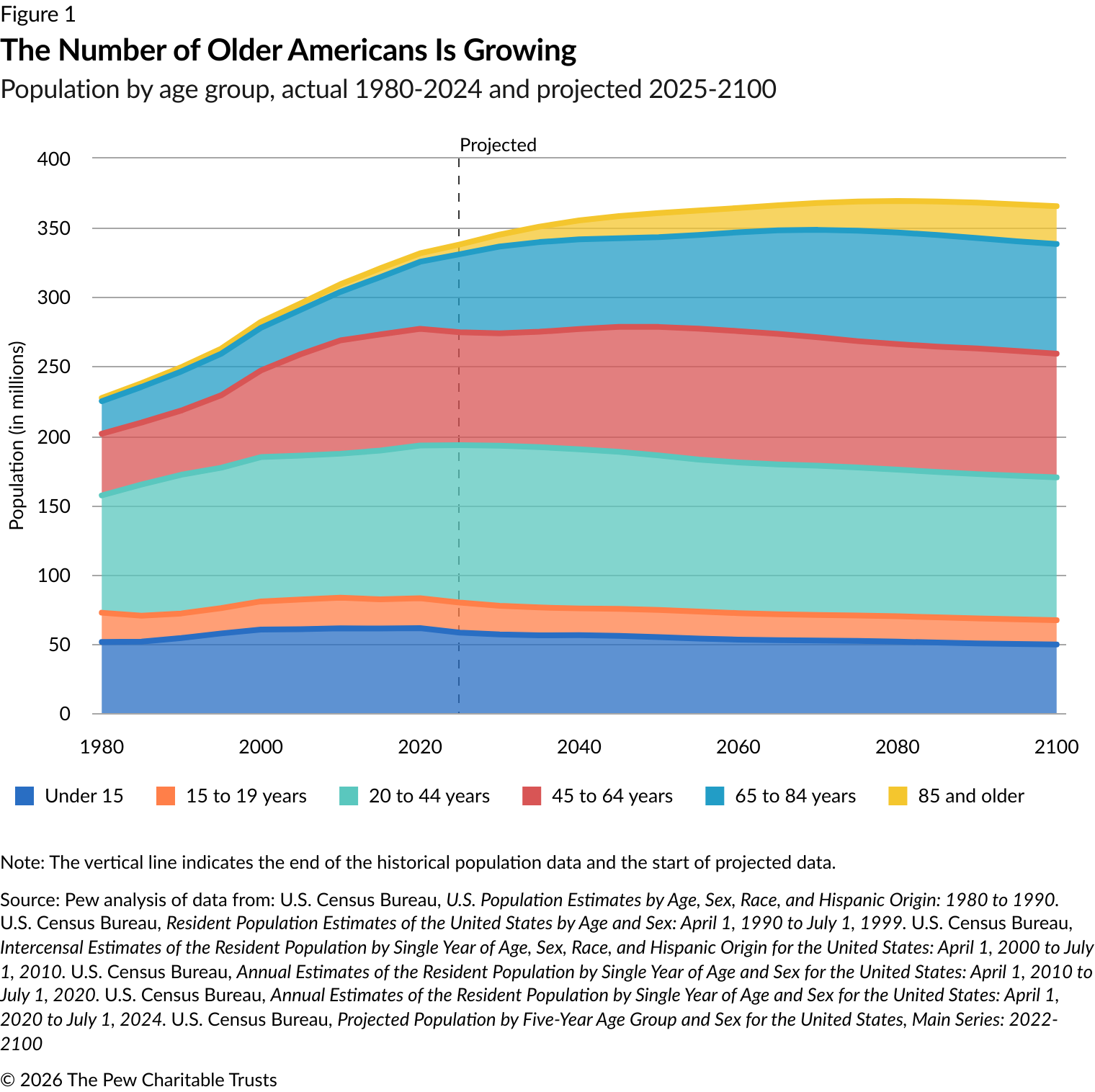
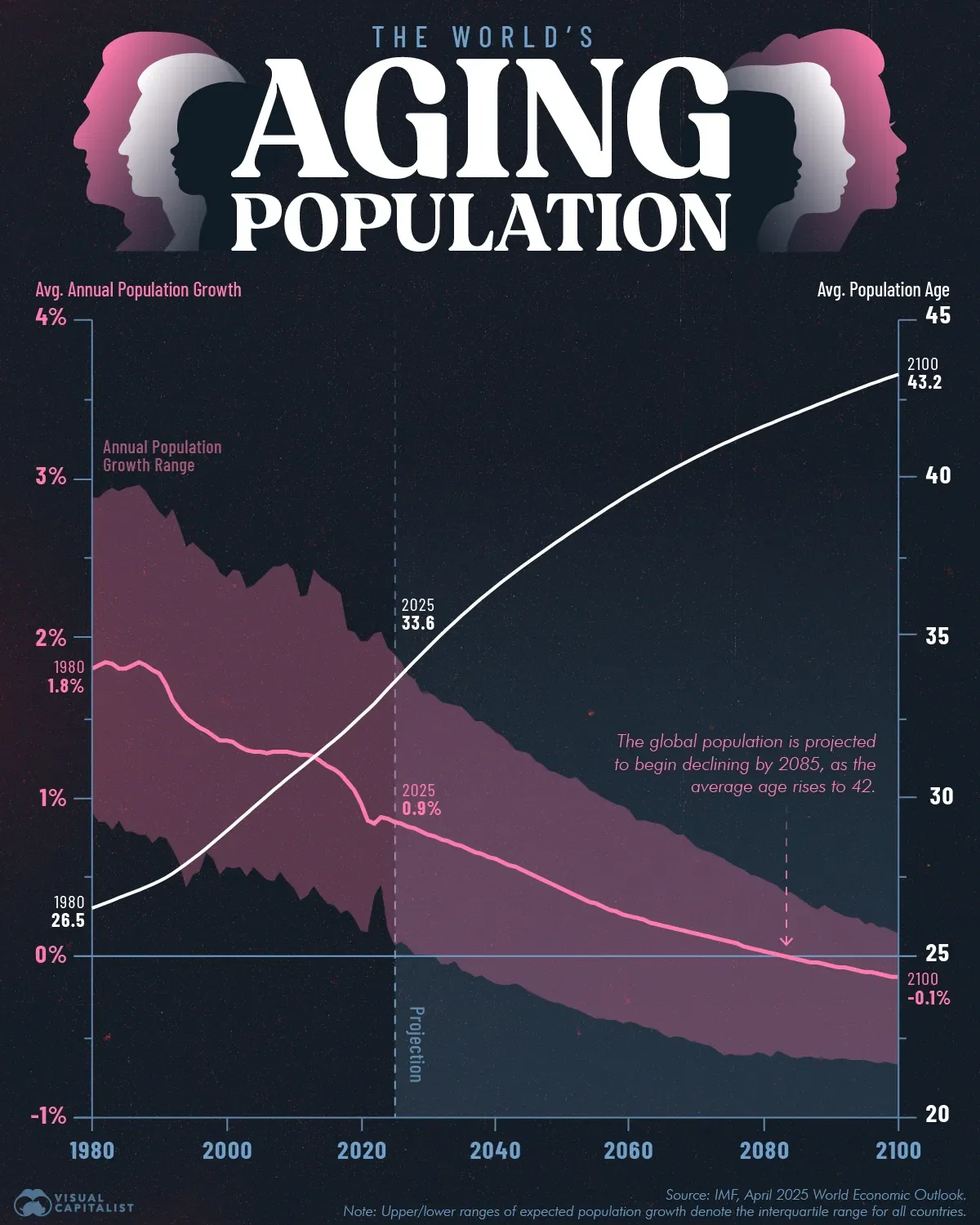
An aging population represents a demographic shift where the median age of a country or region rises, typically characterized by increased life expectancy and declining fertility rates. This phenomenon challenges existing economic structures, healthcare systems, and labor markets, necessitating proactive policy adaptations to ensure sustainable support for older generations while maintaining social stability.
Understanding the Demographic Transition
The global aging trend is primarily driven by two convergent demographic forces: increased longevity resulting from advancements in medical science, public health, and nutrition, and a systematic decrease in birth rates across developed and many developing nations. As populations shift, the old-age dependency ratio—the ratio of individuals aged 65 and over to the working-age population—climbs steadily.
In 2026, many industrialized nations find themselves in a phase where a shrinking workforce must support a growing cohort of retirees. This transition is not merely a statistical curiosity but a fundamental alteration of the social contract. It forces governments to re-evaluate the viability of "pay-as-you-go" pension systems, which rely on the contributions of current workers to fund the benefits of current retirees. When the number of contributors decreases relative to the number of beneficiaries, fiscal imbalances emerge, leading to discussions about raising retirement ages, increasing contribution rates, or restructuring benefit packages.
Economic Implications for Labor and Productivity
One of the most immediate impacts of an aging population is a potential reduction in the labor force participation rate. As older workers exit the workforce in larger numbers, industries face acute talent shortages, particularly in specialized technical fields and essential services. This phenomenon creates a "silver ceiling" where the transfer of knowledge from older, experienced workers to younger cohorts becomes a critical operational priority for businesses.
To mitigate labor shortages, organizations are increasingly investing in automation, artificial intelligence, and robotics to maintain productivity levels despite a shrinking human workforce. Simultaneously, there is a push to retain older workers through phased retirement programs, flexible working arrangements, and comprehensive reskilling initiatives. These strategies allow individuals to remain economically active longer, which can bolster tax revenues and reduce the pressure on social security systems. However, these shifts also require significant changes in workplace culture and management practices to accommodate the needs of a multi-generational workforce.
Healthcare Systems and the Rise of Chronic Care
The shift toward an older population significantly alters the demand profile for healthcare services. While the 21st century has seen dramatic improvements in treating acute conditions, an aging demographic shifts the focus toward the management of chronic, non-communicable diseases such as cardiovascular issues, diabetes, and cognitive decline. These conditions require long-term, multi-disciplinary care models rather than episodic treatment.
Healthcare systems in 2026 are increasingly adopting integrated care pathways that emphasize preventative medicine and the use of telehealth to monitor patients in their homes. The goal is to move care away from expensive institutional settings, such as acute-care hospitals, toward community-based solutions and specialized geriatric facilities. This transition requires significant investment in medical infrastructure, the training of healthcare workers in gerontology, and the development of sustainable funding models to support long-term care, which currently presents a massive fiscal challenge for both the public and private sectors.
Comparative Overview of Aging Responses
The following table summarizes how different sectors adapt to the challenges posed by an aging population.
| Sector | Primary Challenge | Strategic Response |
|---|---|---|
| Finance | Pension fund depletion | Increased retirement age & private investment |
| Labor | Reduced workforce supply | Automation & flexible retention programs |
| Healthcare | Chronic disease management | Shift to home-based care & telehealth |
| Infrastructure | Accessibility deficiencies | Universal design & age-friendly urban planning |
| Government | Rising social expenditures | Tax reforms & public-private partnerships |
Housing and Urban Infrastructure Requirements
As the proportion of older citizens grows, the built environment must adapt to reflect their specific physical and social needs. The concept of "age-friendly" cities has moved from a theoretical ideal to a practical necessity. This includes retrofitting residential housing to allow for "aging in place"—the ability for individuals to live in their own homes safely and independently for as long as possible.
This movement necessitates widespread adoption of universal design principles, such as step-free entries, wider doorways, and smart home technology designed to monitor health metrics or detect emergencies. Furthermore, urban planning is being forced to reconsider transit accessibility and the density of essential services. Proximity to clinics, grocery stores, and social spaces is essential to prevent the social isolation that often accompanies aging, which is recognized as a significant risk factor for mental and physical health deterioration.
Challenges in Long-Term Care Funding
Funding long-term care (LTC) remains one of the most contentious issues for policymakers in 2026. Because LTC is often not fully covered by traditional health insurance or social security systems, the financial burden frequently falls on individuals and families. This creates a risk of wealth depletion for the elderly and adds strain to informal caregivers—typically family members who sacrifice their own career opportunities to provide support.
Governments are currently exploring various funding models, including mandatory long-term care insurance (similar to models seen in parts of Europe and East Asia), state-subsidized care programs, and tax incentives for those who purchase long-term care policies. However, the high cost of such programs often conflicts with the desire to keep taxes low and government budgets balanced. Navigating these tradeoffs requires a long-term perspective that balances the immediate needs of the current elderly population with the long-term fiscal health of the state.
Addressing Social Isolation and Purpose
Beyond the logistical and fiscal aspects, the aging population presents a psychological and social challenge. The retirement phase of life, if not accompanied by a sense of purpose or social integration, can lead to depression and rapid cognitive decline. Many communities are now fostering intergenerational programs, such as mentorship opportunities or shared living spaces, which bridge the gap between younger generations and seniors.
These initiatives are crucial for maintaining the "social capital" of a community. By valuing the experience of older adults and providing platforms for them to engage in volunteerism or lifelong learning, society can mitigate the negative externalities of an aging population. Ensuring that older individuals remain connected to their communities not only improves their quality of life but also reduces the secondary costs associated with healthcare and emergency social interventions.
Frequently Asked Questions
How does an aging population affect the economy?
An aging population typically leads to a smaller labor force and higher expenditures on pensions and healthcare. This can slow GDP growth unless countered by significant increases in labor productivity through technology, higher workforce participation among older adults, or increased immigration of working-age individuals.
What is the concept of "aging in place"?
"Aging in place" refers to the ability of seniors to live in their own homes and communities safely, independently, and comfortably, regardless of age, income, or ability level. It involves modifying homes for accessibility and providing community-based support services.
Why are birth rates declining alongside aging populations?
Declining birth rates are often attributed to factors such as increased female workforce participation, higher costs of raising children, delayed marriage, and improved access to contraception. This combination leads to a smaller younger generation, exacerbating the demographic imbalance.
Is retirement age expected to rise globally?
Yes, in 2026, many nations have already implemented or are legislating gradual increases in the official retirement age. This is a direct response to the fiscal pressure caused by longer life expectancies, aiming to keep individuals in the tax-paying workforce longer.
How can technology help the aging population?
Technology, often referred to as "AgeTech," helps by providing remote health monitoring, assistive devices for mobility, automated reminders for medication, and digital communication tools that combat social isolation.
Strategic Planning for an Aging Society
To effectively address the shift toward an older society, stakeholders—ranging from individual families to national governments—must prioritize proactive planning. For individuals, this means prioritizing retirement savings, long-term care insurance, and early decisions regarding housing modifications. For policymakers, the focus must remain on multi-faceted reform: strengthening fiscal policy to handle rising social costs, incentivizing the integration of older workers, and investing in preventative healthcare to reduce the burden of chronic disease. Addressing this demographic shift requires a sustained, collaborative effort to reframe aging not as a crisis to be managed, but as a demographic reality that can be successfully integrated into the structure of a functioning, productive society.