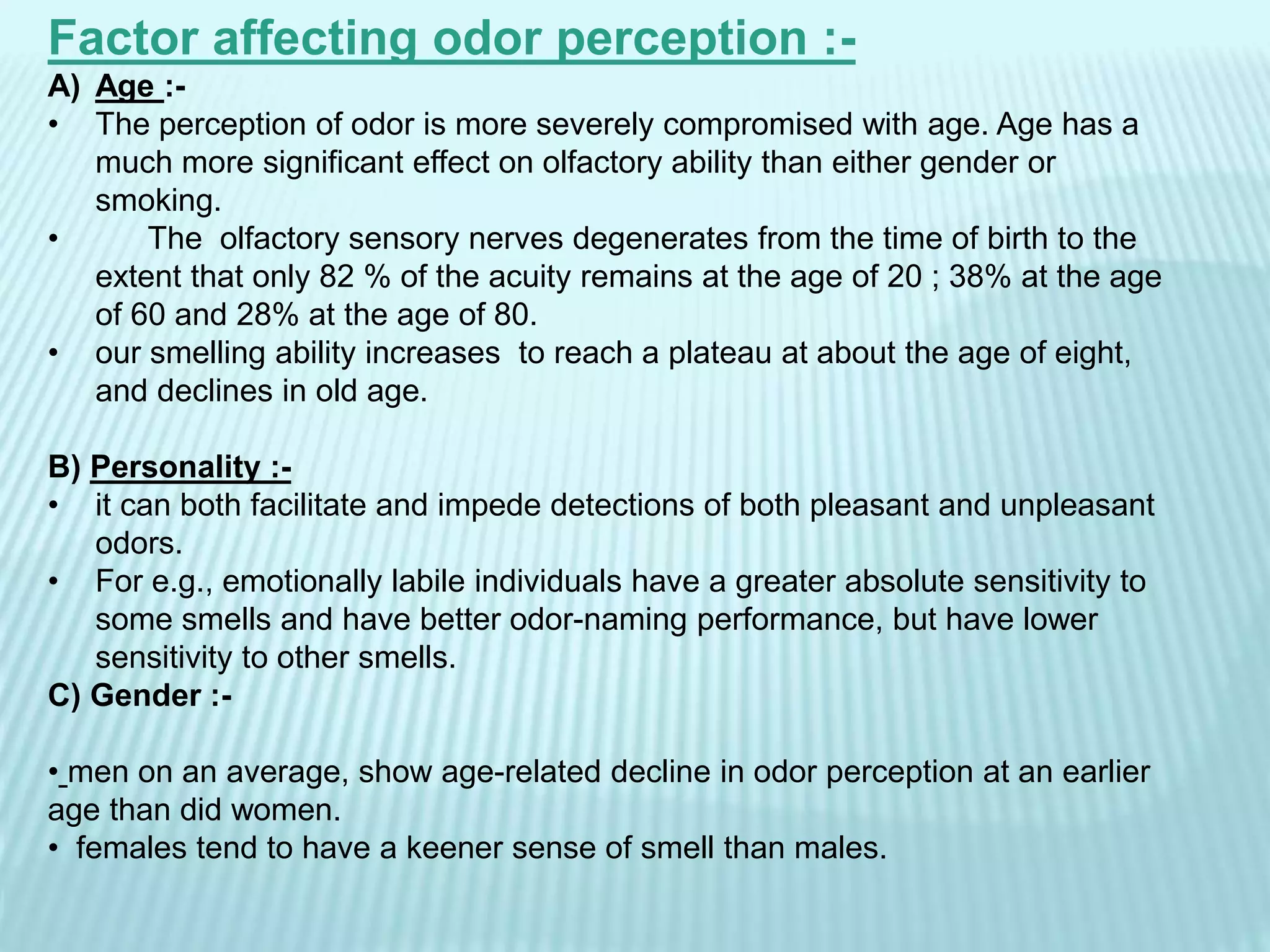
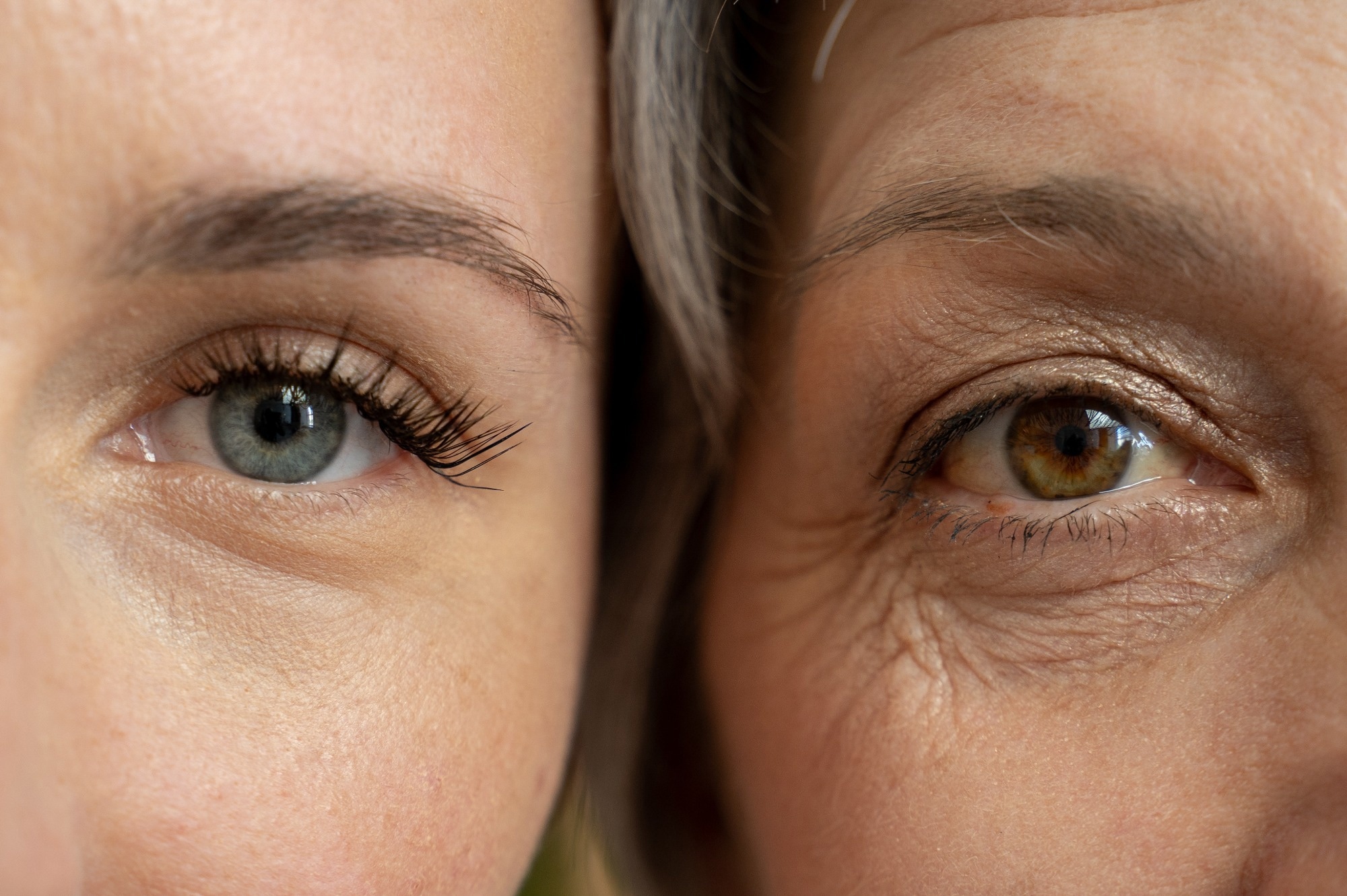
Aging perception refers to the subjective, multifaceted process through which individuals view their own biological progression and the societal attitudes held toward the elderly. This psychological construct encompasses self-stereotyping, internal beliefs about physical decline, and the internalization of cultural narratives surrounding longevity, directly influencing health outcomes, cognitive performance, and overall quality of life.
The Psychology of Subjective Age
At the core of aging perception lies the distinction between chronological age—the number of years a person has lived—and subjective age, which is how old a person feels. Research consistently indicates that those who maintain a younger subjective age compared to their chronological age often report better physical health, lower levels of systemic inflammation, and higher levels of life satisfaction. This phenomenon is not merely an exercise in positive thinking; it reflects a psychological buffer against the stress of age-related stressors.
When individuals internalize negative stereotypes about aging, such as the assumption that mental decline is inevitable, they are more likely to experience what psychologists term "stereotype embodiment." This creates a self-fulfilling prophecy where the expectation of frailty leads to reduced physical activity and cognitive engagement. Conversely, shifting the perception of aging toward a focus on continued development and experience can act as a protective factor, promoting resilience even in the face of normative biological changes.
Cultural Narratives and Societal Influence
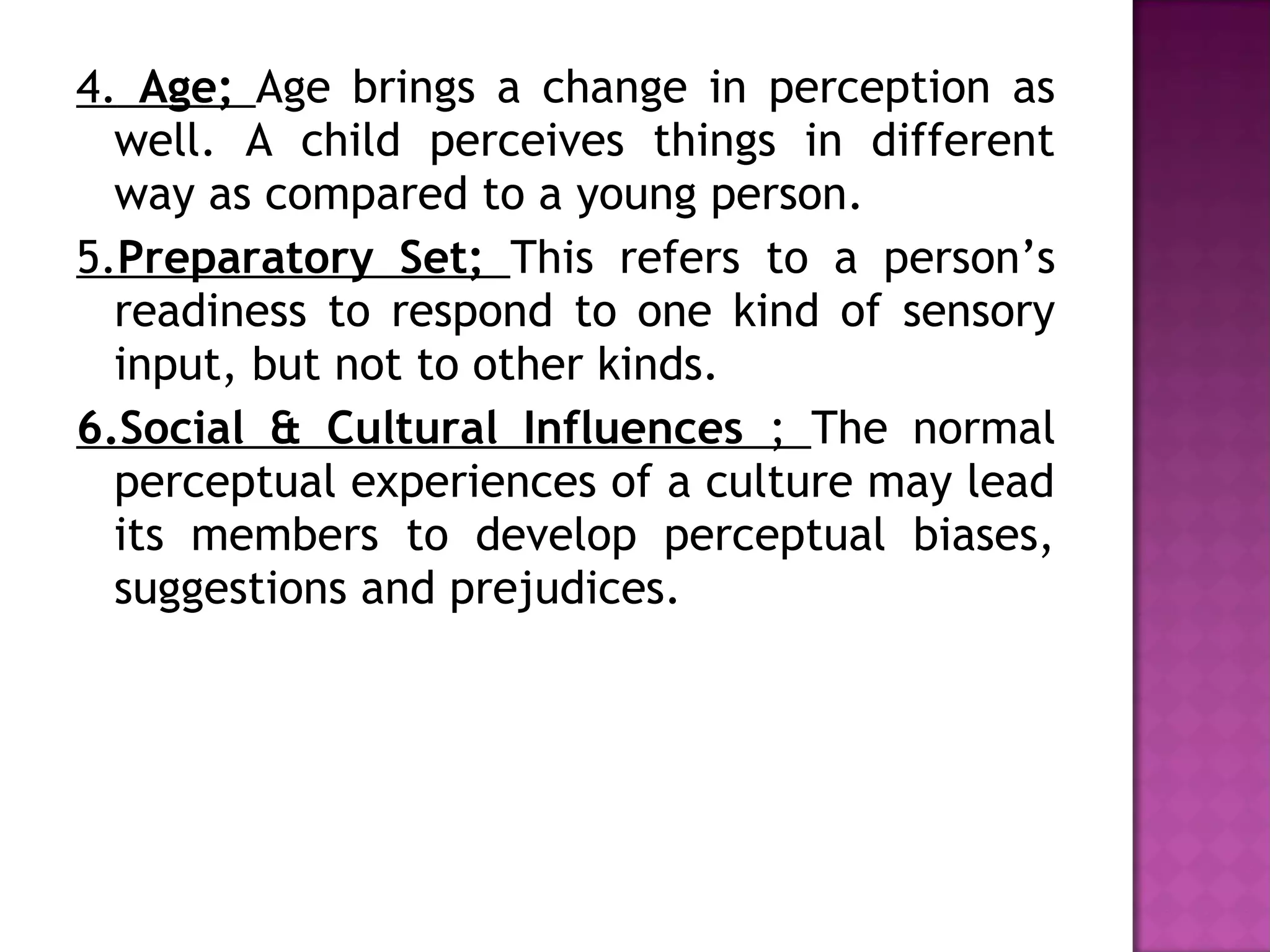
Societal frameworks significantly shape how aging is perceived. In many Western cultures, youth-centric media and a focus on "anti-aging" products reinforce the idea that aging is a decline to be managed or concealed. This creates a cultural tension where older adults are often relegated to the background, leading to social isolation or a loss of perceived utility.
In contrast, cultures that integrate traditional wisdom and prioritize intergenerational social structures often exhibit more positive aging perceptions. These environments foster a sense of "generativity"—the concern for establishing and guiding the next generation—which is a primary predictor of psychological well-being in later life. Recognizing these cultural biases is the first step for individuals to decouple their personal identity from external labels, allowing them to define their own experience of maturity.
Physiological Impacts of Mental Constructs
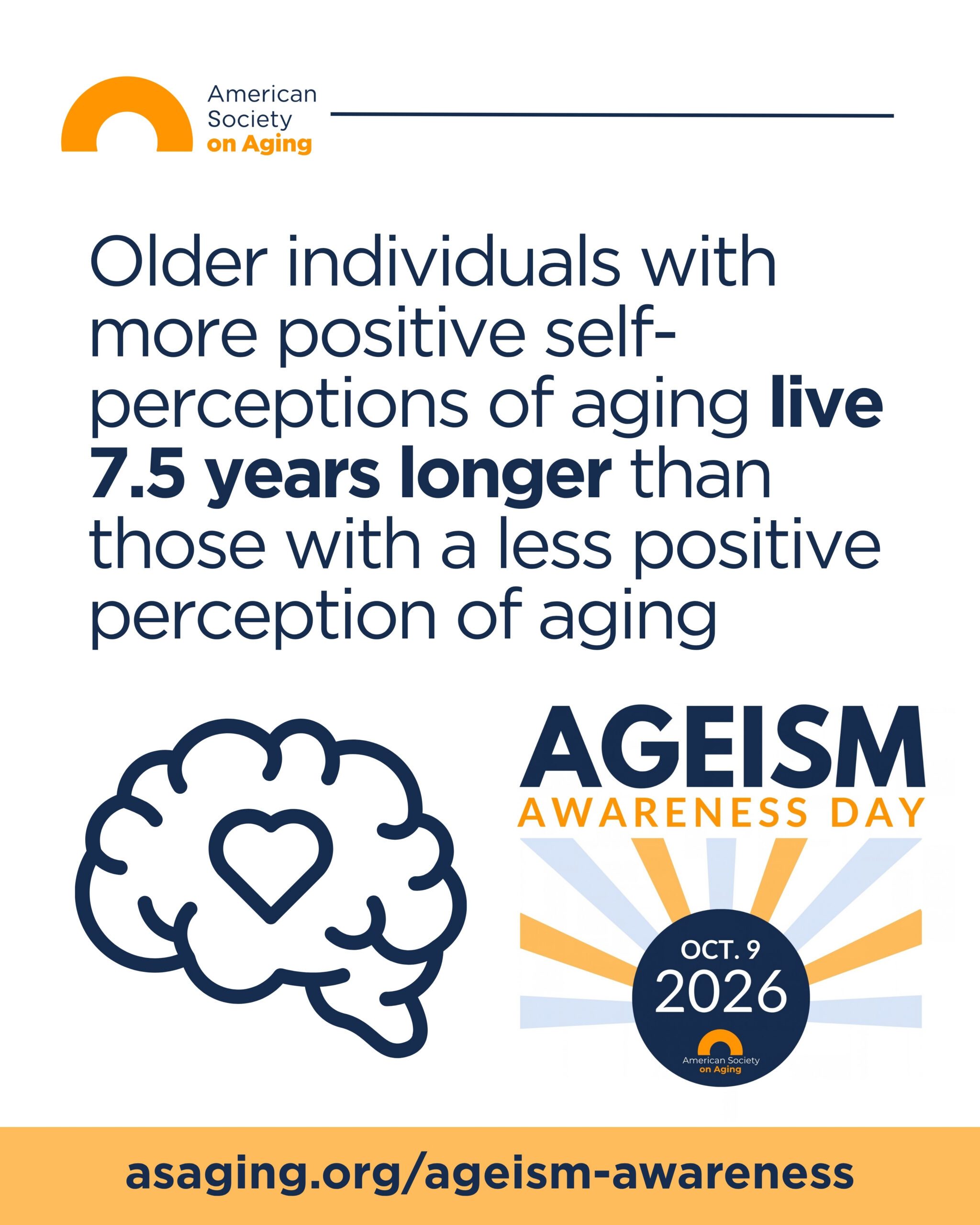
The connection between the mind and body regarding aging is substantiated by measurable biological markers. Longitudinal studies have shown that individuals with more positive self-perceptions of aging have a lower incidence of cardiovascular events and demonstrate better recovery rates from physical injury. This is likely mediated by the body's stress response. If an individual views aging as a period of growth rather than a countdown to dependency, their cortisol levels—a hormone associated with chronic stress—are generally lower.
Furthermore, aging perception affects behavioral choices. Those who perceive themselves as capable and active are significantly more likely to adhere to exercise regimens and engage in preventative health screenings. The belief that one has control over their health trajectory is a critical determinant of medical compliance. When an older adult feels that their health is beyond their influence, they are less likely to seek treatment for manageable conditions, thereby accelerating the decline they feared in the first place.
Evaluating Aging Perception Factors
To better manage how one navigates the aging process, it is helpful to categorize the elements that influence perception. The table below outlines key factors that differentiate internal and external influences.
| Factor Category | Internal Influence | External Influence |
|---|---|---|
| Cognitive Health | Belief in neuroplasticity | Societal stigma of memory loss |
| Physical Capability | Focus on functional mobility | Media portrayal of disability |
| Social Role | Desire for mentorship/teaching | Retirement-only identity constructs |
| Time Orientation | Future-focused goal setting | Fixation on past milestones |
Identifying Common Cognitive Traps
One of the most significant barriers to a healthy aging perception is the "all-or-nothing" fallacy regarding physical and cognitive capability. Many people assume that reaching a certain age must result in a total cessation of specific activities, such as high-intensity learning or complex physical exertion. This binary thinking—categorizing one's life strictly as "productive" versus "declining"—neglects the nuanced reality of shifting capacities.
Another trap is the comparison bias. In an age of digital connectivity, individuals often compare their current experience with the idealized, curated lives of others, or with their own younger selves. By measuring current worth against a standard that is no longer applicable or accurate, individuals can experience unnecessary distress. Experts suggest that "aging well" requires a recalibration of personal goals, focusing on current capacity and meaningful engagement rather than matching the pace of earlier life stages.
Practical Strategies for Shifting Perspective
For individuals looking to cultivate a more resilient view of their own aging process, the following approaches provide a structured framework for change:
- Reframing Developmental Milestones: Instead of viewing time as a diminishing resource, categorize it as an accumulation of adaptive strategies. Focus on what is gained—such as emotional regulation, crystallized intelligence, and perspective—rather than what is lost.
- Curating Information Environments: Critically evaluate the media consumed. Excessive exposure to content that relies on age-based humor or negative tropes can unconsciously reinforce self-limiting beliefs.
- Prioritizing Intergenerational Interaction: Regularly engaging with individuals from different age groups helps to normalize the aging process and provides a realistic view of how varied life experiences are across the lifespan.
- Implementing Cognitive Maintenance: Challenge the assumption that learning stops after professional retirement. Engaging in new, difficult tasks acts as a potent signal to the brain that the individual is still in a phase of growth.
Frequently Asked Questions
Is subjective age a reliable indicator of health?
Yes, research in behavioral medicine consistently shows that feeling younger than one's chronological age correlates with higher physical and mental health markers. It serves as a psychological indicator of resilience and a willingness to engage in health-promoting behaviors.
How do I combat internalized ageism?
The most effective way is through active cognitive reappraisal. When you find yourself attributing a negative experience (such as a memory lapse) to age, pause and analyze if other factors—such as fatigue, stress, or lack of focus—are the true causes. Replacing age-essentialist explanations with realistic, actionable ones reduces the impact of internalized stigma.
Does society affect how we age physically?
Societal perception influences the environment in which we age. If a society provides accessible infrastructure, respects the input of older citizens, and minimizes stereotypes, the individual is more likely to remain active and socially integrated, which directly benefits physical health through increased movement and reduced stress.
Can therapy help change aging perception?
Yes, cognitive-behavioral techniques are frequently used to help individuals address fears regarding mortality, loss of independence, and role identity. By identifying and challenging maladaptive thoughts about aging, therapists can help patients develop a more objective and empowered view of their current life stage.
Recommendations for Future Engagement
To effectively manage aging perception, begin by conducting a personal audit of your beliefs regarding the next five years of your life. Identify where you might be limiting your potential due to age-related assumptions. Seek out communities or hobbies that emphasize competency and connection rather than passive consumption. If you feel overwhelmed by the transition into later life stages, consult with a geriatric counselor or a therapist specializing in life-cycle transitions. Your goal is not to ignore the reality of biological aging, but to ensure that your mental narrative does not prematurely restrict your activity, agency, or potential for continued contribution.