The perception of "aggressive" spiders is largely a misunderstanding of defensive behavior; most spider species bite only as a last resort when they feel threatened, trapped, or handled. While thousands of species exist globally, only a small fraction possess venom potent enough to cause medically significant reactions in humans. Identifying common biting species and implementing simple home-management strategies effectively eliminates the majority of risks associated with spider encounters.
Understanding Spider Behavior and the Myth of Aggression
In arachnology, the term "aggressive" is rarely applied to spiders. Most spiders are solitary, timid predators that prefer to flee or remain motionless when disturbed. A spider typically bites only when it perceives an immediate threat to its life, such as being crushed against skin, trapped in clothing, or provoked by handling.
What many homeowners interpret as aggressive behavior—such as a spider rushing toward them—is often a desperate attempt to escape. Because spiders have poor vision and rely heavily on vibration sensing, a human stepping near them can trigger a panic response that causes the spider to run in a seemingly direct path toward the person, simply because that is the only open route. Distinguishing between genuine aggression and a defensive escape response is critical for homeowners looking to mitigate fears and manage populations safely.
Key Species Known for Medically Significant Bites
While most spiders are harmless, a few species in North America have developed a reputation for causing significant pain or systemic issues. It is important to note that even among these species, bites are statistically rare and usually avoidable.
The Black Widow (Latrodectus species)
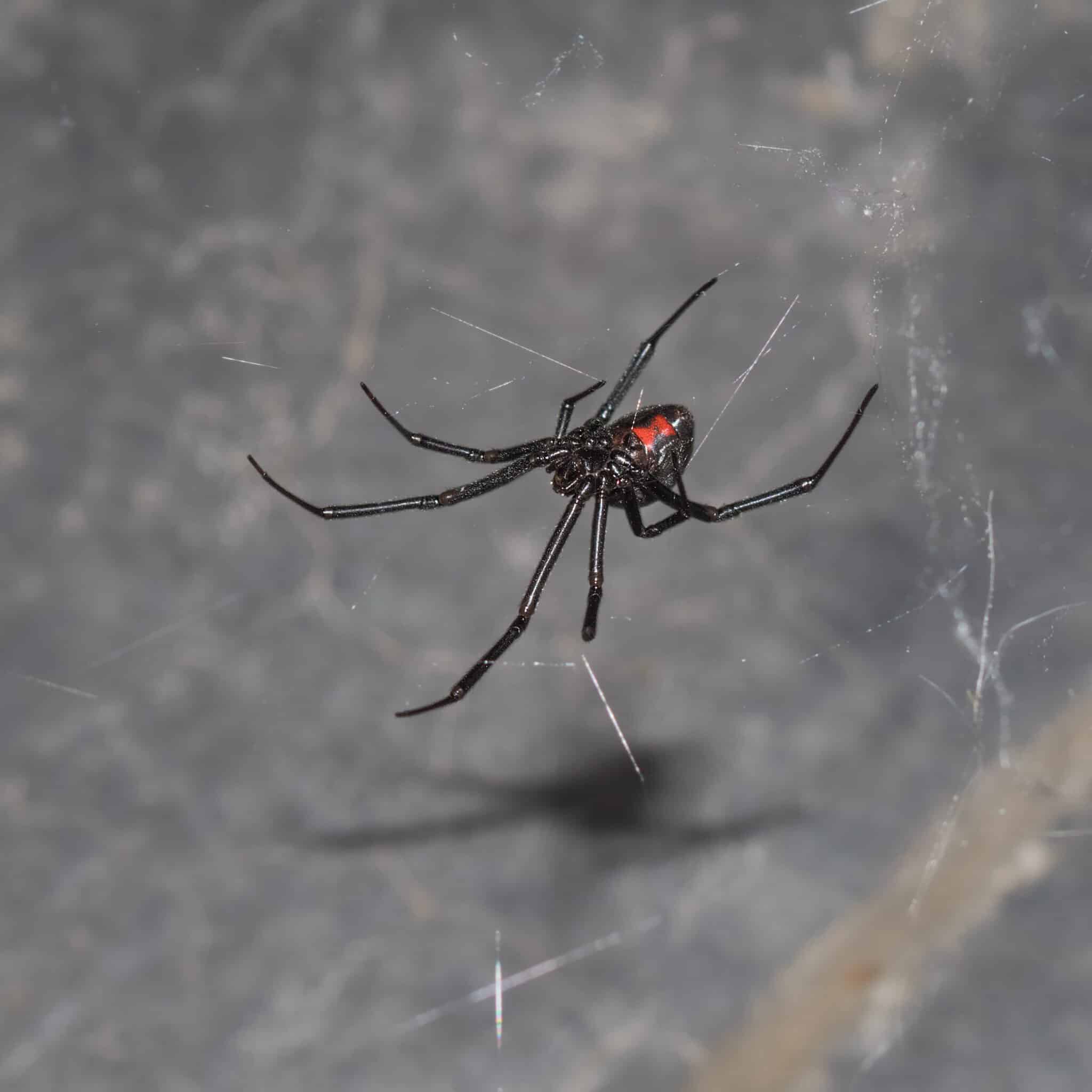
The black widow is easily identified by the female’s glossy black abdomen and the distinct red hourglass marking on the underside. They prefer dark, undisturbed, and sheltered locations such as woodpiles, cluttered sheds, and crawl spaces. Their venom is neurotoxic, which can cause severe muscle cramps, abdominal pain, and nausea. They are not aggressive; they spend the vast majority of their lives anchored to their webs.
The Brown Recluse (Loxosceles reclusa)
The brown recluse is characterized by a violin-shaped marking on its cephalothorax. Unlike web-building spiders, they are wanderers. They prefer to hide in dark, tight spaces—often behind furniture, in cardboard boxes, or inside shoes left on the floor. While their venom is necrotic, causing tissue damage at the site of the bite, they are notoriously reclusive and bite only when crushed against the skin.
The Hobo Spider and Yellow Sac Spider
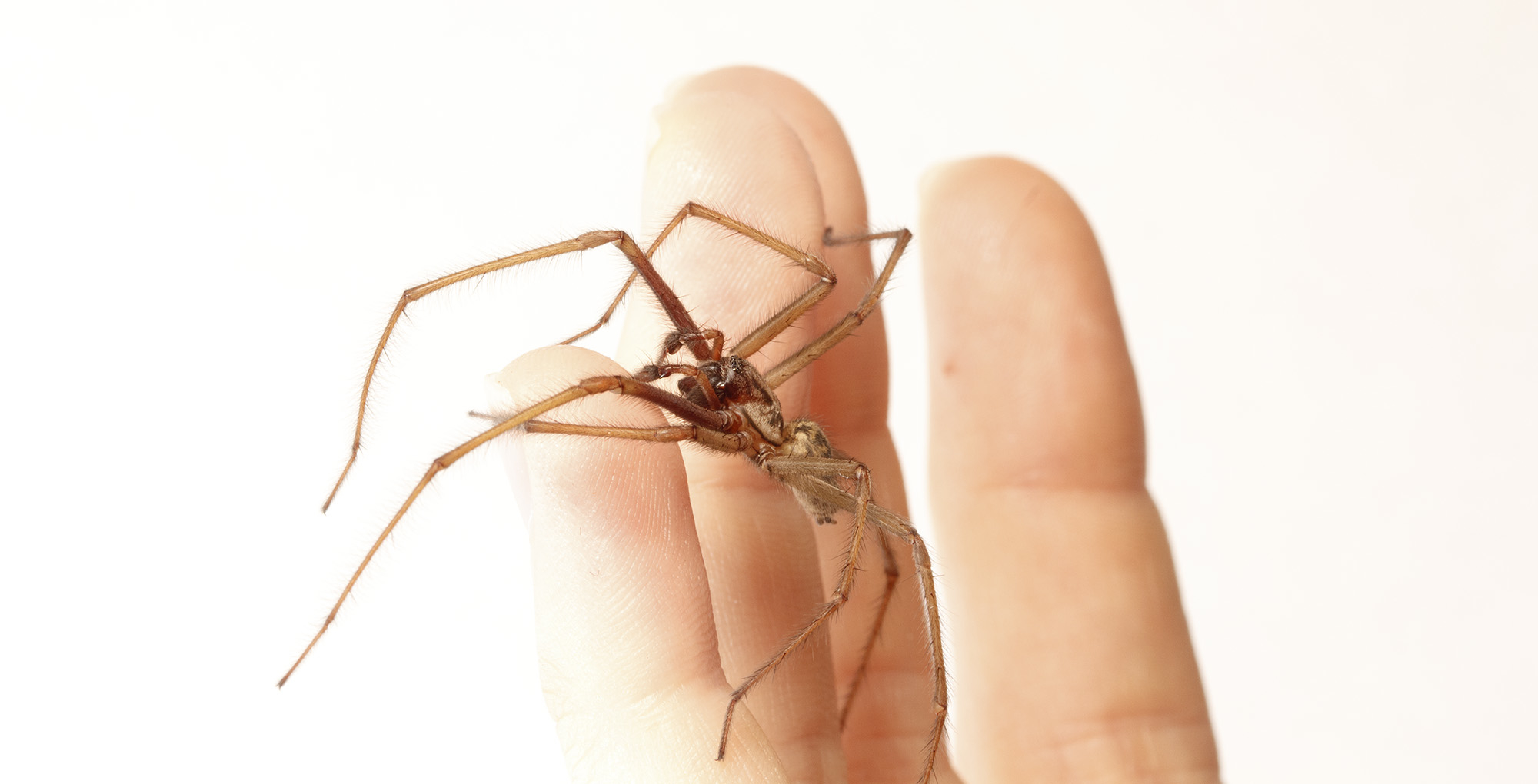
Historically, the hobo spider was labeled highly aggressive and dangerous. Recent research has downgraded the medical severity of their bites, showing them to be significantly less toxic than previously feared. The yellow sac spider, often found indoors, is one of the few species likely to bite if trapped during the night, though the result is generally minor localized pain and redness.
Comparison of Common Indoor Spider Risks
| Spider Species | Typical Habitat | Bite Tendency | Medical Significance |
|---|---|---|---|
| Black Widow | Dark, sheltered corners | Low (defensive) | High (Neurotoxic) |
| Brown Recluse | Clutter, shoes, boxes | Low (if crushed) | High (Necrotic) |
| Yellow Sac | Ceilings, curtains | Moderate (if trapped) | Low to Moderate |
| Common House | Corners, high shelves | Very Low | Negligible |
Practical Strategies for Spider Avoidance
Reducing the presence of spiders in your living environment requires a multi-faceted approach focusing on habitat modification, exclusion, and sanitation.
Eliminating Harborages
Spiders thrive in clutter. Piles of firewood, cardboard boxes, old clothing, and construction debris provide ideal hunting and nesting grounds. By organizing storage areas and elevating items off the floor, you reduce the number of dark, protected crevices available for spiders to hide in. This is particularly important in garages, basements, and attics.
Physical Exclusion
Spiders enter homes primarily through gaps in the building envelope. Inspect your home's foundation, window screens, and door sweeps for cracks or gaps. Ensuring that screens are properly fitted and that weather stripping is intact will prevent the entry of both spiders and the insects they feed on.
Light Management
Many of the insects that spiders hunt are attracted to light. Using yellow-hued or LED exterior bulbs, which are less attractive to moths and other flying insects, will keep the insect population near your home’s entry points low. With less food available, spiders are less likely to establish populations on your porch or around your doorways.
Indoor Maintenance and Sanitation
Regular cleaning is the most effective deterrent against spider establishment. Vacuuming thoroughly along baseboards, behind furniture, and in corners removes not only the spiders themselves but also their egg sacs and webbing. This disrupts their breeding cycle and forces surviving spiders to relocate to more suitable environments outside your home.
When cleaning, prioritize areas that are rarely disturbed. If you are cleaning an attic or a shed that has been closed for a long period, wear gloves and long sleeves. This simple precaution provides a physical barrier that prevents accidental contact with a spider that might be hiding in a dark crevice.
When to Seek Professional Assistance
While most spider control can be handled through housekeeping and exclusion, there are instances where professional pest management is necessary. If you suspect an infestation—characterized by seeing multiple spiders daily or finding large numbers of egg sacs—a pest control professional can help identify the species and apply targeted, safe treatments.
Professionals can also assist in identifying structural weaknesses in your home that are allowing spiders to enter. If you or a family member have a known allergy to insect venom or are at higher risk for severe reactions, professional preventative maintenance provides an added layer of assurance.
Frequently Asked Questions
How do I know if a spider bite requires medical attention?
You should seek medical care if you experience systemic symptoms such as severe muscle cramps, difficulty breathing, intense nausea, or if the site of the bite becomes necrotic (developing a dark, crater-like sore). For minor bites, clean the area with soap and water, apply a cool compress, and monitor the site for signs of infection.
Do spiders bite more often in the summer?
Spiders are more active during warmer months, leading to a higher frequency of incidental contact between humans and arachnids. While they are not inherently more aggressive in the summer, their increased mobility and the higher number of insects to hunt can lead to a greater likelihood of them entering living spaces.
Can peppermint oil or vinegar really keep spiders away?
While many anecdotal claims exist regarding essential oils and vinegar, there is little rigorous scientific evidence to support them as effective, long-term deterrents. Physical exclusion, sanitation, and removing harborage areas remain the only proven methods for long-term spider population management.
Are all house spiders dangerous?
No. The vast majority of common house spiders are completely harmless to humans. Their presence often indicates that they are helping to manage other insect populations, such as flies or gnats, within your home.
Should I kill every spider I see?
It is not necessary to kill every spider you see. Many spiders serve as natural pest control. If a spider is in a non-traffic area, it is often best to leave it alone. If it is in a location where it might be disturbed, use a container and a piece of paper to catch and release it safely outdoors.
Recommended Next Actions
To minimize risk and maintain a spider-free environment, start by performing a "clutter audit" in your garage and basement this weekend. Remove cardboard boxes—which are notorious for harboring brown recluse spiders—and replace them with sealed plastic bins. Next, inspect the exterior perimeter of your home for gaps under doors or around window frames that require caulking or new weather stripping. By prioritizing these mechanical barriers, you address the root cause of spider entry rather than relying on reactive measures.