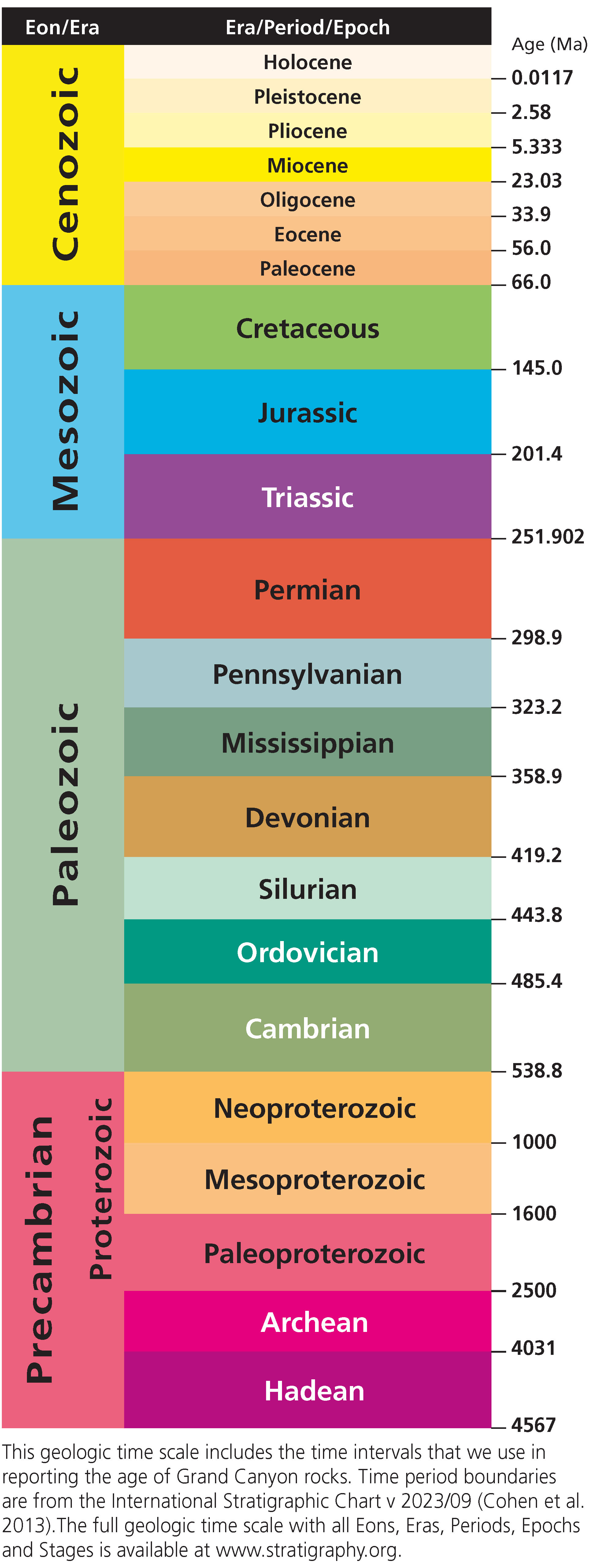
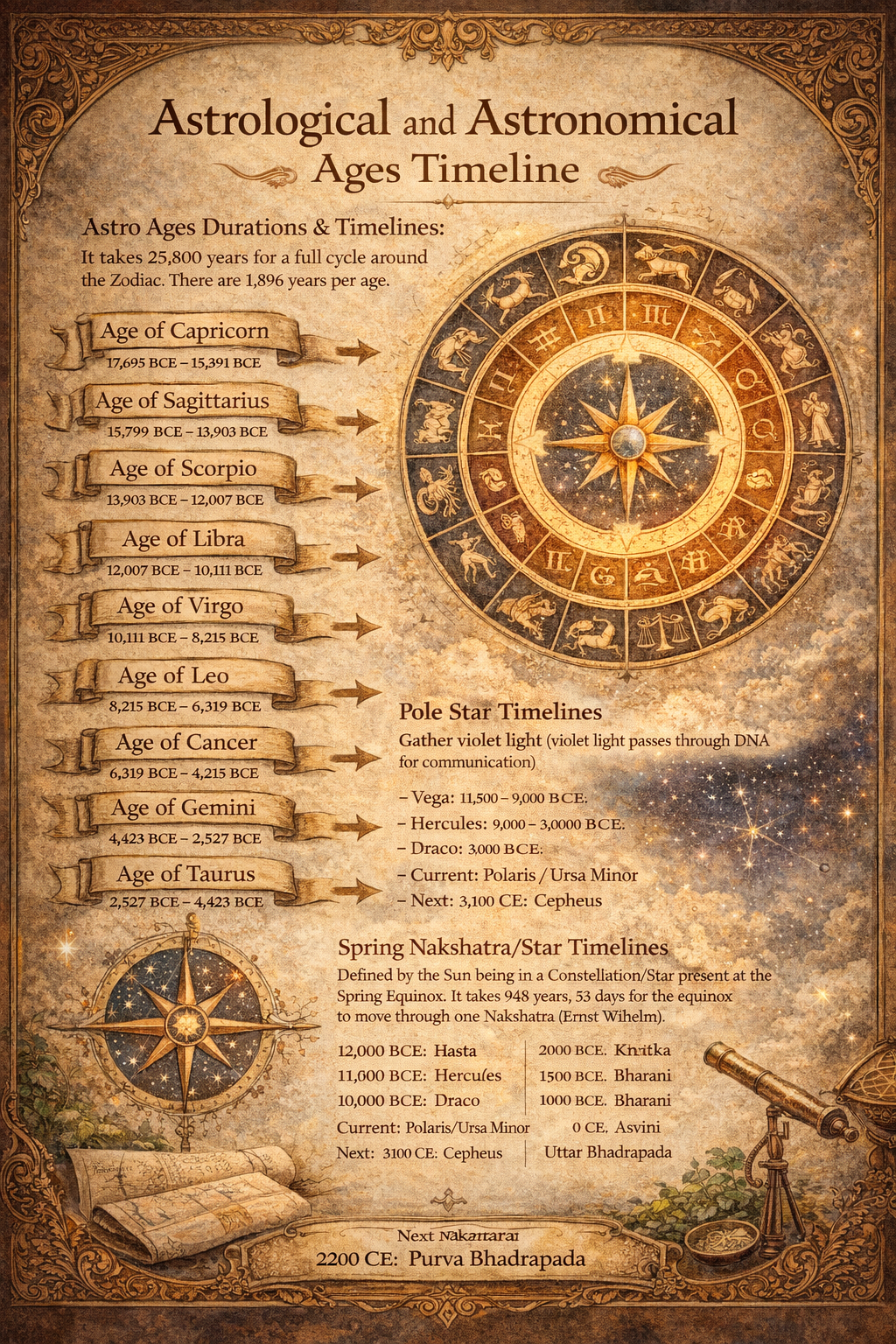
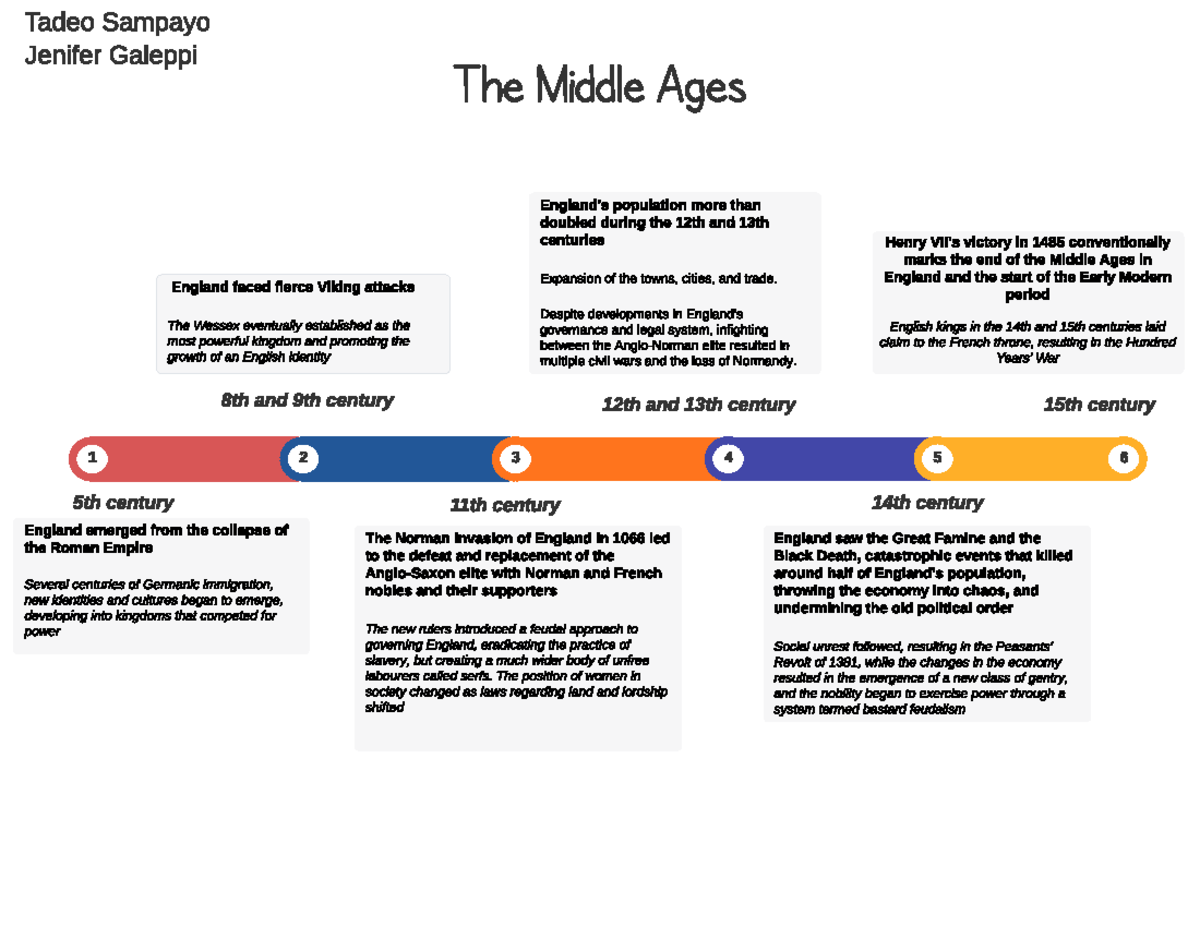
Ages and timelines serve as the foundational framework for organizing historical, developmental, and project-based data. By aligning specific events within a sequential structure, individuals and professionals can interpret the duration between milestones, assess temporal progress, and maintain accurate records of lifespan or project lifecycles. This methodology remains essential for clear, evidence-based communication across various disciplines.
The Structural Importance of Timelines
A timeline is a visual or narrative representation of a sequence of events in chronological order. Unlike a simple list, a timeline provides spatial or sequential context to the "ages"—the specific time elapsed since a starting point—of different entities or processes.
In research and documentation, the primary function of a timeline is to resolve ambiguity regarding when specific actions occurred relative to one another. By anchoring data to a fixed calendar system, such as the Gregorian calendar, writers can eliminate confusion caused by relative terms like "before" or "after," which lack precision without a verified point of reference. Effective timelines must be curated to include only those milestones that are essential to the narrative or project requirements, as excessive detail can obscure the broader trajectory.
Defining "Ages" in Developmental and Historical Contexts
The term "age" is frequently misunderstood, often conflated with a generic period. In technical and analytical contexts, an age represents the exact duration from an inception event to a present-day status or a secondary milestone.
Chronological Accuracy and Verification
When documenting ages, it is critical to distinguish between subjective estimation and empirical measurement. For biological entities, this involves birth date verification. For inanimate projects, products, or legal entities, the "birth" is typically defined by the date of official registration, publication, or deployment. When constructing a timeline, always utilize primary sources to confirm these dates. Secondary sources—such as retrospective articles or summaries—should be cross-referenced against original documentation to prevent the propagation of historical errors.
Methodology for Constructing Effective Timelines
Building a functional timeline requires a systematic approach to data collection and filtering. The objective is not to record every secondary event but to provide a clear path of development.
- Establish the Scope: Define the start and end points of the project or study.
- Identify Primary Milestones: List events that significantly altered the state, status, or direction of the subject.
- Verify Dates: Use official records to ensure each milestone is placed correctly.
- Determine Intervals: Calculate the duration (age) between these milestones to understand the pace of development.
- Review for Clarity: Remove redundant events that do not contribute to the overall narrative or functional requirement.
This process ensures that the timeline serves as a tool for analysis rather than a cluttered archive. By focusing on critical junctures, the resulting structure provides immediate value to the reader.
Comparative Frameworks for Data Organization
Different types of data require different approaches to timeline construction. For instance, a project management timeline focuses on dependencies and deadlines, whereas a historical timeline prioritizes context and outcome. The following table illustrates how different contexts influence the selection of information for a timeline.
| Context | Primary Goal | Focus Points | Temporal Resolution |
|---|---|---|---|
| Project Management | Efficiency | Milestones, Deadlines | Daily/Weekly |
| Historical Analysis | Context | Causes, Consequences | Yearly/Decadal |
| Product Lifecycle | Value | Release, Iteration, EOL | Version/Seasonal |
| Legal/Compliance | Liability | Filing Dates, Expirations | Exact Date |
Understanding these distinctions prevents the common error of applying a "one-size-fits-all" approach to data presentation. A project manager who uses a historical (decadal) scale to track daily development will inevitably miss critical dependencies, while a historian who tracks events by the hour will likely become lost in trivial detail.
Common Challenges and Troubleshooting
Even with a clear methodology, practitioners often encounter issues when reconciling conflicting data. One of the most frequent challenges is the existence of multiple "official" dates for a single event.
If a discrepancy arises, prioritize the source with the highest authority. For example, a legal filing date in a government database supersedes an anecdotal account in a news report. If the discrepancy cannot be resolved through primary sources, explicitly state that the date is estimated or contested.
Another common issue is the "telescoping effect," where the human brain perceives recent events as more significant and distant events as shorter in duration than they actually were. To mitigate this, rely on mathematical calculation for the age of an entity rather than relying on memory or intuition. Subtract the start date from the current date (as of 2026) to ensure consistent, accurate reporting.
Addressing Temporal Ambiguity
When documenting timelines, avoid ambiguous phrasing such as "recently," "a long time ago," or "in the near future." These terms lose their meaning quickly, especially as the current year—2026—progresses. Use specific years, months, or defined intervals. If a specific date is unavailable, define the period clearly (e.g., "fiscal year 2025" or "the first quarter of 2026"). This practice ensures that the article or report remains useful to readers who access it long after the initial publication.
Frequently Asked Questions
Why is the current year 2026 important for timeline accuracy?
The year 2026 serves as the baseline for calculating the current age of ongoing projects, legal statuses, or product lifespans. Using a fixed, current reference point allows for the precise calculation of duration, ensuring that comparisons between different time periods remain consistent and valid for your audience.
How do I handle missing information in a timeline?
If you cannot verify an exact date, do not invent one. Instead, use a placeholder that identifies the period as accurately as possible (e.g., "Circa 2023" or "Post-2024"). Clearly label the uncertainty so that readers understand the limitation of the data provided.
What is the difference between a timeline and a project schedule?
A timeline is primarily a record of historical or developmental milestones, while a project schedule is a dynamic tool used to coordinate current and future tasks. While they share common elements, a schedule includes dependencies, resource allocations, and predictive deadlines, whereas a timeline emphasizes sequence and historical context.
Can timelines be updated after publication?
Yes. If an entity remains active, a timeline is a "living" document. However, when updating a document, it is standard practice to note the "last updated" date. This informs the reader that the ages and timeline milestones have been verified against information current as of 2026.
Next Actions for Timeline Maintenance
To ensure the integrity of your chronological data, conduct an audit of your existing records. Confirm that all start dates are tied to reliable, primary documentation. If you are developing a new project, establish a "Timeline Log" immediately, noting the date, the event, and the source of the information. Regularly reviewing these logs in 2026 will prevent the accumulation of "date drift," where inaccuracies compound over time. By maintaining a rigorous adherence to factual dates and clear, objective terminology, you ensure that your timelines remain authoritative and useful tools for decision-making.