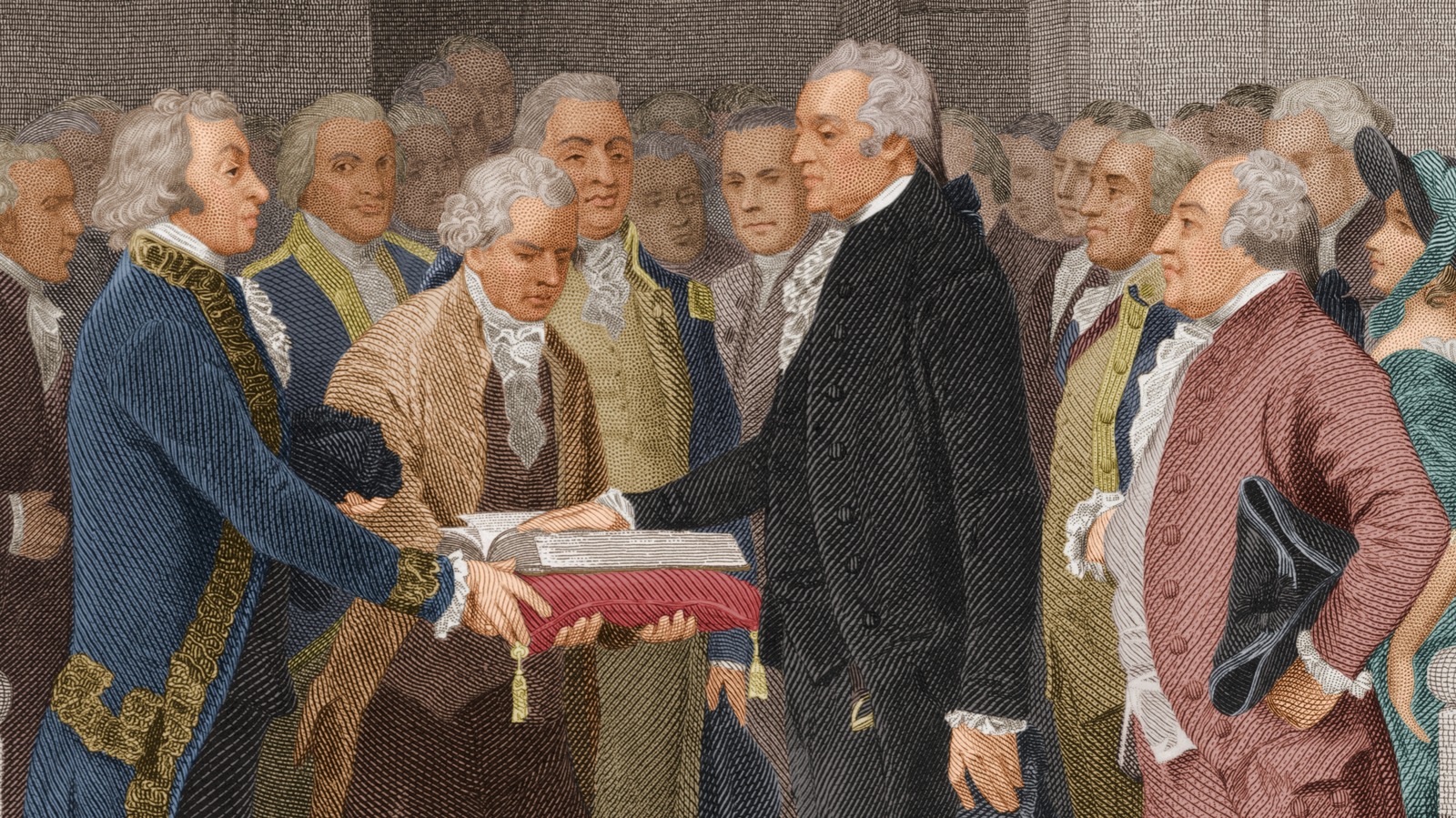
The average age of a United States president at the time of their inauguration is approximately 55 years old. This figure has shifted throughout American history, reflecting changes in political norms, life expectancy, and the professional requirements of the executive branch. While the U.S. Constitution sets a minimum age of 35 for presidential candidates, there is no upper age limit, leading to a broad spectrum of historical precedents ranging from youthful arrivals to record-setting elders.
Constitutional Requirements and Eligibility
Article II, Section 1, Clause 5 of the United States Constitution establishes the basic qualifications for the presidency. To be eligible to serve, an individual must be a natural-born citizen, a resident of the United States for at least 14 years, and at least 35 years of age. These criteria were established during the Constitutional Convention of 1787, where the framers sought to ensure that a candidate possessed the maturity and life experience necessary to handle the responsibilities of the nation’s highest office.
The 35-year age floor serves as the only legal barrier regarding maturity. Beyond this threshold, the political system—including party primaries, national conventions, and the general election—functions as the gatekeeper for candidates of all ages. Because the Constitution does not define a maximum age, the determination of fitness for office remains an ongoing subject of political discourse, often influenced by the evolving medical and physical demands of the role in the modern era.
The Youngest Presidents in History
Youth in the presidency has historically been associated with transitions of power, often occurring following the death of an incumbent or during eras of national revitalization. Theodore Roosevelt remains the youngest person to serve as president, though he was not elected to his first term. Roosevelt was 42 years old when he ascended to the presidency in 1901 following the assassination of William McKinley.
Among those who were elected to the office, John F. Kennedy holds the record for the youngest inauguration. Kennedy was 43 years old when he took the oath of office in 1961. His presidency is frequently cited as a turning point in political optics, where vigor and perceived generational change became integral components of presidential branding. Other notable figures who took office at a relatively young age include Bill Clinton (46) and Ulysses S. Grant (46), both of whom began their terms during periods of significant domestic or post-war realignment.
The Oldest Presidents at Inauguration
The trajectory of presidential ages has trended upward in the 21st century. As of 2026, the historical trend reflects a growing preference among voters for established political figures with extensive experience in the legislative or executive branches, which often correlates with a more advanced age at the time of their first inauguration.
Ronald Reagan, who was 69 at his first inauguration in 1981, held the record for the oldest president for several decades. This record was subsequently surpassed by Donald Trump, who was 70 years old upon taking office in 2017, and later by Joe Biden, who was 78 when he took the oath of office in 2021. These transitions highlight the increased prevalence of older candidates in the contemporary political landscape, as the professional paths leading to the presidency—such as long tenures in the Senate or Cabinet—have increasingly favored seniority.
Comparison Table: Presidential Inaugural Ages
The following table highlights the diversity of ages at the start of presidential terms, covering a range of historical figures across different eras.
| President | Age at Inauguration | Presidential Term |
|---|---|---|
| Theodore Roosevelt | 42 | 1901 |
| John F. Kennedy | 43 | 1961 |
| Bill Clinton | 46 | 1993 |
| Barack Obama | 47 | 2009 |
| Ronald Reagan | 69 | 1981 |
| Donald Trump | 70 | 2017 |
| Joe Biden | 78 | 2021 |
Historical Context and Demographic Shifts
The fluctuation in presidential age is not merely a matter of individual candidates, but a reflection of the American political structure. In the 18th and 19th centuries, the age of presidents was often constrained by the necessity of building a political reputation through state-level leadership and local influence. Younger candidates were occasionally propelled forward by populist movements or the exigencies of war.
In contrast, the 20th and 21st centuries saw the institutionalization of the political career path. The rise of the national primary system and the increased role of fundraising and name recognition favor candidates with established networks and long-standing public records. Consequently, the "average" president of the modern era is often older than their 19th-century counterparts. Furthermore, advancements in healthcare and changes in societal perceptions regarding retirement have allowed for a broader age range of viable candidates, effectively decoupling the presidency from the traditional working-age milestones of the past.
The Role of Experience versus Vigor
A recurring debate in American political science centers on the trade-off between the "fresh perspective" often associated with younger candidates and the "institutional wisdom" attributed to more senior ones. Supporters of younger candidates argue that they are more adaptable to rapid technological and social changes. Supporters of older candidates argue that their decades of experience in governance are essential for navigating complex international relations and the intricacies of the federal bureaucracy.
In 2026, these factors are more prominent than ever. The modern presidency requires an immense capacity for management, crisis response, and diplomatic coordination. While the physical requirements of the office are grueling, modern medical care has extended the active lifespan of public figures, ensuring that age is increasingly viewed through the lens of individual capacity rather than categorical disqualification. Voters are tasked with weighing these variables during every election cycle, as the decision remains firmly in the hands of the electorate.
Frequently Asked Questions
Is there a maximum age limit for US Presidents?
No, the U.S. Constitution does not set a maximum age limit. The only age-related requirement is a minimum age of 35 years at the time of inauguration. Any citizen meeting the other eligibility requirements may serve regardless of their age.
Who was the oldest president to be elected for the first time?
Joe Biden holds the record as the oldest person to assume the presidency, taking office at the age of 78 in 2021.
Why is 35 the minimum age for a US President?
The framers of the Constitution chose 35 as the minimum age to ensure that a candidate had reached a level of maturity and life experience deemed necessary for the gravity of the office. It was a compromise intended to prevent impulsive or inexperienced individuals from occupying the executive seat.
Do younger presidents typically serve longer terms?
There is no statistical correlation between the age at which a president takes office and the number of terms they serve. Presidential tenure is determined by election outcomes and term limits established by the 22nd Amendment, which restricts a president to two four-year terms.
How does the average presidential age affect party nominations?
Parties frequently analyze the electoral viability of candidates based on their age and perceived energy levels. While older candidates offer experience, younger candidates are often marketed on themes of change and future-readiness. Parties shift their preferences based on the perceived mood of the electorate during each specific election cycle.
Determining Candidate Viability
When evaluating presidential candidates in the modern context, voters should focus on a candidate’s documented history of public service, their stated policy goals, and their ability to command the executive branch. Rather than relying solely on chronological age, objective assessment involves reviewing a candidate’s public record, their demonstrated judgment in past crises, and their policy proposals for the upcoming term. Before casting a vote, constituents should consult non-partisan voter guides and official candidate platforms to make an informed decision based on competence and compatibility with their own political objectives.