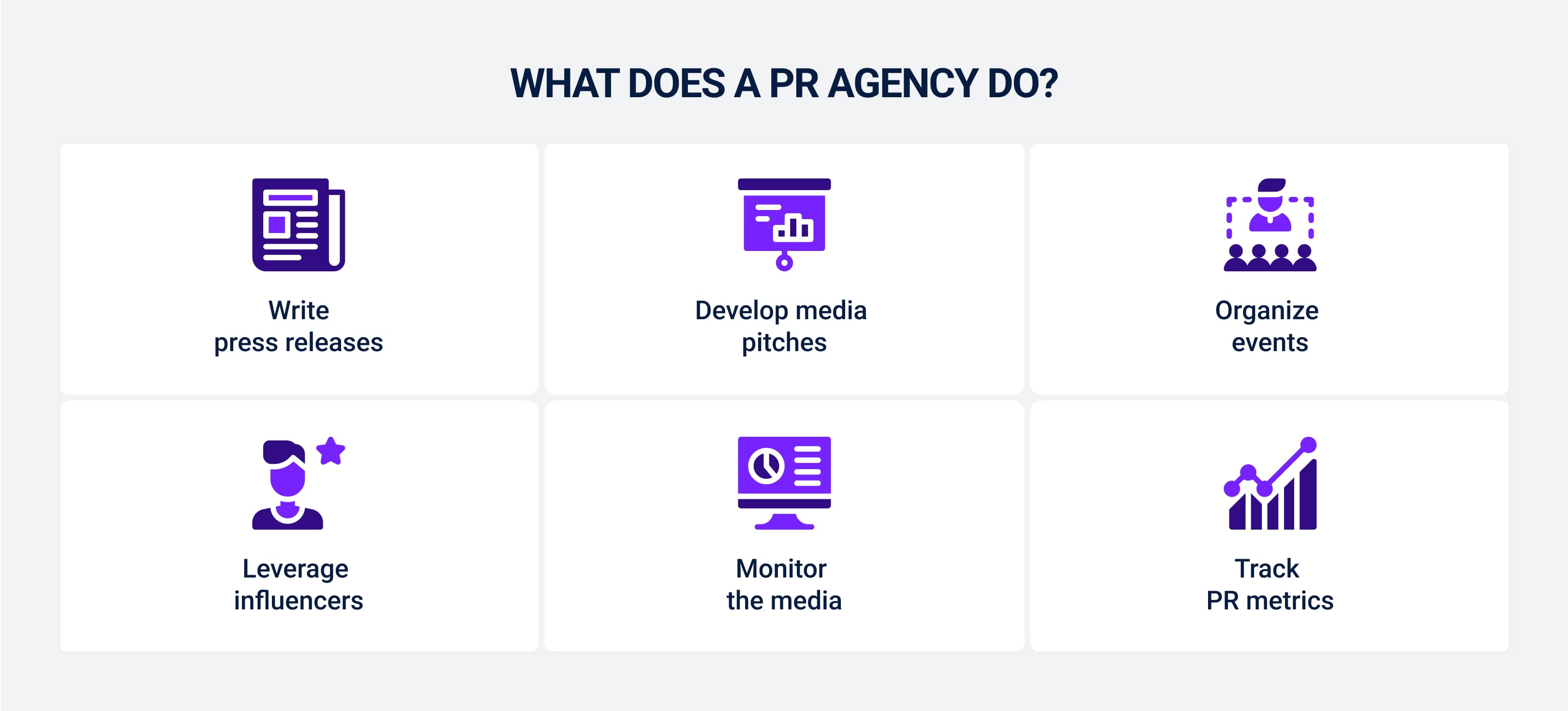
Effective agency and public relations outreach requires a precise blend of targeted messaging, relationship cultivation, and structured pitch execution to capture the attention of journalists and secure meaningful media coverage.
Public relations (PR) outreach executed through an agency setting is a disciplined communication strategy designed to secure earned media coverage, build brand authority, and manage public reputation across digital and traditional media channels. By bridging the gap between a client organization and journalists, editors, and industry influencers, an agency transforms corporate updates, product launches, and expert commentary into compelling newsworthy narratives. Modern outreach goes far beyond mass email blasts; it relies on deep media database curation, highly personalized pitches, timing optimization, and strategic follow-ups. Achieving success in this domain requires understanding the operational mechanics of media newsrooms, respecting editorial guidelines, and continuously measuring the performance of outreach campaigns against specific business objectives.
Defining the Core Mechanics of Agency and PR Outreach
Agency and public relations outreach functions as the strategic bridge between an enterprise and the media ecosystem. Unlike paid advertising, earned media requires validation from third-party gatekeepers such as journalists, producers, and publication editors. An external PR agency acts as an intermediary, distilling complex corporate propositions into clear, engaging angles that appeal to a publication's specific readership. This process involves identifying target publications, analyzing past coverage trends of individual journalists, and tailoring pitches to align with current editorial calendars and news cycles.
The mechanics of this process rely on accuracy, timeliness, and mutual respect. PR professionals maintain detailed contact databases, often utilizing industry-standard software platforms to track reporter beats, publication frequencies, and preferred communication methods. When an agency initiates outreach, it must clearly articulate the value proposition of the story within the first few lines of a pitch. By respecting the time constraints of busy newsrooms and offering credible data, exclusive insights, or expert interviews, agencies position their clients as indispensable resources rather than commercial entities seeking free promotion.
Core Prerequisites and Campaign Preparation Steps
Before a single email is drafted or a phone call is placed, comprehensive preparation must take place to ensure the outreach campaign has a foundation of credibility and clear purpose. Jumping into media relations without adequate groundwork often results in low response rates and strained reporter relationships.
Essential Preparation Checklist
- Define Campaign Objectives: Establish whether the primary goal is brand awareness, product promotion, crisis management, or thought leadership positioning.
- Audit Client Assets: Verify that the organization has high-resolution imagery, executive headshots, press kits, and verified statistics ready for distribution.
- Build the Media List: Curate a segmented list of journalists who actively cover the specific industry, product category, or geographic region.
- Draft Core Messaging: Create clear value propositions, key talking points, and adaptable templates that can be customized for different publication tiers.
- Establish Tracking Infrastructure: Implement CRM tools or PR management platforms to monitor pitch delivery, open rates, responses, and coverage pickups.
Executing these steps methodically prevents common errors such as pitching out-of-date information or targeting reporters who write about entirely different beats. Preparation ensures that every interaction with the media reflects professionalism and organizational readiness.
Structuring the Ideal Pitch: Anatomy of a Successful Message
The pitch is the foundational artifact of PR outreach. Because journalists receive dozens, sometimes hundreds, of pitches daily, the structure of the message must be concise, relevant, and immediately engaging. A poorly constructed pitch is typically deleted within seconds, regardless of the merit of the underlying news.
A successful pitch begins with a compelling, unpretentious subject line that accurately reflects the content without relying on clickbait tactics. The opening sentence should establish why the pitch is relevant to that specific reporter based on their recent articles. Following the hook, the body of the pitch must concisely explain the news, provide essential data points or expert quotes, and outline why the publication's audience will care. Finally, the call to action should be low-friction—such as offering an exclusive interview or supplementary data rather than demanding immediate publication.
| Pitch Component | Best Practice | Common Pitfall |
|---|---|---|
| Subject Line | Concise, specific, relevant to the reporter's beat | Vague, misleading, or excessively sensational |
| Hook / Opening | Reference a recent article by the journalist | Generic greetings or praising the publication broadly |
| Body Paragraph | 2-3 sentences explaining the core news and data | Long corporate history or dense product feature lists |
| Call to Action | Offer an interview, exclusive data, or brief chat | Demanding coverage or asking when an article will run |
Navigating Tiered Media Strategies and Publication Targeting
Not all media outlets carry the same weight, and effective PR outreach requires a tiered targeting strategy. Agencies typically categorize media targets into Tier 1, Tier 2, and niche trade publications, each requiring a distinct approach to relationship management and pitch complexity.
Tier 1 outlets consist of major national and international publications, broadcast networks, and top-tier business journals. Landing coverage here requires major breaking news, exclusive access, or profound industry-shaping insights, as competition is fierce. Tier 2 publications include regional outlets, popular consumer magazines, and recognized digital sites. These outlets often provide broader regional reach or targeted demographic engagement. Niche trade publications focus exclusively on specific industries, such as logistics, software engineering, or healthcare administration. While trade media audiences are smaller, the readers are often highly qualified decision-makers, making trade outreach exceptionally valuable for B2B enterprises.
Balancing these tiers ensures that a campaign achieves both broad brand visibility and deep, industry-specific authority. Tailoring the exclusivity and angle of a pitch to match the specific tier prevents alienating smaller reporters with broad pitches or frustrating top-tier editors with minor corporate updates.
Overcoming Common Outreach Mistakes and Ethical Boundaries
Even experienced practitioners can encounter obstacles during PR campaigns. Understanding common missteps and adhering to strict ethical standards protects both the agency's reputation and the client's public standing.
One frequent mistake is over-pitching or spamming journalists with irrelevant updates. Sending daily follow-ups for a non-urgent press release quickly results in a reporter blocking the sender's domain. Another error is failing to verify facts and statistics provided by the client, which can lead to retractions and severe reputational damage if published. Ethically, agencies must never fabricate interest, misrepresent data, or offer financial compensation in exchange for positive editorial coverage, as this violates industry standards and FTC guidelines regarding paid endorsements versus earned media. Maintaining transparency and absolute accuracy remains the bedrock of sustainable public relations.
Measuring Success and Demonstrating Campaign ROI
Quantifying the value of public relations has evolved significantly beyond outdated metrics like Advertising Value Equivalency (AVE). Modern PR agencies utilize a comprehensive suite of qualitative and quantitative indicators to measure the true impact of outreach efforts on client business goals.
Key performance indicators now include share of voice compared to competitors, the domain authority and backlink quality of online coverage, referral traffic driven by media mentions, and sentiment analysis of public discussions. Furthermore, tracking qualitative factors such as message pull-through—whether key brand themes are accurately reflected in the coverage—provides a clearer picture of campaign success. By presenting these detailed metrics in regular reporting cycles, agencies can demonstrate tangible return on investment and continuously refine their outreach strategies.
Maximizing Media Relations Long-Term
Long-term success in agency and public relations outreach relies on sustained relationship building rather than transactional, one-off campaign execution. PR professionals should consistently engage with journalists by sharing their published work on social platforms, offering expert commentary on breaking industry news even when their clients are not directly involved, and meeting reporters at industry conferences when possible. Treating journalists as professional partners rather than targets for promotion creates enduring networks that yield consistent, high-quality media coverage over years of collaboration.