An age tracker is a systematic digital or manual tool designed to calculate, monitor, and manage chronological age, developmental milestones, or legal eligibility thresholds across individuals, assets, or populations. By automating the precise mathematical computation of elapsed time from a specified birth or creation date to the present, these utilities eliminate human error and streamline time-sensitive administrative processes.
Understanding the Core Mechanics of Age Tracking
At its fundamental technical level, an age tracker operates by computing the temporal difference between two distinct datestamps: a static origin point (such as a date of birth, incorporation date, or manufacturing date) and a dynamic reference point (typically the current date). While this may appear mathematically trivial, precise tracking must account for complex calendar anomalies, including leap years, varying month lengths, and time zone differentials.
Most software-based tracking utilities rely on standardized programming libraries that convert dates into absolute integer values—such as Unix epoch time or Julian day numbers—before parsing the difference into years, months, and days. This precision is vital for applications requiring exact legal thresholds, medical dosages scaled by age, or chronological sorting in genealogical databases. Without automated tools, manual calculations frequently introduce errors, particularly when dealing with months containing 28, 29, 30, or 31 days.
Beyond simple linear mathematics, advanced age trackers incorporate logic engines capable of handling relative temporal math. For instance, determining whether an individual has reached the age of majority requires evaluating not just the year and month, but the exact hour and minute in specific jurisdictions. Consequently, modern implementations use robust time-date parsing libraries to ensure compliance with local regulatory frameworks and data standards.
Primary Use Cases Across Industries
Age tracking extends far beyond personal birthday counters, serving as a critical operational component across diverse sectors including healthcare, human resources, compliance, and pedigree management. Each domain demands specific tracking capabilities, ranging from high-precision fractional age calculations to strict milestone alerts.
In pediatric healthcare, clinicians utilize age trackers to evaluate developmental milestones, growth chart percentiles, and vaccination schedules. Because developmental stages in infants and toddlers change rapidly, tracking age in weeks and months rather than years is medically necessary. Conversely, geriatric care requires precise tracking of chronological age to assess frailty risks, adjust pharmacological dosages, and determine eligibility for specialized senior services.
Human resources and compliance departments depend on age trackers to manage statutory obligations. These tools help organizations monitor mandatory retirement ages, verify minimum working age requirements under labor laws, and manage age-dependent employee benefits. Similarly, the financial services sector employs sophisticated tracking algorithms to manage retirement account eligibility, such as tracking when an account holder reaches the milestone for required minimum distributions (RMDs).
The following table compares the application, required precision, and primary benefit of age trackers across major industries:
| Industry Sector | Required Precision | Primary Operational Benefit | Common Compliance Standard |
|---|---|---|---|
| Pediatric Healthcare | Days, Weeks, Months | Accurate vaccination scheduling and growth metric evaluation | CDC Immunization Schedules |
| Human Resources | Years, Exact Dates | Ensuring adherence to labor laws and retirement thresholds | FLSA, Local Labor Statutes |
| Financial Services | Exact Dates (Birthdays) | Managing tax-advantaged account eligibility and distributions | IRS RMD Guidelines |
| Genealogy & Research | Historical Dates, Decades | Establishing generational timelines and historical contexts | ISO 8601 Date Formats |
Key Features to Evaluate in Tracking Software
When selecting or developing an age tracker for professional or personal use, several technical features differentiate basic calculators from enterprise-grade solutions. A robust utility must offer more than a static output of years lived; it should provide dynamic monitoring, integration capabilities, and strict data security.
Accuracy in handling edge cases is the primary benchmark of quality tracking software. The application must seamlessly process historical dates, account for leap seconds or timezone shifts where applicable, and output results in customizable formats (e.g., total days, years-months-days, or fractional years). Furthermore, batch-processing capabilities are essential for organizational use, allowing administrators to upload datasets containing hundreds of birth dates and generate aggregated reports instantly.
Integration and alert mechanisms transform a static calculator into an active management tool. Advanced trackers feature notification systems that trigger automated reminders when an entity approaches a critical milestone, such as an expiration date, a licensing renewal window, or a regulatory age threshold. Additionally, application programming interfaces (APIs) enable seamless data flow between the tracking tool and existing enterprise resource planning (ERP) systems or electronic health record (EHR) databases.
Data Privacy, Security, and Compliance Considerations
Because age trackers frequently process Personally Identifiable Information (PII) such as exact dates of birth, their implementation is subject to stringent data privacy regulations. Developers and administrators must ensure that their tracking mechanisms comply with legal frameworks like the General Data Protection Regulation (GDPR), the Health Insurance Portability and Accountability Act (HIPAA), or the California Consumer Privacy Act (CCPA), depending on the jurisdiction and sector.
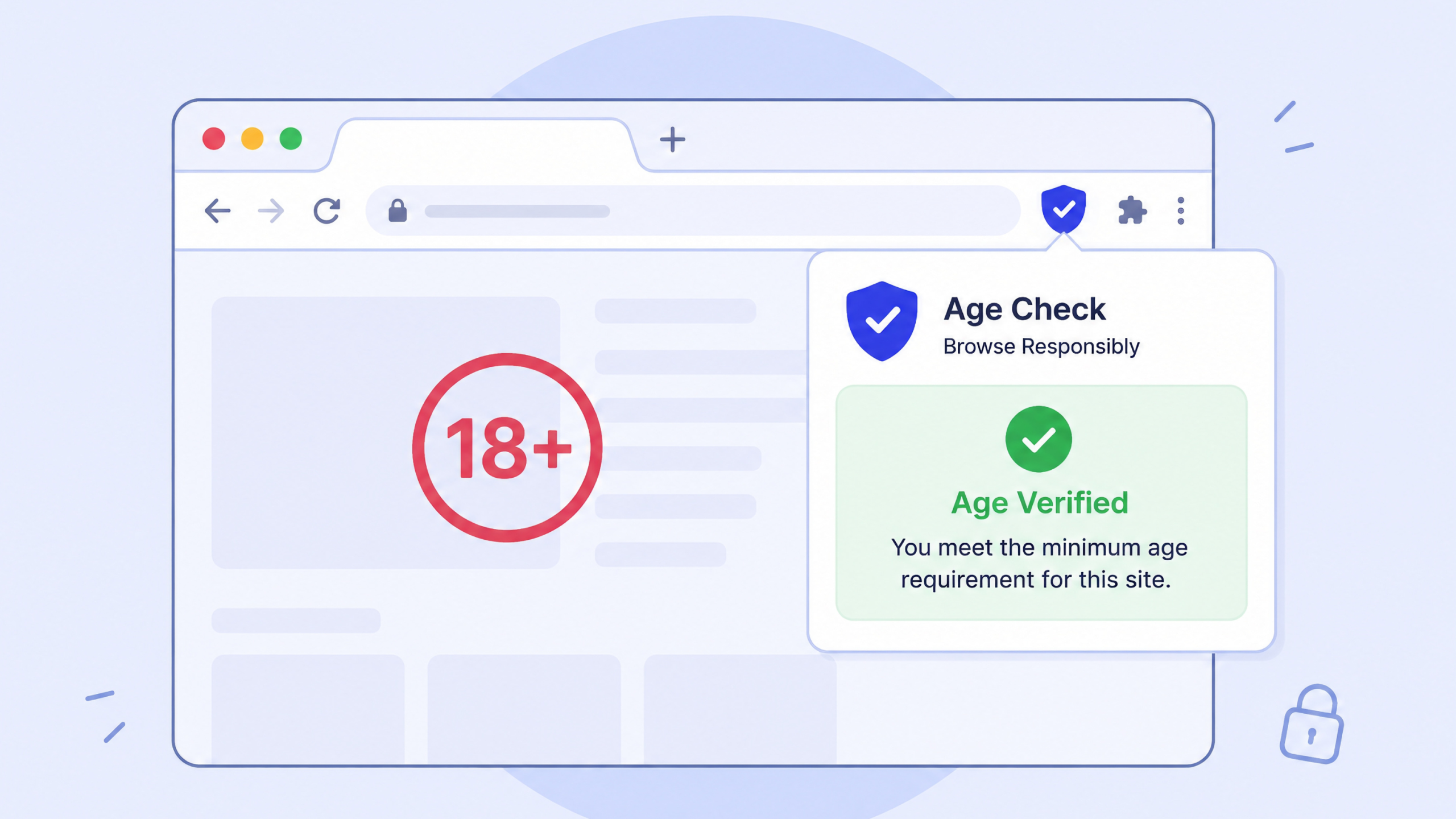
Minimization of stored data is a foundational security best practice. If an application only needs to verify whether a user is over a certain age threshold (e.g., 18 or 21), storing the exact date of birth introduces unnecessary risk in the event of a data breach. Instead, modern privacy-preserving architectures utilize zero-knowledge proofs or store only a boolean flag indicating eligibility, eliminating the need to retain sensitive chronological data.
When data retention is mandatory for operational or legal reasons, encryption at rest and in transit is non-negotiable. Access controls must enforce the principle of least privilege, ensuring that only authorized personnel can view detailed demographic information. Regular security audits and vulnerability assessments help maintain the integrity of the tracking infrastructure against evolving cyber threats.
Troubleshooting Common Discrepancies in Age Calculations
Even with automated systems, discrepancies can arise when comparing manual age calculations with software outputs, or when reconciling data across different international systems. Understanding these common pitfalls helps administrators troubleshoot and resolve calculation errors efficiently.
The most frequent source of error stems from timezone inconsistencies. If a server calculating an age is operating in a different timezone than the subject's birthplace, a calculation executed near midnight local time may yield an age variance of one day. To mitigate this, developers should standardize all calculations using Coordinated Universal Time (UTC) or explicitly capture and store the timezone offset associated with the baseline date.
Another common issue involves the definition of age in legal versus biological contexts. Culturally and legally, some jurisdictions calculate age based on the number of calendar years passed since birth, while others incorporate traditional or lunar calendar systems. When deploying tracking tools for international audiences, documentation must clearly specify whether the tool utilizes standard Gregorian calendar math or localized conventions to prevent compliance disputes.
How Do I Choose the Right Age Tracker for My Organization?
Selecting the appropriate age tracker requires a thorough assessment of your organization's specific scale, regulatory environment, and technical infrastructure. Begin by auditing the types of data you handle and identifying the exact level of precision required—whether you need to track human ages, asset lifespans, or contractual milestones. Next, evaluate whether an off-the-shelf software-as-a-service (SaaS) solution meets your security and integration needs, or if a custom-built internal utility is necessary to comply with strict data sovereignty laws. Ensure the chosen solution supports automated reporting, secure data encryption, and scalable batch processing to accommodate future organizational growth.
Frequently Asked Questions
What is the most accurate way to calculate age programmatically?
The most accurate computational method involves determining the difference between the target date and the birth date using a dedicated date-time library that natively accounts for leap years and month-length variations. Developers should avoid manual division of total days by 365, as this method fails to account for leap years and will accumulate significant errors over extended timelines.
Are age trackers subject to data privacy regulations like GDPR?
Yes, if an age tracker collects, stores, or processes exact dates of birth or other Personally Identifiable Information linked to living individuals, it falls under the purview of data privacy regulations such as GDPR and CCPA. Organizations must ensure lawful basis for processing, implement robust data security measures, and provide data subjects with rights to access or delete their information.
How do age trackers handle leap years?
Standard age tracking algorithms utilize calendar-aware logic engines that recognize years divisible by four (excluding century years not evenly divisible by 400) as leap years containing 366 days. When a birth date falls on February 29, standard tracking practices typically designate March 1 or February 28 as the anniversary date in non-leap years, depending on local legal or application-specific standards.
Can an age tracker be used for non-human entities?
Yes, age tracking principles apply equally to non-human entities such as software builds, manufactured industrial components, or corporate entities. In these contexts, the "birth date" represents the date of deployment, manufacturing, or incorporation, and the tracker monitors operational lifespan, warranty periods, or statutory maintenance intervals.
What is the difference between chronological age and biological age trackers?
Chronological age measures the exact amount of time elapsed since birth based on calendar units. Biological age trackers, by contrast, utilize physiological biomarkers—such as epigenetic DNA methylation patterns, telomere length, or metabolic panels—to estimate the functional degradation or vitality of an organism relative to population norms.