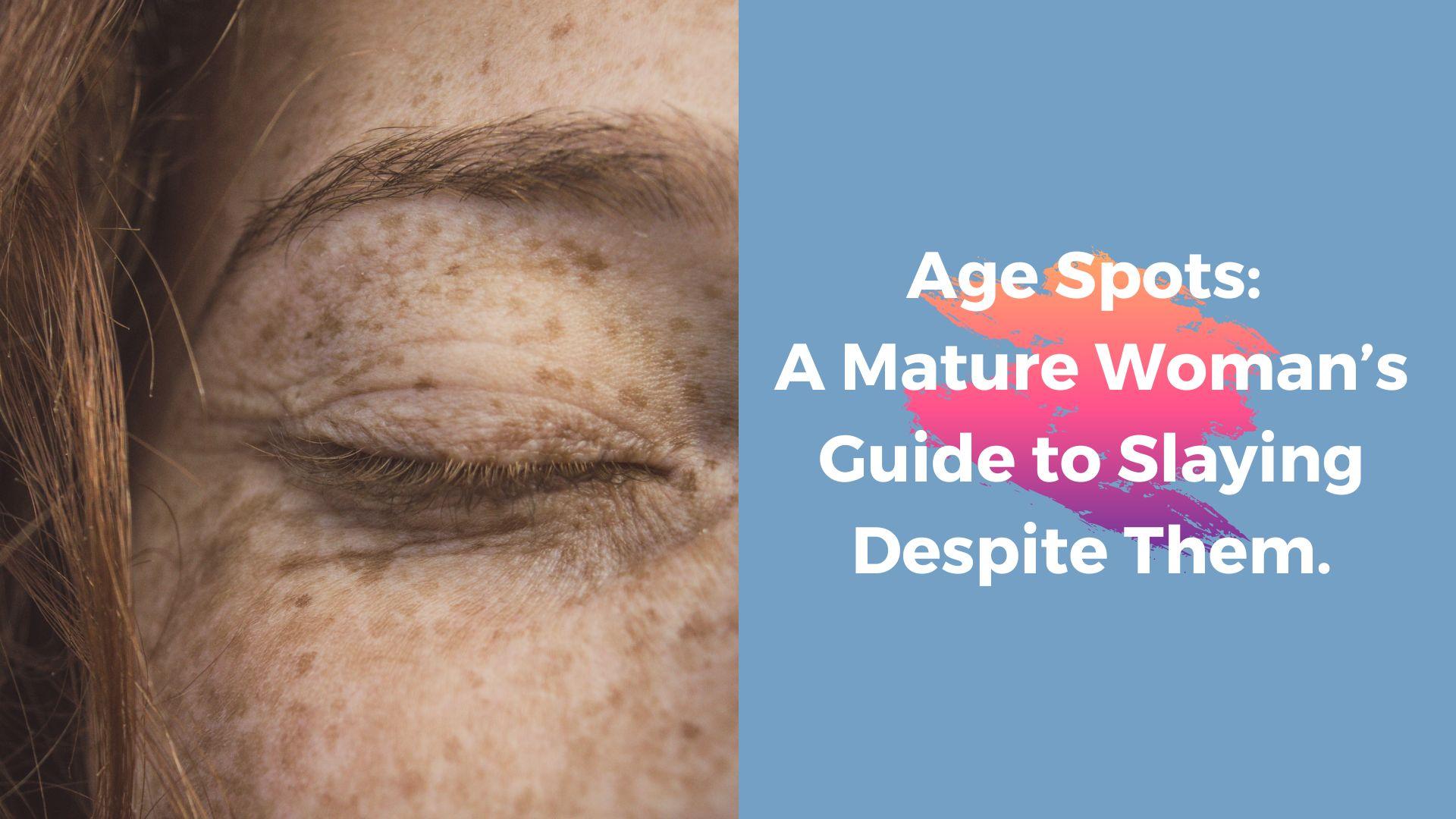
Age spots are flat, hyperpigmented areas that develop on sun-exposed skin over time, representing a harmless accumulation of melanin driven by cumulative ultraviolet exposure. While they pose no direct threat to physical health, understanding their clinical origins helps distinguish them from more serious skin conditions and guides effective management.
What Are Age Spots and Why Do They Develop?
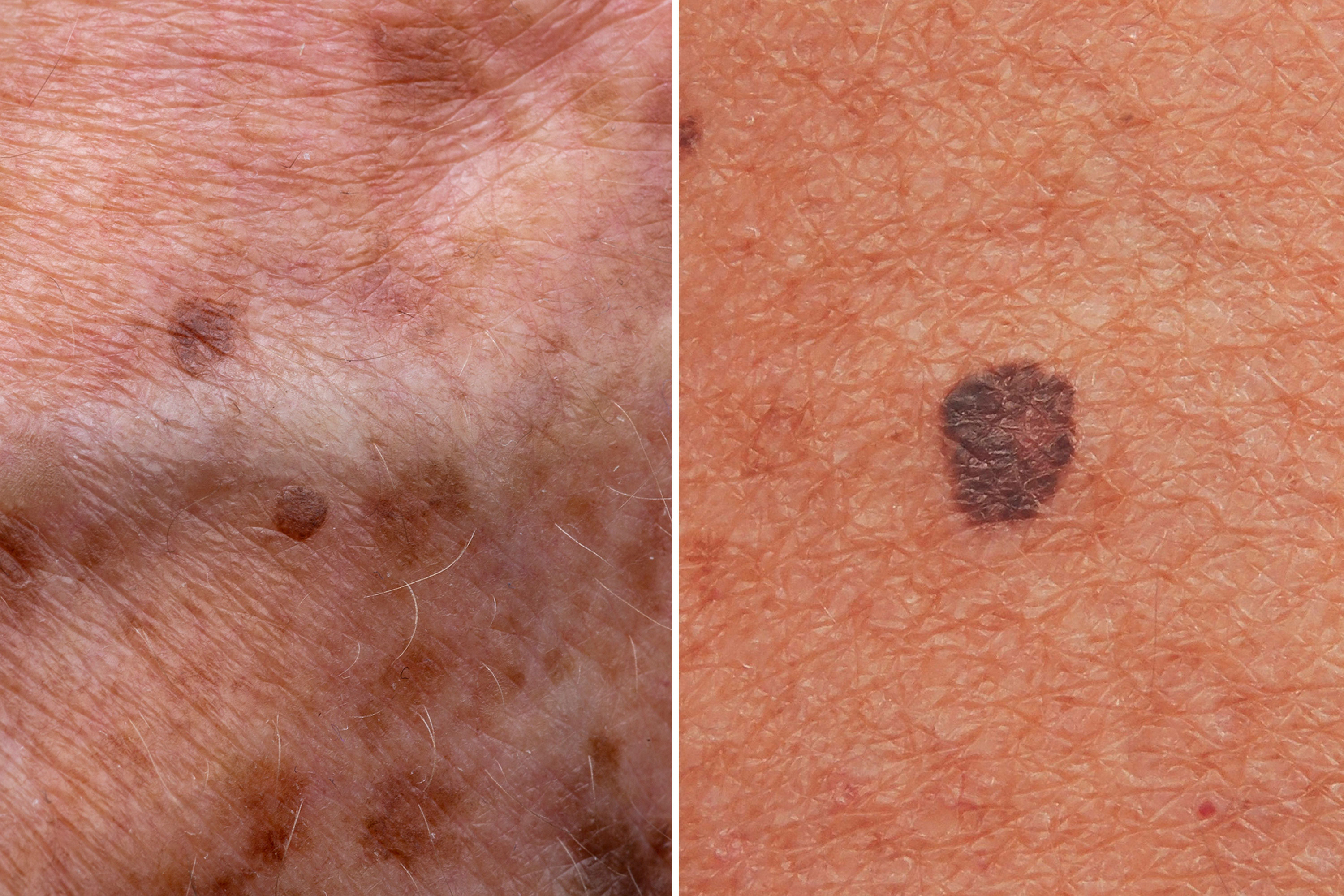
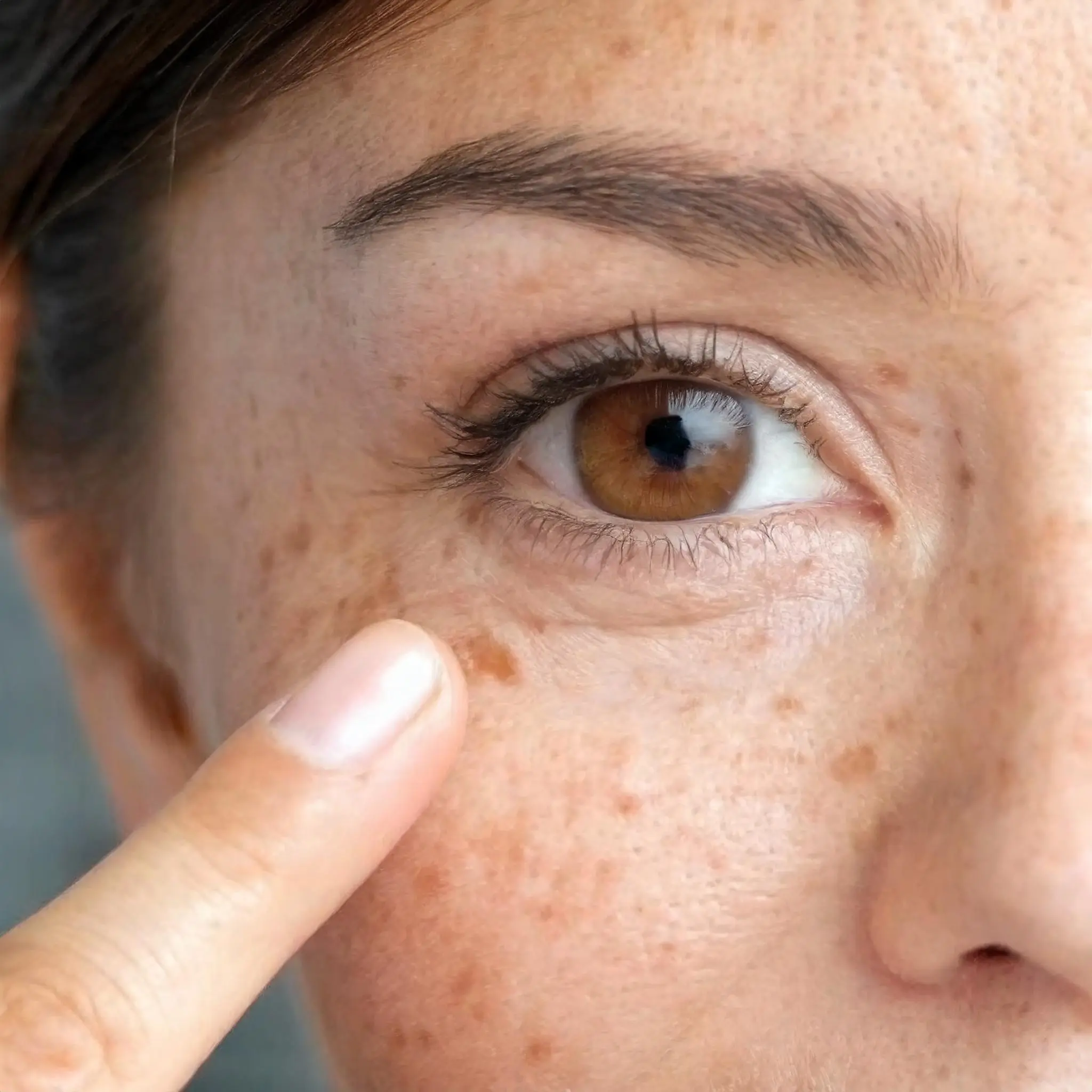
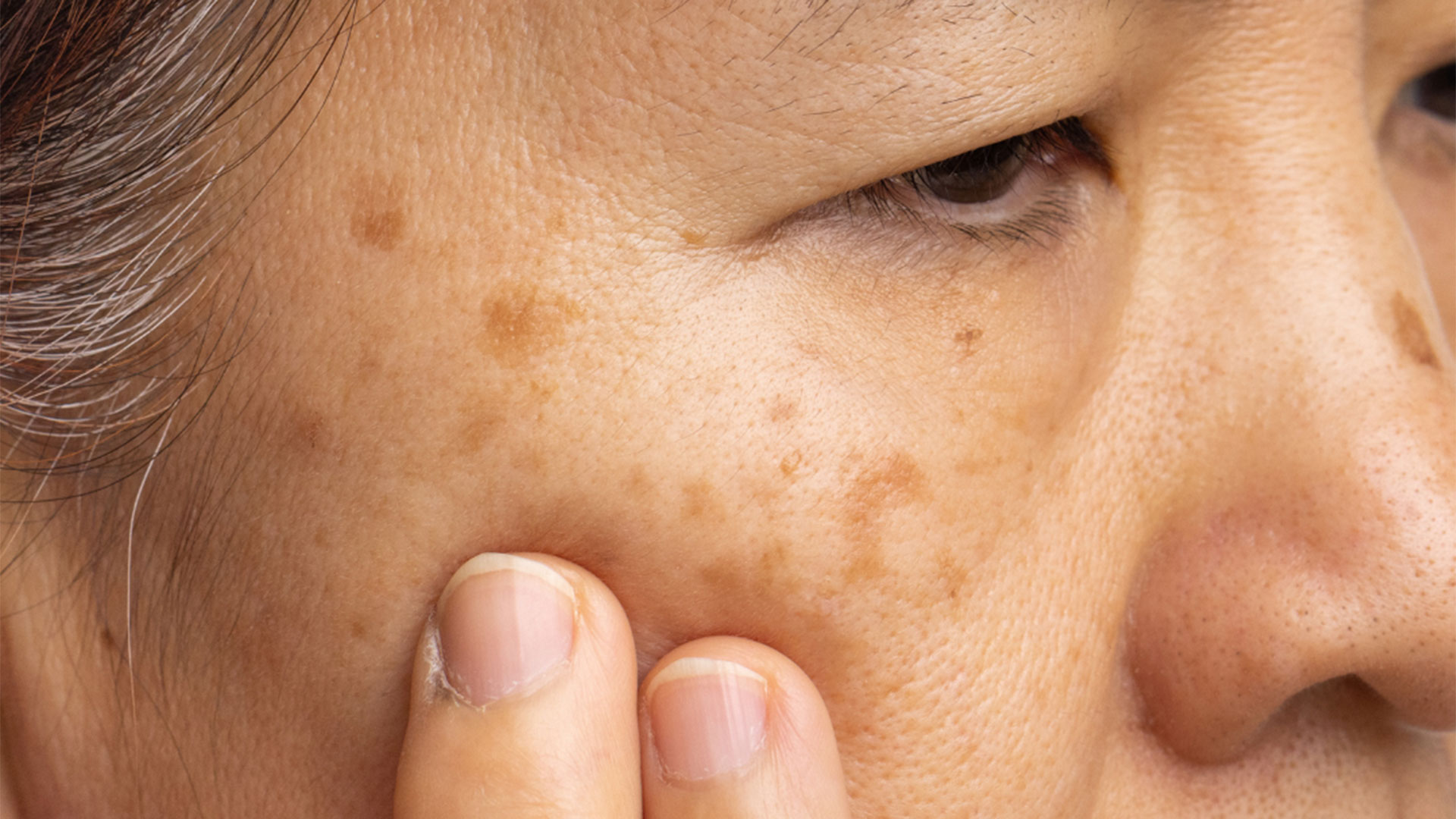
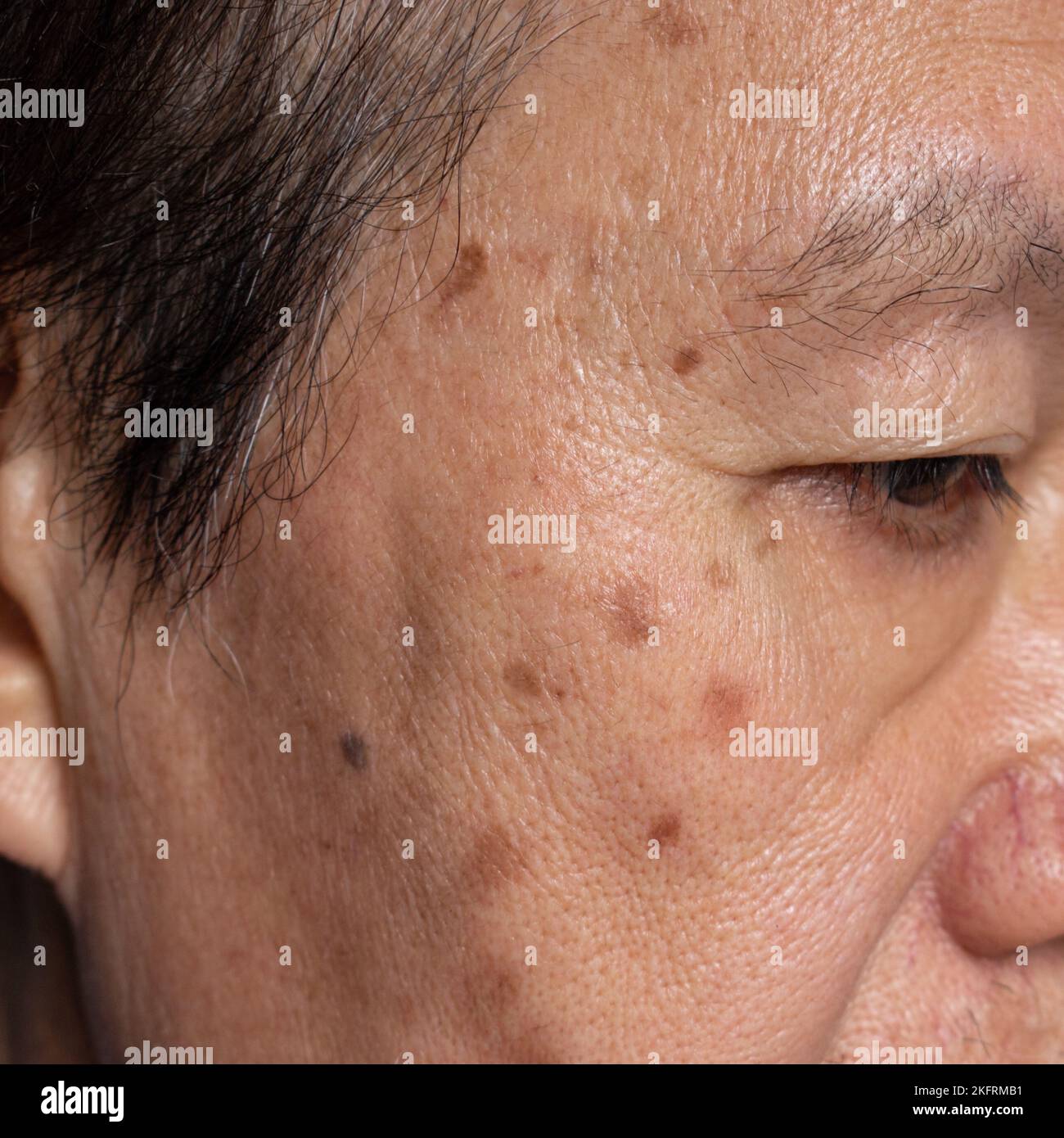
Age spots, clinically known as solar lentigines or commonly referred to as liver spots, are small, darkened patches of skin that typically range from light brown to black. They vary in size and usually appear on areas of the body that receive the most sun exposure over decades, including the face, hands, shoulders, and arms. Despite their name, these spots are not caused by aging alone; rather, they are the direct result of cumulative ultraviolet (UV) radiation from sunlight or artificial tanning sources interacting with skin pigment cells.
When the skin is exposed to UV light, melanocytes—the specialized cells responsible for producing melanin—accelerate their production to protect deeper tissue layers from DNA damage. Over many years of repeated exposure, this melanin production can become localized and uneven, resulting in persistent clusters of pigmentation that remain long after the sun exposure has ended. While individuals of any skin type can develop solar lentigines, they are most frequently observed in adults over the age of fifty, particularly those with fair skin or a history of frequent sun exposure without adequate protection.
Differentiating Age Spots from Other Skin Lesions
Accurately identifying skin spots is a critical first step before pursuing any cosmetic treatment or self-care routine. While solar lentigines are entirely benign, they can sometimes closely mimic other forms of cutaneous lesions, including pre-cancerous and malignant growths. Dermatologists emphasize the importance of distinguishing standard age spots from conditions such as actinic keratoses—which feel rough or scaly—and malignant melanoma, a serious form of skin cancer that requires immediate medical intervention.
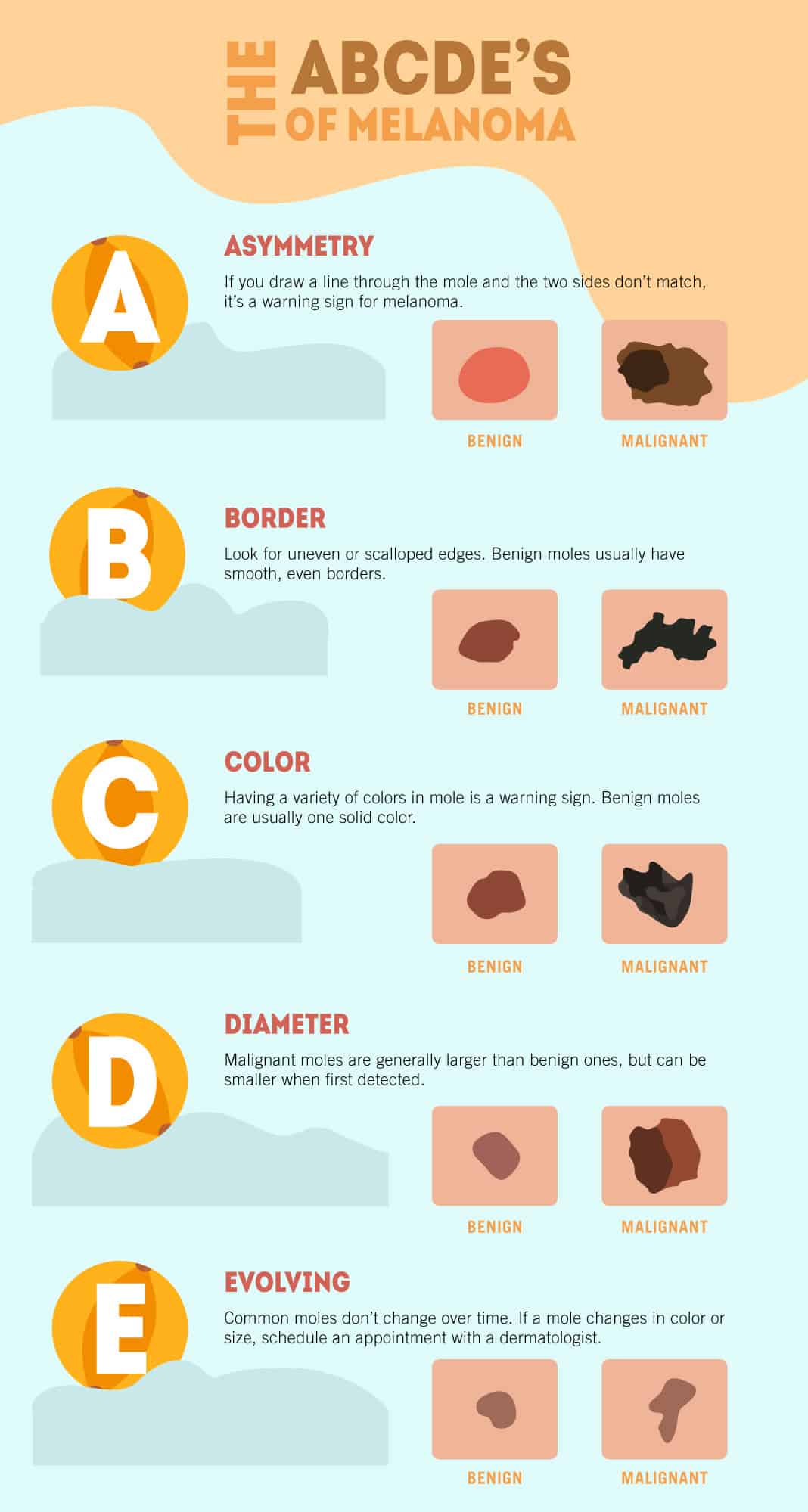
Benign age spots typically display uniform color, sharp, well-defined borders, and a flat texture that blends smoothly with the surrounding skin surface. In contrast, suspicious lesions often exhibit asymmetrical shapes, irregular borders, multiple color shades within a single spot, and a dynamic growth pattern over a short period. Healthcare professionals frequently utilize the ABCDE criteria—Asymmetry, Border irregularity, Color variation, Diameter greater than six millimeters, and Evolving shape or symptoms—to evaluate pigmented lesions. Any spot that exhibits these atypical characteristics warrants a professional evaluation by a board-certified dermatologist rather than over-the-counter fading treatments.
Medical and Aesthetic Treatment Options
When age spots become a cosmetic concern, several medical and dermatological interventions can significantly reduce their appearance or remove them entirely. These procedures generally fall into categories ranging from topical prescription agents to in-office dermatological procedures designed to destroy excess pigment or accelerate cellular turnover.
Topical treatments often involve prescription-strength retinoids, hydroquinone, or combination creams containing corticosteroids and mild acids. These formulations work gradually by inhibiting tyrosinase, an enzyme necessary for melanin production, while simultaneously promoting the shedding of pigmented surface cells. Results from topical regimens typically require several months of consistent application and careful sun avoidance to prevent repigmentation.
For faster and more targeted results, in-office dermatological procedures are widely utilized. The following table compares the primary clinical approaches available for the management of solar lentigines:
| Treatment Type | Mechanism of Action | Typical Recovery Time | Potential Side Effects |
|---|---|---|---|
| Laser Therapy | Targets and breaks down melanin clusters using specific light wavelengths without damaging surrounding tissue. | 1 to 2 weeks | Temporary redness, swelling, or mild crusting. |
| Cryotherapy | Freezes excess pigment cells with liquid nitrogen, causing the spot to blister and peel off. | 10 to 14 days | Temporary blistering, hypopigmentation, or mild stinging. |
| Chemical Peels | Applies an acid solution to exfoliate the outer skin layers and stimulate fresh, evenly pigmented cell growth. | 3 to 7 days | Redness, scaling, and temporary sun sensitivity. |
| Microdermabrasion | Mechanically abrades the superficial epidermis using fine crystals or a diamond-tip wand. | Minimal (hours) | Mild, transient pinkness or skin tightness. |
Prevention Strategies and Daily Skin Protection
Preventing the formation of new age spots and minimizing the darkening of existing ones relies almost entirely on rigorous, consistent photoprotection. Because ultraviolet radiation is the primary environmental driver of solar lentigines, establishing daily habits that shield the skin from both UVA and UVB rays is essential for long-term skin health.
Broad-spectrum sunscreens with a Sun Protection Factor (SPF) of 30 or higher should be applied daily to all exposed areas of skin, regardless of the season or weather conditions. Sunscreen must be reapplied every two hours, or more frequently after swimming or excessive perspiration, to maintain an effective barrier against UV radiation. Beyond topical sunscreens, protective measures include wearing tightly woven clothing, utilizing wide-brimmed hats, and seeking shade during peak ultraviolet intensity hours between 10 a.m. and 4 p.m. Incorporating these protective habits early in life significantly reduces cumulative skin damage and prevents the premature appearance of hyperpigmentation.
Navigating Over-the-Counter Solutions and Skincare Ingredients
The consumer market offers a vast array of over-the-counter creams, serums, and lotions marketed for fading age spots. Navigating these products requires an understanding of active ingredients and realistic expectations regarding their efficacy compared to clinical procedures.
Popular non-prescription ingredients include vitamin C, niacinamide, alpha arbutin, kojic acid, and glycolic acid. Vitamin C and niacinamide act as potent antioxidants that help brighten the complexion and interfere with pigment transfer pathways. Alpha arbutin and kojic acid function similarly to hydroquinone by suppressing melanin synthesis through enzymatic pathways, albeit with a typically milder potency suitable for sensitive skin. Glycolic and lactic acids provide chemical exfoliation, helping to slough off dead, hyperpigmented surface cells and enhance the penetration of other brightening agents.
Consumers should review product formulations carefully and introduce new actives gradually to avoid cumulative irritation, which can trigger post-inflammatory hyperpigmentation—a process where skin inflammation paradoxically causes dark spots to worsen rather than fade.
Frequently Asked Questions About Age Spots
Are age spots medically dangerous?
Age spots are entirely benign, non-cancerous accumulations of melanin caused by sun exposure and do not pose any direct threat to physical health. However, because they can look similar to early-stage skin cancers, any new or changing lesion should be evaluated by a medical professional to rule out malignancy.
Can age spots disappear completely on their own without treatment?
Age spots do not fade or disappear on their own once they have formed, as they represent a permanent accumulation of pigment in the epidermis. While they may lighten slightly during winter months with reduced sun exposure, they generally persist indefinitely unless treated with specific topical agents or dermatological procedures.
What is the fastest way to remove age spots?
In-office dermatological procedures such as Q-switched laser therapy or cryotherapy provide the fastest and most noticeable removal of individual age spots. These treatments directly target and destroy the localized pigment cells, causing the spots to darken temporarily, scab, and flake off within one to two weeks.
Can younger adults develop age spots?
While age spots are most commonly diagnosed in adults over the age of fifty due to decades of accumulated UV exposure, they can develop in younger individuals. People who spend significant time outdoors without sun protection, use tanning beds, or possess a genetic predisposition to hyperpigmentation may notice solar lentigines appearing in their twenties or thirties.
Does diet or vitamin deficiency cause age spots?
Dietary habits and vitamin deficiencies do not cause age spots, contrary to historical misconceptions implied by the outdated term "liver spots." The development of solar lentigines is strictly correlated with cumulative ultraviolet radiation exposure and genetic susceptibility, rather than liver function or nutritional intake.
Next Steps for Professional Evaluation
Anyone noticing new, rapidly changing, or suspicious pigmented lesions should schedule an appointment with a board-certified dermatologist for a comprehensive skin examination. A professional assessment ensures accurate diagnosis, rules out dangerous skin malignancies, and establishes a tailored management plan utilizing safe, evidence-based treatments tailored to individual skin types and lifestyle requirements.