Age-related changes encompass the progressive biological, physiological, and cognitive shifts that occur naturally as humans grow older. While some transitions, such as skin inelasticity or slower metabolic rates, are universal aspects of senescence, others may signal underlying pathological conditions. Distinguishing between normal aging and disease-related symptoms is essential for effective health management and maintaining a high quality of life.
The Biological Basis of Age-Related Shifts
To understand age-related changes, one must first look at the cellular level. As of 2026, the scientific consensus emphasizes that aging is not a single event but a culmination of several "hallmarks." One primary driver is cellular senescence, often referred to as the "zombie cell" phenomenon. As cells reach the end of their replicative lifespan, they stop dividing but do not die. Instead, they remain active and secrete pro-inflammatory signaling molecules known as the Senescence-Associated Secretory Phenotype (SASP). Over time, the accumulation of these cells contributes to chronic, low-grade inflammation, which underlies many age-related conditions.
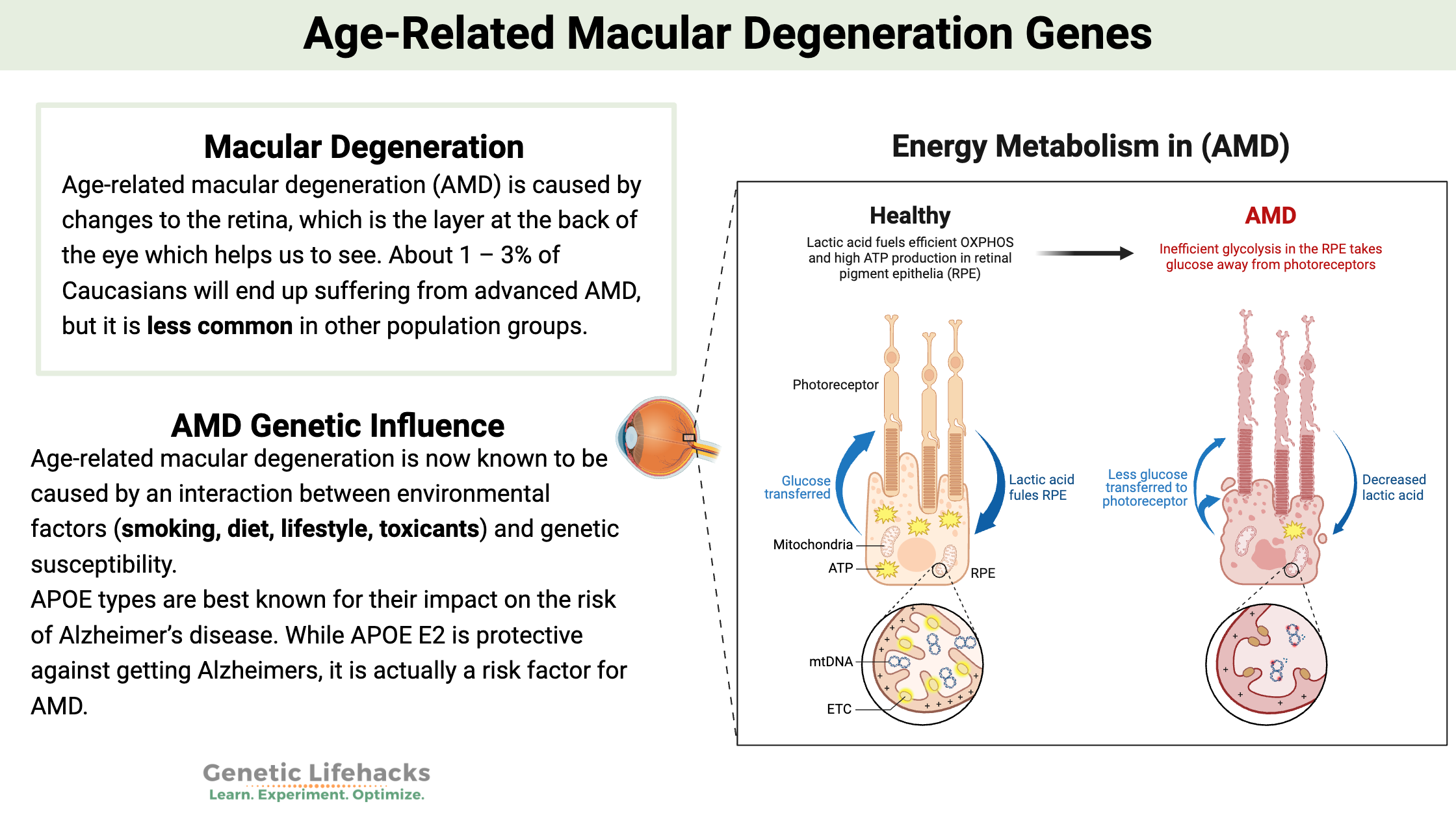
Another critical factor is mitochondrial dysfunction. Mitochondria are the powerhouses of the cell, responsible for generating adenosine triphosphate (ATP). As we age, the efficiency of these organelles declines, leading to increased production of reactive oxygen species (ROS). This oxidative stress damages DNA, proteins, and lipids, further accelerating the aging process. Additionally, the shortening of telomeres—the protective caps at the ends of chromosomes—acts as a biological clock. When telomeres become critically short, the cell can no longer function correctly, leading to tissue degradation.
Understanding these mechanisms is not merely academic; it informs how we approach preventative care. By targeting these cellular processes through nutrition, exercise, and emerging geroprotective therapies, individuals can influence their biological age, which often differs significantly from their chronological age.
Sensory Transitions: Vision and Hearing
The most immediately noticeable age-related changes often involve the primary senses. These shifts typically begin in middle age and progress gradually, requiring adaptive strategies to maintain functionality.
Presbyopia and Ocular Changes
Beginning in the early to mid-40s, most individuals experience presbyopia, a condition where the eye's natural lens loses flexibility. This makes it difficult to focus on close objects, such as text on a smartphone or a menu. Beyond the lens, the vitreous humor—the gel-like substance inside the eye—can shrink and clump, leading to "floaters." While often benign, sudden increases in floaters require medical evaluation to rule out retinal detachment. By 2026, advanced multifocal intraocular lenses and specialized pharmaceutical eye drops have become standard options for managing these transitions effectively.
Presbycusis and Auditory Decline
Age-related hearing loss, or presbycusis, usually occurs bilaterally and affects high-frequency sounds first. This is often caused by the gradual loss of hair cells within the cochlea. Because the decline is slow, many individuals do not realize they are missing parts of conversations, particularly in noisy environments. It is important to address hearing loss early, as untreated auditory decline is strongly correlated with social isolation and accelerated cognitive impairment.
Musculoskeletal Integrity: Sarcopenia and Bone Density
The structural framework of the body undergoes significant remodeling over the decades. Two of the most impactful age-related changes are the loss of muscle mass and the reduction of bone mineral density.
Sarcopenia is the involuntary loss of skeletal muscle mass and strength. Starting as early as age 30, humans can lose 3% to 5% of their muscle mass per decade. This process accelerates after age 60. The "why" behind sarcopenia involves a combination of hormonal shifts (such as declining growth hormone and testosterone), a decrease in the number of motor neurons, and "anabolic resistance," where the body becomes less efficient at converting dietary protein into muscle tissue.
Simultaneously, bone density tends to decrease, particularly in postmenopausal women due to the drop in estrogen, which protects bone mass. This leads to osteopenia and, eventually, osteoporosis. The danger of these combined changes is an increased risk of falls and fractures. In 2026, clinical guidelines place a heavy emphasis on progressive resistance training and optimized leucine-rich protein intake to counteract these shifts, proving that while some loss is inevitable, the rate of decline is highly modifiable.
Cardiovascular and Metabolic Readjustments
As the vascular system ages, the walls of the large arteries lose their elasticity, a process known as arterial stiffening. This increases the workload on the heart and often results in a rise in systolic blood pressure. Even in individuals who have maintained healthy lifestyles, the heart's "maximal heart rate" decreases over time, limiting the upper threshold of physical exertion.
On the metabolic front, the body’s ability to process glucose often becomes less efficient. Insulin sensitivity typically declines with age, partly due to changes in body composition (increased visceral fat and decreased muscle) and partly due to cellular changes. This makes the monitoring of Hemoglobin A1c levels a standard component of wellness checks for older adults. Managing these changes involves a shift toward nutrient-dense diets that prioritize glycemic control and cardiovascular support.
Cognitive Aging vs. Neurodegeneration
One of the most frequent concerns regarding aging is the fear of cognitive decline. It is vital to distinguish between normal age-related cognitive changes and pathological neurodegeneration, such as Alzheimer’s disease.
Normal Cognitive Aging:
- Slower processing speed: It may take longer to learn a new software or recall a specific name.
- Divided attention: Multi-tasking becomes more challenging.
- Tip-of-the-tongue phenomenon: Occasional difficulty retrieving a word that is well-known.
In contrast, pathological decline involves significant memory loss that interferes with daily life, such as getting lost in familiar places or forgetting the purpose of common objects. In the 2026 medical landscape, blood-based biomarkers are increasingly used to detect early signs of neurodegeneration long before symptoms appear, allowing for earlier intervention through lifestyle modifications and targeted therapies.
Comparison: Normal Aging vs. Warning Signs
The following table provides a reference for distinguishing typical age-related changes from symptoms that require clinical investigation.
| Feature | Normal Age-Related Change | Potential Warning Sign (Consult MD) |
|---|---|---|
| Cognition | Forgetting where you put your keys occasionally. | Forgetting the names of close family members or getting lost. |
| Vision | Needing reading glasses for small print. | Sudden loss of vision, severe eye pain, or "curtain" over sight. |
| Mobility | Feeling slightly stiffer in the mornings. | Inability to walk a block or frequent unexplained falls. |
| Hearing | Difficulty hearing in a crowded, noisy restaurant. | Total loss of hearing in one ear or persistent loud ringing. |
| Bladder | Occasional urgency or waking up once at night. | Persistent incontinence or pain during urination. |
| Skin | Appearance of fine lines, wrinkles, and "age spots." | New or changing moles with irregular borders or bleeding. |
Managing Age-Related Conditions in 2026
Proactive management of age-related changes focuses on the concept of "Healthspan"—the period of life spent in good health—rather than just "Lifespan."
- Personalized Nutrition: As caloric needs decrease but nutrient requirements remain high (or increase), the focus in 2026 is on high-quality protein, fiber, and phytonutrients that support mitochondrial health.
- Strategic Exercise: A balance of Zone 2 aerobic training (for mitochondrial efficiency) and heavy resistance training (for bone and muscle preservation) is considered the gold standard for aging adults.
- Routine Screenings: Regular monitoring of blood pressure, lipids, A1c, and bone density allows for early intervention. In 2026, many of these are supplemented by wearable technology that tracks heart rate variability (HRV) and sleep patterns.
- Social and Mental Engagement: Cognitive reserve is built through lifelong learning and social connection. Engaging in complex tasks and maintaining a robust social network are scientifically proven to delay the onset of cognitive symptoms.
Medical interventions have also evolved. Many healthcare providers now utilize "biological age clocks" to assess how well a patient's organs are functioning relative to their peers. This allows for customized protocols involving everything from standard pharmaceuticals like statins to more modern interventions focused on metabolic health.
FAQ
Is muscle loss an inevitable part of aging?
Yes, some degree of muscle loss (sarcopenia) is a natural part of the aging process, but its severity is largely within an individual's control. Regular resistance training and adequate protein intake (roughly 1.2 to 1.6 grams per kilogram of body weight) can significantly slow or even temporarily reverse muscle loss, preserving strength and independence well into older age.
Why does my skin get thinner as I get older?
Skin thinning is caused by a decrease in the production of collagen and elastin, the proteins responsible for the skin's structural integrity. Additionally, the subcutaneous fat layer beneath the skin diminishes, and the turnover of skin cells slows down. These changes make the skin more fragile and prone to bruising, emphasizing the need for consistent sun protection and hydration.
Is it normal to need less sleep as you age?
While it is a common myth that older adults need less sleep, the reality is that their ability to stay asleep often decreases. Age-related changes in the circadian rhythm (the internal body clock) may lead to earlier bedtimes and earlier wake times. However, the requirement for 7–9 hours of sleep remains consistent for health and cognitive function.
At what point should I be concerned about memory slips?
Occasional forgetfulness, like misplacing glasses, is normal. You should seek a medical evaluation if memory slips interfere with safety (e.g., leaving the stove on), if you forget how to perform routine tasks (e.g., using a microwave), or if your personality and judgment change significantly. Early diagnosis in 2026 provides access to a wider range of management options.
Why do I feel colder as I age?
Age-related changes in the metabolic rate and the thinning of the insulating fat layer under the skin make it harder for the body to maintain its core temperature. Additionally, decreased circulation and certain medications can contribute to a heightened sensitivity to cold.
Next Steps for Healthy Aging
To effectively navigate age-related changes, individuals should move from a reactive to a proactive health stance. The first step is to establish a baseline through a comprehensive physical examination that includes blood work, sensory checks, and a functional movement screen. By identifying areas of vulnerability—such as declining grip strength or rising blood sugar—one can implement targeted lifestyle changes before these shifts progress into chronic diseases.
Furthermore, leveraging the diagnostic tools available in 2026, such as continuous glucose monitors or advanced imaging, can provide real-time feedback on how lifestyle choices affect biological aging. Focusing on the pillars of sleep, nutrition, movement, and social connection remains the most effective strategy for ensuring that the later decades of life are characterized by vitality and engagement.