Managing age-related health effectively requires a proactive combination of clinical screenings, nutritional optimization, and consistent physical activity. As of 2026, the focus of geriatric care has shifted toward personalized preventative strategies and the integration of digital monitoring, allowing individuals to maintain their independence and manage chronic conditions with greater precision than ever before.
Understanding the Physiological Foundations of Aging
Aging is a biological process characterized by the gradual decline of physiological functions and an increased vulnerability to disease. While the rate of aging varies significantly between individuals due to genetics and environment, certain universal changes occur at the cellular and systemic levels. Understanding these "prerequisites" of aging is essential for making informed healthcare decisions.
One of the most significant changes involves sarcopenia, the age-related loss of skeletal muscle mass and strength. This process typically accelerates after the age of 60 and can lead to frailty, increased fall risk, and a decrease in metabolic rate. Parallel to muscle loss is the reduction in bone mineral density, known as osteopenia or, in more severe cases, osteoporosis. These skeletal changes occur because the body’s ability to replace bone tissue slows down, often exacerbated by hormonal shifts, such as the decrease in estrogen during menopause or testosterone in aging men.
Furthermore, the cardiovascular system undergoes structural modifications. The heart’s large arteries become stiffer—a condition known as arteriosclerosis—which increases the workload on the heart and contributes to higher systolic blood pressure. Understanding these baseline shifts allows individuals and healthcare providers to distinguish between normal age-related changes and pathological conditions that require medical intervention.
Common Age-Related Conditions and Their Management
As we move through 2026, medical research continues to refine our approach to chronic conditions that disproportionately affect older adults. Addressing these issues early can significantly improve long-term outcomes and preserve quality of life.
Cardiovascular Health and Hypertension
Heart disease remains a leading health concern for the aging population. Hypertension (high blood pressure) is often dubbed the "silent killer" because it frequently presents no symptoms until significant damage has occurred. Management in 2026 emphasizes continuous monitoring via wearable devices that track heart rate variability and blood pressure trends in real-time. Treatment typically involves a combination of sodium reduction, moderate aerobic exercise, and pharmacotherapy such as ACE inhibitors or beta-blockers when lifestyle changes alone are insufficient.
Cognitive Health and Neurodegeneration
Cognitive decline is perhaps the most feared aspect of aging. While some slowing of processing speed and minor memory lapses are normal, conditions like Alzheimer’s disease and other forms of dementia represent pathological changes in brain structure. Early detection has become more accessible in 2026 through advanced biomarkers and neuro-imaging. Management strategies focus on "cognitive reserve"—the brain’s ability to improvise and find alternate ways of getting a job done. This is built through lifelong learning, social engagement, and controlling vascular risk factors like diabetes and high cholesterol.
Sensory Impairment and Mobility
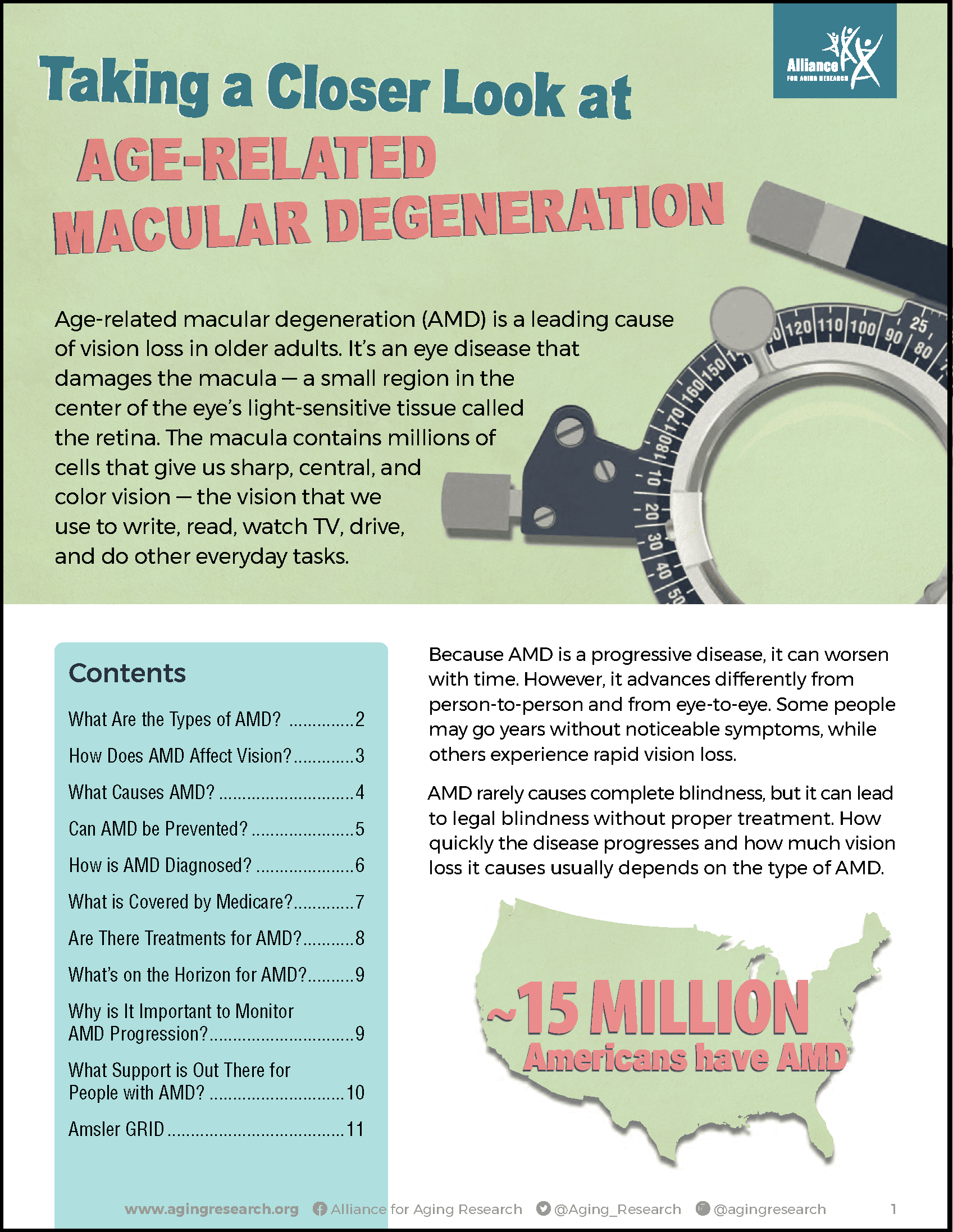
Vision and hearing loss are common but often overlooked components of age-related health. Presbyopia (difficulty focusing on near objects) and age-related macular degeneration (AMD) are primary concerns. Similarly, presbycusis (gradual hearing loss) can lead to social isolation and has been linked to an increased risk of cognitive decline. Regular screenings are vital to ensure that corrective measures, such as advanced hearing aids or cataract surgery, are implemented before these impairments impact daily functioning or mental health.
Nutrition and Metabolic Health in the Later Years
Metabolic needs change as the body ages. With a lower basal metabolic rate and changes in digestive efficiency, the density of nutrients in the diet becomes more important than the total caloric intake. In 2026, nutritional guidelines for seniors emphasize protein intake and micronutrient absorption to combat sarcopenia and support immune function.
Protein is the cornerstone of maintaining muscle mass. Older adults often require more protein per kilogram of body weight than younger adults to stimulate muscle protein synthesis. Sources such as lean meats, legumes, and high-quality dairy or plant-based proteins should be distributed across all meals. Additionally, the absorption of Vitamin B12, Vitamin D, and Calcium often decreases with age due to changes in stomach acid and skin synthesis, making supplementation a common necessity under medical supervision.
Hydration also becomes a critical factor. The sensation of thirst naturally diminishes with age, increasing the risk of dehydration, which can lead to complications such as urinary tract infections, kidney stones, and confusion. Integrating hydrating foods—such as cucumbers, melons, and soups—alongside regular water intake is a standard recommendation for maintaining cellular health and cognitive clarity.
Physical Activity and Functional Independence
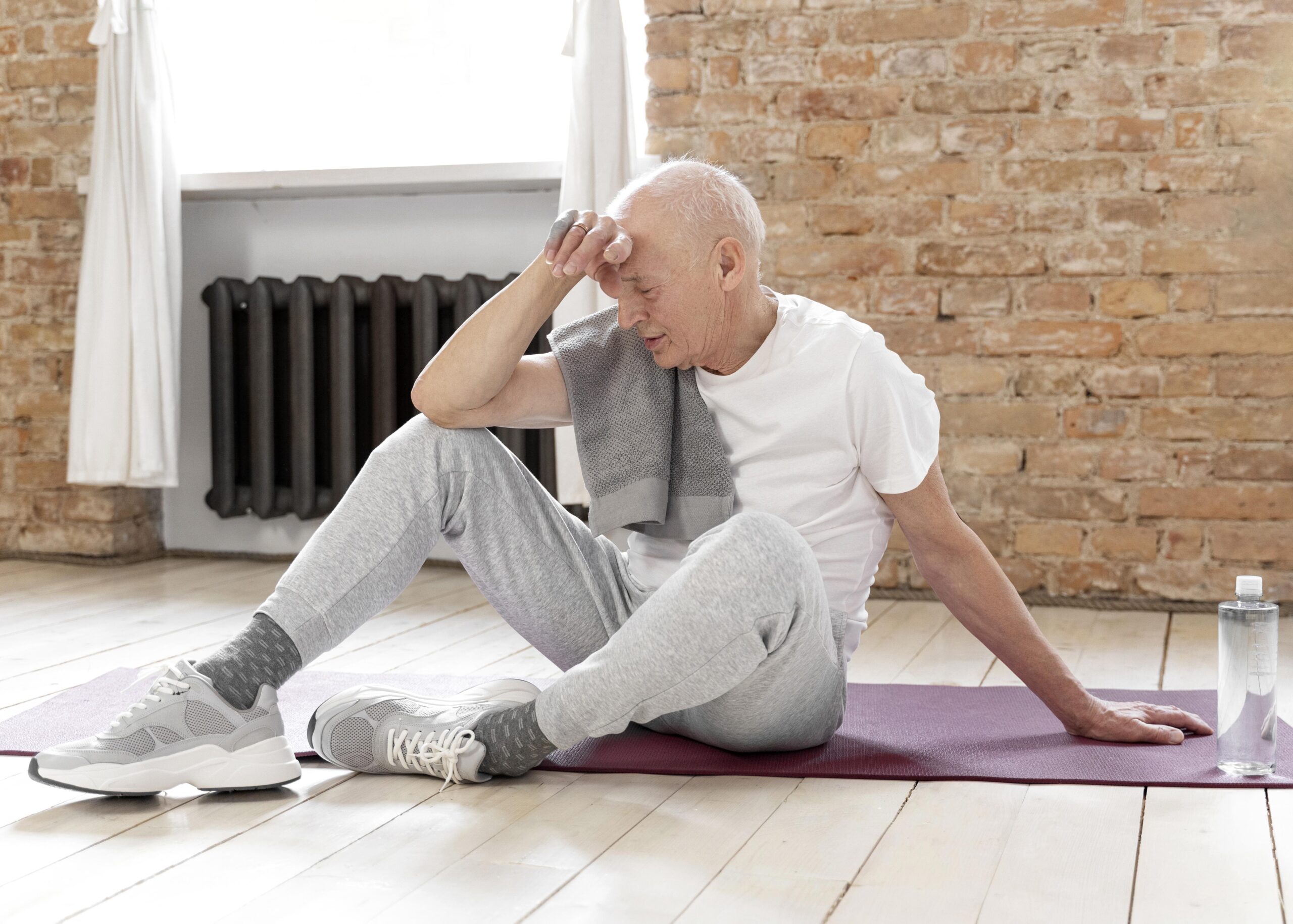
Exercise is arguably the most effective "medicine" for age-related health. A balanced physical activity regimen in 2026 is categorized into four main areas: aerobic endurance, muscle strengthening, flexibility, and balance.
- Aerobic Endurance: Activities like brisk walking, swimming, or cycling improve cardiovascular health and respiratory capacity. Aiming for at least 150 minutes of moderate-intensity activity per week remains the gold standard.
- Strength Training: Using resistance bands, light weights, or bodyweight exercises at least twice a week is essential for counteracting sarcopenia and supporting bone density.
- Flexibility: Stretching and yoga help maintain the range of motion in joints, reducing the likelihood of stiffness and chronic pain.
- Balance Training: Specific exercises, such as Tai Chi or heel-to-toe walking, are vital for fall prevention, which remains a primary cause of injury-related hospitalizations among seniors.
By maintaining a consistent routine, older adults can preserve their "functional age," often performing at a level equivalent to individuals decades younger.
Essential Health Screenings and Comparisons
Routine medical surveillance is the backbone of preventative health. The following table outlines the standard screening recommendations as of 2026 for individuals aged 65 and older.
| Health Metric | Screening Frequency | Purpose | 2026 Standard/Tool |
|---|---|---|---|
| Blood Pressure | Every visit or monthly | Detect hypertension and stroke risk | Automated digital cuffs / Wearables |
| Blood Glucose | Annually | Monitor for Type 2 Diabetes | HbA1c blood test |
| Bone Density | Every 2 years (women) | Assess osteoporosis risk | DEXA (Dual-energy X-ray) |
| Colorectal Cancer | Every 5-10 years | Early detection of polyps/cancer | Colonoscopy or FIT-DNA test |
| Vision & Hearing | Annually | Prevent falls and social isolation | Comprehensive sensory exams |
| Lipid Profile | Every 1-2 years | Assess cardiovascular risk | Fasting lipid panel (LDL/HDL) |
Note: Individual screening schedules may vary based on personal health history and physician recommendations.
The Role of Digital Health and Technology
In 2026, technology has become an inseparable part of managing age-related health. Telehealth services have matured, offering seniors the ability to consult with specialists from the comfort of their homes, which is particularly beneficial for those with mobility challenges.
Wearable technology now goes beyond simple step counting. Modern devices can perform EKG readings, detect falls automatically and alert emergency services, and even monitor blood oxygen levels. Furthermore, AI-driven health apps provide personalized reminders for medication adherence, which is crucial for managing polypharmacy—the use of multiple medications. By leveraging these tools, older adults can take an active role in their health data management, leading to more productive conversations with their healthcare providers.
Common Health-Related Questions
What is the most effective way to prevent falls at home?
Fall prevention starts with environmental modifications and physical conditioning. Removing trip hazards like throw rugs, installing grab bars in bathrooms, and ensuring adequate lighting are essential first steps. From a physical standpoint, focusing on lower-body strength and balance exercises (like Tai Chi) significantly improves stability and reaction time.
How does sleep change as we age, and when is it a problem?
It is a common myth that seniors need less sleep; most still require 7-9 hours. However, sleep architecture changes, leading to lighter sleep and more frequent awakenings. If poor sleep results in daytime fatigue, irritability, or cognitive fog, it may indicate underlying issues like sleep apnea or restless leg syndrome, both of which are treatable.
Are supplements necessary for everyone over 65?
Supplements should not be a substitute for a healthy diet, but they are often necessary for certain nutrients. Vitamin D and B12 are the most common supplements prescribed for seniors due to decreased natural absorption. However, because supplements can interact with prescription medications, they should only be taken after blood tests confirm a deficiency and a doctor provides a recommendation.
Can lifestyle changes really slow down brain aging?
Yes, clinical evidence supports that lifestyle interventions can improve brain plasticity. Engaging in regular aerobic exercise increases blood flow to the hippocampus, while "cognitive training"—learning new skills rather than just repeating familiar tasks—strengthens neural connections. Controlling mid-life hypertension and diabetes also significantly lowers the risk of late-life vascular dementia.
Why is social connection considered a "health" factor?
Social isolation is linked to higher rates of depression, anxiety, and even heart disease. In 2026, healthcare providers recognize "social prescribing," where patients are encouraged to join community groups or volunteer. Regular social interaction stimulates the brain and provides emotional support, which is as critical to longevity as physical health.
Developing a Personalized Longevity Plan
To effectively navigate age-related health, individuals should move away from a reactive "wait and see" approach toward a structured longevity plan. This begins with a comprehensive geriatric assessment, which evaluates physical, cognitive, and emotional health.
Start by establishing a "health home"—a primary care physician or a geriatrician who can coordinate care between various specialists. Consolidate your medication list and review it at least twice a year to avoid unnecessary prescriptions. Finally, commit to one small, sustainable change this week: whether it is increasing your daily water intake, scheduling a long-overdue screening, or walking for fifteen minutes. Consistency in these small actions is the most reliable predictor of health and vitality in the later years of life.
Professional Advice Limitation: This article is for informational purposes only and does not constitute medical advice. Consult a qualified healthcare professional for diagnosis, treatment, and personalized health recommendations based on your specific medical history.