The age at marriage is a sociodemographic metric representing the average or median age at which individuals enter their first legal union. This figure is influenced by a complex interplay of legislative age requirements, socioeconomic conditions, cultural shifts, and educational attainment levels. Tracking these trends provides essential insights into demographic transitions, household formation patterns, and labor market participation across different global populations.
The Intersection of Law and Personal Choice
The age at which an individual can legally marry is governed by jurisdictional statutes. In most regions, these laws are designed to ensure that parties entering into a marriage contract have reached a sufficient level of maturity to consent to such a significant legal and financial commitment. While the legal minimum age varies globally—often ranging from 16 to 18 years, frequently with parental consent exceptions—this is distinct from the singulate mean age at marriage, which tracks the actual behavioral patterns of a population.
Legislative frameworks around the world have increasingly gravitated toward a standardized minimum of 18 years to align with international conventions on children’s rights and to mitigate the risks associated with child marriage, such as curtailed education and increased health vulnerabilities. However, understanding the legal baseline is only the first step in analyzing why individuals choose to marry when they do. The decision is increasingly decoupled from legal minimums as social norms evolve toward later marriage, often prioritized behind professional and financial stability.
Socioeconomic Drivers of Delayed Marriage
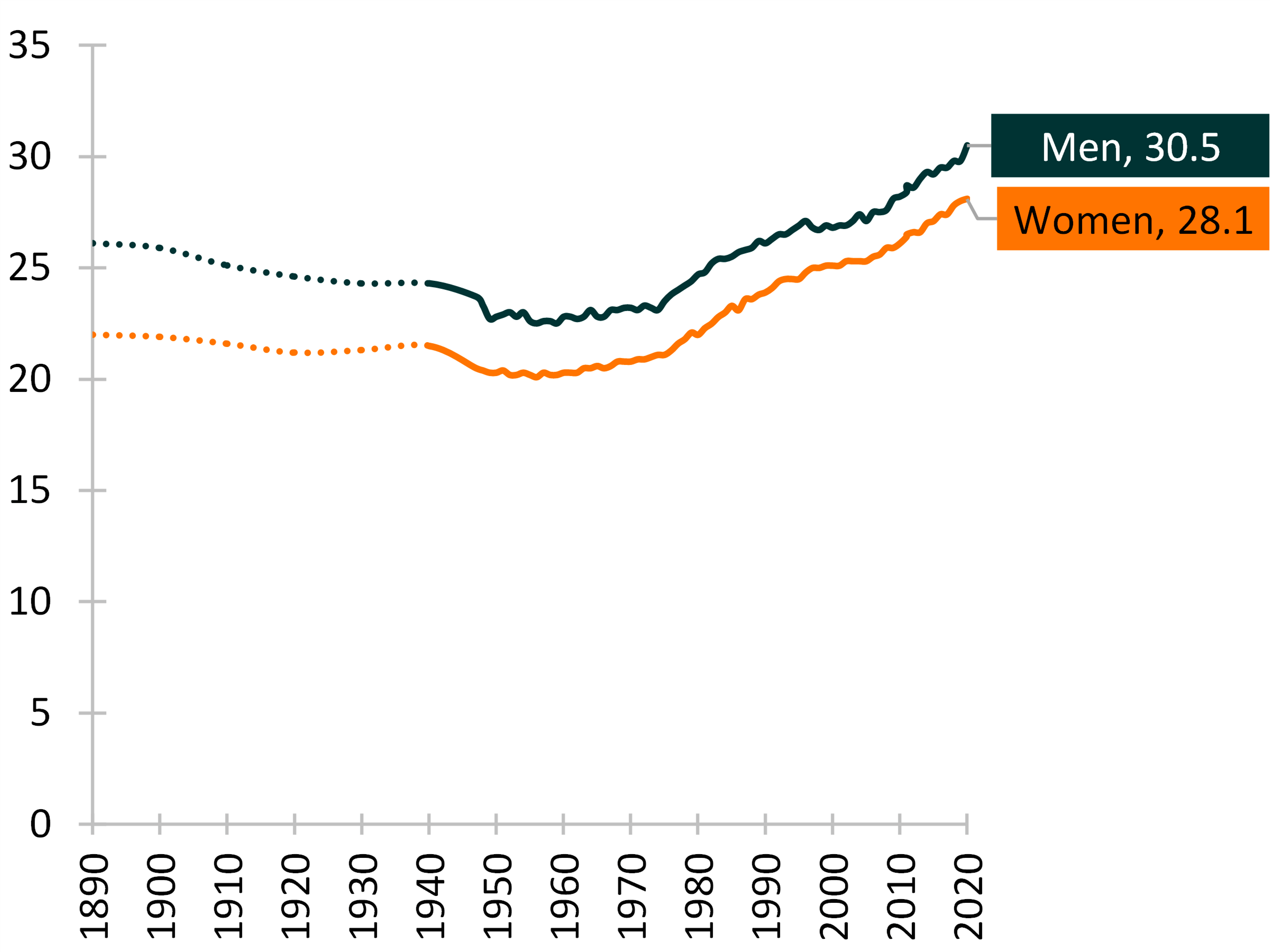
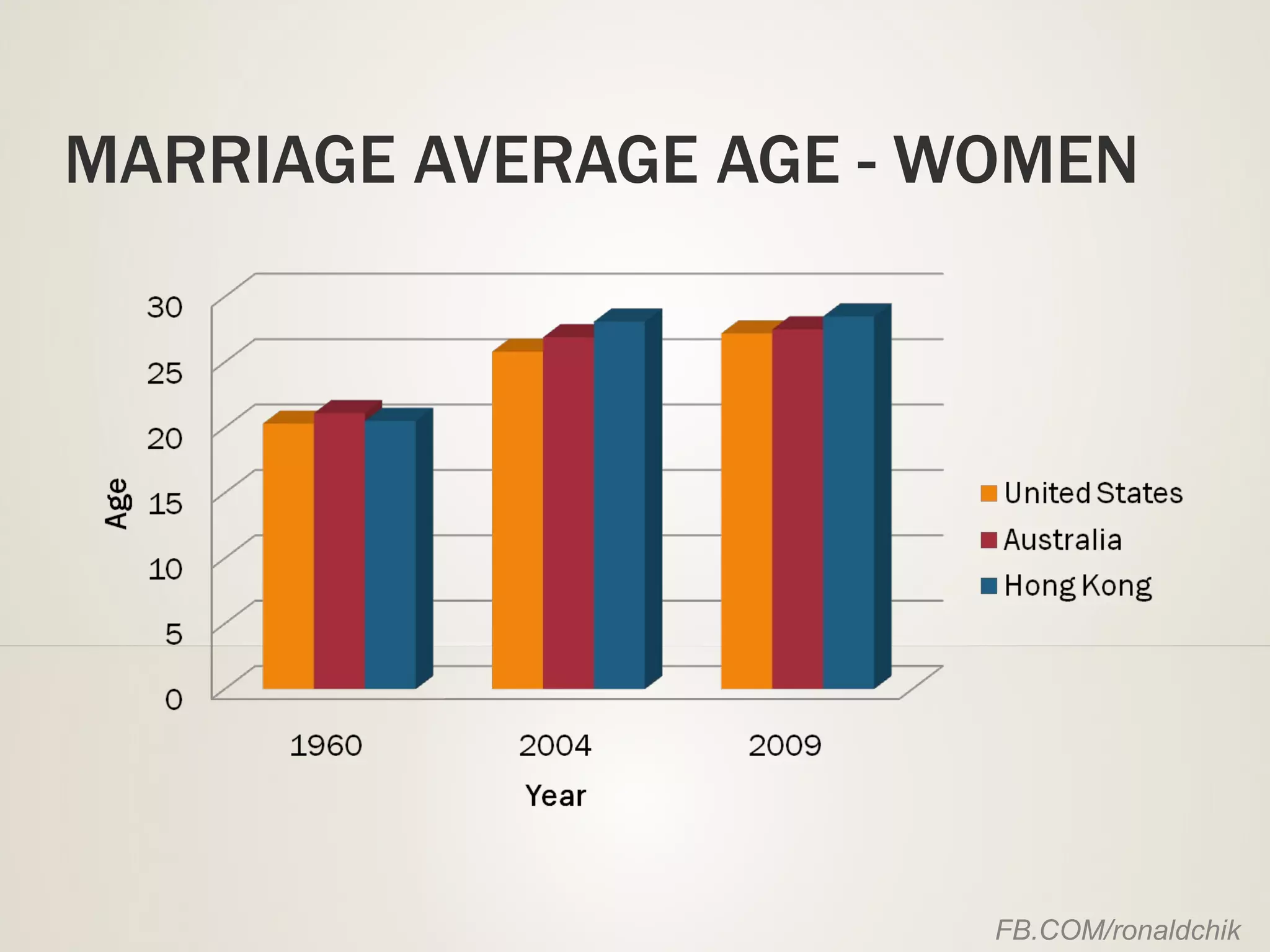
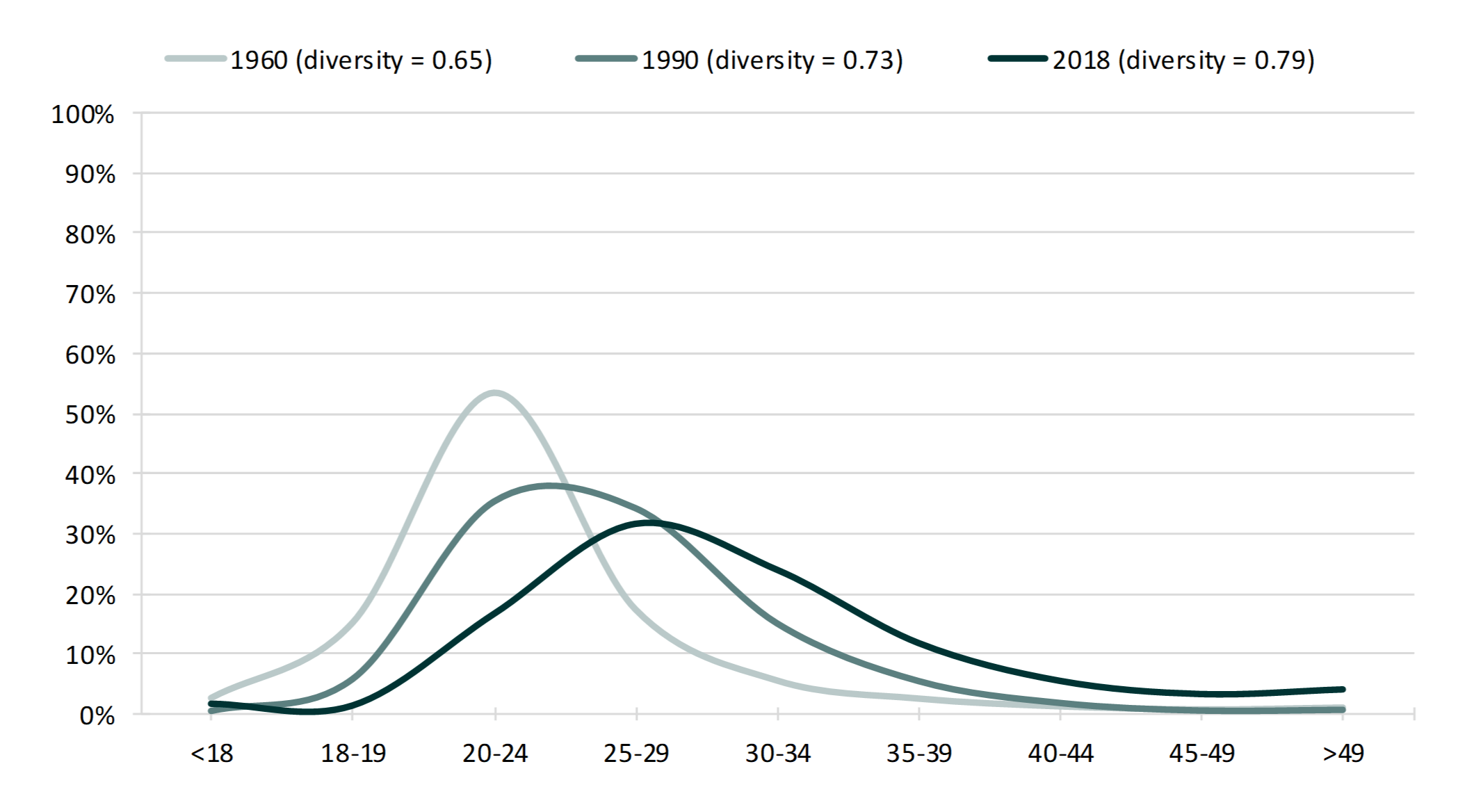
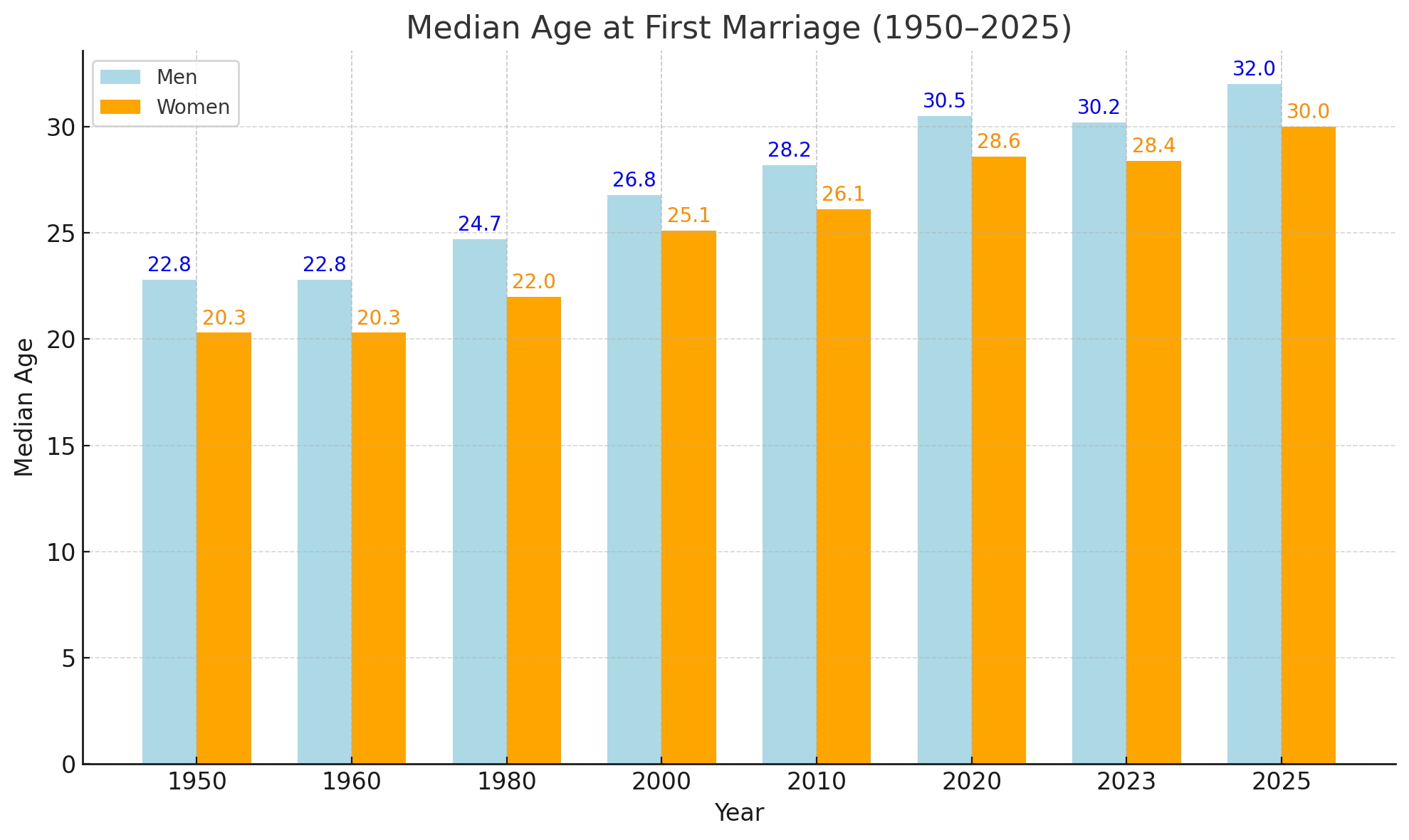
In developed and developing economies alike, the mean age at marriage has shifted upward over the last several decades. This transition is not accidental; it is driven by structural changes in how societies organize labor and education. As access to higher education expands, individuals are spending more years in academic environments, which naturally delays the start of career building and financial independence.
Economic security serves as a foundational requirement for many modern couples before they consider marriage. With the rising cost of living, housing, and childcare, many choose to postpone marriage until both partners have established stable career trajectories. This phenomenon, often termed "matrimonial postponement," is not merely a delay in ceremony but a recalibration of the life cycle. The transition from dependency to autonomy now covers a larger portion of the early adult years, pushing the average age of first union into the late twenties or early thirties in many jurisdictions.
Comparative Overview of Marriage Metrics
To understand the current state of marriage, it is useful to categorize the factors that influence the timing of nuptials. The following table outlines the primary drivers that differentiate legal capacity from social reality.
| Metric Type | Primary Focus | Determinants |
|---|---|---|
| Legal Minimum | Statutory eligibility | Jurisdiction, parental consent laws, judicial waivers |
| Singulate Mean | Demographic average | Education, labor market participation, cultural norms |
| Economic Basis | Financial readiness | Cost of housing, income stability, debt burden |
| Social Patterns | Cultural expectations | Religious influence, gender roles, peer group behavior |
Impact on Demographic and Family Structures
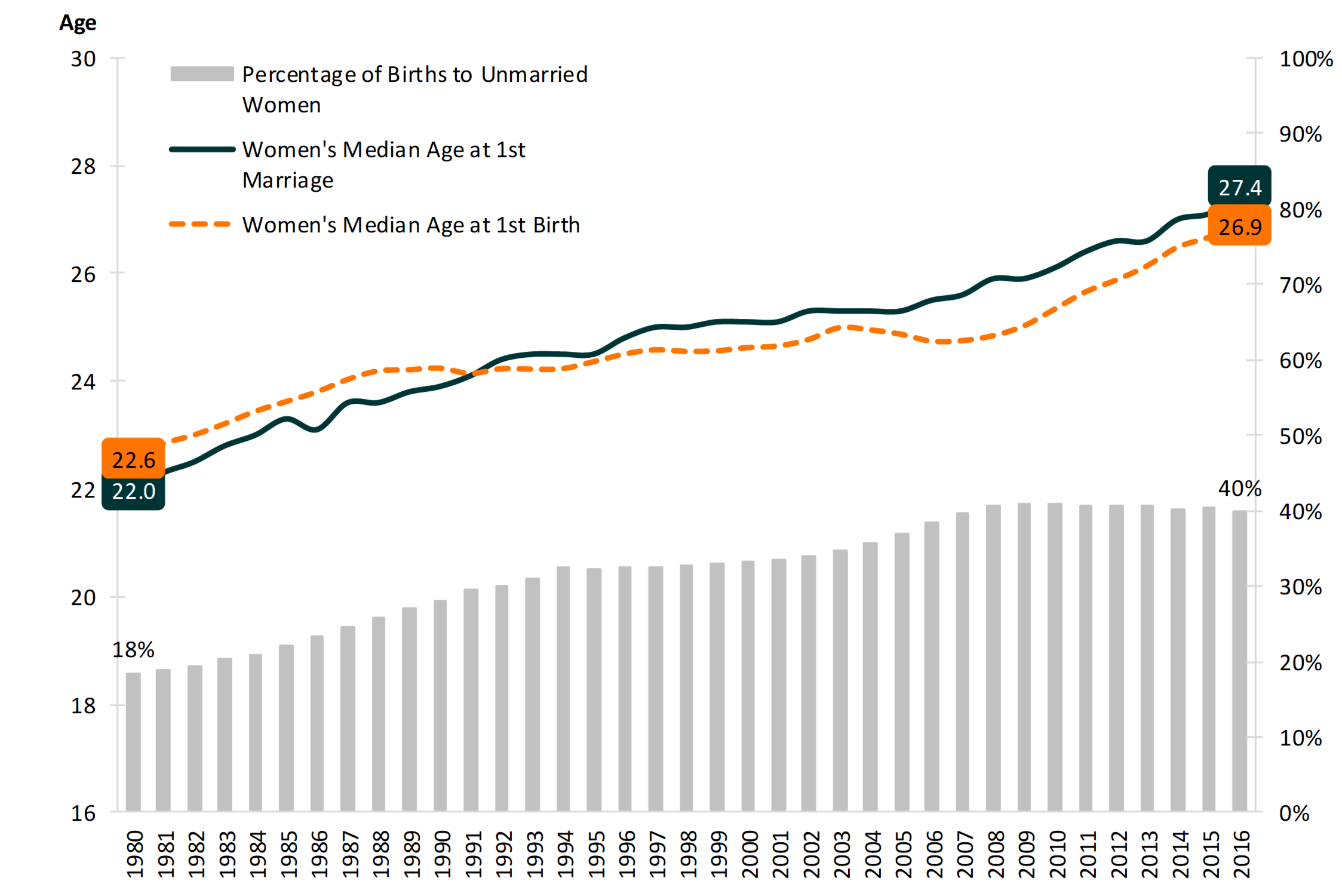
The rising age at marriage has profound effects on broader demographic indicators, most notably fertility rates. When individuals marry later, the biological window for childbearing is compressed, which often leads to smaller family sizes and a rise in the average age of first-time parents. This shift impacts public policy, as government agencies must account for an aging workforce and changing pension or social support requirements.
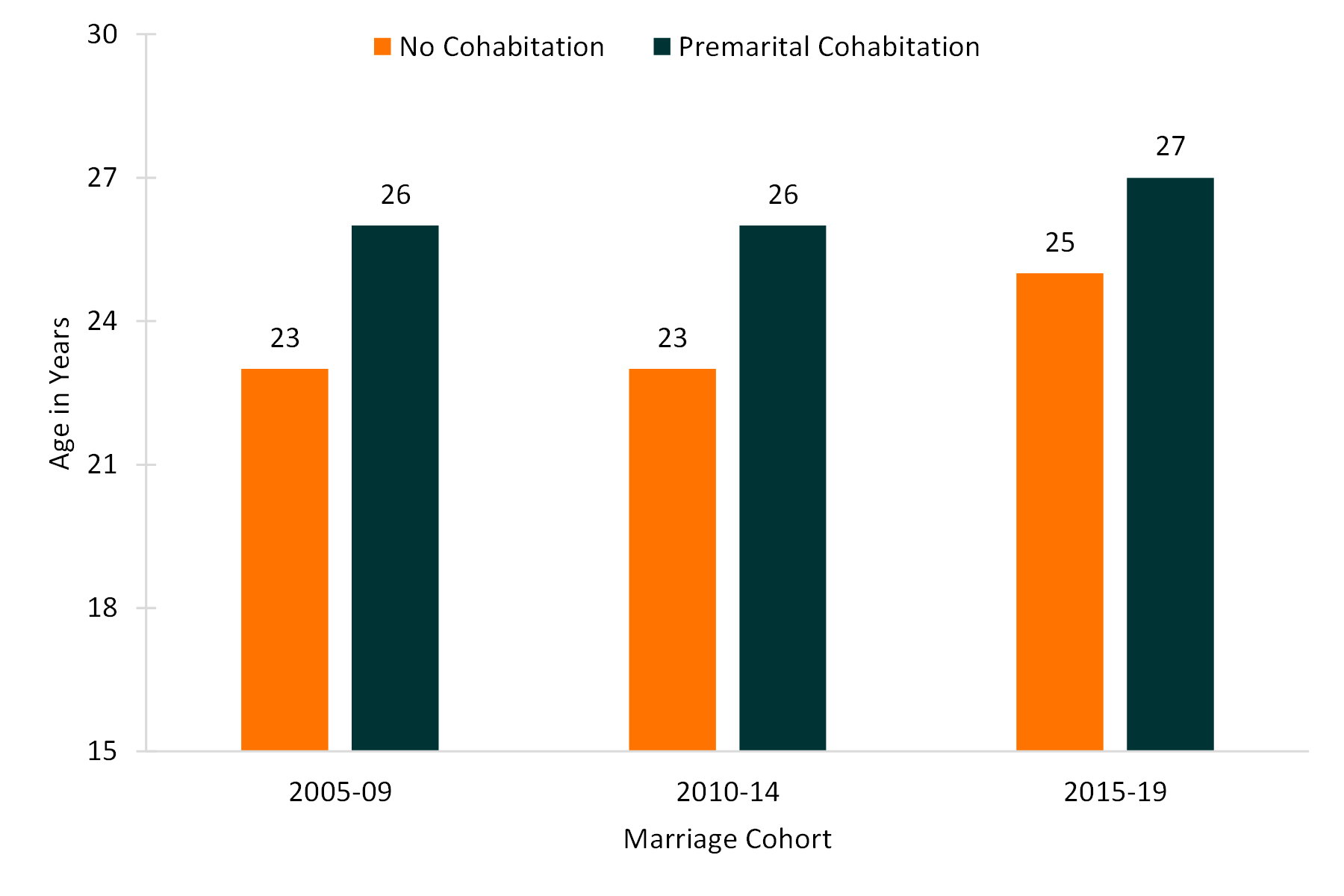
Furthermore, the structure of the household is evolving. The period between reaching legal adulthood and marrying is increasingly spent in cohabitation. In many societies, cohabitation has become a trial period or an alternative to marriage, effectively blurring the lines that researchers use to define "union formation." Consequently, when analyzing marriage data, it is necessary to consider the prevalence of de facto unions, which may provide more accurate data on domestic partnership formation than marriage registration records alone.
Navigating Legal Requirements and Verification
For individuals preparing for marriage, the process involves verifying the specific requirements in their local jurisdiction. These requirements often include more than just age; they frequently involve residency verification, blood tests, or mandatory waiting periods. It is critical to obtain information from the primary source, such as a county clerk’s office, a civil registry, or the relevant Ministry of Justice.
When verifying eligibility:
- Identify the local authority: Determine whether marriage licenses are issued at the city, state, or provincial level.
- Review documentation: Most regions require a government-issued photo ID (passport, birth certificate, or driver’s license) to verify age.
- Check for exceptions: If one party is under the local age of majority, determine if a court order or parental notarized consent is required.
- Confirm registration protocols: Understand the deadline for submitting the marriage license after the ceremony to ensure the legal union is recorded accurately.
Common Misconceptions Regarding Nuptial Trends
A frequent error in interpreting marriage data is the assumption that a delay in marriage indicates a decline in the value placed on the institution. On the contrary, research suggests that for many, the delay is a deliberate attempt to increase the probability of marital success. By entering into marriage with more financial assets, professional experience, and emotional maturity, couples aim to reduce the likelihood of divorce, which is often statistically correlated with early marriage.
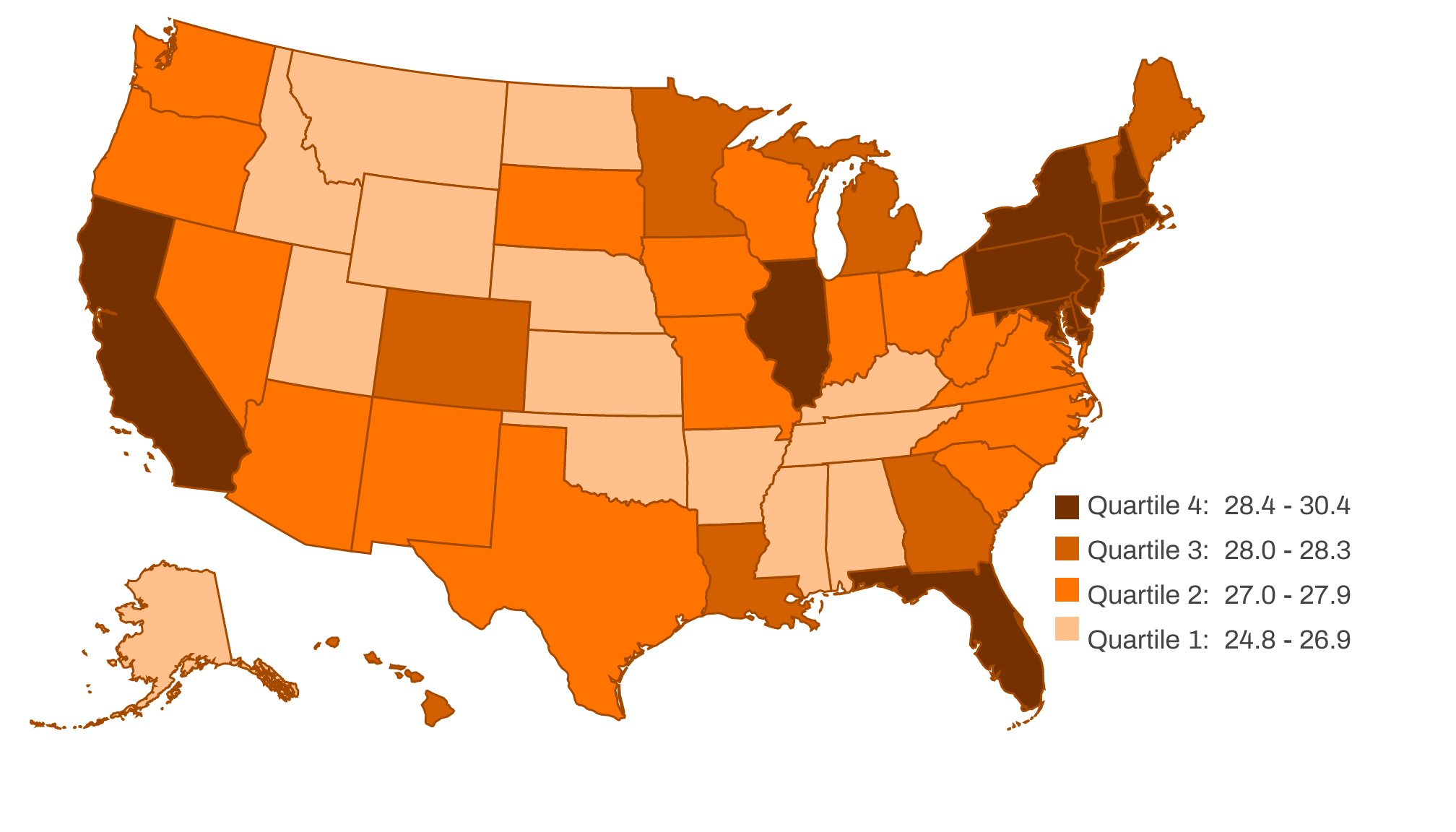
Another misconception is that the "age at marriage" is a uniform global trend. In reality, there is significant regional variation. While urban centers in developed nations see a consistent rise in the average age, rural areas or communities with traditional economic models may show stability or even a decrease in the marriage age. It is therefore vital to avoid broad generalizations when interpreting data for specific regions or socioeconomic subgroups.
How Can Couples Prepare for Marriage Timing?
Deciding when to marry is a personal milestone that requires evaluating both legal constraints and personal readiness. The most effective approach involves a transparent assessment of long-term goals.
What are the legal requirements for marriage age in my area?
Legal requirements are set by state or national statutes. You should check the official government website for your local civil registration authority. They provide the most accurate information regarding the minimum legal age, requirements for parental consent, and any specific documentation necessary to prove age and identity.
Does a later age at marriage guarantee a stronger relationship?
While many studies show a statistical correlation between marrying at a later age and lower divorce rates, this is an aggregate trend and not a guarantee for individuals. The strength of a marriage is typically more dependent on communication, shared values, and the ability to manage life stressors together than on the specific age of the partners at the time of the wedding.
How does education affect the age of marriage?
Education is one of the strongest predictors of delayed marriage. Individuals who pursue advanced academic or professional degrees typically remain in school longer and focus on career establishment, which naturally shifts the timeline for major life events like marriage and homeownership.
Is parental consent still a common requirement?
Parental consent remains a common mechanism in many legal systems for individuals who are above the absolute minimum age but below the age of majority. However, the use of these provisions is declining as social norms shift toward higher minimums for independent consent and as the average age of first marriage continues to rise naturally.
What documents verify my age for a marriage license?
Standard documentation includes a certified copy of your birth certificate, a valid passport, or a government-issued driver’s license. Some jurisdictions may require additional documents if you have been previously married, such as a final divorce decree or a death certificate of a former spouse.
Practical Steps Toward Ensuring Legal Compliance
To ensure your marriage is recognized legally, initiate the planning process at least three to six months in advance. Start by contacting your local vital records office or marriage licensing bureau. In 2026, many jurisdictions offer online portals to initiate the application process, but an in-person appearance by both parties is often still required to sign the license under oath.
Before committing to a date, verify if your jurisdiction imposes a mandatory waiting period between the issuance of the license and the ceremony. Planning for these technical requirements prevents administrative hurdles and ensures your marriage is properly registered, which is essential for future matters involving legal status, taxation, and insurance benefits.