Age indicators are measurable biological, physical, or chemical signs used to estimate the chronological or biological age of a person, animal, or tissue. While chronological age is simply the time elapsed since birth, age indicators provide critical insights into biological age—the functional state of an organism’s cells and systems—which is a more accurate predictor of health span and mortality.
The Distinction Between Chronological and Biological Age
To understand age indicators, one must first distinguish between the calendar and the cell. Chronological age is immutable; it is a fixed measurement of time. However, biological age is plastic and influenced by genetics, environment, and lifestyle. Age indicators serve as the metrics by which scientists and clinicians "read" this biological clock.
In the current landscape of 2026, the focus has shifted from merely tracking birth years to optimizing these biological markers. Clinicians use age indicators to identify individuals who are "aging faster" than their chronological years, allowing for earlier interventions in age-related diseases such as cardiovascular decay, cognitive decline, and metabolic dysfunction. By measuring these indicators, we move from reactive medicine to proactive longevity management.
Key Biological Age Indicators (Biomarkers)
Biological markers, or biomarkers, are the most precise age indicators available in modern medicine. These operate at the cellular and molecular levels, often revealing changes long before physical symptoms appear.
Epigenetic Clocks and DNA Methylation
Perhaps the most significant breakthrough in age indicators is the "epigenetic clock." This method measures DNA methylation—the process by which methyl groups are added to the DNA molecule. As we age, the pattern of these methyl groups changes in a predictable manner. By analyzing specific sites on the genome, researchers can estimate biological age with remarkable accuracy. The most famous of these, the Horvath Clock, has paved the way for current 2026 diagnostic tools that help patients understand how their lifestyle choices are impacting their cellular aging.
Telomere Length
Telomeres are protective caps at the ends of chromosomes that shorten every time a cell divides. When telomeres become too short, the cell can no longer divide and becomes senescent or dies. Therefore, telomere length in white blood cells (leukocytes) is a primary age indicator. While telomere shortening is a natural part of aging, accelerated shortening is linked to chronic stress, poor nutrition, and increased risk of age-related diseases.
Proteomic and Metabolomic Profiles
The types and concentrations of proteins (proteomics) and metabolites (metabolomics) in the blood change over the human lifespan. Specific "aging signatures" in the plasma can indicate the functional state of internal organs. For example, certain inflammatory proteins, often referred to as "inflammaging" markers, rise steadily as biological age increases, providing a snapshot of systemic inflammation and immune system exhaustion.
Physical and Morphological Age Indicators
Physical indicators are the visible or structural changes that occur in the body over time. These are often the first signs individuals notice and are frequently used in both clinical and forensic settings.
Dermal and Structural Skin Changes
The skin is the most visible age indicator. Aging is characterized by a loss of collagen and elastin, leading to reduced elasticity (elastosis) and the formation of rhytids (wrinkles). Furthermore, the thinning of the epidermal layer and changes in pigmentation (solar lentigines or "age spots") provide a visual map of both intrinsic aging and extrinsic damage, such as UV exposure. In 2026, advanced dermatological imaging can quantify these changes to give an "Estimated Skin Age," which may differ significantly from a person's actual age.
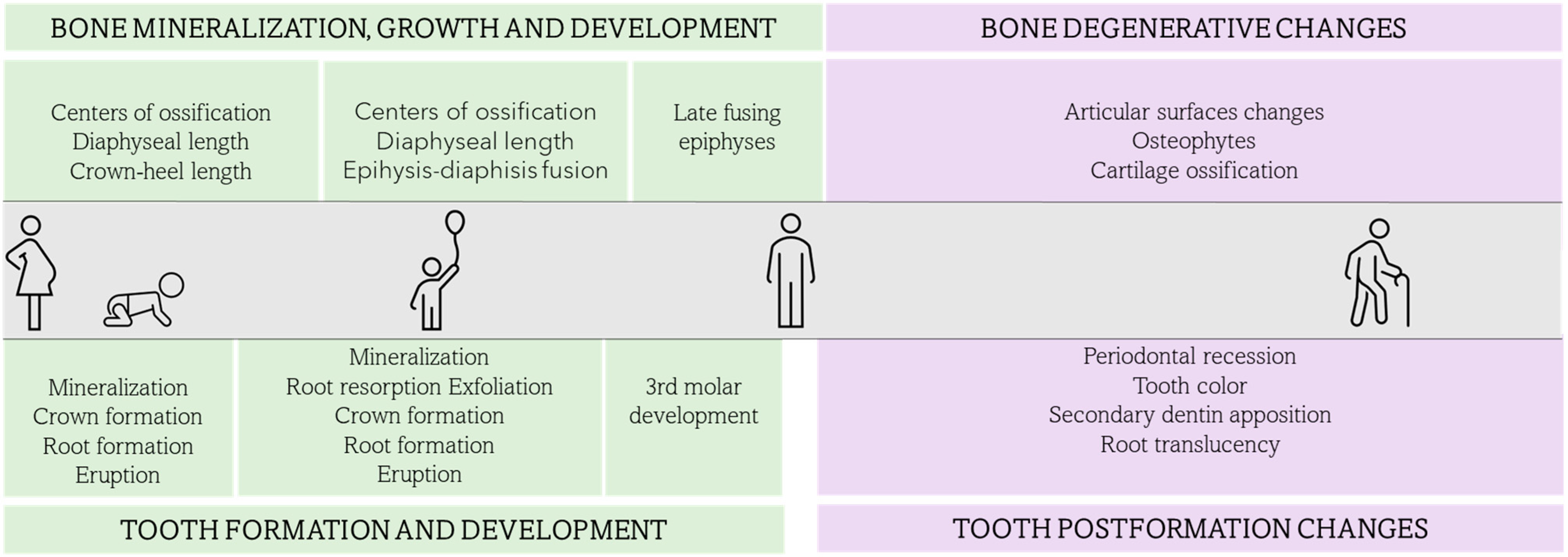
Skeletal and Dental Indicators
In forensics and anthropology, bones and teeth are the primary age indicators.
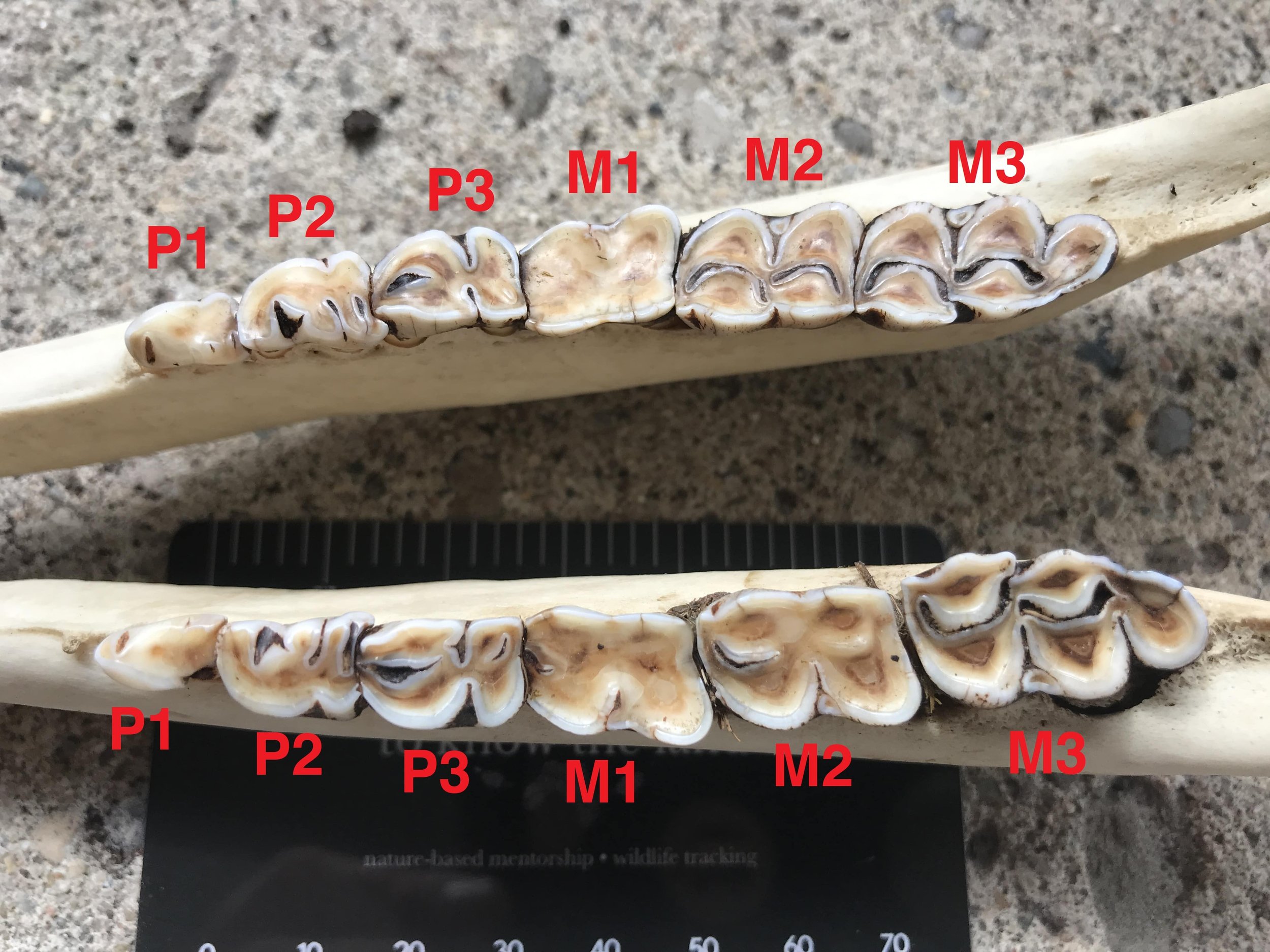
- Dental Development: In children and adolescents, the eruption patterns of teeth and the mineralization of enamel are highly accurate. In adults, the recession of the gums and the accumulation of secondary dentin serve as markers.
- Skeletal Maturation: The closure of epiphyseal plates (growth plates) and changes in the pubic symphysis or the sternal ends of the ribs are used to estimate age in skeletal remains.
- Bone Density: Osteopenia and osteoporosis are age-related indicators of skeletal degradation, often measured via Dual-energy X-ray Absorptiometry (DEXA) scans.
Sensory and Cognitive Age Indicators
Age indicators also manifest in how we process information and interact with the world. These functional markers are vital for assessing the "quality" of aging.
Sensory Decline
The gradual loss of sensory acuity is a hallmark of aging. Presbyopia (the loss of the eye's ability to focus on nearby objects) usually begins in the early to mid-40s and is a nearly universal age indicator. Similarly, presbycusis (age-related hearing loss), particularly of high-frequency sounds, serves as a marker for the aging of the auditory system.
Cognitive Processing Speed
While wisdom and knowledge often increase with age, the "fluid intelligence"—the speed at which the brain processes new information and solves novel problems—typically declines. Neuroimaging markers, such as the reduction in grey matter volume in the prefrontal cortex or changes in white matter integrity, act as neurological age indicators that can predict the onset of neurodegenerative conditions.
Comparing Major Age Indicators
The following table compares the most common age indicators used in 2026 for clinical, forensic, and personal health assessments.
| Indicator Type | Specific Marker | Sampling Method | Primary Use Case |
|---|---|---|---|
| Molecular | DNA Methylation | Blood or Saliva | Measuring biological aging rate; longevity research. |
| Cellular | Telomere Length | Blood (Leukocytes) | Assessing cellular senescence and chronic stress. |
| Physical | Skin Elasticity | Topical Imaging/Palpation | Cosmetic assessment; UV damage tracking. |
| Structural | Bone Density (DEXA) | X-ray Imaging | Diagnosing osteoporosis; fracture risk assessment. |
| Forensic | Tooth Mineralization | Dental X-ray | Identifying age in unknown remains or legal cases. |
| Functional | Grip Strength | Physical Dynamometer | Predicting frailty and all-cause mortality in seniors. |
| Chemical | HbA1c (Glycation) | Blood Test | Measuring metabolic age and diabetes risk. |
Forensic and Legal Applications of Age Indicators
The estimation of age is a critical task in several legal contexts. Forensic age estimation is often required for living individuals who lack valid identification documents, such as asylum seekers or victims of human trafficking.
In these cases, a multi-factorial approach is used. This typically involves a physical examination, dental x-rays, and radiographs of the hand or clavicle. Because biological development varies between individuals, forensic experts provide an "age range" rather than a specific birth date. The goal is to determine, with a high degree of statistical certainty, whether an individual has reached a specific legal threshold, such as the age of majority (18 years).
Factors That Accelerate Age Indicators
Understanding what moves the needle on age indicators is essential for health management. Several "accelerants" can cause biological age to outpace chronological age:
- Oxidative Stress: An imbalance between free radicals and antioxidants leads to cellular damage, shortening telomeres and damaging DNA.
- Chronic Inflammation: Often called "inflammaging," persistent low-grade inflammation acts as a catalyst for almost all age-related diseases.
- Glycation: High blood sugar levels lead to the formation of Advanced Glycation End-products (AGEs), which stiffen proteins like collagen, accelerating skin and vascular aging.
- Lifestyle Factors: Smoking, excessive alcohol consumption, sedentary behavior, and poor sleep quality are all clinically proven to advance molecular age indicators.
How to Monitor and Improve Your Age Indicators
As of 2026, the accessibility of biological age testing has increased significantly. Individuals can now track their biomarkers through consumer-grade epigenetic tests and wearable devices that monitor functional indicators like Heart Rate Variability (HRV) and VO2 max.
To "reverse" or slow the progression of these indicators, the focus remains on high-leverage lifestyle interventions. Regular resistance training preserves bone density and muscle mass (combatting sarcopenia). A diet rich in phytonutrients and omega-3 fatty acids supports DNA repair mechanisms and reduces inflammation. Furthermore, emerging senolytic therapies—compounds designed to clear out "zombie" or senescent cells—are being studied for their ability to reset certain cellular age indicators.
Common Questions About Age Indicators
Can biological age indicators really be reversed?
While you cannot change your birth year, research into DNA methylation and cellular health suggests that biological age indicators can be improved. Significant lifestyle changes, such as weight loss, smoking cessation, and improved stress management, have been shown in clinical trials to "turn back" epigenetic clocks by several years over a sustained period.
Which age indicator is the most accurate?
Currently, DNA methylation (epigenetic clocks) is considered the "gold standard" for determining biological age due to its high correlation with chronological age and its ability to predict mortality. However, for specific health concerns, other markers may be more relevant; for example, grip strength is a better predictor of physical frailty in the elderly.
Why do some people look younger than their age indicators suggest?
Physical appearance (extrinsic aging) and internal biological aging (intrinsic aging) do not always move in tandem. A person may have youthful skin due to good sun protection and genetics but have advanced biological age indicators in their cardiovascular system due to poor diet or high stress.
Are age indicators used in life insurance?
Yes, insurance companies have long used "surrogate" age indicators like blood pressure, cholesterol levels, and BMI to assess risk. In 2026, some specialized providers are beginning to incorporate advanced biomarkers, such as epigenetic testing, into their underwriting processes to offer more personalized premiums.
Moving Toward Personalized Longevity
The study of age indicators has moved from the periphery of science to the center of personalized medicine. By understanding these markers, individuals are no longer passive observers of their own decline. Instead, by monitoring molecular, physical, and functional indicators, you can gain a clear picture of your health trajectory and take documented steps to extend your "healthspan"—the period of life spent in good health. The next step for most individuals is to establish a baseline through a comprehensive blood panel or epigenetic test and consult with a longevity-informed healthcare provider.