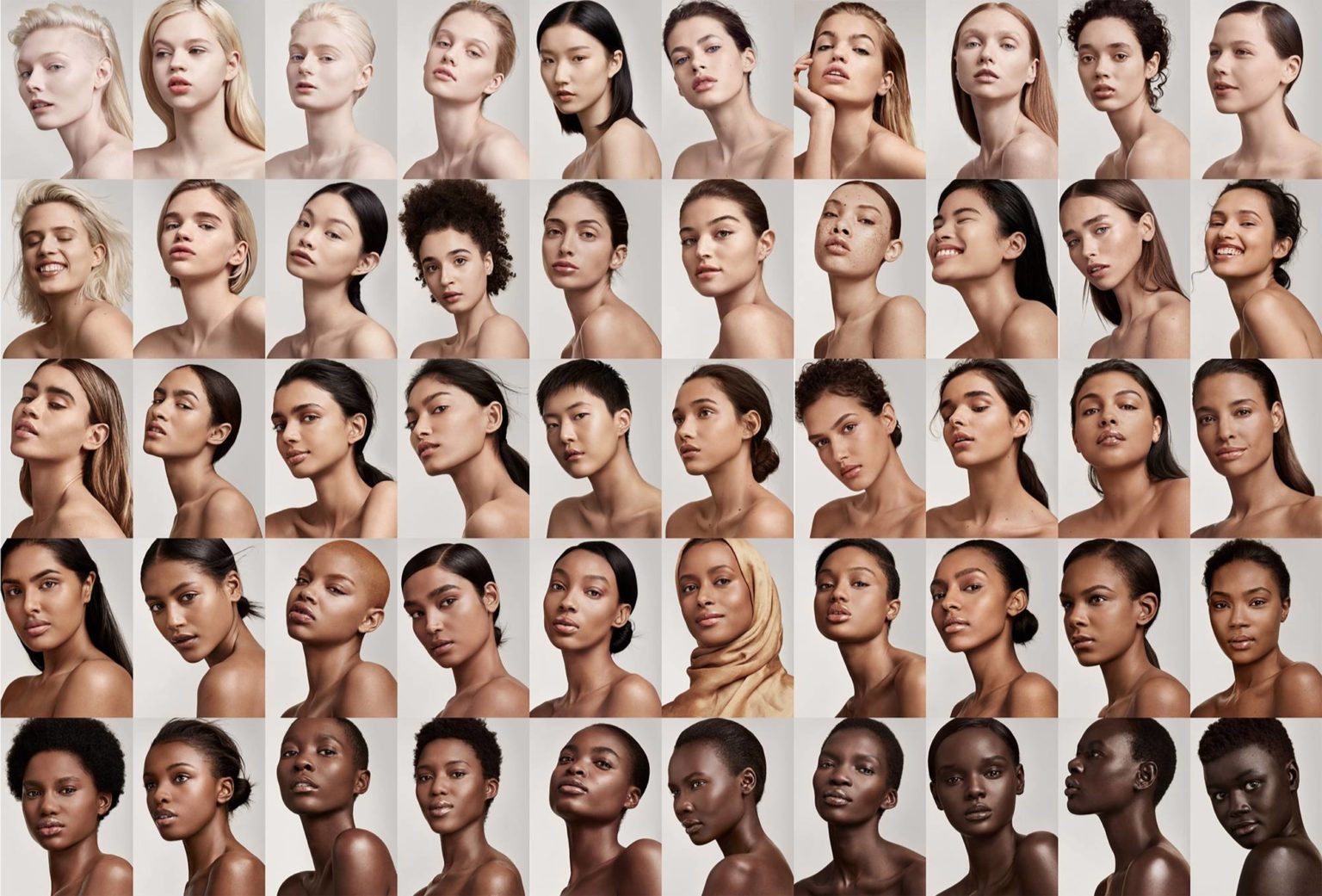
Age-inclusive makeup focuses on flexible, skin-mimicking formulas that prioritize hydration and texture over heavy, masking coverage. In 2026, this category has evolved beyond traditional "anti-aging" labels to provide high-performance solutions for skin at every stage, emphasizing biocompatible ingredients that adapt to changing collagen levels, sebum production, and environmental stressors.
The Evolution of Age Inclusivity in 2026
The beauty industry in 2026 has undergone a fundamental shift in how it categorizes products based on age. The outdated concept of "anti-aging"—which often implied that aging was a condition to be corrected or hidden—has been largely replaced by the "age-inclusive" or "pro-age" movement. This transition reflects a deeper understanding that skin does not simply "get old"; rather, its needs change regarding moisture retention, elasticity, and cellular turnover.
Age-inclusive makeup is designed to be universal yet specific. For younger users, it provides preventative care and lightweight finishes that don't clog pores. For those in mid-life and beyond, it focuses on "stretchable" formulas. These are products that move with the face instead of settling into expression lines or thinning areas. The goal is no longer to create a "blank canvas" but to enhance the existing skin through light-refraction technology and biomimetic ingredients. This approach acknowledges that a 60-year-old’s skin has different structural integrity than a 20-year-old’s, requiring pigments that don't emphasize texture or dehydration.
Understanding the Physiology of Skin and Makeup Interaction
To appreciate why age-inclusive formulations are necessary, one must understand how skin changes over time. As we age, the dermal-epidermal junction flattens, and the production of natural oils (sebum) typically decreases. This leads to a drier surface where traditional powders and high-pigment "matte" foundations can easily "cake" or "crack."
In 2026, cosmetic chemists have optimized the "pigment-to-emollient" ratio. In traditional makeup, high pigment loads often required heavy waxes or drying alcohols to stay in place. Age-inclusive products utilize micro-encapsulated pigments suspended in hydrating bases like squalane or fermented oils. These ingredients mimic the skin’s natural lipid barrier, allowing the makeup to melt into the skin rather than sitting on top of it. This prevents the "mask-like" appearance that often occurs when products are unable to bond with the skin's surface.
Furthermore, the loss of subcutaneous fat and collagen leads to increased skin mobility. Makeup that lacks flexibility—meaning it cannot expand and contract with facial expressions—will inevitably migrate into fine lines. Modern age-inclusive foundations utilize cross-linked polymers that provide a "second-skin" mesh, ensuring the product stays evenly distributed even as the face moves throughout the day.
Key Ingredients to Look for in 2026 Formulations
The efficacy of age-inclusive makeup relies heavily on the integration of skincare-active ingredients. In 2026, the line between a serum and a foundation has become almost non-existent. When selecting products, certain ingredients are essential for maintaining a vibrant, healthy appearance regardless of chronological age.
- Low-Molecular-Weight Hyaluronic Acid: Unlike standard hyaluronic acid, which sits on the surface, low-molecular-weight versions penetrate deeper to provide structural hydration, preventing the "creping" effect often seen under the eyes.
- Ceramides and Phytosphingosines: These are critical for repairing the skin barrier. Makeup infused with ceramides helps the skin retain its own moisture, which is vital for those experiencing hormonal shifts, such as during menopause, when skin can become suddenly dry or sensitive.
- Niacinamide (Vitamin B3): This remains a powerhouse for age-inclusivity because it addresses multiple concerns: it regulates oil in younger skin and improves the appearance of enlarged pores and "age spots" in mature skin.
- Peptide Complexes: Specifically, "signal peptides" are now common in concealers and foundations to promote the appearance of firmness while the product is being worn.
- Bakuchiol: As a gentler alternative to retinol, bakuchiol is frequently included in evening-wear foundations to provide texture-smoothing benefits without the irritation or photosensitivity associated with traditional vitamin A derivatives.
According to the American Academy of Dermatology, maintaining the skin barrier is the most effective way to manage the visible signs of aging, a principle that is now the bedrock of cosmetic formulation.
Essential Application Techniques for Different Life Stages
Product choice is only half the battle; application technique is what determines the final outcome. As skin texture changes, the "swipe and buff" method of the past often proves too aggressive, potentially causing micro-irritation or uneven distribution.
Preparation: The Foundation of Age-Inclusivity
Regardless of age, makeup should never be applied to "naked" skin. In 2026, the standard practice is "moisture layering." This involves applying a lightweight humectant (like a glycerin-based mist), followed by a lipid-rich moisturizer or face oil. Allowing these layers to "set" for three to five minutes creates a buffered surface that prevents the skin from "drinking" the moisture out of the foundation, which is the primary cause of makeup looking patchy by midday.
The "Press and Melt" Method
For mature skin or skin with significant texture, tools like dense brushes can sometimes kick up dry flakes. Instead, 2026 trends favor the use of warm fingertips or damp, non-latex sponges. By pressing the product into the skin rather than rubbing it, you ensure the pigments fill in the "valleys" of the skin (pores and lines) rather than just coating the "peaks." This creates a much smoother optical surface.
Zoning Coverage
Age-inclusivity also means moving away from "full-face" foundation. Most people, regardless of age, only need coverage in the center of the face—around the nose, chin, and between the brows. Leaving the outer perimeter of the face (the cheeks and forehead) with minimal product allows the skin's natural radiance to show through, which provides a more youthful, "honest" look.
Comparative Table: Choosing the Right Formula
Selecting the correct vehicle for pigments is essential for achieving an age-inclusive result. The table below compares the most common 2026 formulations based on skin needs.
| Formula Type | Primary Benefit | Best For | Technical Characteristic |
|---|---|---|---|
| Serum Tints | Extreme hydration & sheer glow | All ages; specifically dry/dehydrated skin | Water-in-oil emulsion with <5% pigment load. |
| Cream Balms | High flexibility; blurs deep texture | Mature skin; skin with loss of elasticity | High concentration of botanical butters and waxes. |
| Whipped Mousses | Blur pores without drying | Combination skin; hormonal/adult acne | Air-infused silicone or plant-based alternatives. |
| Mineral Liquids | Calms redness & sensitivity | Rosacea-prone or post-procedural skin | Zinc oxide and titanium dioxide suspended in aloe. |
| Encapsulated Pigments | Personalized color matching | Minimalist routines; "No-Makeup" looks | Pigment spheres that "burst" upon friction. |
The Role of Tech and Customization in 2026
By 2026, the concept of "one size fits all" has been replaced by AI-driven customization. Many age-inclusive brands now offer "bio-diagnostic" tools—handheld scanners or smartphone apps—that analyze the user's skin moisture levels, melanin distribution, and collagen density.
This data is used to create bespoke foundations. For example, a user in their 50s might receive a formula with extra lipid support on the cheeks but a higher concentration of salicylic acid on the chin to combat "maskne" or hormonal breakouts. This level of precision ensures that the makeup is not just sitting on the surface but is actively working as a functional extension of the user’s skincare routine.
Additionally, light-refraction technology has seen significant breakthroughs. "Smart pigments" now adjust how they reflect light based on the ambient environment. In harsh office lighting, the pigments shift to a warmer tone to prevent the skin from looking "sallow," a common concern for older demographics. In natural sunlight, they increase their UV-scattering properties to provide an extra layer of protection.
FAQ: Age Inclusive Makeup
What is the difference between "anti-aging" and "age-inclusive" makeup?
Anti-aging makeup historically focused on high-coverage "camouflaging" to hide wrinkles, often using heavy, matte formulas. Age-inclusive makeup focuses on skin-compatible textures and light-reflecting particles that enhance the skin at every stage, prioritizing hydration and flexibility over total concealment.
Can I still use powder if I have mature skin?
Yes, but the type of powder matters. In 2026, "technically advanced" finishing powders are often "baked" or "pressed" with hydrating oils. Avoid traditional loose talc-based powders, which absorb too much moisture. Look for "hyaluronic-infused" setting powders and apply them only to the T-zone using a small, fluffy brush to avoid a flat appearance.
How do I prevent concealer from settling into fine lines?
The key is "less is more" and proper prep. Use a dedicated eye cream or primer that contains caffeine or peptides to plump the area first. Apply concealer only to the inner corner where darkness is most prominent, rather than swiping it across the entire under-eye. Use a damp sponge to remove any excess product before it sets.
Are cream blushes better than powders for aging skin?
Generally, yes. Cream and liquid blushes provide a "lit-from-within" glow and do not emphasize skin texture or "peach fuzz" the way powders can. In 2026, many cream blushes are formulated with "lifting" polymers that provide a slight temporary tightening effect upon application.
Why does my foundation look grey or "ashy" as I get older?
As skin ages, cellular turnover slows down, which can lead to a buildup of dead skin cells that scatter light unevenly, making the skin look dull. This is often exacerbated by foundations with the wrong undertone. Age-inclusive brands in 2026 use "chromatic correcting" pigments that counteract sallowness and restore the natural "pink" or "golden" vitals of youthful skin.
Implementing a Skin-First Makeup Strategy
To successfully transition to an age-inclusive makeup routine, the first action should be an audit of your current "skin-to-makeup" ratio. In 2026, the most successful results come from a 70/30 split: 70% of your effort should go into skin health (cleansing, hydration, sun protection) and 30% into cosmetic application.
Start by replacing heavy, high-coverage foundations with a serum-based tint or a flexible cream balm. Experiment with "spot concealing"—applying coverage only where needed—to allow your natural skin texture to breathe. Finally, prioritize cream-based products for the cheeks and eyes, as these integrate more seamlessly with the skin's natural oils. By focusing on the health and movement of the skin rather than the concealment of its history, you achieve a look that is both modern and timeless.