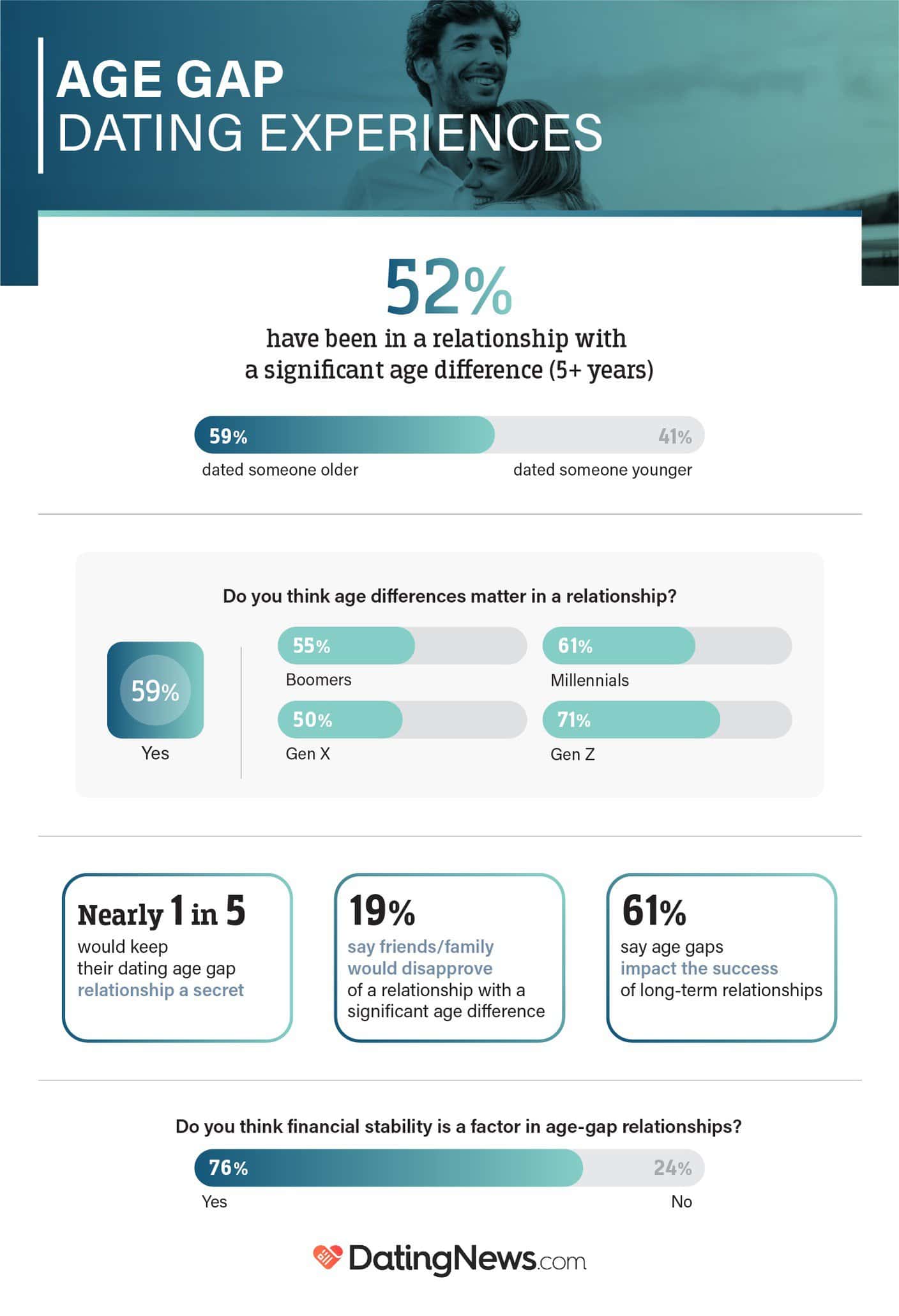
Successful age-gap relationships thrive on high levels of emotional intelligence, shared core values, and proactive navigation of differing life stages. While chronological age creates distinct social and biological realities, the quality of the partnership is determined by the couple’s ability to synchronize their long-term goals and manage external societal pressures through open communication and mutual respect.
The Evolving Landscape of Age-Gap Relationships in 2026
As of 2026, the social fabric of romantic partnerships continues to diversify. While "age-dissimilar" relationships—typically defined as couples with an age difference of ten years or more—have existed throughout history, the modern approach to these unions has shifted. In previous decades, age gaps were often viewed through the narrow lens of economic utility or traditional gender roles. Today, however, the emphasis has moved toward emotional compatibility and shared lifestyle preferences.
Data from recent sociological studies suggests that approximately 8% to 10% of heterosexual couples and a significantly higher percentage of same-sex couples involve a substantial age gap. Despite their prevalence, these couples often face a unique set of challenges ranging from "judgmental glares" in public to complex legal and financial considerations regarding retirement and inheritance. Understanding the mechanics of age-gap love requires moving beyond surface-level attraction and exploring the psychological, social, and practical layers that sustain these bonds over time.
Understanding the Psychological Foundations
The attraction between individuals of different generations is often rooted in more than just physical preference. Psychologically, age-gap relationships are frequently built on assortative mating, a theory suggesting that people choose partners based on similarities in education, values, and personality, even when their birth years differ significantly.
One common misconception is that age-gap relationships are driven by "daddy issues" or a "mid-life crisis." However, research published by organizations like the American Psychological Association indicates that many participants in these relationships report higher levels of trust and lower levels of jealousy compared to age-matched peers. The older partner often provides a sense of stability, wisdom, and emotional regulation, while the younger partner may bring vitality, new perspectives, and a drive for growth.
Furthermore, the "wisdom gap" can be a source of strength. When both partners are emotionally mature, the older individual’s life experience can act as a stabilizing force during crises, while the younger individual’s openness to new experiences can prevent the relationship from becoming stagnant. This dynamic works best when there is a "meeting of the minds"—a point where intellectual and emotional maturity levels overlap despite the chronological distance.
Navigating Divergent Life Stages and Goals
One of the most significant hurdles for age-gap couples is the misalignment of life stages. According to Erik Erikson’s stages of psychosocial development, an individual in their 20s is often focused on "Intimacy vs. Isolation," building a career, and establishing an identity. Meanwhile, a partner in their 50s may be entering the "Generativity vs. Stagnation" phase, focusing on legacy, mentoring, and preparing for the later stages of life.
Synchronization of Milestones
Couples must actively discuss how they will handle milestones that typically occur at specific ages. For instance:
- Career Ambition: One partner may be in the high-stress "climbing" phase of their career, requiring long hours and relocation, while the other is looking to "downshift" toward retirement.
- Social Circles: Peer groups may have little in common. The younger partner's friends may be focused on nightlife or early parenthood, while the older partner's peers may be discussing health concerns or grandchildren.
- Energy Levels: While fitness is subjective, there are biological realities to aging. Aligning interests in travel, physical activities, and daily routines requires compromise to ensure neither partner feels left behind or held back.
The Question of Children
Family planning is perhaps the most critical "deal-breaker" in age-gap love. In 2026, reproductive technology has advanced, but the biological clock remains a factor. A couple must decide early on if they want children. If the older partner already has grown children, they may be reluctant to "start over." Conversely, if the older partner is the one desiring children, they must consider the reality of being an older parent and the potential for the younger partner to eventually become a single parent.
Strategies for Overcoming Societal Stigma
Despite the progression of social norms, age-gap couples often encounter "social disapproval," which can place significant stress on the relationship. This stigma is frequently gendered; older men with younger women are often labeled with clichés about wealth, while older women with younger men ("cougars") face different, often harsher, societal critiques.
To build resilience against external judgment, couples should focus on:
- Unified Front: Establish a clear narrative for friends and family. When the couple is confident and unbothered by their age difference, others are more likely to accept the union.
- Addressing the "Gold Digger" or "Mid-Life Crisis" Tropes: These labels are designed to dehumanize the partnership. Couples can dismantle these by demonstrating their genuine emotional connection and shared intellectual interests.
- Choosing Support Systems: Surround yourselves with inclusive social circles. Finding other age-gap couples can provide a sense of community and validation that "age-matched" circles might lack.
Addressing Practical, Financial, and Legal Realities
The technical side of an age-gap relationship requires more planning than a standard partnership. In 2026, with shifting economic landscapes, financial synchronization is paramount. Because one partner will likely retire much earlier than the other, the couple must manage the disparity in income and savings.
| Challenge Area | Consideration for the Younger Partner | Consideration for the Older Partner |
|---|---|---|
| Retirement Timing | May need to continue working while the partner is retired, leading to "leisure time" gaps. | Must ensure their retirement fund can support a lifestyle that includes a younger, active partner. |
| Estate Planning | Needs legal protection (wills/trusts) to ensure housing and financial security if the older partner passes first. | Must balance the needs of the partner with potential obligations to children from previous marriages. |
| Healthcare | May eventually become a primary caregiver; needs to be emotionally and financially prepared. | Should establish long-term care insurance and advanced healthcare directives early. |
| Social Security | Should understand how survivor benefits work (depending on jurisdiction). | Must plan for the timing of benefits to maximize the couple's long-term "cash flow." |
It is highly recommended that age-gap couples consult with a financial advisor and a family law attorney to draft prenuptial or cohabitation agreements. These documents are not just about "divorce"; they are about protecting both parties' futures in the face of inevitable biological timelines.
Power Dynamics and Emotional Equity
In any relationship, a significant power imbalance can lead to resentment. In age-gap love, this imbalance often stems from the older partner having more wealth, a more established career, or more "life wisdom." If not managed, the older partner may unintentionally take on a "parental" role, while the younger partner may feel like a "student" or a "dependent."
To maintain emotional equity, the couple must ensure that:
- Decision-Making is Shared: Whether it is choosing a vacation spot or buying a home, both voices must have equal weight.
- Financial Contribution is Relative: If there is a large income gap, contributions should be based on a percentage of income rather than an equal dollar amount, ensuring both partners feel they are contributing fairly.
- Autonomy is Preserved: The younger partner must be encouraged to develop their own identity, career, and social life outside of the older partner’s established world.
Preparing for Future Health and Caregiving Needs
One of the most difficult "unspoken" aspects of age-gap love is the high probability of a period of caregiving. While no one can predict the future, a 20-year age gap almost guarantees that one partner will face the challenges of aging significantly sooner than the other.
Openly discussing health history, end-of-life wishes, and care preferences is an act of love, not a morbid obsession. By 2026, the cost of professional care has risen, making it essential to have a plan. Will the younger partner be the sole caregiver? Will there be funds for in-home nursing? Discussing these scenarios prevents the younger partner from feeling "trapped" or overwhelmed when the time comes and ensures the older partner feels dignified and cared for.
Building a Resilient Foundation
To move forward successfully in an age-gap relationship, couples should prioritize "radical transparency." This means being honest about fears regarding aging, death, social judgment, and family acceptance.
Next Steps for Couples:
- The "Life Audit": Sit down and map out where you both expect to be in 5, 10, and 20 years. If the visions align despite the age difference, the foundation is strong.
- Seek Specialized Counseling: If societal pressure or family conflict becomes overwhelming, a therapist who specializes in non-traditional relationship structures can provide tools to strengthen the bond.
- Focus on the Present: While planning for the future is vital, the primary reason for the relationship is the joy and connection found in the present. Celebrate the unique perspective that a multi-generational partnership offers.
FAQ
Do age-gap relationships have a higher divorce rate?
Statistics vary, but some studies suggest that couples with a gap of more than 10 years may face a slightly higher risk of separation, often due to the external social pressures and life-stage conflicts mentioned above. However, when these couples share strong religious, cultural, or personal values, their success rates are comparable to age-matched couples.
How do I handle my parents' disapproval of my older partner?
Start by acknowledging their concerns as coming from a place of protection. Demonstrate the health and stability of the relationship through your actions rather than just words. Over time, as they see you respected, supported, and happy, most families eventually soften their stance.
Can an age-gap relationship work if we want children?
Yes, but it requires immediate and honest conversation. If biological children are the goal, consider fertility testing early. If the older partner is the male, be aware of declining sperm quality; if the female, consider egg freezing or IVF. Adoption and fostering are also viable paths that should be discussed.
What is the "half-your-age-plus-seven" rule?
This is a longstanding social "rule of thumb" used to determine the minimum socially acceptable age for a partner. While it has no legal or scientific basis, it is often used as a cultural benchmark for the point at which an age gap begins to raise societal eyebrows.
How do we handle the "generation gap" in culture and technology?
Treat these differences as a source of curiosity rather than frustration. The younger partner can share new technology and modern cultural trends, while the older partner can provide historical context and "analog" experiences. Embracing these differences as "cross-cultural exchange" enriches the relationship.