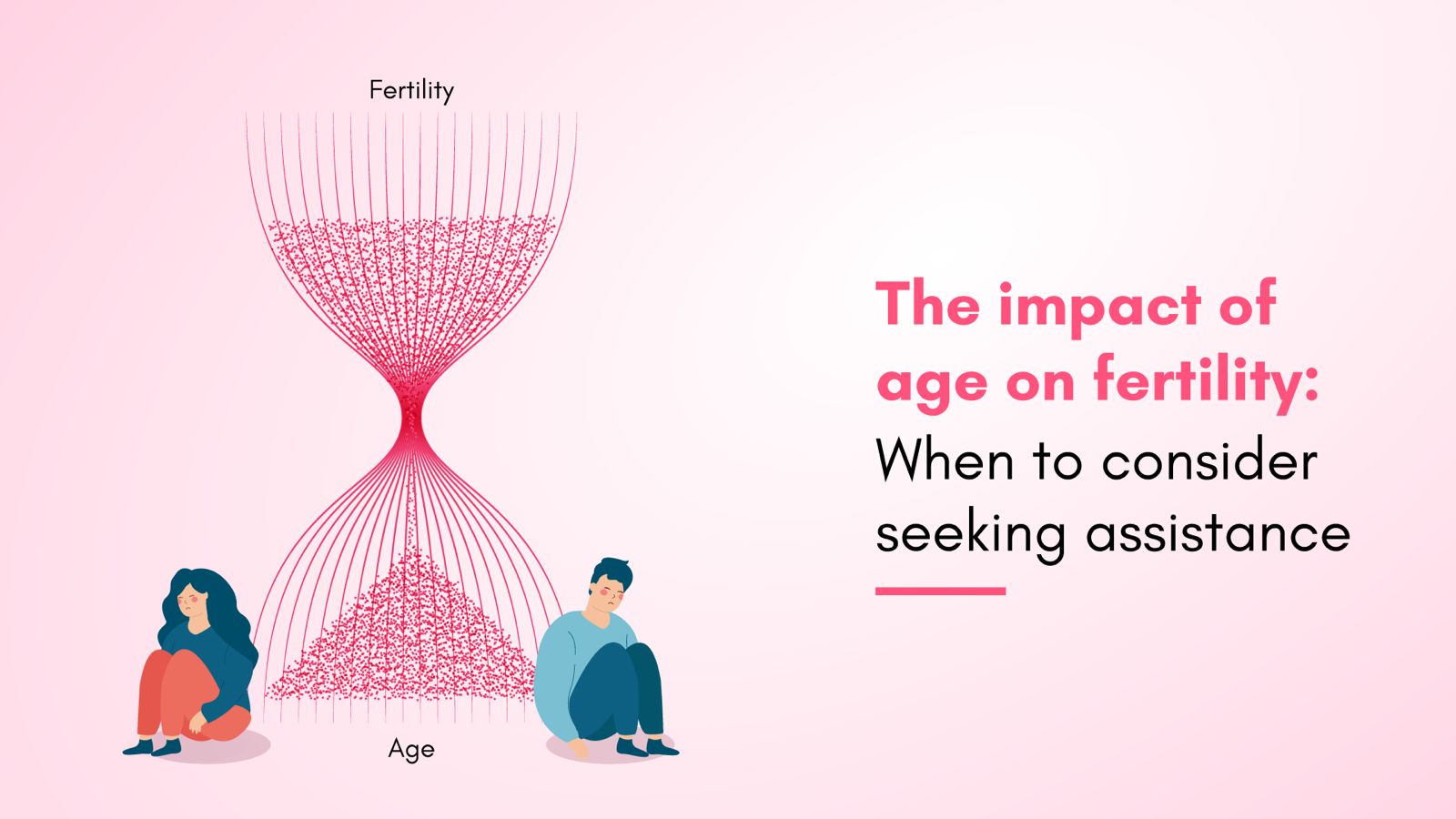
Age remains the single most significant factor influencing human fertility, governing both the natural probability of conception and the success rates of various reproductive technologies. As individuals age, both biological egg quality and quantity decline, making an understanding of these physiological changes essential for informed family planning and reproductive healthcare decisions.
Biological Foundations of Ovarian Aging and Egg Quality
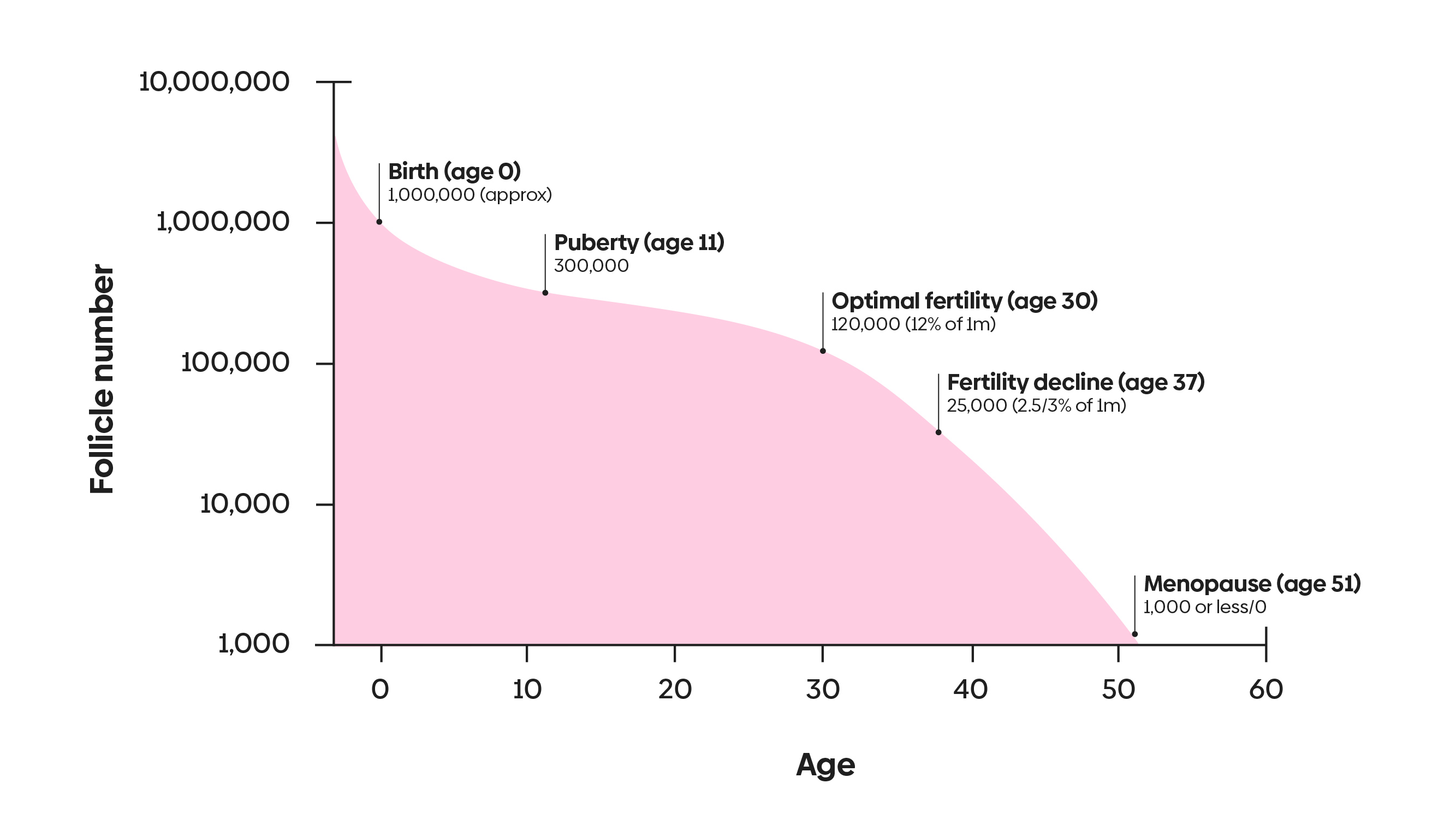
Ovarian aging is a continuous, irreversible biological process that begins before birth and accelerates significantly during a person's fourth decade of life. A female fetus develops millions of primordial follicles during gestation, but this reserve diminishes steadily through a process called atresia, leaving approximately one to two million oocytes at birth, several hundred thousand by puberty, and roughly 25,000 by age 37.
Beyond quantitative depletion, qualitative decline poses the primary hurdle to pregnancy at older ages. Oocytes rely on cellular structures like the mitotic spindle to segregate chromosomes correctly during cell division. As women age, the cellular machinery responsible for chromosome distribution becomes more error-prone. This degradation frequently results in aneuploidy—an abnormal number of chromosomes—which is the leading biological cause of age-related infertility, spontaneous miscarriages, and genetic conditions such as Down syndrome in offspring.
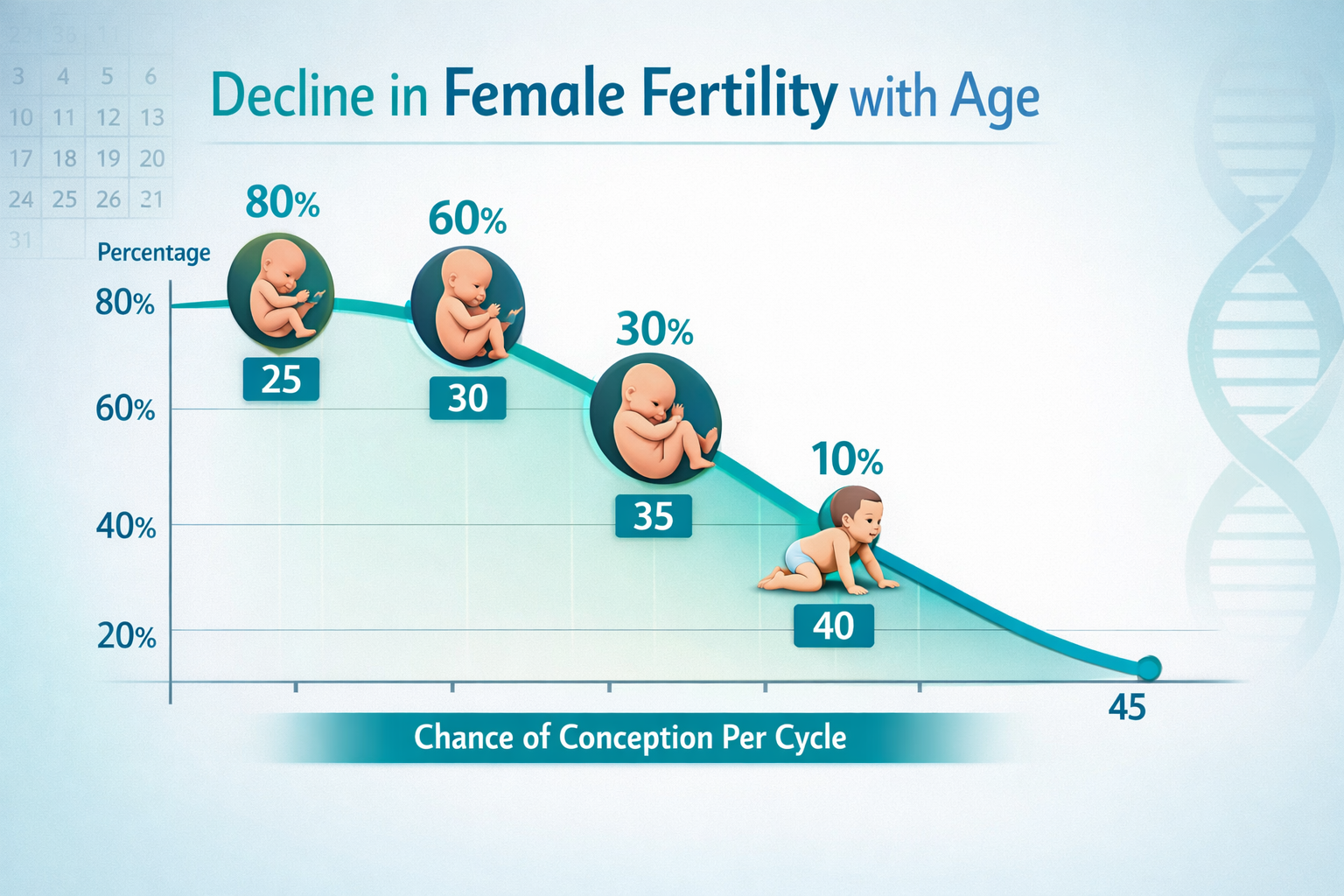
According to guidelines from the American College of Obstetricians and Gynecologists (ACOG), natural fertility begins a gradual decline in the early 30s, with a more rapid acceleration occurring after age 35. By age 40, the monthly probability of unassisted conception per menstrual cycle drops significantly compared to the rates observed in individuals in their twenties.
Male Aging and Sperm Parameters
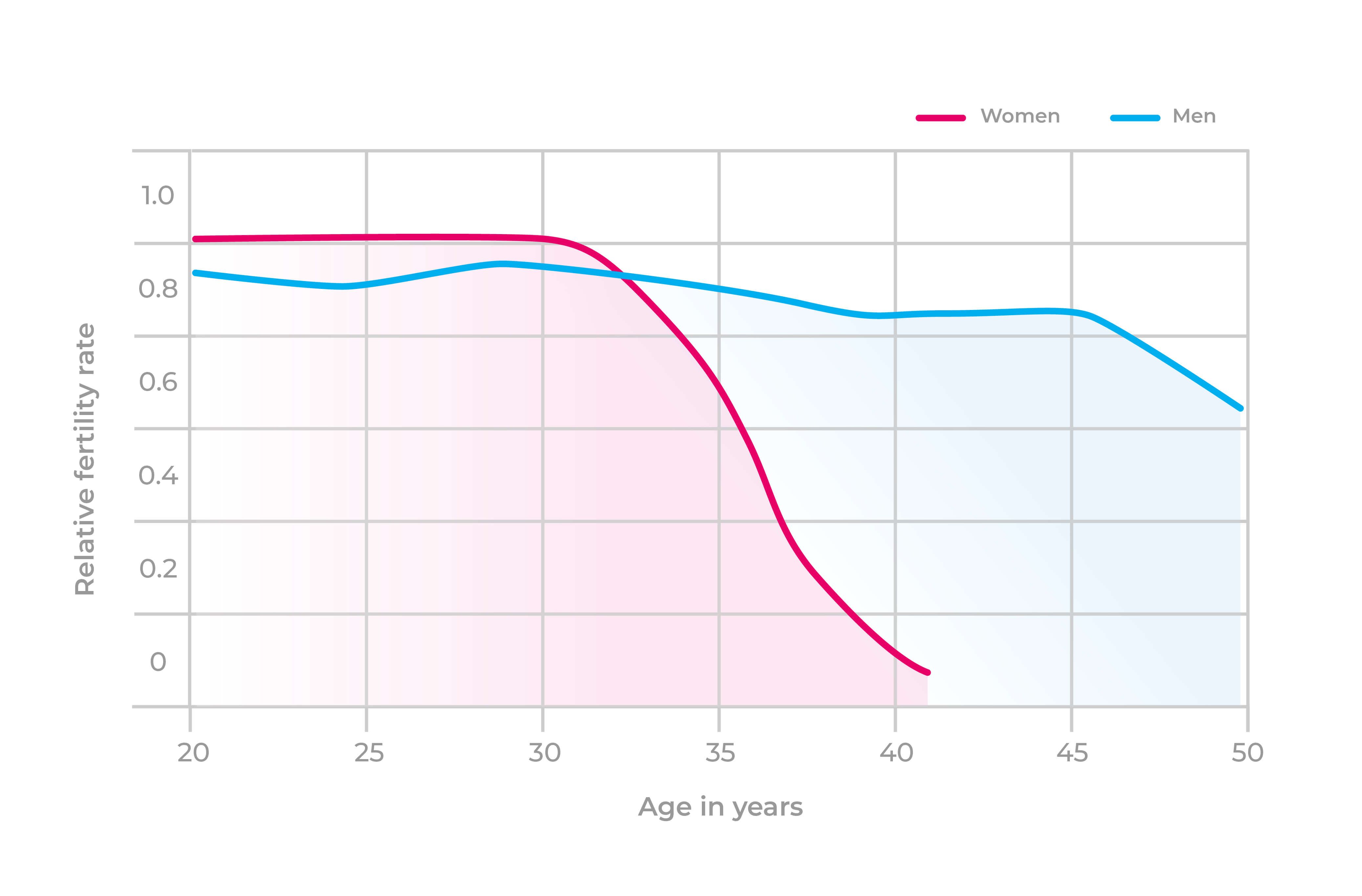
While discussions surrounding age and fertility frequently focus on female physiology, paternal age also plays a documented, albeit different, role in reproductive outcomes. Male reproductive aging is more gradual than female ovarian senescence, but it is not entirely absent. Spermatogenesis continues throughout adulthood, yet the continuous replication of germ cells introduces opportunities for spontaneous genetic mutations over time.
Research highlighted by organizations such as the American Society for Reproductive Medicine (ASRM) indicates that advanced paternal age—typically defined as age 40 or older—is associated with a measurable decline in semen volume, sperm motility, and normal morphology. Furthermore, older paternal age correlates with a slightly increased cumulative risk of genetic mutations, which have been studied in relation to neurodevelopmental conditions and certain structural birth defects. However, the baseline absolute risk remains low for individual pregnancies, and the decline in male fertility occurs over a more extended timeframe than the sharp inflection points seen in female reproductive biology.
Fertility Testing and Assessment Modalities
Evaluating reproductive potential involves a combination of clinical history, physical examinations, and specific diagnostic assays designed to estimate ovarian reserve or assess gamete health. Clinicians do not rely on a single test; instead, they interpret multiple markers together to form a comprehensive clinical picture.
Ovarian reserve testing typically incorporates blood biomarkers and ultrasound imaging performed early in the menstrual cycle, usually cycle days two through five. Common diagnostic tools include:
- Anti-Müllerian Hormone (AMH): A protein hormone produced by cells surrounding small antral follicles in the ovaries. AMH levels remain relatively stable throughout the menstrual cycle, serving as a reliable proxy for quantitative ovarian reserve.
- Antral Follicle Count (AFC): A transvaginal ultrasound measurement that counts the number of small, resting follicles visible in both ovaries, providing insight into remaining egg supply.
- Follicle-Stimulating Hormone (FSH) and Estradiol: Measured on day three of the cycle, elevated FSH levels can indicate reduced ovarian reserve, as the pituitary gland works harder to stimulate aging ovaries.
For male partners, a standard semen analysis evaluates concentration, motility, total sperm count, and structural morphology. Additional evaluations, such as sperm DNA fragmentation testing, may be recommended in specific clinical scenarios involving recurrent pregnancy loss or unexplained infertility.
Comparative Overview of Reproductive Options by Age Bracket
Family planning timelines and medical interventions vary considerably across different life stages. The following table outlines general reproductive baselines, common clinical considerations, and appropriate medical pathways relative to age.
| Age Bracket | Estimated Natural Monthly Fecundity | Primary Biological Considerations | Common Clinical Interventions |
|---|---|---|---|
| Under 30 | 20% to 25% per cycle | High oocyte quantity and quality; lowest baseline risk of chromosomal abnormalities. | Standard preconception counseling; expectant management for up to 12 months before evaluation. |
| 30 to 34 | 15% to 20% per cycle | Gradual decline in ovarian reserve begins; egg quality remains generally favorable. | Routine preconception care; fertility evaluation if no conception after 12 months. |
| 35 to 39 | 10% to 15% per cycle | Accelerated decline in ovarian reserve; measurable increase in oocyte aneuploidy rates. | Fertility evaluation recommended after 6 months of unprotected intercourse; consideration of elective egg freezing. |
| 40 and Older | 5% or less per cycle | Substantial decrease in both quantity and quality; higher miscarriage and chromosomal rates. | Immediate fertility consultation; evaluation for assisted reproductive technology (ART) such as IVF with or without PGT-A. |
Assisted Reproductive Technologies and Medical Interventions
When natural conception is delayed or proves challenging due to age-related factors, assisted reproductive technology (ART) offers various therapeutic pathways. The efficacy of these treatments is closely tied to the age at which the gametes (eggs or sperm) were retrieved, rather than the age of the uterus at the time of transfer.
In vitro fertilization (IVF) is the primary advanced treatment option. During an IVF cycle, hormonal medications stimulate the ovaries to mature multiple follicles simultaneously. The retrieved oocytes are then fertilized in a laboratory setting using partner or donor sperm.
To mitigate the impact of age-related chromosomal abnormalities, clinicians often utilize Preimplantation Genetic Testing for Aneuploidy (PGT-A). This biopsy technique evaluates embryos before uterine transfer, allowing specialists to select euploid embryos (those with the correct number of chromosomes), which generally yields higher implantation rates and lower miscarriage risks per transfer.
For individuals wishing to preserve their reproductive potential prior to age-related decline, elective or medical oocyte cryopreservation (egg freezing) has become a widely established procedure. Freezing eggs at a younger age preserves gamete quality, providing higher cumulative live-birth rates if those eggs are thawed and utilized years later. Alternatively, donor oocyte cycles—utilizing eggs from younger donors—effectively bypass the barrier of age-related oocyte decline, demonstrating high success rates regardless of the recipient's age.
Frequently Asked Questions
What age does female fertility start to drop significantly?
Female fertility begins a gradual, steady decline in the early thirties, with a more pronounced, steeper drop occurring around age 35. This inflection point reflects both a reduction in the total number of remaining eggs and a higher frequency of chromosomal irregularities within the remaining oocytes.
Can fertility tests accurately predict when menopause will happen?
Ovarian reserve tests, such as AMH levels and antral follicle counts, measure the quantity of remaining follicles, but they cannot predict the exact timing of menopause or guarantee an individual's ability to conceive naturally at a specific age. These tests measure current ovarian reserve rather than functional egg quality.
Does age affect the success rates of IVF treatments?
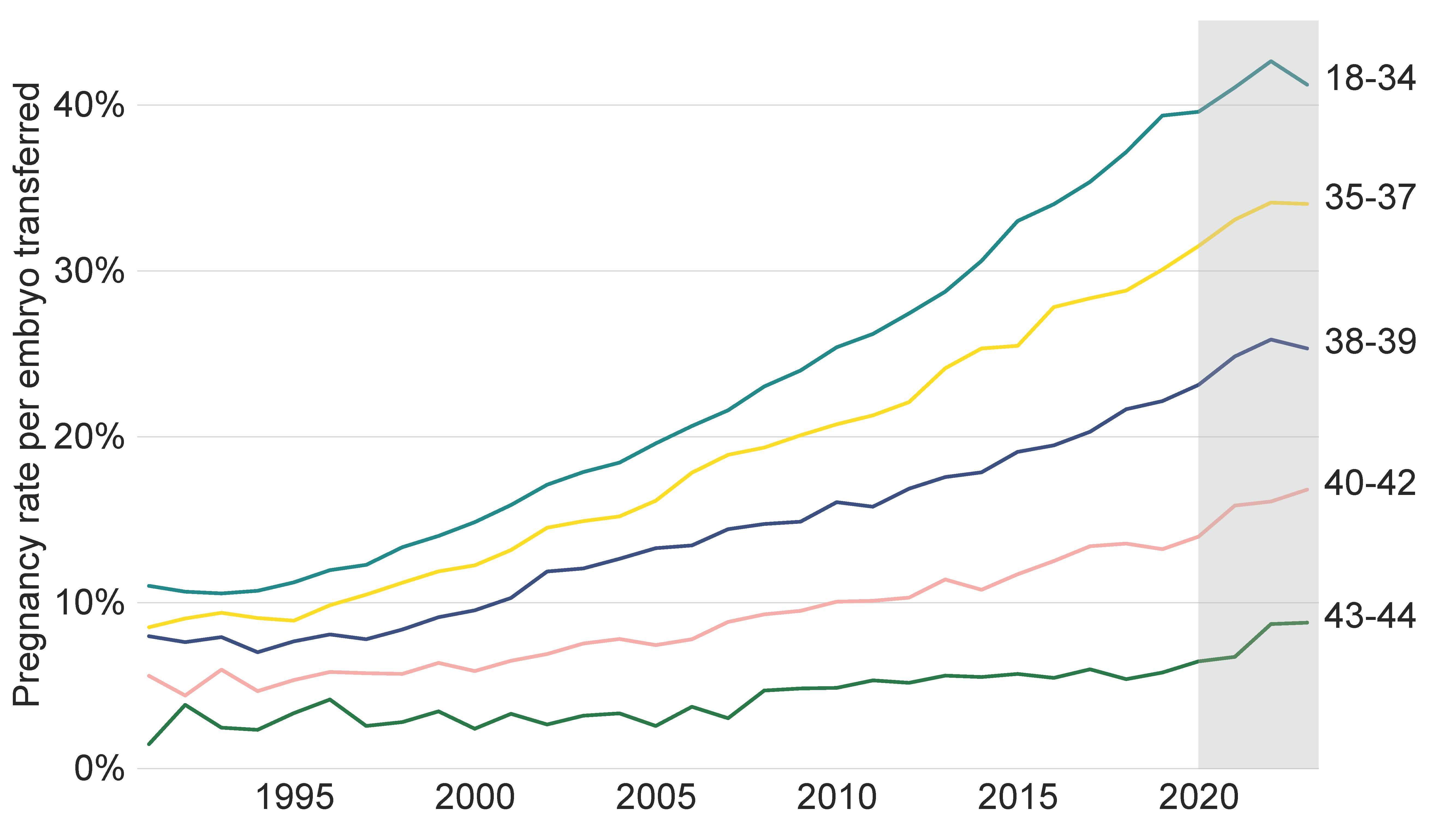
Yes, age is the single most influential variable affecting IVF success rates. The biological age of the egg at the time of retrieval dictates the likelihood of generating genetically normal embryos. Consequently, IVF success rates decline as the patient ages, though utilizing donor eggs from younger individuals largely mitigates this age-related decline.
When should someone seek a professional fertility evaluation?
Current medical guidelines recommend that individuals under 35 seek a fertility evaluation after 12 months of regular, unprotected intercourse without conception. For individuals aged 35 to 39, evaluation is recommended after six months, while those aged 40 and older should consult a reproductive endocrinologist immediately.
Are male fertility rates affected by aging?
Paternal age does influence reproductive outcomes, though the progression is more gradual than in females. Advanced paternal age is associated with a decrease in semen parameters like motility and morphology, as well as a slight statistical increase in the risk of certain genetic mutations in offspring.
Navigating Reproductive Health and Next Actions
Individuals navigating family planning amidst age-related considerations should initiate proactive discussions with qualified healthcare professionals, such as OB-GYNs or reproductive endocrinologists. For those not immediately ready to conceive, exploring baseline ovarian reserve testing or discussing elective oocyte cryopreservation with a specialist can provide clarity on individual reproductive timelines. Establishing an open dialogue with a licensed medical provider ensures that decisions regarding natural conception windows, diagnostic workups, or advanced reproductive technologies are guided by verified clinical data tailored to personal health profiles.