Age facts encompass the biological, chronological, and legal milestones that define human and animal life. From the cellular degradation of telomeres to the record-breaking 122-year lifespan of Jeanne Calment, age is a complex interplay of genetics and environment. Understanding these facts helps clarify how we grow, mature, and maintain longevity in our modern world.
The Biological Mechanisms of Human Aging
Aging is not merely the passage of time; it is a progressive decline in physiological function and a primary risk factor for major human diseases. At the cellular level, several "hallmarks of aging" dictate how quickly an individual appears to age. One of the most significant factors is telomere attrition. Telomeres are protective caps at the ends of chromosomes that prevent DNA damage. Each time a cell divides, these caps shorten. When they become too short, the cell can no longer divide and enters a state of senescence, often referred to as "zombie cells" that secrete inflammatory markers.
Another critical biological component is oxidative stress. This occurs when there is an imbalance between free radicals (unstable molecules that can damage cells) and antioxidants in the body. Over decades, this cumulative damage affects everything from skin elasticity to cognitive function. Furthermore, mitochondrial dysfunction plays a massive role in how we age. Mitochondria are the powerhouses of our cells; as we get older, their efficiency drops, leading to decreased energy production and increased cellular fatigue.
By 2026, researchers have shifted focus from simply extending lifespan to extending healthspan—the period of life spent in good health. Scientific advancements in senolytics (drugs that clear out senescent cells) and NAD+ precursors have become central to the discussion of biological age management. These developments suggest that while chronological age is fixed, the biological rate of decay is increasingly viewed as a modifiable variable.
Global Longevity Records and the Supercentenarian Phenomenon
When discussing age facts, the limits of human longevity are always a focal point. A supercentenarian is someone who has reached the age of 110. This is an incredibly rare feat, occurring in roughly one out of every 1,000 centenarians. The gold standard for human longevity remains Jeanne Calment of France, who passed away in 1997 at the age of 122 years and 164 days. Her record has stood for decades, illustrating the "biological ceiling" that humans currently face.
The study of supercentenarians reveals that genetics likely play a larger role in extreme old age than lifestyle alone. While healthy habits can help someone reach 80 or 90, reaching 110 often requires "longevity genes" that protect the individual from cardiovascular disease and cancer even in the presence of sub-optimal lifestyle choices. According to Guinness World Records, the documentation required to verify these ages is rigorous, involving birth certificates, marriage records, and census data to eliminate the "age exaggeration" common in unverified claims.
In the current landscape of 2026, the number of centenarians worldwide continues to rise, driven by better sanitation, vaccines, and cardiovascular treatments. However, the maximum lifespan has not significantly budged, leading many biologists to believe that 120–125 years may be the natural hard limit for the human species in its current biological form.
Blue Zones: Geographic Hotspots of Longevity
One of the most fascinating areas of age-related research involves "Blue Zones." These are specific regions where people live significantly longer than the global average, often reaching age 100 at rates ten times higher than in the United States. Author Dan Buettner identified five original Blue Zones:
- Okinawa, Japan: Home to the world’s longest-lived women.
- Sardinia, Italy: Features a high concentration of male centenarians in mountainous regions.
- Nicoya, Costa Rica: Noted for having the world's lowest rate of middle-age mortality.
- Ikaria, Greece: An island where people "forget to die," boasting very low rates of dementia.
- Loma Linda, California: A community of Seventh-day Adventists who outlive their neighbors by about a decade.
The commonalities across these regions are often cited as the "Power 9" pillars of longevity. These include natural movement (not necessarily "exercise" in a gym), having a sense of purpose (ikigai or plan de vida), and maintaining strong social connections. Diet also plays a massive role; Blue Zone residents typically consume a 95% plant-based diet rich in legumes, whole grains, and nuts, with very little processed sugar. The "Age Fact" here is clear: environment and community are just as vital to longevity as medical intervention.
Chronological vs. Biological Age: Why They Diverge
It is common to meet two 60-year-olds where one looks and functions like a 45-year-old while the other appears to be in their 70s. This discrepancy is the difference between chronological age (the number of birthdays passed) and biological age (how old your cells and systems are).
Biological age is now measurable via epigenetic clocks, such as the Horvath Clock. These tests look at DNA methylation—chemical markers on the DNA that change as we age. Factors that accelerate biological aging include:
- Chronic Stress: High cortisol levels accelerate cellular weathering.
- Poor Sleep: Lack of REM and deep sleep prevents the glymphatic system from clearing toxins from the brain.
- Sedentary Behavior: Lack of muscle mass is a primary predictor of early mortality.
- Dietary Inflammation: Diets high in ultra-processed foods damage the gut microbiome and trigger systemic inflammation.
In 2026, personalized medicine allows individuals to track their biological age with high precision. This has shifted the goal of aging from "surviving" to "optimizing," where people use data-driven interventions—like Intermittent Fasting or specific resistance training—to maintain a biological age that is years younger than their birth certificate suggests.
Comparative Longevity: Humans vs. The Animal Kingdom
To truly understand age, one must look beyond the human experience. Humans are relatively long-lived mammals, but we are dwarfed by other species. Comparing maximum lifespans provides perspective on how different biological strategies handle the passage of time.
| Species | Average Lifespan | Maximum Recorded Age | Key Biological Advantage |
|---|---|---|---|
| Human | 73 Years | 122 Years | Advanced medicine and social structures |
| Greenland Shark | 272 Years | 400+ Years | Extremely slow metabolism in cold water |
| Galapagos Tortoise | 100 Years | 175+ Years | Efficient DNA repair mechanisms |
| Bowhead Whale | 200 Years | 211 Years | Resistance to cancer and metabolic disease |
| Mayfly | 24 Hours | 2 Days | Focused entirely on reproduction |
| Bristlecone Pine | 3,000 Years | 5,062 Years | Compartmentalized growth and dormancy |
The Greenland Shark is perhaps the most impressive vertebrate in terms of age. These creatures do not even reach sexual maturity until they are about 150 years old. Their longevity is attributed to the frigid waters of the North Atlantic, which slows their metabolic processes to a crawl, and a unique genetic makeup that is highly resistant to age-related degradation. On the opposite end, the mayfly represents "r-selection," a biological strategy where an organism reproduces rapidly and dies almost immediately, showing that "age" is a flexible evolutionary tool tailored to an organism's environment.
Legal and Cultural Milestones Around the World
Age is also a social construct defined by legal milestones and cultural transitions. These "Coming of Age" moments vary wildly across different societies, reflecting what each culture values in an adult.
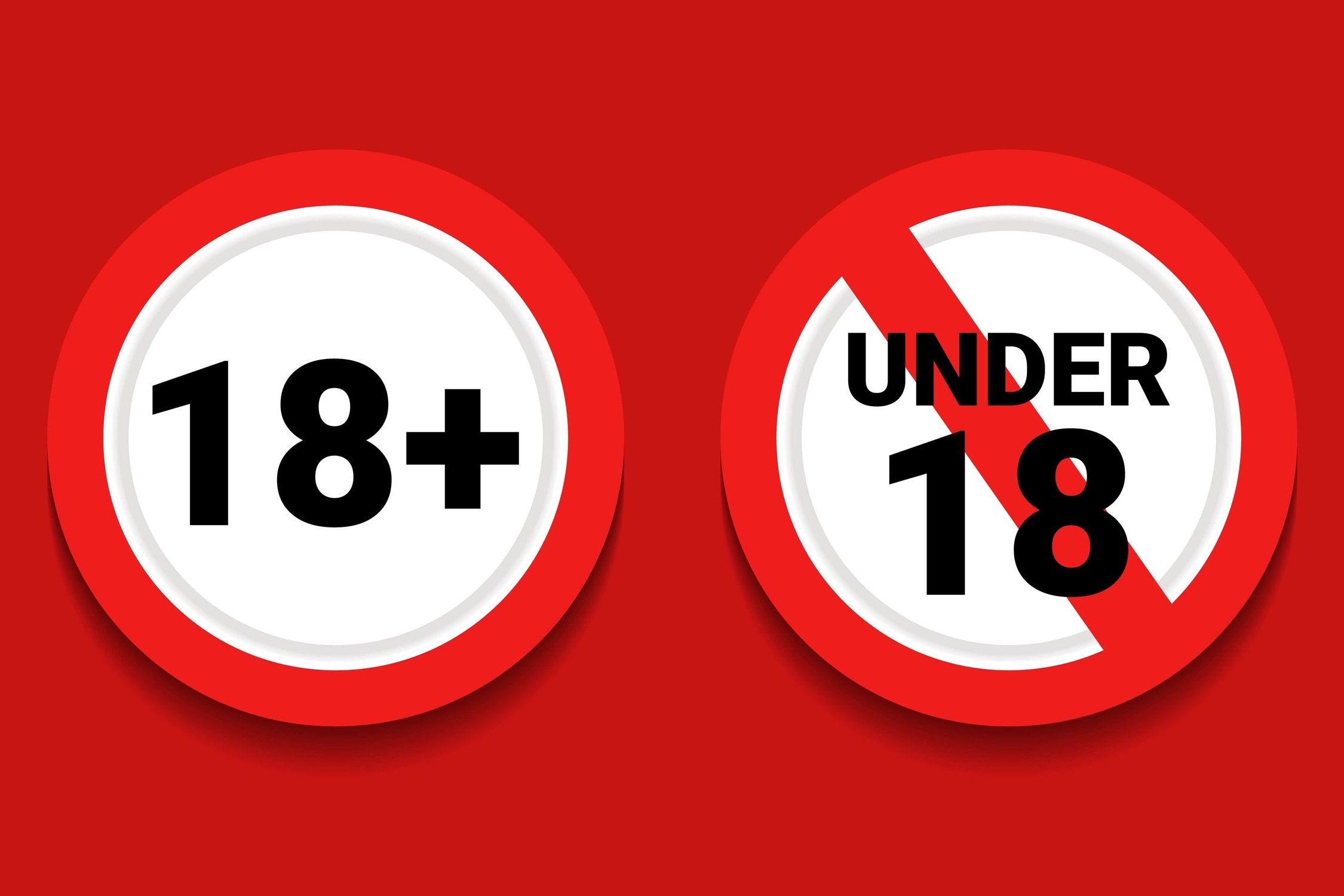
In many Western nations, 18 is the legal age of majority, conferring the right to vote and enter contracts. However, the human brain—specifically the prefrontal cortex, which handles decision-making and impulse control—does not typically finish developing until age 25. This biological reality has led to some legal shifts, such as higher ages for renting vehicles or different insurance premium brackets.
- Japan: "Seijin no Hi" (Coming of Age Day) is celebrated at age 20 (though recently moved to 18 for some legal rights), marking the transition into adulthood with formal ceremonies.
- Latin America: The "Quinceañera" at age 15 marks a girl's transition to womanhood.
- Judaism: Bar and Bat Mitzvahs (ages 13 and 12, respectively) signify the age of religious responsibility.
- Bhutan: Age is often measured by the lunar calendar, and traditionally, everyone turns a year older on New Year’s Day, regardless of their actual birth date.
These milestones remind us that age isn't just about biology; it is about the rights, responsibilities, and status we are granted by our communities.
FAQ: Common Questions About Age Facts
What is the difference between lifespan and healthspan?
Lifespan refers to the total number of years an individual lives from birth to death. Healthspan refers to the period of life during which a person is generally healthy and free from serious or chronic illness. As of 2026, medical science is increasingly focused on closing the gap between the two, as many people spend their final 10–15 years in poor health.
Can we actually "reverse" biological age?
While you cannot change the year you were born, biological age can be influenced. Studies have shown that intensive lifestyle interventions—including a nutrient-dense diet, regular exercise, stress management, and adequate sleep—can improve DNA methylation patterns. This suggests that "reversing" the biological clock by a few years is possible at a cellular level, even if time continues to move forward.
Who is the oldest person currently living?
As of 2026, this title shifts frequently as centenarians pass away. To find the current verified record holder, one should consult the Gerontology Research Group (GRG), which tracks the world’s supercentenarians. Verification is a slow process that requires at least three independent forms of documentation to ensure accuracy.
Is aging considered a disease?
In the scientific community, this is a subject of intense debate. While the World Health Organization (WHO) included an "age-related" code in the ICD-11 (International Classification of Diseases), it does not explicitly label aging as a disease. However, many longevity scientists argue that treating aging as a manageable condition rather than an inevitable decline would accelerate the development of life-extending therapies.
Why do women generally live longer than men?
Statistically, women outlive men in almost every country. This is attributed to a combination of biological and behavioral factors. Biologically, estrogen may provide a protective effect against heart disease, and the second X chromosome provides a "backup" for genetic mutations. Behaviorally, men have historically engaged in more high-risk activities and have been less likely to seek preventative medical care.
Strategies for Managing Your Biological Age
Understanding age facts is the first step toward taking control of your own aging process. Since aging is a cumulative process, the actions taken in your 20s, 30s, and 40s dictate the quality of your 80s and 90s.
The most effective current recommendation is to prioritize Resistance Training. Sarcopenia, or the age-related loss of muscle mass, is a primary driver of frailty and metabolic decline. By maintaining muscle, you preserve insulin sensitivity and bone density. Furthermore, focusing on Metabolic Health—specifically keeping blood sugar levels stable—prevents "glycation," a process where sugar molecules bond to proteins and damage tissues (often visible as wrinkles in the skin).
Finally, stay curious. Cognitive decline is often slowed by "neuroplasticity," the brain's ability to form new connections. Learning a new language, playing a musical instrument, or engaging in complex social interactions keeps the brain resilient. Age may be inevitable, but the way you experience it is, to a significant degree, within your control.