An age estimate is a calculated approximation of chronological age based on biological, physical, or archival markers rather than birth records. These estimates are critical when official documentation is missing, destroyed, or inaccessible, serving as a primary analytical tool in fields ranging from forensic anthropology and archaeology to insurance underwriting and historical research.
The Science of Biological Age Estimation
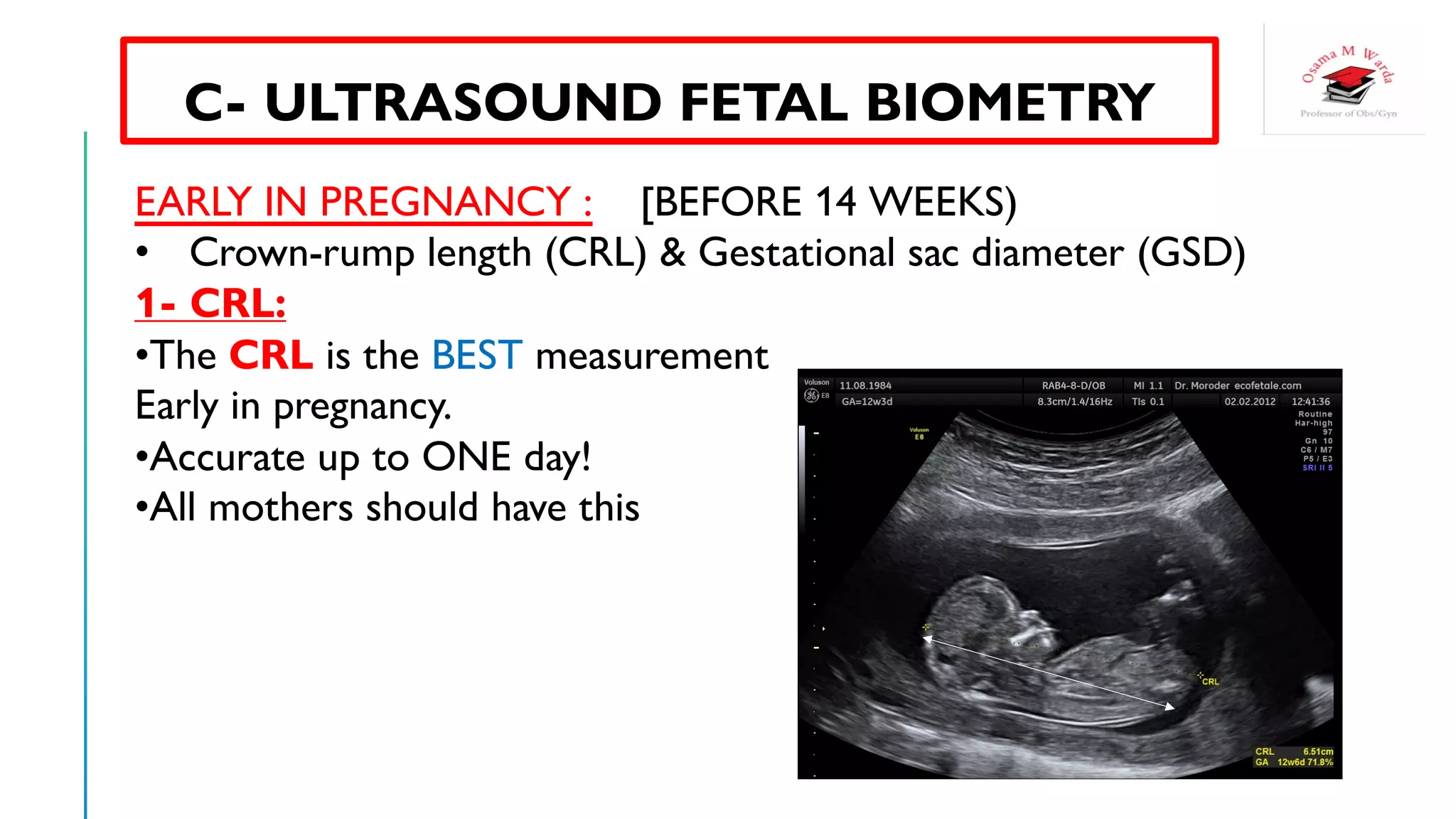
Biological age estimation relies on the predictable patterns of human development and subsequent senescence. In living subjects, pediatric age estimation is remarkably precise because it tracks the sequential eruption of deciduous and permanent teeth, as well as the ossification of skeletal structures like the wrist and hand. The Greulich-Pyle and Tanner-Whitehouse methods are standard radiographic frameworks used by clinicians to assess skeletal maturity by comparing a patient’s X-rays against established developmental atlases.
In adults, the process becomes significantly more complex. Once skeletal growth completes, markers such as dental attrition, the morphological changes of the pubic symphysis, and the closure of cranial sutures provide a broader range for estimation. These methods operate on statistical probability rather than exactitude. An estimate for an adult may often have a standard deviation of five to ten years, as lifestyle, nutrition, and genetics influence the rate of physical aging differently than they influence developmental maturation.
Age Estimation in Forensic and Archaeological Contexts
Forensic anthropologists are frequently tasked with providing age estimates for unidentified human remains. This process is fundamentally different from clinical assessment because it often involves incomplete skeletal elements. Forensic practitioners use multifactorial approaches, combining dental, skeletal, and sometimes microscopic bone analysis to narrow the age range.
Archaeologists employ similar logic but often apply it to populations rather than individuals. By analyzing the demographic profile of a burial site, researchers can draw conclusions about the life expectancy, health, and social conditions of an ancient society. When historical records are absent, the "age-at-death" distribution of a population serves as a vital proxy for understanding historical mortality rates, allowing researchers to reconstruct the socioeconomic realities of past civilizations without the bias of written records, which often only documented the elite or specific administrative groups.
Administrative and Insurance Requirements
In modern administrative and insurance contexts, an age estimate is often a necessary verification step when a birth certificate cannot be produced. This is common in refugee and displaced person scenarios, where identity documents may have been lost, or in historical insurance policy claims where birth records predating national registration systems are unavailable.
Underwriters and social security agencies utilize actuarial tables to determine risk and eligibility. If a claimant cannot prove their date of birth, an examiner may request a "best-evidence" determination. This involves evaluating secondary documents—such as baptismal records, school transcripts, census entries from different years, or family bibles—to triangulate a likely date of birth. This process is strictly governed by evidentiary standards; an estimate is only as reliable as the veracity of the secondary sources provided.
Comparative Overview of Estimation Methodologies
The following table summarizes the reliability and primary applications of various age estimation techniques as of 2026.
| Method | Typical Precision | Primary Field | Reliability Level |
|---|---|---|---|
| Dental Radiography | +/- 6-12 months | Pediatric Dentistry | High |
| Skeletal Ossification | +/- 12-24 months | Forensic Anthropology | Moderate |
| Pubic Symphysis Analysis | +/- 5-10 years | Osteology | Low to Moderate |
| Document Triangulation | Variable | Insurance & Legal | Context-Dependent |
| Facial Recognition AI | Variable | Biometric Security | Experimental |
Practical Limitations and Ethical Considerations
It is imperative to recognize that an age estimate is never a substitute for a birth certificate. All scientific and administrative methods carry inherent margins of error. In legal settings, the principle of the "benefit of the doubt" often applies; if a subject is being assessed for juvenile versus adult status, clinicians are ethically mandated to consider the potential for error that could result in the inappropriate treatment of a minor as an adult.
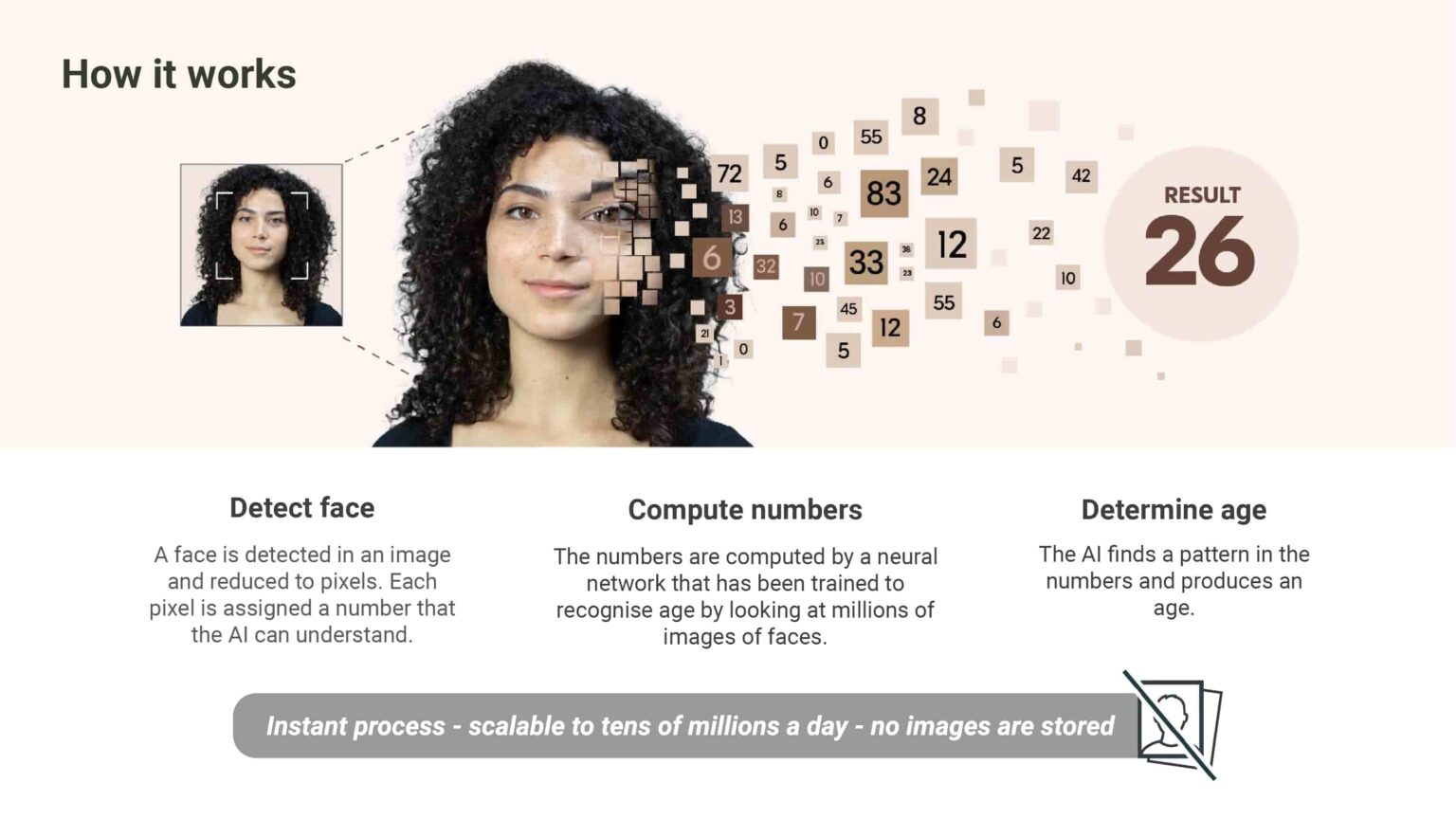
Technological advancements in the 2020s, specifically the use of artificial intelligence to analyze aging in facial features, have introduced new, albeit controversial, methods of estimation. These AI models are trained on vast datasets of human aging but remain susceptible to "algorithmic bias," where socioeconomic factors, ethnicity, and gender can inadvertently skew the results. Consequently, these digital methods should be treated as supplementary to, rather than replacements for, traditional physiological or documentary evidence.
Managing Discrepancies in Estimates
When multiple methods yield conflicting age estimates, experts recommend a hierarchical approach to resolution. Primary physiological evidence—such as dental formation—generally outweighs secondary evidence like personal statements or hearsay. If a significant discrepancy exists between a person’s self-reported age and a biometric estimate, the subject should be reviewed by a multi-disciplinary team.
For administrative purposes, stakeholders should establish a "Date of Birth Determination" protocol. This protocol should specify which documents are considered acceptable as proof and establish a clear path for when an age estimate must be commissioned, including who pays for the procedure and the specific expert credentials required for the examiner.
Frequently Asked Questions
Can a DNA test provide an accurate age estimate?
While epigenetic clocks—which measure chemical changes in DNA over time—can estimate biological age with increasing accuracy, they are generally not used for legal or forensic identification. These tests measure "biological age," which may differ significantly from "chronological age" due to external stressors, nutrition, and environmental exposures.
What is the margin of error in dental age estimation?
In children, dental age estimation is highly accurate, often within a range of six to twelve months. As a person matures and teeth finish developing, the predictive power of dental methods diminishes, becoming less useful for distinguishing between ages in late adolescence or adulthood.
Is an age estimate considered legally binding?
An age estimate is generally treated as an expert opinion rather than a legal fact. While courts or insurance boards may rely on it to make decisions, it can usually be challenged if new, more accurate evidence—such as a rediscovered birth record—becomes available.
How do I request an age estimate for a historical document?
If you are working with historical records, you should contact a professional genealogist or a certified historian. They utilize "record linkage," a process of cross-referencing multiple archival sources to establish a consistent timeline for an individual's life when a primary birth record is missing.
Are digital age estimation tools reliable for minors?
Most biometric age-estimation software is calibrated for adults and has shown significant error rates when applied to the rapid physical changes of childhood. Relying on such technology for legal age verification of children is generally discouraged by international human rights organizations due to the high risk of misclassification.
Next Steps for Determining Subject Age
If you are faced with a situation requiring an age estimate, identify the specific regulatory or professional body that governs your current need. If the requirement is medical, seek a formal referral to a pediatric or forensic radiologist. If the requirement is legal or bureaucratic, consult with an attorney to ensure the methods used to obtain the estimate will be admissible in the relevant jurisdiction. Always document the methodology used, the credentials of the professional providing the estimate, and the specific evidentiary sources that were cross-referenced to ensure the most robust conclusion possible.