Age differences refer to the numerical gap between individuals, typically measured in years, and how these spans influence social dynamics, legal eligibility, and long-term partnership compatibility. Understanding these gaps requires a balanced view of developmental stages, legal benchmarks, and the shifting sociological perceptions of what constitutes an acceptable age range in various human interactions.
The Developmental Context of Age Differences
Human development is categorized by predictable psychological and physiological milestones. When individuals are at different life stages—such as a person in early adulthood navigating career establishment versus one in late adulthood focusing on retirement—the primary challenge is often a misalignment of immediate goals. Developmental psychology emphasizes that these gaps are not merely chronological; they represent differences in lived experience, cultural conditioning, and cognitive maturity.
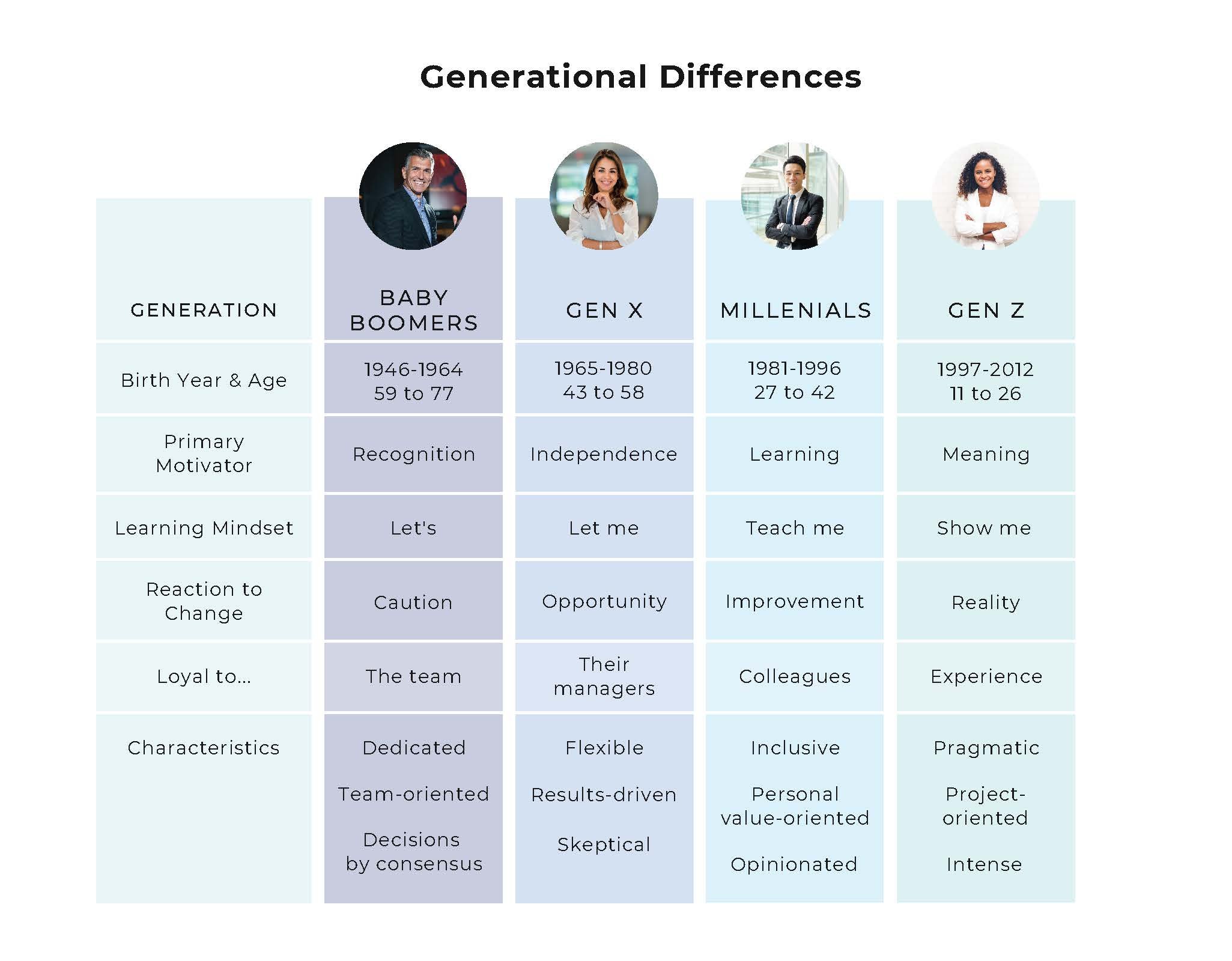
A significant age difference can bridge the gap between "youthful idealism" and "seasoned pragmatism," potentially creating a complementary balance. However, the potential for friction exists when partners or colleagues do not share a common baseline of historical context. For example, individuals raised in different technological eras may process information or view organizational hierarchies through fundamentally different lenses. Recognizing these variations is the first step toward effective communication and mutual respect in any relationship dynamic.
Legal and Societal Benchmarks
Age acts as a rigid delimiter in legal systems worldwide. In 2026, many jurisdictions rely on specific age thresholds to determine individual autonomy, legal liability, and social benefits. It is essential to distinguish between the social perception of age gaps and the legal realities that govern them.
The following table summarizes common age-based milestones that often influence personal and professional decisions:
| Milestone | Typical Age | Legal/Social Significance |
|---|---|---|
| Age of Majority | 18 | Full legal responsibility, contractual capacity, and voting rights. |
| Age of Consent | 16–18 | Minimum age for legal sexual activity, varying by local statutes. |
| Retirement Eligibility | 62–67 | Access to state pensions and social security benefits. |
| Elder Care Threshold | 65+ | Qualification for specific healthcare services and senior discounts. |
| Jury Service | 18+ | Eligibility for civic duty, often with upper age limits for exemptions. |
While societal norms regarding age differences in dating or marriage have shifted significantly over the last few decades, legal frameworks remain anchored to these precise numbers. Understanding these benchmarks is critical for navigating compliance, such as ensuring that age-related workplace policies do not inadvertently violate anti-discrimination laws (such as the Age Discrimination in Employment Act in the United States).
Age Differences in Workplace Dynamics
In the modern professional environment, multigenerational teams are the norm. Age differences within a team can lead to "intergenerational friction," often characterized by misaligned communication styles or differing expectations regarding workplace flexibility.
To foster a productive environment, organizations often implement mentorship programs that cross-pollinate the strengths of different generations. Younger employees, often dubbed "digital natives," may offer rapid adaptation to new software and data-driven analytical techniques. Conversely, older employees, often possessing significant "institutional memory," provide context, conflict-resolution expertise, and risk management foresight. The objective is to view the age gap as a source of diversity rather than a deficit.
Common Misconceptions and Stereotypes
Societal narratives often impose labels on relationships with significant age differences, particularly regarding romantic pairings. Critics frequently point to power imbalances or superficial motivations, while proponents argue that emotional maturity is independent of birth year.
One common misconception is the "maturity gap," which suggests that a younger person in an age-gap relationship is inherently being manipulated. While power dynamics are a valid concern in any relationship, maturity is an individual trait rather than a byproduct of aging. Sociologists note that when both individuals possess the legal and mental capacity to consent, the "gap" is often more a concern for outside observers than for the participants themselves. Relying on objective communication and shared values is a more effective way to evaluate the health of such relationships than applying age-based heuristics.
Strategies for Addressing Age-Related Challenges
Whether navigating a professional or personal connection, addressing the realities of an age gap requires proactive communication. If you find yourself in a situation where age is a point of contention, consider these three evidence-based approaches:
- Explicit Goal Alignment: Define what you both want from the relationship or project. When long-term objectives are clearly articulated, the differences in birth years become secondary to the shared vision for the future.
- Contextual Awareness: In professional settings, avoid using generational labels (e.g., "Boomer" or "Gen Z") to explain behavior. Focus instead on individual work styles and professional preferences, which are often influenced by personal history rather than a birth cohort.
- Legal and Financial Transparency: Especially in personal partnerships with significant age gaps, open discussion regarding long-term financial security—such as retirement planning, estate planning, and healthcare directives—is essential. These conversations prevent future legal complications and ensure that both parties are protected regardless of age-related health changes.
Frequently Asked Questions
Does a larger age difference impact long-term relationship success?
There is no definitive statistical evidence suggesting that age gaps alone determine the longevity of a relationship. Research suggests that shared values, communication patterns, and conflict resolution skills are far more predictive of relationship success than the numerical difference between partners.
How should a workplace handle different generational work styles?
Management should focus on outcomes rather than processes. Providing flexibility in how tasks are completed allows individuals of different ages to utilize their preferred tools and methods, provided the end results meet established organizational standards.
Are there legal risks in workplace age differences?
Yes, in many jurisdictions, employers must ensure that compensation and promotion criteria are based on merit and performance rather than age. Implementing objective, evidence-based performance reviews is the best protection against age-discrimination litigation.
Is there a "natural" age difference that is considered normal?
Societal "norms" are subjective and vary by culture and region. In 2026, social acceptance of age-gap relationships is at an all-time high, with the focus shifting toward the individual consent of the adults involved rather than societal pressure or arbitrary numerical limits.
Next Steps for Managing Age-Related Dynamics
The most effective way to address age differences is to transition from a focus on chronological labels to a focus on individual capability and shared objectives. If the primary issue is a professional one, initiate a structured review of organizational communication policies to ensure inclusivity. In personal relationships, prioritize early discussions about life goals, health expectations, and financial realities. By grounding these interactions in tangible planning and mutual respect, the challenges associated with age gaps can be effectively mitigated, allowing individuals to focus on the substantive aspects of their connection.