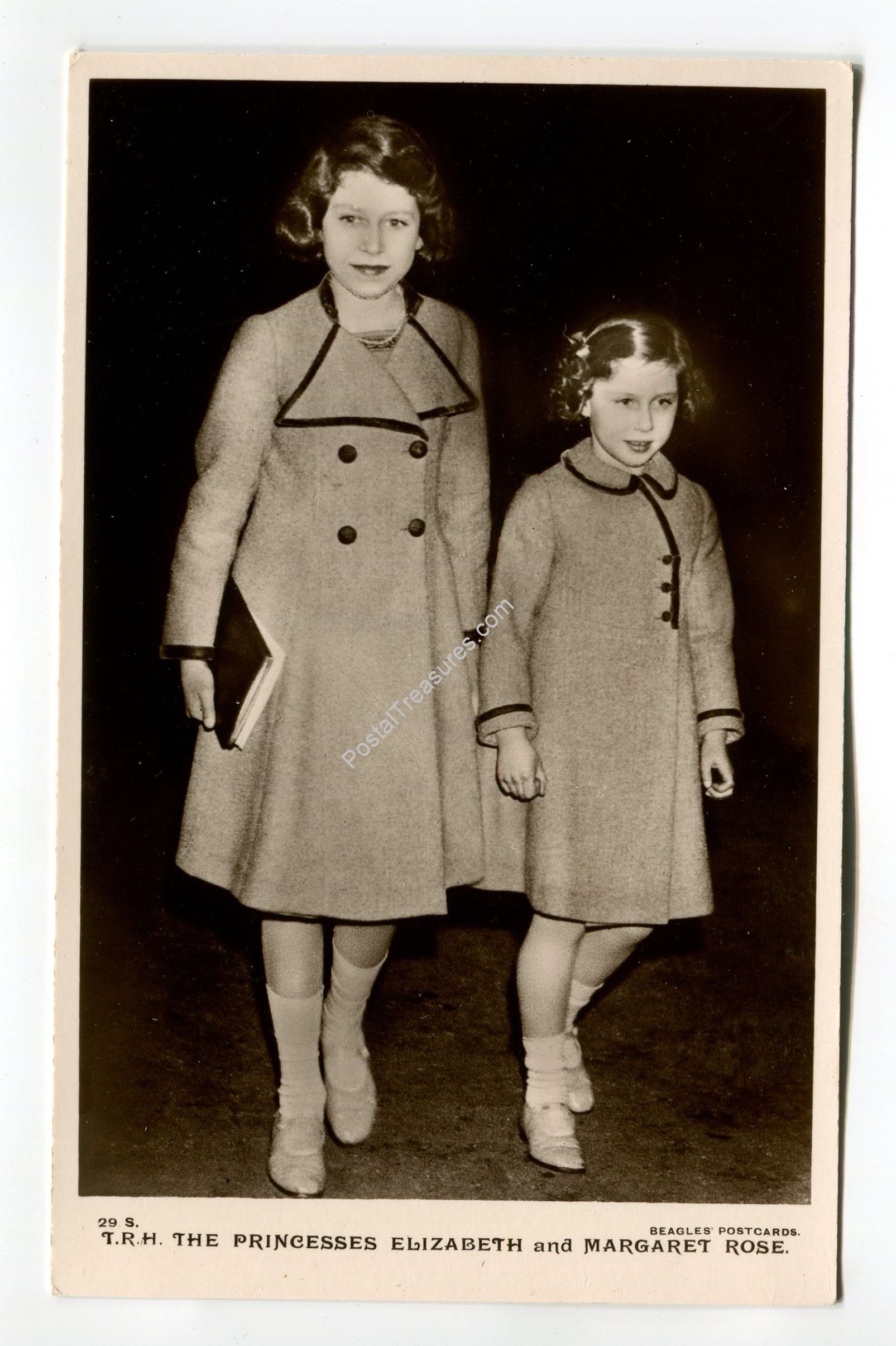
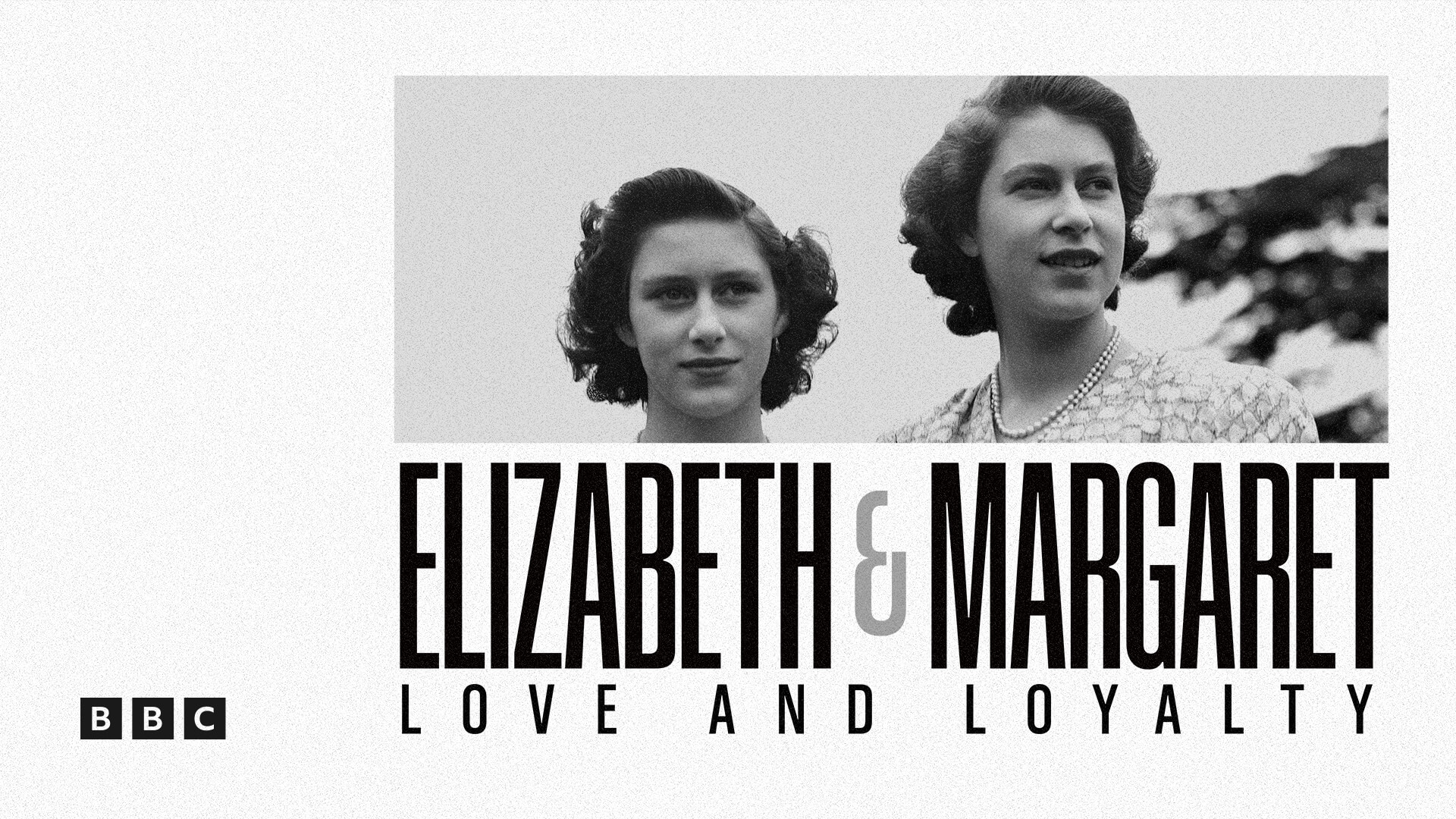
Queen Elizabeth II and her younger sister, Princess Margaret, shared an age difference of four years, two months, and 23 days. Born into the British royal family during the interwar period, their relationship was shaped not only by this chronological gap but also by the dramatic shift in their roles following the abdication of their uncle, King Edward VIII, and the subsequent accession of their father, King George VI.
Chronological Context and Birth Dates
To understand the exact temporal gap, one must look at the official records of the House of Windsor. Princess Elizabeth, the elder of the two, was born on April 21, 1926, at 17 Bruton Street in Mayfair, London. She was the first child of the Duke and Duchess of York, who would later become King George VI and Queen Elizabeth.
Princess Margaret was born on August 21, 1930, at Glamis Castle in Scotland, the ancestral home of her mother’s family, the Bowes-Lyons. This birth event was historically significant as it was the first time in over 300 years that a royal princess had been born to a King's brother in the direct line of succession. The four-year interval defined their early childhood, as they were the only two children in the York household, leading to a formative period of intense proximity during their upbringing at Royal Lodge and Buckingham Palace.
Comparison of Life Stages and Milestones
While the sisters grew up together, the four-year age gap became increasingly significant as they entered their teenage years and adulthood. Elizabeth, as the Heiress Presumptive following her father's 1936 accession, was subjected to a rigorous constitutional education. Margaret, conversely, remained in a secondary position, which allowed for a different social trajectory.
| Milestone | Princess Elizabeth | Princess Margaret |
|---|---|---|
| Date of Birth | April 21, 1926 | August 21, 1930 |
| Age at Father's Accession | 10 years | 6 years |
| Age at Marriage | 21 years | 30 years |
| Coronation Involvement | Became Queen (Age 26) | Sister of the Monarch |
| Passing | September 8, 2022 | February 9, 2002 |
The data above highlights how the age difference influenced their life events. Because Elizabeth was four years older, she reached the age of majority and took on public responsibilities, including service during the Second World War, well before Margaret had completed her own transition into independent adulthood.
The Impact of Succession on Sibling Dynamics
The divergence in the sisters' lives is often traced back to December 1936, the year of the Abdication Crisis. When Edward VIII renounced the throne, their father became King, moving Elizabeth immediately into the position of first in line to the throne.
At the time, Elizabeth was ten and Margaret was six. From this point forward, the age gap was compounded by a status gap. Elizabeth was educated in constitutional history and law with private tutors like Henry Marten, the Vice-Provost of Eton College. Margaret’s education, while comprehensive by the standards of the era, remained focused on music, dance, and social graces, reflecting her role as a secondary member of the Royal Family. This structural difference meant that while they remained close, their daily lives were increasingly governed by disparate expectations of duty versus personal freedom.
Developmental Psychology and Personality
Psychologists often note that age gaps of approximately four years can lead to a specific type of sibling dynamic—often characterized by a mix of mentorship and distinct separation. In the case of the sisters, Elizabeth’s temperament was frequently described as more cautious, dutiful, and reserved, traits that aligned with her eventual role as Sovereign. Margaret was widely noted for her vivacity, wit, and preference for the company of artists and bohemians.
The age gap provided Elizabeth with the maturity to act as a protector, a role she inhabited throughout her life. Margaret looked to Elizabeth not just as a sister, but as a central authority figure. Despite the age difference, they maintained a private communication channel through a direct telephone line between their residences for most of their adult lives, indicating that their personal bond transcended the formal requirements of their respective roles.
Historical Perspective on Royal Age Gaps
In the context of the British monarchy, a four-year gap is relatively standard. Throughout history, royal siblings often faced similar challenges where the age gap determined who received the primary focus of the crown's resources and training. The closeness between Elizabeth and Margaret was unusual because of their isolation during the war years. Because of the conflict, they were shielded from the outside world at Windsor Castle, spending more time together than most royal children in previous generations. This period of intense shared experience arguably narrowed the emotional distance created by the four-year age gap, forging a link that lasted until Margaret’s death in 2002.
Clarifying Common Misconceptions
A frequent point of confusion among the public involves the perceived age gap based on their appearances in adulthood. Because Margaret often occupied a more modern, trend-conscious social space in the 1950s and 1960s, and Elizabeth maintained a more traditional, static image as the monarch, some observers have historically overestimated or underestimated their proximity in age.
It is important to clarify that Margaret never reached the level of constitutional responsibility held by Elizabeth. The age gap also meant that Margaret was only 21 years old when her father died in 1952, a time when Elizabeth was already 25 and married with children. This discrepancy in their developmental stages at the moment of the accession set the tone for their adult relationship.
Understanding the Siblings' Later Years
As the years progressed, the impact of the age gap faded in favor of their shared history. When Elizabeth became the longest-reigning monarch in British history, the four-year difference became a minor detail against the backdrop of their seven-decade collective presence in public life. By the time of the Golden Jubilee in 2002, the loss of Princess Margaret was profoundly felt by the Queen, marking the end of the only person with whom she shared a childhood home and a common understanding of their unique royal upbringing.
Frequently Asked Questions
Was Princess Margaret the younger sister?
Yes, Princess Margaret was the younger sister of Queen Elizabeth II. She was born in 1930, while the Queen was born in 1926, establishing a birth order that remained constant throughout their lives.
Did the four-year age gap affect their relationship?
While the age gap meant they were in different developmental stages, their bond was deepened by the circumstances of their childhood. The wartime years at Windsor Castle created a unique closeness that lasted for the remainder of their lives, despite the disparity in their formal royal duties.
How old were the sisters when their father became King?
When King George VI acceded to the throne in 1936, Princess Elizabeth was ten years old and Princess Margaret was six years old. This event fundamentally shifted their roles within the family structure.
Did the age difference impact their education?
Yes, because Elizabeth was four years older and the heiress to the throne, her education was specifically tailored to constitutional and legal matters to prepare her for sovereignty. Margaret’s education followed a more traditional path, focusing on arts and social responsibilities appropriate for a royal princess of her time.
Are there other siblings?
No, Queen Elizabeth II and Princess Margaret were the only two children of King George VI and Queen Elizabeth (The Queen Mother). They were the only members of their immediate family unit.
Next Steps for Historical Research
For those interested in exploring the lives of the sisters further, it is recommended to review the official archives maintained by the Royal Collection Trust. These documents provide the most accurate timeline of their public engagements, correspondence, and documented appearances. Primary sources, such as the authorized biographies published with the cooperation of the Royal Archives, remain the most reliable method for understanding the nuanced evolution of their relationship beyond the simple chronology of their birth dates.