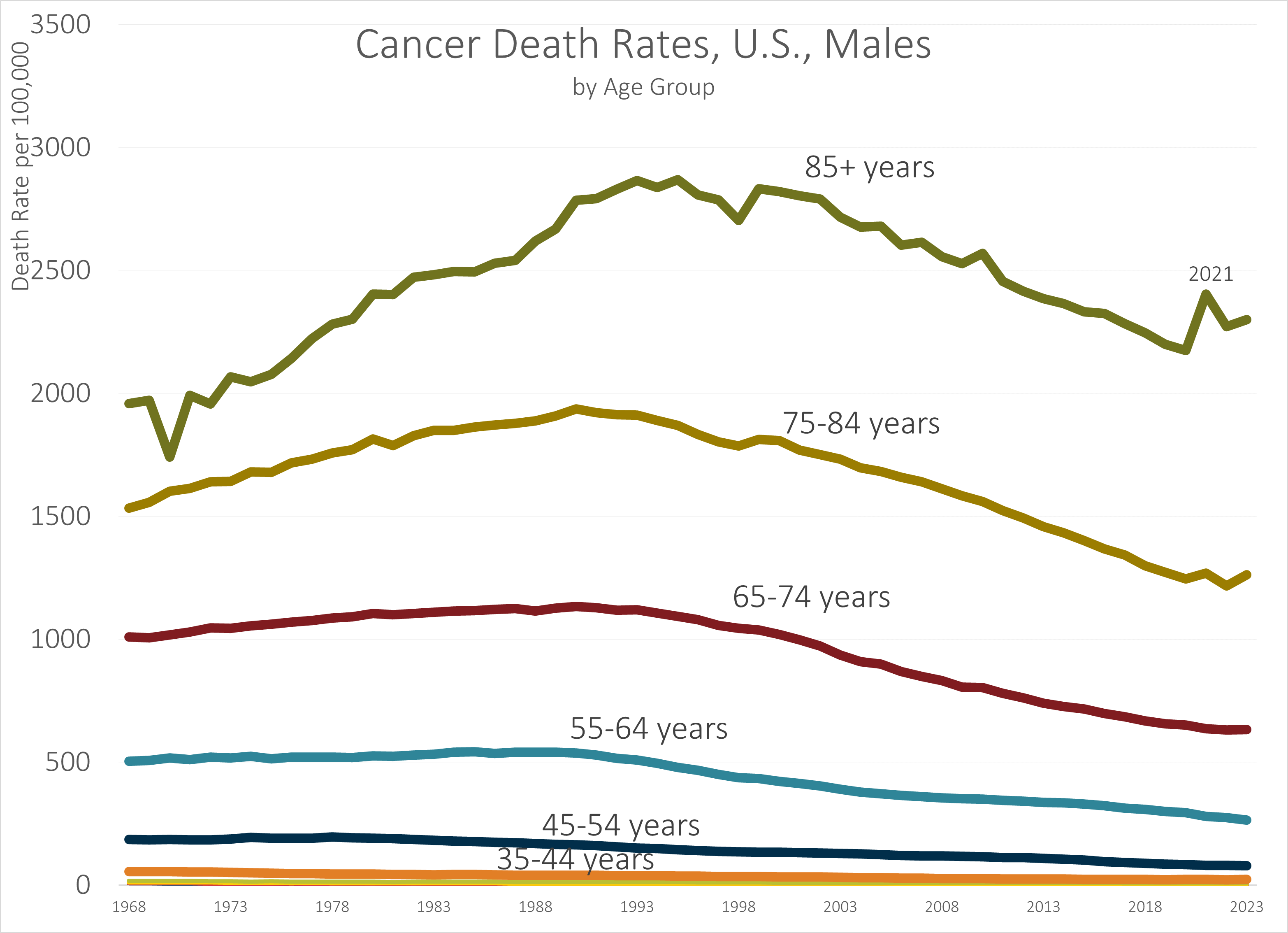
The age at death represents the precise chronological age an individual has attained at the time of their passing, serving as a fundamental metric for demographic analysis, actuarial science, historical genealogy, and estate administration. This metric underpins life expectancy calculations, informs financial risk modeling, and provides essential data for validating legal status and family lineages.
Analyzing the age at death requires moving beyond simple arithmetic to explore the complex web of biological, social, and administrative frameworks that record, interpret, and utilize this data. Whether you are tracing an ancestor through historical parish registers, calculating the payout horizon of a life annuity, or executing the terms of a complex testamentary trust, understanding how this metric is defined, verified, and applied is critical. This comprehensive guide examines the methodologies used to record the age at death, its multifaceted implications across various professional disciplines, and the rigorous standards required to verify it accurately.
Defining the Metric: Chronological Age Versus Demographic Cohorts
At its core, the age at death is measured as the exact time elapsed between an individual's birth and their death, typically expressed in completed years for adults, or down to months, days, and hours for infants. However, demographers and epidemiologists rarely evaluate this metric in isolation. Instead, they aggregate individual records to study mortality patterns across birth cohorts, geographic regions, and socioeconomic strata.
When studying historical or modern populations, researchers distinguish between crude mortality data and age-specific death rates. The age at death of a specific decedent feeds directly into life tables, which actuarial scientists use to project future survival probabilities. In historical demography, tracking the age at death reveals shifts in public health, such as the epidemiological transition from infectious diseases affecting the young to chronic, degenerative conditions impacting older populations.
Furthermore, legal definitions often intersect with chronological measurements. For instance, determining the precise age at death can influence property rights, posthumous name claims, and the distribution of generational wealth. A discrepancy of even a single day can alter the legal interpretation of survivorship clauses within a will or insurance contract, making absolute precision a legal and administrative necessity.
The Role of Age at Death in Actuarial Science and Insurance
Within the insurance and financial sectors, the age at death is the primary variable used to price risk, structure annuities, and manage pension liabilities. Actuaries do not predict when any single individual will die; rather, they analyze aggregate age-at-death distributions to calculate life expectancy and mortality risk for large pools of insured parties or beneficiaries.
Life insurance underwriting relies heavily on prospective longevity, which is informed by historical data regarding the age at death within specific demographic segments defined by health, smoking status, occupation, and family medical history. Conversely, longevity risk—the risk that individuals will live longer than projected—directly impacts defined-benefit pension plans and life annuity providers. If the average age at death within a pensioner pool exceeds actuarial projections, the financial reserves required to service those payouts increase significantly.
| Application Sector | Primary Purpose of Metric | Key Stakeholders | Methodological Focus |
|---|---|---|---|
| Actuarial Science | Risk pricing and solvency | Actuaries, Underwriters | Life tables, cohort mortality |
| Genealogy & History | Lineage verification, social trends | Genealogists, Historians | Primary records, parish registers |
| Estate Planning | Trust execution, probate validation | Estate Attorneys, Executors | Death certificates, survivorship |
| Public Health | Epidemiological tracking, policy | Epidemiologists, Policymakers | Cause-specific mortality rates |
Historical and Genealogical Verification Challenges
Tracing the age at death across generations introduces substantial methodological challenges. For contemporary records, verification is straightforward due to centralized civil registration systems. However, researching historical figures or ancestors requires navigating inconsistent record-keeping practices, shifting calendar systems, and intentional or unintentional misstatements of age.
Historically, individuals frequently did not know their exact date of birth, leading to estimated ages on census returns, marriage registers, and burial markers. In many 18th- and 19th-century church records, the recorded age at death reflects the informant's best guess rather than a verified fact. Genealogists must therefore employ a technique known as "reasonably exhaustive research," cross-referencing multiple primary sources—such as baptismal records, census data, military service files, and probate documents—to triangulate a reliable birth and death timeline.
Discrepancies frequently arise between gravestone inscriptions and official death certificates. Stonecutters could make errors, or family members erecting a monument years after the event might miscalculate the deceased's age. Professional genealogists prioritize contemporary government vital statistics and church burial registers over secondary sources like headstones or family Bibles when establishing the definitive age at death for legal or historical accuracy.
Legal and Administrative Procedures for Establishing the Metric
In legal and administrative contexts, the age at death cannot be left to assumption or historical estimation. It must be formally established through official documentation to clear estates, transfer titles, and settle insurance claims.
The primary instrument for establishing this metric is the official death certificate, issued by a government vital statistics agency or local registrar. This document typically records the decedent's date of birth, date of death, and calculated age at the time of passing, alongside the primary and contributing causes of mortality. When executing an estate, executors must present certified copies of this document to financial institutions, probate courts, and government agencies.
| Verification Source | Reliability Level | Primary Limitations | Best Use Case |
|---|---|---|---|
| Government Death Certificate | Highest | Dependent on informant accuracy | Legal probate, insurance claims |
| Church Burial Register | High (for pre-civil era) | Handwriting decay, missing entries | Historical and genealogical research |
| Gravestone / Cemetery Record | Moderate | Prone to post-mortem calculation errors | Secondary cross-reference |
| Census Returns | Variable | Self-reported, subject to memory lapses | Approximate cohort tracking |
When a death occurs abroad or under unusual circumstances, establishing the correct age and identity may require consular intervention, forensic pathology, or court declarations of death. In cases of missing persons presumed dead, a probate court must formally establish a date of death based on the expiration of a statutory disappearance period, which subsequently allows legal professionals to calculate the presumed age at death for property distribution.
Mitigating Errors and Discrepancies in Mortality Records
Data integrity issues within mortality statistics can distort demographic studies, genealogical trees, and legal proceedings. Errors typically stem from three main sources: informant misinformation, clerical transcription mistakes, and systemic biases in historical reporting.
Informants providing details for a death certificate—often grieving family members or institutional staff—may lack precise knowledge of the decedent's birth date. Clerical errors occur when hand-written digits are misread during transcription into digital databases or centralized registries. For example, transposed numbers (such as recording 61 instead of 16, or vice versa) can create anomalous data points that skew statistical analyses or complicate lineage verification.
To mitigate these errors, researchers and administrators apply data validation protocols:
- Cross-verify the stated birth and death dates against independent primary documents, such as birth certificates or early census listings.
- Examine the signature and relationship of the informant on the vital record to gauge their likely knowledge level.
- Utilize probabilistic record linkage techniques in large-scale demographic studies to identify and correct outlier data points.
Frequently Asked Questions
How is the age at death calculated when only the birth and death years are known?
When exact days and months are missing, the calculation typically subtracts the birth year from the death year. If the exact birthday is known to fall later in the calendar year than the date of death, one year is subtracted from this raw difference to reflect the individual's uncompleted final year of life.
Why do ages at death often appear exaggerated in historical records?
Historical records frequently exhibit age heaping, a tendency for people to round their ages to the nearest multiple of five or ten, particularly in populations with lower literacy rates. Additionally, older individuals sometimes exaggerated their longevity out of personal pride, or younger generations miscalculated older relatives' birth years due to a lack of written documentation.
Can a corrected death certificate alter settled estate proceedings?
In most jurisdictions, once an estate has been fully closed and assets distributed according to a final probate decree, minor discrepancies discovered later in a death certificate will not reopen the estate unless evidence of fraud or material concealment is established. Significant errors discovered during active probate must be amended through the issuing vital statistics agency before asset distribution proceeds.
What is the difference between median age at death and average life expectancy?
Median age at death represents the exact midpoint of ages at which members of a specific population group died, meaning half died younger and half died older. Life expectancy, by contrast, is a statistical projection calculated from current age-specific mortality rates, estimating the average additional years a person of a given age can expect to live.
How do demographers handle ages at death for infant mortality?
For infants who die within their first year of life, the age at death is rarely expressed in fractions of a year. Instead, demographers categorize these events into neonatal mortality (deaths within the first 28 days) and post-neonatal mortality (deaths from 28 days up to one year), measured in days or completed months to ensure precise public health tracking.
Practical Next Steps for Genealogical and Estate Verification
When you need to establish or verify the age at death for a specific individual, begin by securing the most authoritative primary source available, such as a government-issued death certificate or probate file. For historical or genealogical investigations where official vital records do not exist, construct a timeline using a minimum of three independent secondary sources, prioritizing church registers and early census data over monumental inscriptions. Consult a qualified estate attorney or professional genealogist if legal rights, contested lineages, or complex cross-border documentation requirements complicate your inquiry.