Calculating age based on a birth date involves determining the exact duration of time elapsed between a person’s date of birth and a reference date, typically the current date. While intuitively simple, this process requires accounting for the variations in calendar months, the fluctuating number of days in a year due to leap years, and the standard conventions used for legal and social record-keeping.
The Mathematical Foundation of Age Calculation
At its core, age is defined as the number of full years that have passed since the date of birth. Determining this requires a systematic subtraction process that moves from the most significant unit of time to the least significant. To calculate age accurately, one must look at the year, then the month, and finally the day.
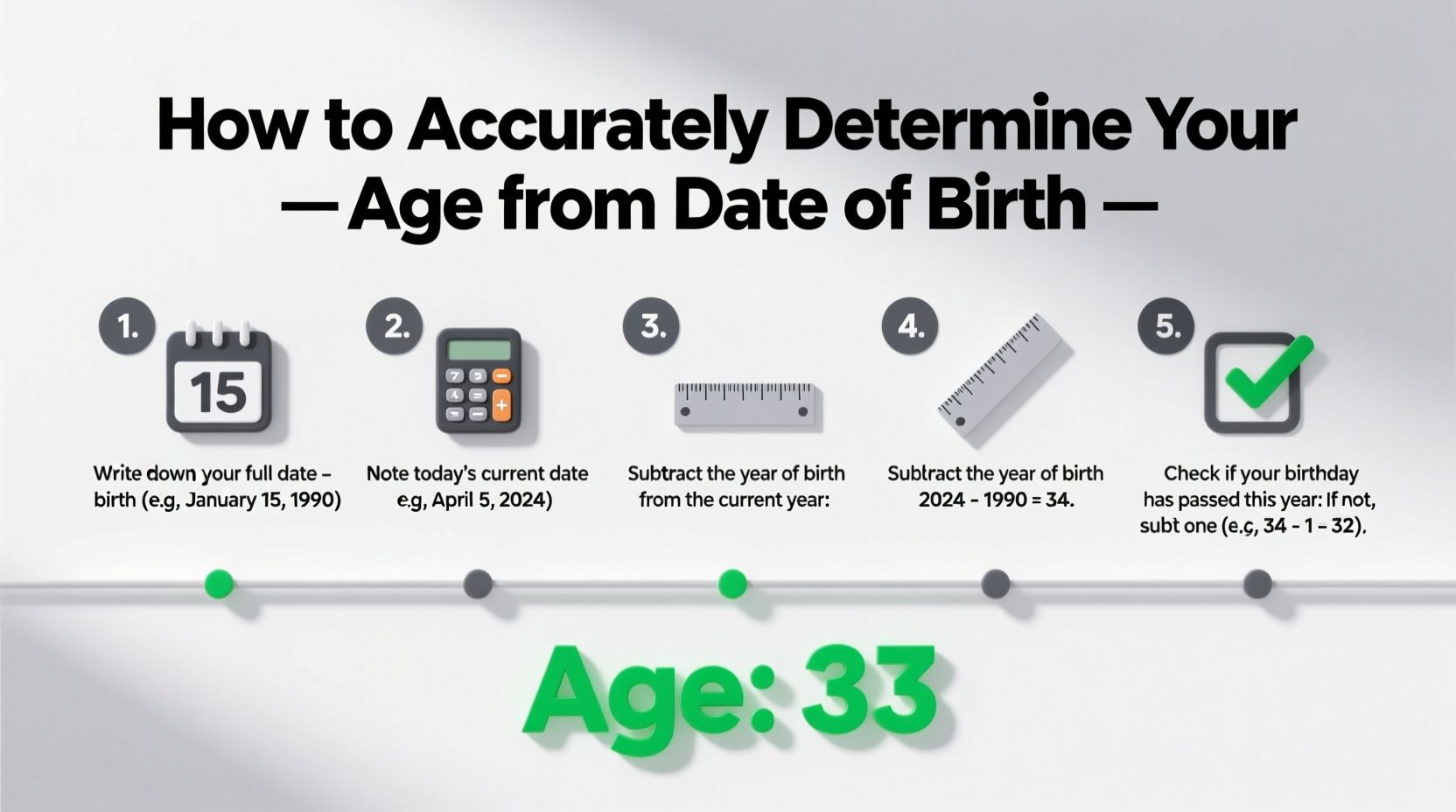
The fundamental rule is to subtract the birth year from the current year. If the current month and day have not yet reached the birth month and day, the result is decremented by one. This logic ensures that an individual is not credited with a full year of age until their birthday has actually occurred within the current calendar cycle.
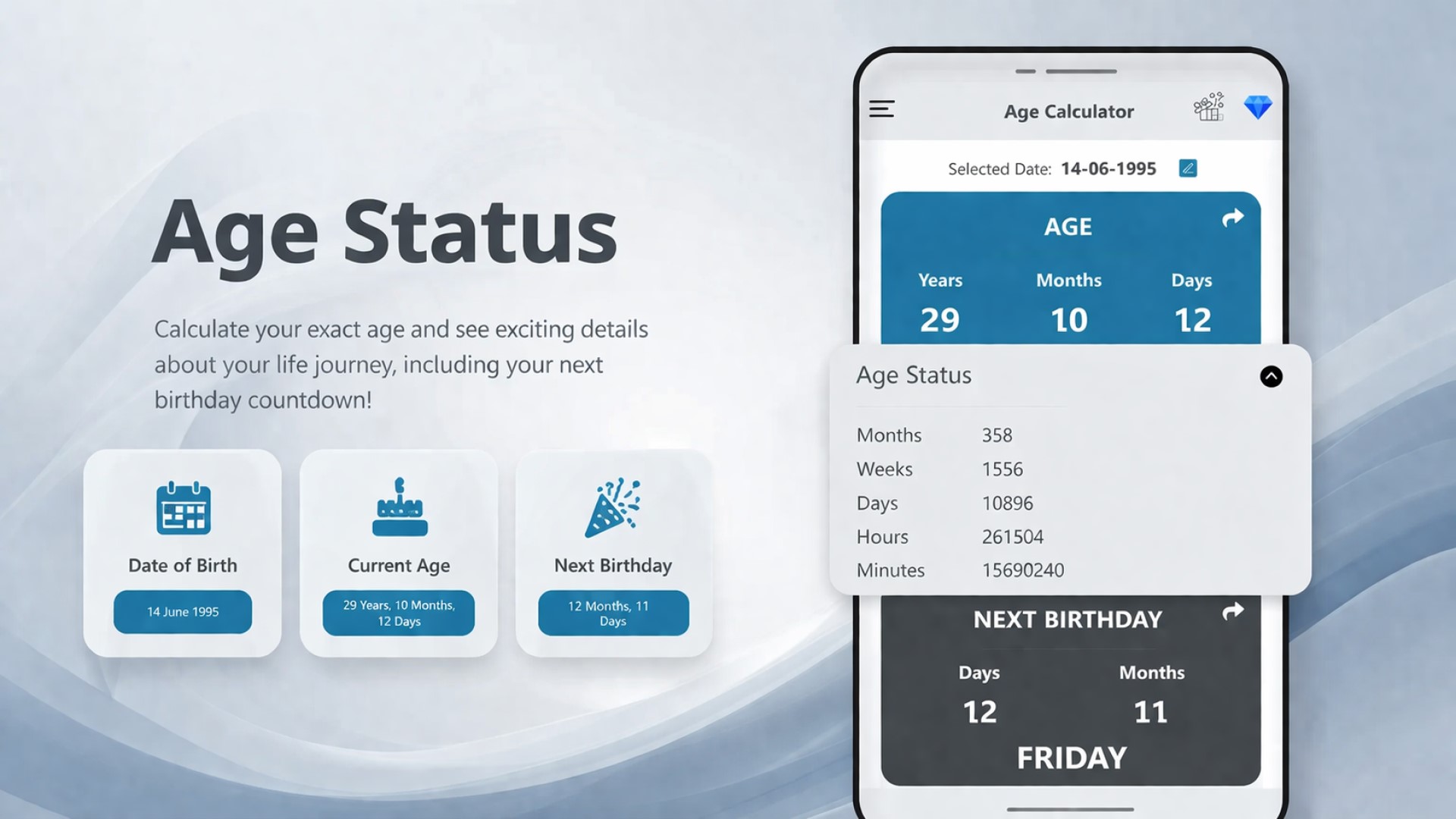
When performing this calculation manually, a common mistake is to ignore the "remainder" days. For precision, particularly in legal or medical contexts, age is often expressed as the number of years, months, and days elapsed since birth. This requires a "borrowing" technique similar to standard arithmetic subtraction, where if the current day is less than the birth day, one must borrow the appropriate number of days from the previous month.
Calendar Variations and Leap Year Considerations
The Gregorian calendar, which is the standard civil calendar in use globally in 2026, introduces specific complexities for age calculation. A standard year consists of 365 days, but leap years occur every four years—with exceptions for years divisible by 100 that are not also divisible by 400. This means that a person born on February 29 faces a unique situation regarding their legal "birthday" in non-leap years.
In most jurisdictions, there are established conventions for individuals born on February 29. When no February 29 exists in a given year, the legal birthday is typically recognized as either February 28 or March 1, depending on local statutory law. While these legal designations determine the date of eligibility for age-related milestones—such as legal adulthood or pension eligibility—they do not change the underlying chronological fact that the individual has aged by one year upon the completion of a full 365-day (or 366-day) cycle.
Comparison of Age Calculation Methods
There are several ways to track and calculate age depending on the required level of granularity. Below is a comparison of common methodologies utilized for various administrative and personal purposes.
| Method | Granularity | Primary Use Case |
|---|---|---|
| Year-Based | Integer Years | Demographic statistics, general identification |
| Full Precision | Years, Months, Days | Legal documentation, medical history |
| Ordinal Day | Total Days Elapsed | Software development, project scheduling |
| Social Security | Age at Last Birthday | Financial planning, retirement eligibility |
The "Year-Based" method is the most common for social interaction, as it requires the least amount of data processing. Conversely, "Full Precision" is essential for legal documents, such as birth certificates or insurance applications, where the exact duration of an individual's life must be verified to satisfy specific age requirements or coverage criteria.
Practical Steps for Manual Age Determination
To manually calculate your age with precision, follow these sequential steps to ensure accuracy:
- Identify the two dates: Note the reference date (e.g., today's date) and the birth date in YYYY-MM-DD format.
- Subtract the years: Deduct the birth year from the reference year. If the reference month/day is earlier than the birth month/day, subtract one from the total.
- Calculate the months: If the reference day is less than the birth day, subtract one month from the difference and add the number of days in the previous month to the reference day.
- Calculate the days: Subtract the birth day from the adjusted reference day.
Following this structure prevents common errors, such as assuming all months have 30 days or miscounting the leap year adjustment. When dealing with formal records, always ensure that the date format is consistent across both data points to avoid transposition errors, where the day and month are mistakenly swapped.
Technical Implementation and Software Logic
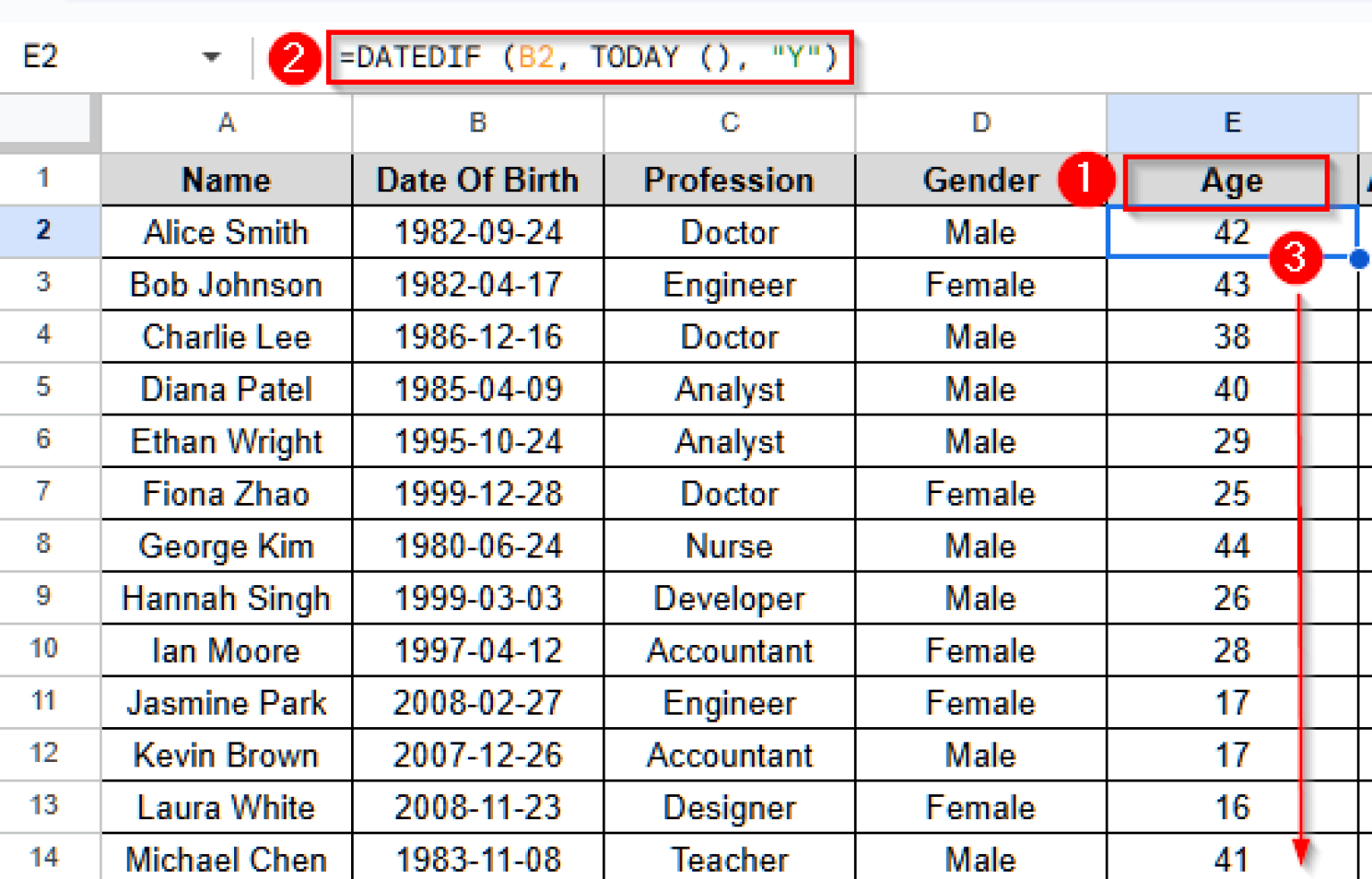
In modern computing, age calculation is typically handled by date-time libraries rather than raw manual arithmetic. Most programming languages, such as Python or JavaScript, include built-in objects to handle the complexities of the Gregorian calendar.
When developers build applications that rely on age, they must account for time zones. A person born on the evening of one day in one time zone might technically have been born on the following day in another. For most administrative purposes, the "legal" age is calculated based on the local time of the birth location or the current location of the subject.
Another technical challenge is the "off-by-one" error. Programmers must ensure their code evaluates the birthday threshold correctly. For example, if a program checks if a user is 18 years old, the logic must include the birthday itself as the day the user crosses the threshold into legal adulthood, rather than the day after.
Common Pitfalls and Troubleshooting
Errors in age calculation often stem from misinterpreting the reference point. If you are calculating the age of a document or an object rather than a person, the criteria may shift. For instance, in real estate or vehicle maintenance, "age" might be calculated from the date of manufacture rather than the date of purchase.
If your calculated age seems incorrect, verify the following:
- Format Consistency: Ensure the date format (DD/MM/YYYY vs. MM/DD/YYYY) is correctly interpreted.
- Leap Year Impact: Check if the reference year or birth year encompasses a leap day that might shift the total day count.
- Reference Date Accuracy: Confirm that the reference date is the intended target date, especially when calculating future ages or historical milestones.
If you are dealing with legal or financial documents, these discrepancies can have significant consequences. Always rely on government-issued identification or certified copies of vital records when establishing a birth date for high-stakes applications.
Frequently Asked Questions
Why does my calculated age differ on different platforms?
Discrepancies often arise from the internal logic used by the software. Some platforms calculate age based on the number of calendar years passed, while others calculate the exact number of days divided by 365.25. Always check the platform's specific policy if you are filling out official forms.
Is age calculated inclusive of the birth date?
Yes, in the standard biological and social sense, your age is the amount of time elapsed since birth. You are considered to be "zero years old" from the moment of birth until your first birthday. Therefore, your age is determined by the number of complete anniversaries of your birth that have occurred.
How are birthdays handled in leap years for legal purposes?
Laws regarding February 29 births vary by jurisdiction. Many regions default to February 28 as the legal birthday in non-leap years, while others designate March 1. Consult your local government's statutes or civil registry office if you need to determine the specific legal status of a birth date in a non-leap year.
What is the most accurate way to verify a birth date?
The most reliable method is to reference a certified copy of a birth certificate or a government-issued identity document, such as a passport or a national ID card. These documents undergo a verification process by state or national authorities, ensuring the recorded birth date is legally binding.
Can time zones affect the calculation of age?
Yes. Because the Earth is divided into time zones, a person's age at a specific, precise moment could technically differ depending on their location relative to the International Date Line. However, for legal and administrative purposes, the birth date is typically fixed to the location of birth regardless of where the person travels afterward.
Next Steps for Precise Record Keeping
When you need to maintain accurate age records for personal or administrative use, start by centralizing your verified documentation. Create a digital or physical folder containing high-quality copies of your birth certificate and any secondary identification. If you are managing age-related data for others, implement a standardized date format across all records to ensure that automated calculation tools—or manual reviews—remain consistent and error-free. Periodically verify these records against original documentation to prevent the propagation of typographical errors over time.