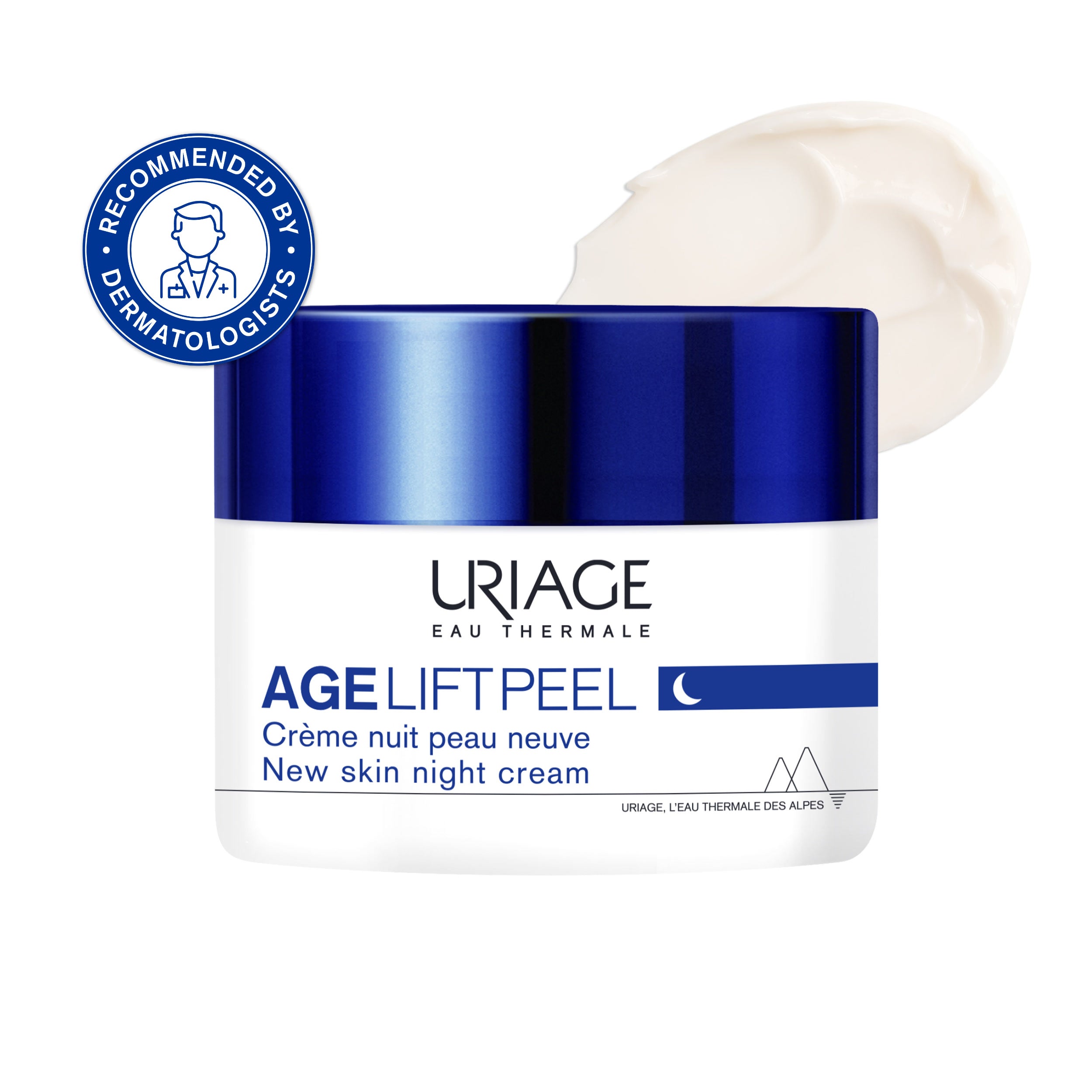
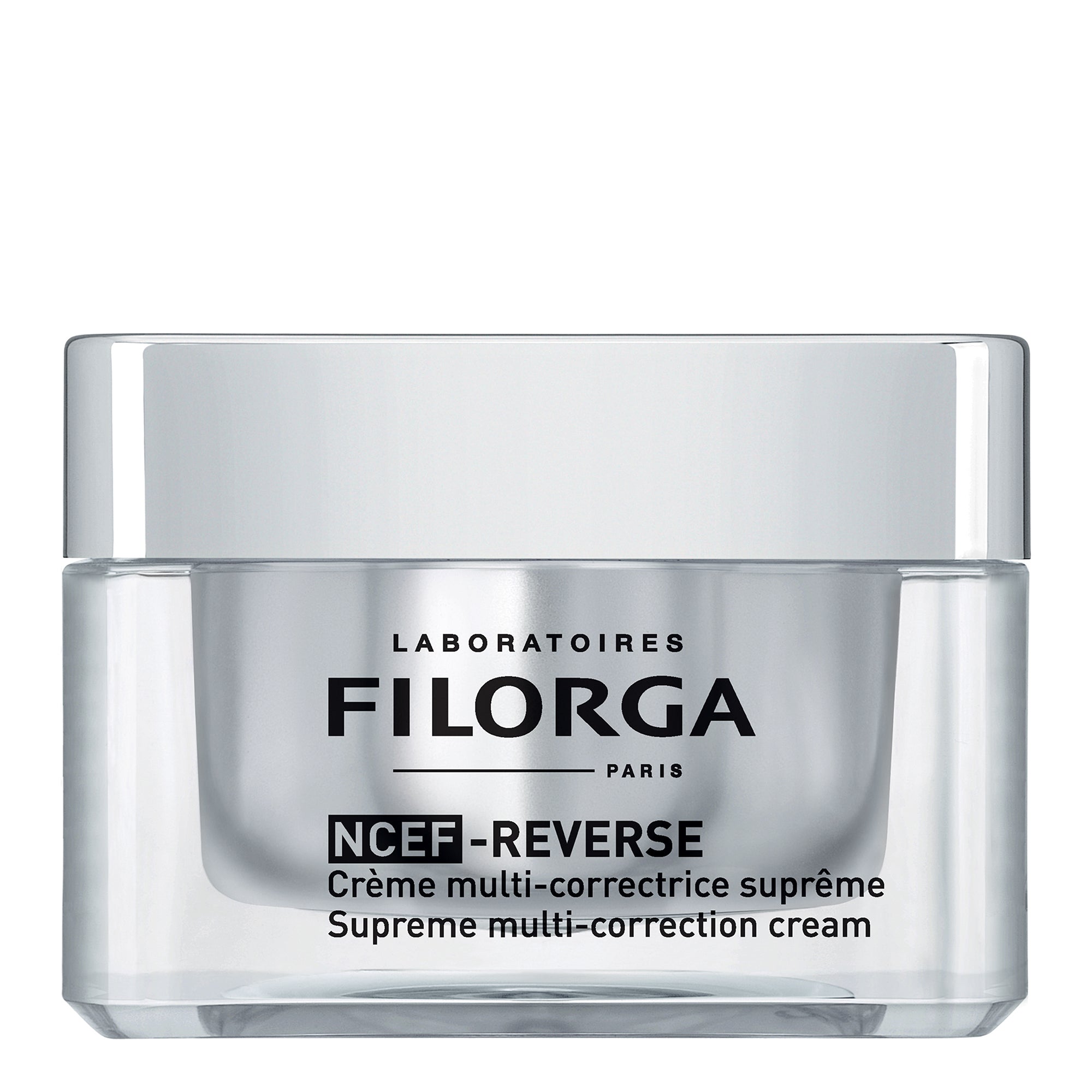
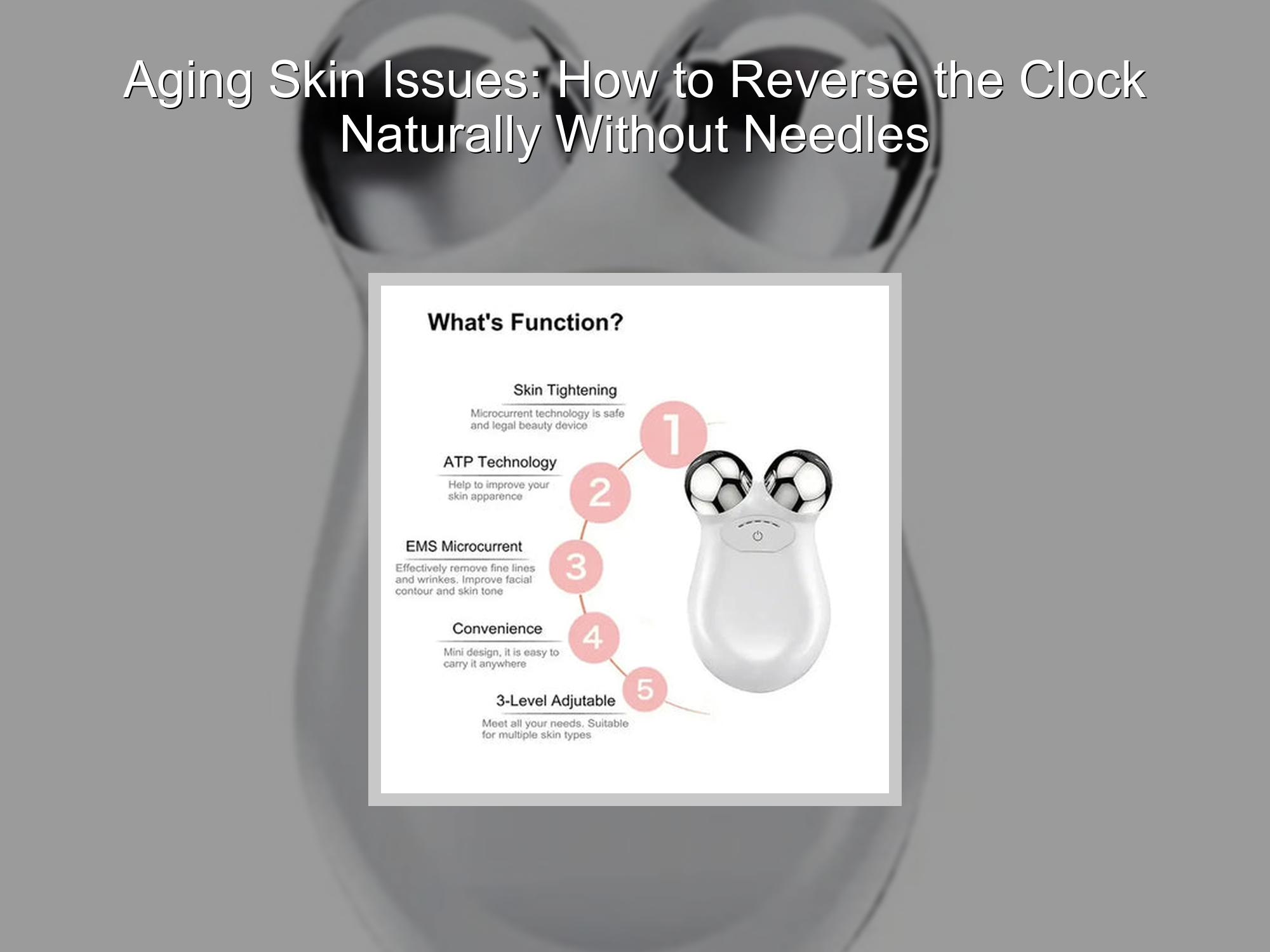
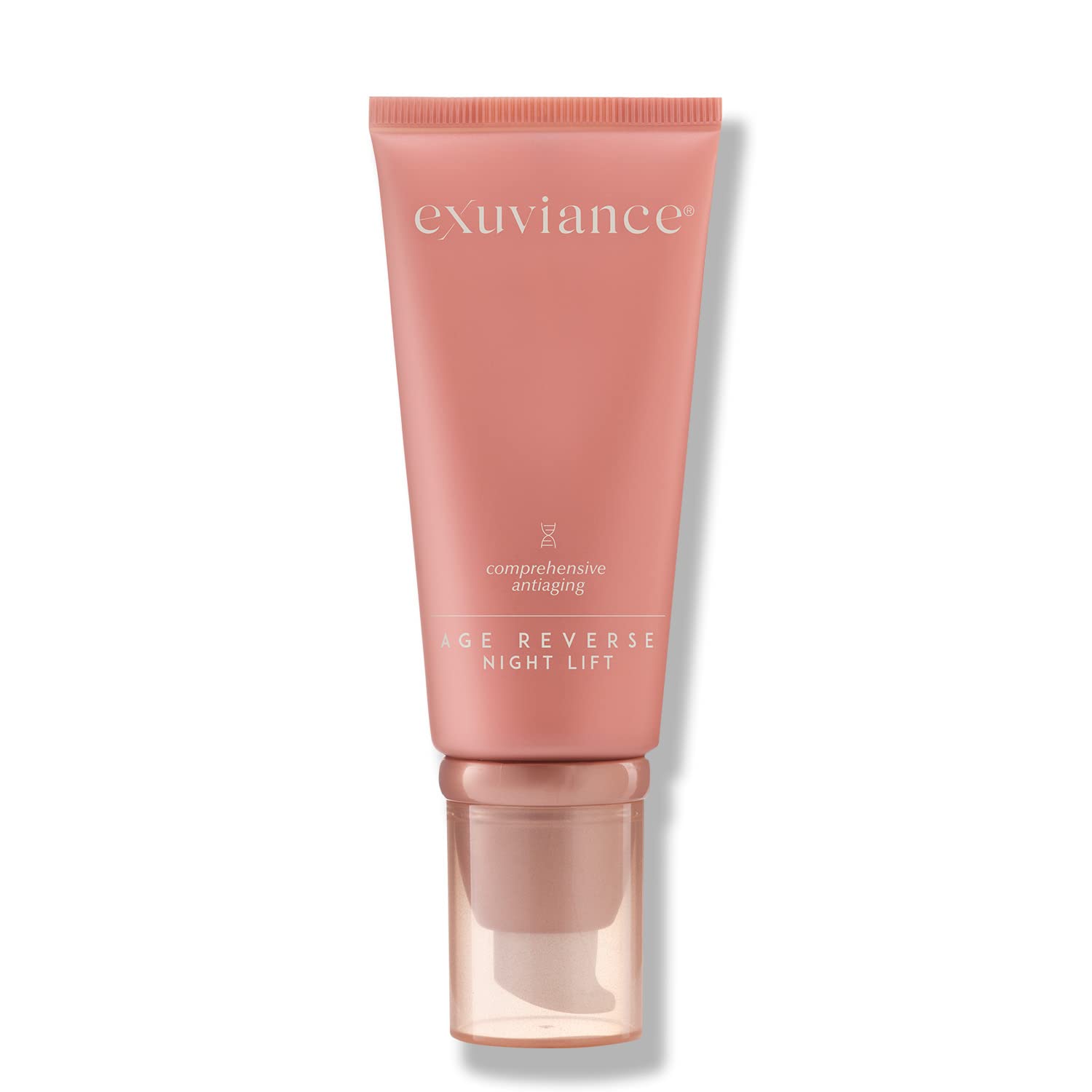
An age balancing night cream is a specialized topical skincare treatment designed to synchronize with the skin’s nocturnal circadian rhythm to repair cellular damage and restore hydration. By focusing on overnight recovery, these formulas aim to improve skin texture, minimize fine lines, and promote a radiant, refreshed complexion upon waking, effectively supporting the skin’s natural clock.
The Science of Nocturnal Skin Repair
The human skin operates on a biological clock, or circadian rhythm, that dictates its physiological functions throughout the 24-hour cycle. During the daylight hours, the skin’s primary function is protective; it works to defend against environmental stressors, such as ultraviolet (UV) radiation, pollutants, and oxidative stress. As the sun sets and the body enters a resting state, the skin shifts its priority toward repair and regeneration.
An age balancing night cream is specifically engineered to capitalize on this nocturnal window. During sleep, skin cell proliferation increases, and the skin’s barrier function becomes more permeable, allowing for the deeper penetration of active ingredients. Research indicates that transepidermal water loss (TEWL) is higher at night, which is why most night creams are formulated with heavier occlusives and intensive humectants that provide a sustained release of moisture compared to lighter, fast-absorbing daytime lotions.
Key Ingredients for Age-Defying Results
The effectiveness of a night cream depends largely on its formulation and the synergy of its components. Achieving a "reversed" look—or the appearance of younger, more vibrant skin—relies on ingredients that address specific biological markers of aging.
- Retinoids: Often considered the gold standard in dermatology for anti-aging, retinoids (such as retinol or prescription-grade tretinoin) accelerate cell turnover and stimulate collagen production. By thinning the buildup of dead skin cells and thickening the deeper layers of the dermis, they help smooth fine lines and improve skin texture.
- Peptides: These short chains of amino acids act as building blocks for proteins like collagen and elastin. Incorporating peptides into a night regimen supports the structural integrity of the skin, leading to improved firmness and elasticity.
- Hyaluronic Acid: A potent humectant that attracts and binds water to the skin, hyaluronic acid is essential for rehydrating the epidermis during the night. It plumps the skin, effectively masking fine lines caused by dehydration.
- Niacinamide: Known as Vitamin B3, this ingredient helps strengthen the skin barrier, reduces inflammation, and improves overall tone by inhibiting the transfer of pigment to skin cells.
Establishing an Effective Nighttime Regimen
To maximize the benefits of an age balancing night cream, it must be integrated into a consistent and logical skincare sequence. The goal is to move from the lightest to the heaviest products to ensure optimal absorption.
- Cleansing: Remove the day’s debris, pollutants, and makeup with a gentle cleanser that does not strip the skin’s natural oils.
- Exfoliation (As Needed): If using chemical exfoliants, such as AHAs or BHAs, these should be applied to clean, dry skin. Note that using these alongside potent retinoids can cause irritation; moderation is key.
- Treatment Serums: Apply targeted serums—such as Vitamin C (if using in the morning) or hydrating hyaluronic acid—before the cream to address specific concerns.
- Application of Night Cream: Take a pea-sized amount of your age balancing cream and apply it using upward, circular motions. Do not neglect the neck and décolletage, as these areas often show signs of aging as prominently as the face.
Comparison of Common Nighttime Skincare Solutions
| Product Type | Primary Function | Key Ingredients | Best For |
|---|---|---|---|
| Age Balancing Cream | Repair & Hydration | Peptides, Ceramides | Mature skin, dry skin |
| Retinol Treatment | Cell Turnover | Retinoids | Fine lines, uneven texture |
| Overnight Mask | Intense Hydration | Hyaluronic Acid, Glycerin | Dull, dehydrated skin |
| Facial Oil | Seal Moisture | Plant-based fatty acids | Dry or compromised barriers |
Troubleshooting Potential Skin Reactions
Introducing an active-rich night cream into a routine can sometimes lead to temporary setbacks. The most common issue is retinoid dermatitis, characterized by redness, flaking, and sensitivity. If the skin feels raw or irritated after starting a new product, the "sandwich method" is a recommended troubleshooting technique.
To use this method, apply a light, non-active moisturizer first, followed by your treatment cream, and then seal it with another thin layer of moisturizer. This buffers the active ingredients, slowing their absorption and giving the skin barrier time to adapt. If irritation persists, reduce usage frequency to every other night until the skin builds tolerance. Always perform a patch test on a small area of the inner forearm 24 hours before applying a new product to the entire face to rule out allergic contact dermatitis.
Addressing Myths Surrounding "Anti-Aging"
The beauty industry frequently markets products with the promise of "reversing the clock." From a dermatological standpoint, it is important to distinguish between biological aging and the visible signs of aging that can be managed.
Biological aging is inevitable, influenced by genetics and internal health. However, much of what we perceive as aging—sun spots, fine lines from dehydration, and sagging skin—is the cumulative result of environmental exposure and lifestyle factors. Age balancing night creams focus on these visible signs. They provide the hydration and chemical signaling required to maintain a healthy barrier, which reflects light more evenly, creating the appearance of "radiant skin."
FAQ: Maximizing Your Night Cream Performance
Can I use my age balancing night cream during the day?
While it is possible to use a night cream during the day, it is generally discouraged. Night creams are often formulated with richer, heavier oils and occlusives that may feel greasy under makeup. Furthermore, they usually lack the essential SPF protection required to guard against daytime UV exposure.
At what age should I start using an age balancing night cream?
There is no specific chronological age to begin using these products. Most dermatologists suggest starting when you notice the first signs of skin elasticity loss or persistent dryness, which commonly occurs in the mid-to-late 20s or early 30s.
Should I apply night cream around my eyes?
Unless the product is specifically ophthalmologist-tested for the orbital area, it is safer to use a dedicated eye cream. The skin around the eyes is significantly thinner and more sensitive than the rest of the face, and some active ingredients in night creams may cause puffiness or irritation in this delicate region.
Does the price of the cream correlate with its efficacy?
Not necessarily. While high-end formulations may contain proprietary complexes or elegant textures, the core efficacy of a product is determined by its active ingredients and their concentrations. Look for evidence-based ingredients like retinol, ceramides, and peptides rather than price tags or marketing jargon.
How long does it take to see results?
Skin cells typically renew every 28 to 40 days, depending on age. You should generally allow four to six weeks of consistent nightly use before evaluating whether the product is effectively improving the appearance of your skin.
Next Steps for Radiant Skin
To begin your journey toward more radiant, balanced skin, first identify your specific skin type—dry, oily, combination, or sensitive. Select an age balancing night cream that matches your needs; if you are prone to breakouts, seek non-comedogenic formulas, while those with dry skin may benefit from creams rich in ceramides and fatty acids. Start slowly, integrate the product into a clean-to-heavy routine, and prioritize consistent, daily sun protection every morning to ensure the progress made overnight is not undermined by daytime sun damage.