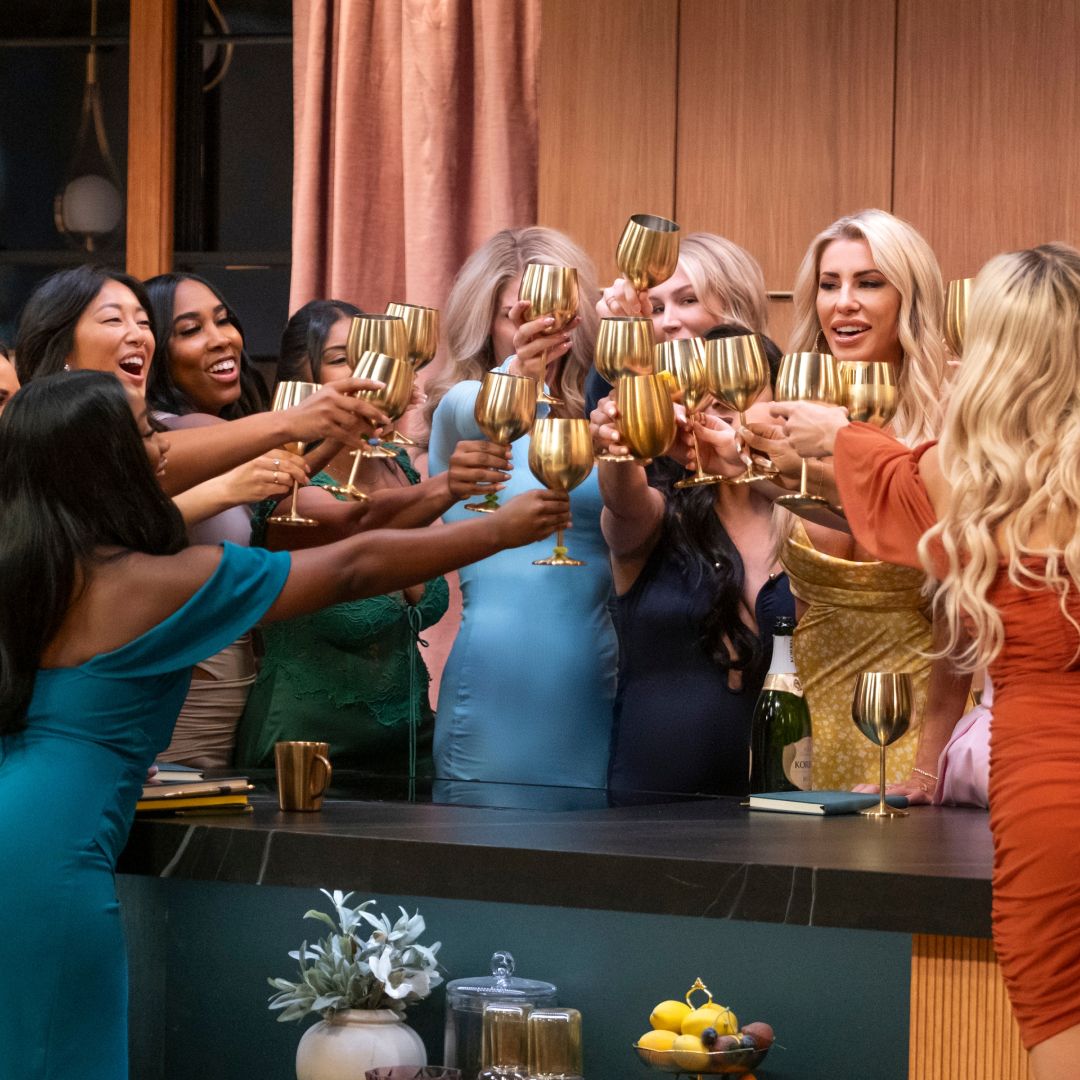
In 2026, the fascination with the "Age of Attraction"—relationships defined by significant age gaps—remains a dominant theme in both psychological studies and entertainment media. While many such high-profile pairings face intense scrutiny, several iconic couples have successfully navigated the challenges of age disparity, maintaining their unions for decades despite societal skepticism and the unique pressures of the public eye.
Understanding the "Age of Attraction" Phenomenon
The term "Age of Attraction" refers to the complex psychological and social dynamics that govern relationships where partners belong to different generational cohorts. Historically, these pairings were often viewed through a lens of economic exchange or power imbalances. However, in the mid-2020s, the narrative has shifted toward "emotional maturity alignment" and "lifestyle compatibility."
Modern research in 2026 suggests that the "Age of Attraction" is not merely about physical preference but often involves a synchronization of life goals that transcends chronological age. For many enduring couples, the gap provides a complementary balance: one partner brings experience and stability, while the other offers a fresh perspective or high energy. When these elements align, the resulting bond can be more resilient than peer-to-peer relationships, which often struggle with competitive career arcs or simultaneous mid-life crises.
The media’s obsession with these couples—often highlighted in reality television series and celebrity tabloids—frequently predicts a short shelf life. Yet, the data from 2026 shows that age-gap couples who survive the first five years of their relationship often exhibit higher levels of commitment and conflict-resolution skills than their age-matched counterparts.
The Gold Standard: Iconic Couples Who Defied the Odds
To understand how these relationships last, one must look at the "Gold Standard" couples who have remained together "after all these years." These pairings serve as the benchmark for the Age of Attraction, proving that a gap of 20 years or more is not an inherent barrier to long-term marital success.
Michael Douglas and Catherine Zeta-Jones
As of 2026, Michael Douglas and Catherine Zeta-Jones remain one of Hollywood’s most resilient examples of the Age of Attraction. With a 25-year age gap, the couple married in 2000 and has faced significant hurdles, including health battles and brief separations. Their longevity is often attributed to their "unified front" policy regarding the media and their shared commitment to family. By 2026, they have successfully raised their children out of the spotlight, reinforcing the idea that shared values are more critical than shared birth years.
Harrison Ford and Calista Flockhart
With a 22-year age difference, Ford and Flockhart have been together since 2002. Their relationship is characterized by a high degree of privacy and a mutual love for aviation and rural living. In 2026, their union is frequently cited by relationship experts as a model of "low-drama" success. Their ability to integrate disparate career cycles—Ford being an established icon and Flockhart finding her own path—demonstrates the importance of individual autonomy within an age-gap marriage.
Sarah Paulson and Holland Taylor
Representing a 32-year age gap, Paulson and Taylor have been a public couple for over a decade. In 2026, they continue to be vocal advocates for the normalization of age-diverse relationships. Their bond is built on intellectual stimulation and a deep respect for each other’s craft. They have often discussed how the age difference allows them to skip the "games" associated with younger dating, moving straight to a foundation of radical honesty and support.
Reality TV Outcomes: The "Age of Attraction" on Screen
Television has frequently attempted to "manufacture" the Age of Attraction through various dating experiments. While many of these televised romances fizzle out once the cameras stop rolling, a few notable exceptions have stood the test of time.
In the reality TV landscape of the early 2020s, shows specifically titled "The Age of Attraction" or similar variations (such as Age of Love) sought to test if older, established individuals could find lasting connections with significantly younger partners. As of 2026, the success rate of these shows remains lower than traditional dating, but the couples who do survive usually share a specific trait: they transitioned quickly from the "fantasy" of the show's setting to a grounded, mundane routine.
For instance, couples from international versions of these shows that aired between 2022 and 2024 are now hitting their "critical marks." Those still together in 2026 have moved past the initial "novelty" of the age gap and have addressed the practicalities of long-term planning, such as retirement timelines and legacy building.
Comparative Dynamics of Enduring Age-Gap Couples
The following table outlines the duration and status of notable couples where the Age of Attraction was a primary point of public discussion.
| Couple | Age Gap | Year Started | Years Together (as of 2026) | Primary Success Factor |
|---|---|---|---|---|
| Michael Douglas & Catherine Zeta-Jones | 25 Years | 1999 | 27 Years | Resilience through health crises |
| Harrison Ford & Calista Flockhart | 22 Years | 2002 | 24 Years | Shared privacy and lifestyle |
| Sarah Paulson & Holland Taylor | 32 Years | 2015 | 11 Years | Intellectual & artistic synergy |
| Jeff Goldblum & Emilie Livingston | 30 Years | 2011 | 15 Years | Active lifestyle & shared parenting |
| George & Amal Clooney | 17 Years | 2013 | 13 Years | Alignment of humanitarian goals |
| Rosie Huntington-Whiteley & Jason Statham | 20 Years | 2010 | 16 Years | Professional & personal stability |
Why These Couples Last: Key Factors for Longevity
The longevity of Age of Attraction couples is rarely accidental. In 2026, relationship counselors specialize in "Intergenerational Dynamics," identifying several recurring themes among those who stay together "after all these years."
1. The "Maturity Mirror" Effect
A common misconception is that the younger partner is "immature" or the older partner is "controlling." In reality, successful long-term couples often exhibit a "Maturity Mirror," where the younger partner is more emotionally advanced than their peers, and the older partner retains a youthful curiosity and vitality. This creates a level playing field where neither feels held back or pushed too fast.
2. Navigating the "Judgment Barrier"
Couples that stay together are those that develop a thick skin against public and familial judgment. The early years of these relationships are often plagued by "gold-digger" or "mid-life crisis" labels. Couples who survive into 2026 are those who prioritized their internal connection over external validation. By the ten-year mark, the age gap usually becomes a "non-issue" to those around them as the stability of the union speaks for itself.
3. Financial and Career Independence
One of the most significant stressors in any relationship is financial imbalance. In the most successful Age of Attraction pairings, both partners maintain a level of independence. Whether it is through established careers or personal assets, removing the "need" for the other’s resources allows the attraction to remain focused on personality and companionship rather than survival.
4. Proactive Health and Future Planning
By 2026, it is standard for age-gap couples to engage in "future-proofing." This involves early and honest conversations about aging, caregiving, and mortality. Couples like Michael Douglas and Catherine Zeta-Jones have been public about navigating health scares, which often strengthens the bond by forcing a deeper level of intimacy and commitment early on.
Common Pitfalls for Age-Gap Pairings
Despite the success stories, the "Age of Attraction" is fraught with challenges that lead many to fail. Understanding these pitfalls is essential for anyone entering such a dynamic.
- Differing Biological Clocks: Disagreements over having children or the timing of starting a family are the leading causes of breakups in age-gap couples.
- Social Isolation: If the older partner’s social circle does not accept the younger partner, or vice versa, it can lead to resentment.
- The "Parenting" Trap: When the older partner begins to "mentor" or "parent" the younger partner, the romantic attraction often evaporates, replaced by a hierarchy that stifles the relationship.
- Energy Mismatches: While often complementary initially, significant differences in physical energy levels can become a strain during vacations, social outings, or daily chores as the years progress.
Frequently Asked Questions
What is the average age gap for "Age of Attraction" couples?
While there is no official "limit," social researchers and media outlets typically use the term for couples with a gap of 15 years or more. Statistically, in 2026, gaps of 10–15 years are becoming increasingly common and normalized, while gaps exceeding 20 years continue to be the primary focus of the "Age of Attraction" niche.
Do reality TV couples with age gaps stay together longer than peer couples?
No, the data indicates that reality TV couples, regardless of age, have a lower success rate than the general population. However, age-gap couples from these shows who stay together for more than 24 months are more likely to marry than peer-aged contestants, as the decision to pursue a "non-traditional" relationship often requires a higher level of initial intent.
How do enduring couples handle the "generational gap" in interests?
Most successful couples report that they do not try to "bridge" every gap. Instead, they maintain individual interests related to their own generations while building a "third culture" unique to their relationship. This involves shared hobbies—such as travel, art, or fitness—that are not age-dependent.
Is the "Age of Attraction" more successful when the man or woman is older?
In 2026, the success rate is remarkably balanced. While the "older man/younger woman" dynamic was more visible historically, the "older woman/younger man" dynamic (sometimes referred to as the "Matriarchal Age Gap") has shown high levels of stability, often attributed to the high emotional intelligence and financial stability of the older female partner.
What is the most common reason these couples break up after 10+ years?
Aside from standard relationship issues, the most common specific reason is "stage of life" divergence. For example, when one partner reaches a stage of wanting total retirement and rest, while the other is at the peak of their career ambition, the friction can become insurmountable if not managed with extreme flexibility.
Next Actions for Navigating Age-Gap Relationships
If you are currently in or considering an "Age of Attraction" relationship in 2026, focus on building a foundation that transcends the chronological. Prioritize the alignment of five-year and ten-year goals, and ensure that both partners have a support system outside of the relationship.
The couples who are still together "after all these years" are those who viewed their age difference not as a hurdle to be cleared, but as a unique landscape to be explored together. To ensure longevity, consider seeking counseling that specifically addresses intergenerational communication styles, and remain transparent about health and financial expectations from the outset.