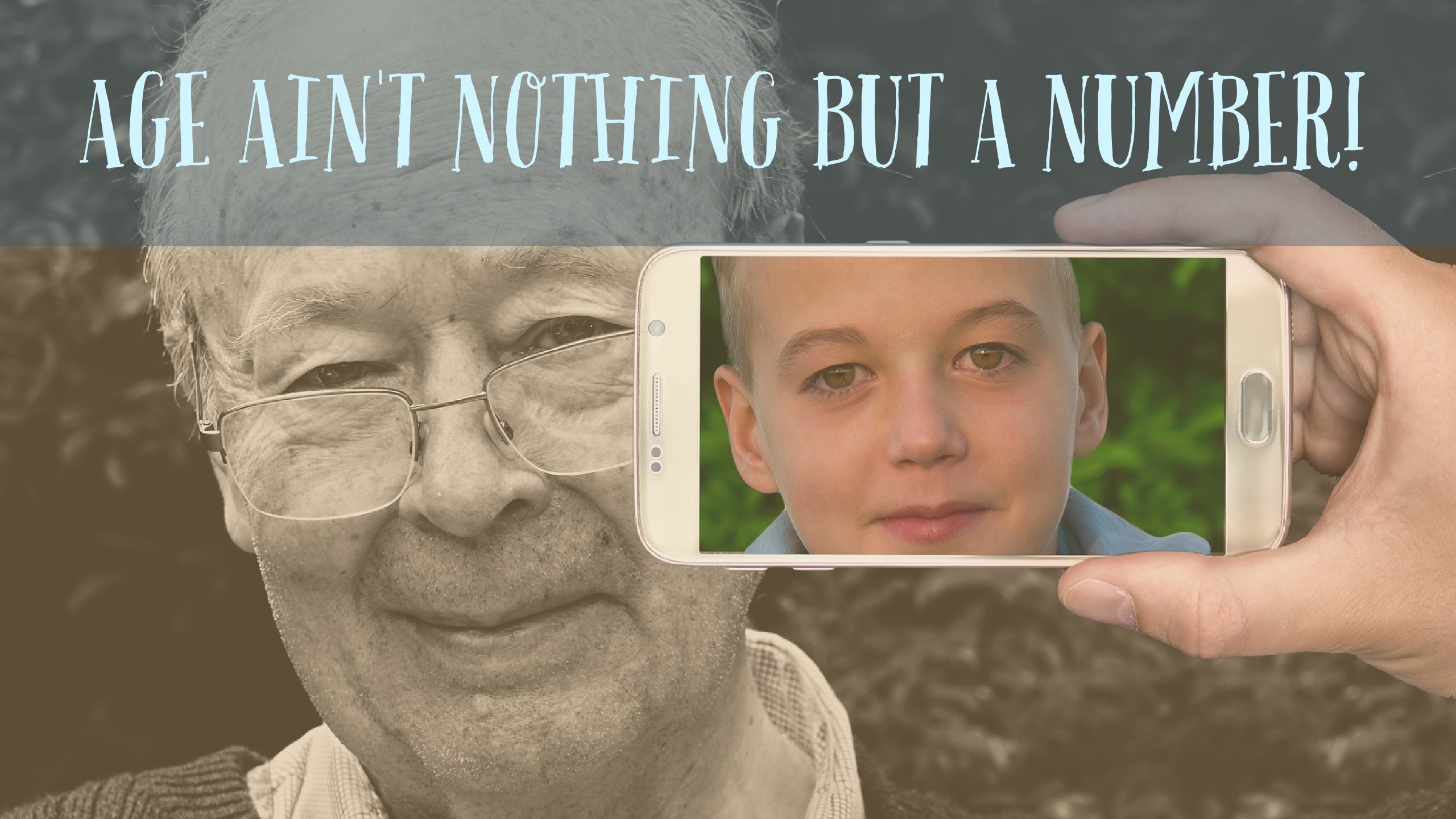
The phrase "age ain't nothing but a number" signifies that chronological age should not limit an individual's capabilities, ambitions, or potential for achievement. Unlocking the secret to timeless success requires shifting focus from biological aging to cultivating a growth mindset, continuous skill acquisition, and relentless adaptability across all stages of life.
Decoding the Philosophical and Cultural Roots of Timeless Success
The cultural idiom "age ain't nothing but a number" reaches far beyond pop culture or casual conversation. Historically, societies have strictly stratified life stages: youth is designated for learning, adulthood for production, and older age for retirement. However, modern longevity, shifting economic structures, and accelerated technological change have rendered these rigid timelines obsolete.
At its core, this philosophy challenges the psychological construct of age-based limitations. When individuals internalize chronological milestones as hard stops, they prematurely truncate their capacity for innovation. Timeless success reframes life as a continuous continuum rather than a race against the clock. This perspective aligns with psychological research on the growth mindset, which demonstrates that cognitive flexibility, emotional intelligence, and problem-solving capacities can expand throughout a lifetime when properly stimulated.
Achieving timeless success demands dismantling internalized ageism. Society frequently conditions individuals to believe that peak performance occurs during a narrow window in early adulthood. By rejecting this premise, high achievers across various domains—from entrepreneurship and science to the arts—demonstrate that accumulated experience, pattern recognition, and resilience often outweigh raw, unguided youthful energy.
The Intersection of Biological Aging and Cognitive Resilience
Understanding the mechanics of timeless success requires examining the interplay between biological aging and mental adaptability. While physical senescence is an immutable biological reality, the rate and functional impact of aging are heavily influenced by lifestyle, cognitive engagement, and psychological outlook.
Neuroplasticity—the brain's ability to reorganize itself by forming new neural connections—does not cease at a specific age. Lifelong learning, complex problem-solving, and novel experiences actively stimulate neurogenesis. Consequently, individuals who maintain intellectual curiosity and pursue challenging objectives maintain sharper cognitive function than those who adopt passive routines.
| Dimension | Fixed Age-Based Mindset | Timeless Success Framework |
|---|---|---|
| Learning Curve | Education restricted to early life | Continuous skill acquisition and cross-disciplinary study |
| Risk Tolerance | Decreases sharply with chronological age | Calibrated risk-taking backed by accumulated experience |
| Performance Metric | Speed and physical endurance | Strategic insight, efficiency, and emotional resilience |
| Adaptability | Resistance to technological or cultural shifts | Active integration of emerging tools and methodologies |
This operational shift explains why many breakthrough innovations are spearheaded by seasoned professionals who combine deep domain expertise with an open approach to emerging paradigms.
Strategic Pillars for Maintaining Peak Performance Over Time
Sustaining high performance across decades requires deliberate structural habits. Timeless success is not accidental; it is built upon foundational pillars that protect both physical vitality and mental acuity.
1. Radical Adaptability and Technical Fluency
The pace of modern industry ensures that yesterday's tools will not solve tomorrow's problems. Professionals who achieve timeless success treat ongoing technical re-skilling as a non-negotiable operational cost. Whether mastering new software architectures, understanding shifting macroeconomic data, or adopting artificial intelligence workflows, maintaining relevance requires remaining comfortable with being a beginner.
2. Compound Experience and Pattern Recognition
Youth brings enthusiasm, but time brings pattern recognition. Experienced individuals have lived through multiple market cycles, organizational failures, and strategic shifts. This historical baseline allows them to anticipate secondary and tertiary consequences of decisions that less-experienced peers might miss. Leveraging this compounding knowledge is a primary engine of long-term achievement.
3. Deliberate Physical and Mental Recovery
Endurance requires active recovery. As biological systems mature, the margin for error in sleep, nutrition, and stress management narrows. Sustainable high performance relies on treating physical health as an optimization problem rather than an afterthought, ensuring the body can support the demands of sustained cognitive focus.
Common Pitfalls That Derail Long-Term Achievement
Even ambitious individuals frequently sabotage their trajectory by falling into predictable traps. Recognizing these hazards is essential for preserving momentum.
- Resting on Historical Laurels: Relying exclusively on past accomplishments creates complacency. Markets and industries evolve relentlessly; yesterday's credentials do not guarantee tomorrow's relevance.
- Isolating From Younger Generations: Dismissing the perspectives of younger peers cuts off access to emerging cultural norms, consumer behaviors, and technological idioms. Intergenerational collaboration is vital for maintaining a modern outlook.
- Neglecting Physical Maintenance: Ignoring chronic stress, sleep deprivation, and poor nutrition ultimately results in burnout and cognitive decline, regardless of mental willpower.
- Fearing Iterative Failure: Older professionals sometimes develop an aversion to public failure, fearing it diminishes their established reputation. This risk aversion stifles innovation and experimentation.
How to Apply the Timeless Success Model in Your Career
Translating the concept of timeless success into daily execution requires a systematic, actionable framework.
- Conduct an Audit of Your Skills: Evaluate your current competency set against the demands of your industry five years into the future. Identify gaps in digital literacy, strategic management, or emerging methodologies.
- Establish a Structured Learning Routine: Dedicate uninterrupted time each week to study outside your immediate job description. Read cross-disciplinary literature, enroll in advanced courses, or master adjacent technical skills.
- Audit Your Professional Network: Cultivate relationships with individuals both junior and senior to you. Mentors provide longitudinal perspective, while reverse mentorship from younger professionals keeps your tactical awareness sharp.
- Reframe Professional Transitions: View career pivots, industry changes, or entrepreneurial ventures not as starting over, but as compounding your accumulated assets in a new arena.
Frequently Asked Questions
Does chronological age genuinely matter in professional environments?
Chronological age matters primarily in contexts governed by physical endurance mandates or specific statutory retirement rules. However, in knowledge-based and strategic domains, chronological age is far less relevant than cognitive flexibility, domain expertise, and the capacity for continuous learning.
How can older professionals compete with younger talent in fast-moving industries?
Older professionals compete effectively by combining their deep pattern recognition and crisis-management skills with a willingness to learn new technologies. While younger talent may possess initial fluency in fresh tools, seasoned professionals provide strategic context, emotional intelligence, and risk mitigation that cannot be easily replicated.
What is the biggest psychological barrier to achieving success later in life?
The most significant barrier is internalized societal conditioning—the belief that significant achievements must occur during early adulthood. Overcoming this requires deliberately rejecting arbitrary timelines and treating life as an ongoing series of developmental chapters.
Can anyone achieve timeless success, or is it reserved for exceptional individuals?
Timeless success is accessible to anyone willing to maintain intellectual curiosity, embrace continuous self-correction, and discard rigid notions of aging. It is less about innate genius and more about consistent behavioral habits and structural adaptability.
How does continuous learning protect against cognitive decline?
Engaging in complex, unfamiliar tasks stimulates neuroplasticity by forcing the brain to build new synaptic pathways. This cognitive reserve helps maintain mental sharpness and resilience against age-related cognitive deficits.
Cultivating Lasting Impact Through Continuous Evolution
Unlocking the secret to timeless success ultimately requires a permanent commitment to self-renewal. By recognizing that age is merely a chronological metric rather than a ceiling on potential, individuals can harness the unique power of accumulated experience paired with perpetual curiosity. Sustainable achievement is forged through daily choices: embracing new methodologies, protecting physical and mental vitality, and refusing to let arbitrary milestones define your capacity to grow, innovate, and lead.