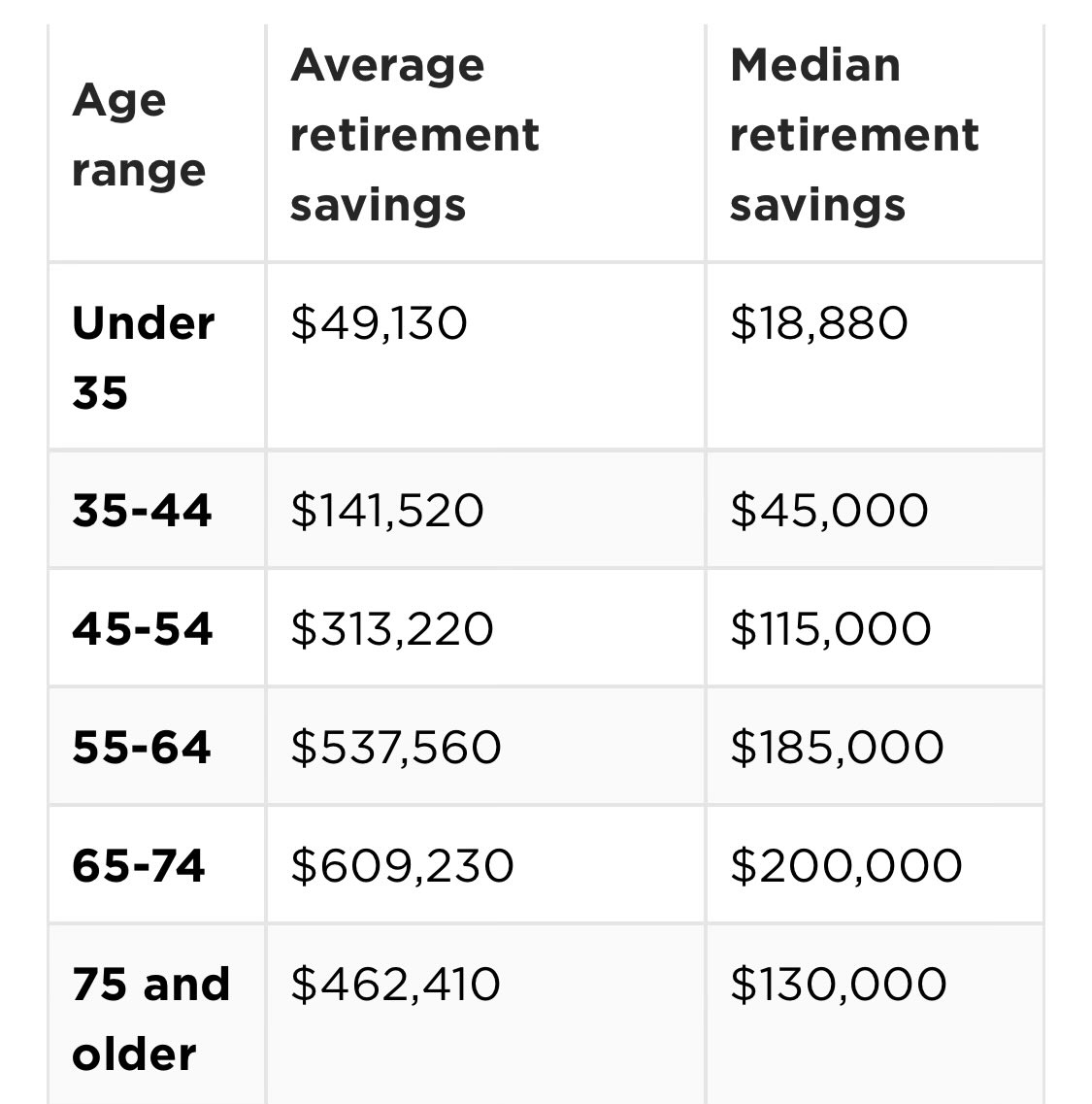
Reaching age 55 marks a significant life transition where individuals often cross into protected status categories under housing and employment laws, encounter specific financial planning milestones, and become eligible for targeted community and senior living discounts. This period serves as a critical bridge between mid-career responsibilities and retirement preparation, requiring deliberate adjustments to asset management, health monitoring, and long-term legal strategies.
As individuals navigate this decade, the focus shifts toward optimizing retirement accounts, protecting accumulated wealth, and understanding age-specific legal protections. Whether evaluating housing developments restricted to older adults or preparing for senior-specific tax adjustments, recognizing the practical implications of turning 55 helps ensure long-term stability and informed decision-making.
Legal Protections and Housing Regulations at Age 55
One of the most consequential legal milestones associated with age 55 involves housing and community living. Under the federal Fair Housing Act (FHA) and its amendments via the Housing for Older Persons Act (HOPA), communities can legally qualify as "housing for older persons" and restrict residency to individuals aged 55 and older.
To maintain this exempt status under federal guidelines, a residential community must satisfy specific operational criteria:
- At least 80 percent of the occupied units must be inhabited by at least one person who is 55 years of age or older.
- The community must publish and adhere to policies and procedures that demonstrate an intent to provide housing for persons 55 or older.
- The community must comply with age-verification procedures that regularly audit and survey occupancy records to ensure compliance with the 80 percent rule.
Beyond housing, employment protections also evolve during this phase. In many jurisdictions, individuals gain explicit protections against age discrimination in the workplace under statutes such as the Age Discrimination in Employment Act (ADEA), which protects employees aged 40 and older, while state-level regulations often introduce supplementary safeguards or specialized re-employment and training programs tailored to workers over 55.
Financial Milestones and Retirement Account Adjustments
Financially, turning 55 unlocks specific mechanisms within retirement planning that allow individuals to accelerate savings or access funds without traditional early-withdrawal penalties. Most notably, the Internal Revenue Service (IRS) provisions regarding employer-sponsored retirement plans introduce a distinct exception to the standard 10 percent early distribution penalty.
Under IRS Rule 72(t) and related plan provisions, if an individual separates from service with their employer during or after the calendar year in which they turn 55, they can take distributions directly from that specific employer’s qualified retirement plan—such as a 401(k) or 403(b)—without incurring the 10 percent early withdrawal penalty. However, this rule does not typically apply to traditional individual retirement accounts (IRAs), which generally maintain the strict 59½ age threshold unless other statutory exceptions apply.
| Account Type | Standard Penalty-Free Age | Age 55 Exception Availability | Key Operational Rules |
|---|---|---|---|
| Employer 401(k) / 403(b) | Age 59½ | Available upon separation from service | Applies only to the plan of the employer from whom the employee separated during or after the year turning 55. |
| Traditional IRA | Age 59½ | Not Available | Subject to standard 10% penalty for early withdrawals, barring specific exceptions like higher education or medical expenses. |
| Roth IRA (Contributions) | Any Age | Available Anytime | Principal contributions can be withdrawn tax-free and penalty-free at any age; earnings remain restricted. |
| Health Savings Account (HSA) | Age 65 (for non-medical) | Not Available | Non-medical withdrawals before 65 are subject to income tax plus a 20% penalty. |
Additionally, turning 55 introduces eligibility for catch-up contributions in certain savings vehicles, allowing individuals to deposit amounts exceeding standard annual contribution limits to compensate for peak earning and retirement-preparation years.
Health Insurance Management and Medicare Proliminaries
Healthcare planning undergoes a structural transformation at age 55, particularly for individuals who retire early or evaluate private insurance markets before qualifying for federal health programs. While Medicare eligibility does not begin until age 65 for most individuals, reaching 55 changes risk profiles and premium calculations across commercial insurance markets.
Individuals who leave the workforce at this stage must navigate health coverage options carefully:
- COBRA Continuation: Eligible workers can temporarily maintain their employer-sponsored group health coverage for up to 18 months, though they are typically responsible for the full premium plus an administrative fee.
- Health Insurance Marketplace: Plans available through the federal or state exchanges offer coverage based on income and age, with subsidies available depending on household financial metrics.
- Private Underwriting: Private short-term or individual health policies factor age heavily into premium pricing, making comprehensive comparative shopping essential.
Proactive health management during this decade also emphasizes preventative screenings. Medical guidelines increasingly recommend screenings for cardiovascular health, bone density, and oncological conditions, making routine primary care visits a vital component of both physical and financial risk management.
Estate Planning and Asset Protection Strategies
At age 55, estate planning transitions from basic asset accumulation to active preservation and structured distribution. Because this decade often represents peak earning years combined with significant family responsibilities—such as supporting aging parents or finishing children's education—comprehensive legal documentation becomes paramount.
Core estate planning instruments require review and potential revision during this period:
- Last Will and Testament: Ensures that asset distribution aligns with current family dynamics and long-term intentions.
- Revocable Living Trust: Helps avoid probate and provides structured management of assets if incapacitation occurs.
- Financial and Medical Powers of Attorney: Designates trusted individuals to make financial and healthcare decisions if the principal becomes unable to do so.
- Beneficiary Designations: Requires periodic auditing to ensure that retirement accounts, life insurance policies, and investment portfolios correctly reflect current wishes, overriding older will instructions if mismatched.
Lifestyle Adjustments and Senior Discount Eligibility
Entering the mid-50s brings unexpected commercial and community benefits, as many businesses, hospitality chains, and recreational organizations begin offering senior discounts and membership rates starting at age 55. Organizations such as AARP open their membership eligibility at this exact milestone, providing access to curated insurance programs, travel discounts, and financial planning resources.
Beyond commercial perks, lifestyle adjustments often involve evaluating long-term housing suitability. Many homeowners at age 55 begin downsizing, eliminating multi-level living requirements, or investing in low-maintenance properties within age-restricted communities to reduce ongoing property management burdens and free up liquid capital for retirement.
Frequently Asked Questions About Age 55
Can I withdraw money from my 401(k) penalty-free at age 55?
Yes, you can take penalty-free distributions from a current employer's 401(k) or 403(b) plan if you separate from service during or after the calendar year you turn 55. This separation-from-service rule does not apply to traditional IRAs, which generally require you to wait until age 59½ to avoid the 10 percent early withdrawal penalty.
How does housing qualify as 55-and-older under federal law?
Under the Housing for Older Persons Act, a community qualifies if at least 80 percent of its occupied units have at least one resident who is 55 or older, and the community publishes and adheres to policies demonstrating an intent to house older persons.
When does Medicare eligibility begin?
Medicare eligibility generally begins at age 65 for United States citizens and legal residents who qualify for Social Security benefits. Individuals retiring or losing employer coverage at age 55 must bridge the ten-year gap using COBRA, private insurance, or marketplace health plans.
What are catch-up contributions, and when do they start?
Catch-up contributions allow individuals above a certain age to contribute extra funds to tax-advantaged retirement accounts beyond standard limits. While traditional catch-up contributions for most retirement plans begin at age 50, specific legislative adjustments continue to refine tier limits for older workers.
Is AARP membership available at age 55?
Yes, AARP membership opens to individuals starting at age 55. Members gain access to various benefits, including discounted travel, insurance products, advocacy resources, and financial planning tools designed for adults approaching retirement.
What estate planning documents should be updated at age 55?
You should review and update your will, financial power of attorney, healthcare proxy, and living trust. Additionally, verify that all retirement account and life insurance beneficiary designations are accurate and reflect your current family and financial situation.
Planning for Long-Term Security
Reaching age 55 requires a balanced approach to legal rights, financial exemptions, and lifestyle planning. By understanding the specific rules governing employer retirement plans, housing communities, and estate preservation, individuals can make informed choices that secure their financial future and streamline their transition into retirement. Reviewing these elements proactively ensures that this decade serves as a solid foundation for the years ahead.