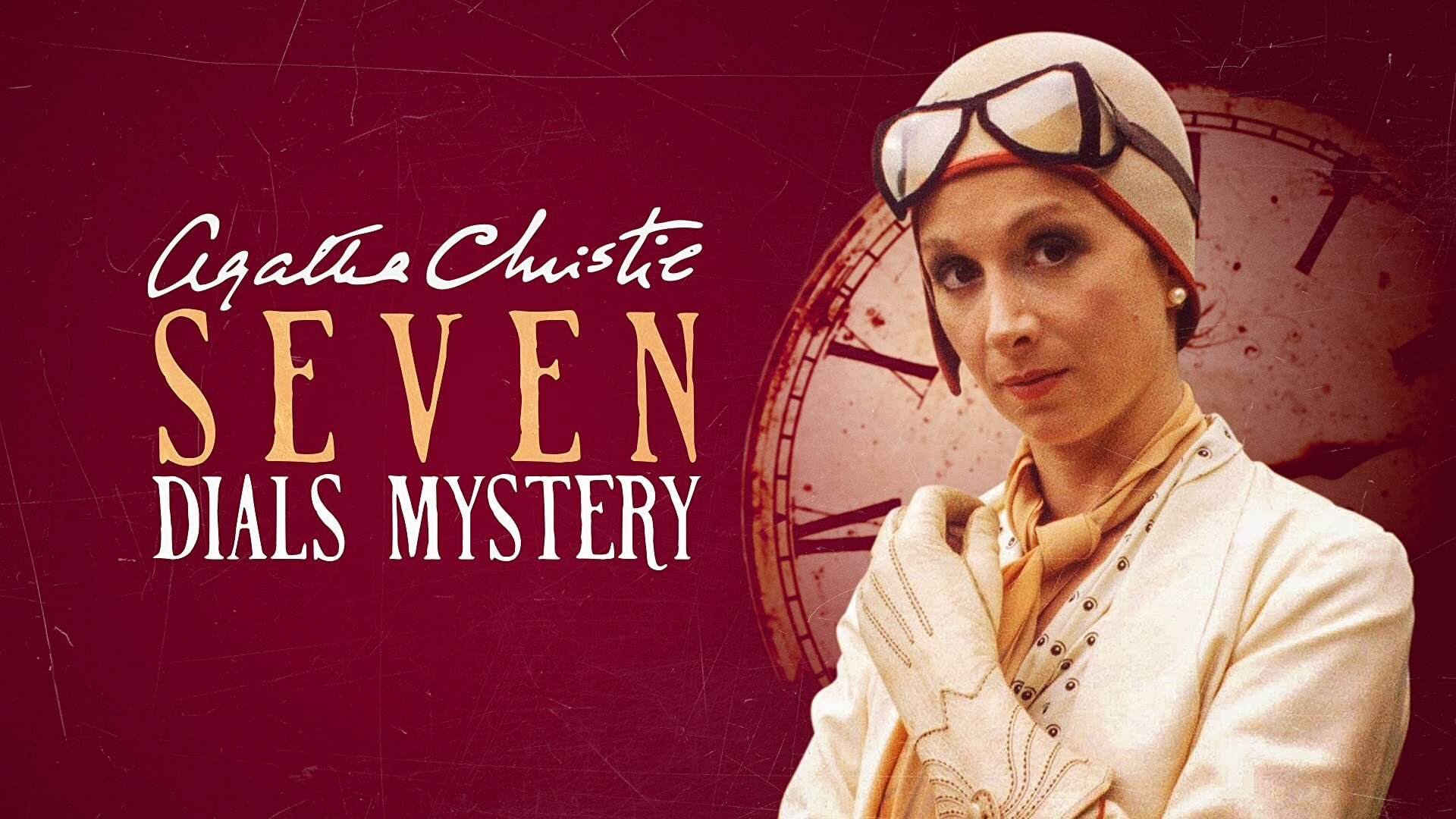
Adapting the intricate plots of the world's best-selling mystery writer for the screen presents a unique narrative challenge, balancing faithful puzzle-box construction with cinematic pacing. When discussing the definitive cinematic achievement within this canon, audiences and critics often point toward specific landmark productions that successfully capture the essence of her classic whodunits while translating written clues into visual milestones. This examination explores the structural brilliance, directorial choices, and character dynamics that define the pinnacle of Agatha Christie adaptations on film.
The Cinematic Legacy of Queen of Crime Adaptations
Translating prose from the Queen of Crime into feature-length motion pictures requires a delicate balance of fidelity and reinvention. For decades, filmmakers have attempted to capture the precise atmospheric tension, isolated settings, and meticulously timed reveals that characterize her literature. Unlike fast-paced action thrillers, a classic Christie narrative relies on psychological observation, dialogue-driven deduction, and a closed circle of suspects, each harboring hidden motives and plausible alibis.
The history of these cinematic ventures spans several distinct eras. Early adaptations often favored stage-bound theatricality, prioritizing dialogue and proscenium framing. By the mid-20th century, production companies expanded the scope, moving toward lush, location-shot spectaculars featuring star-studded ensemble casts. These high-budget productions transformed the traditional drawing-room mystery into global entertainment events, establishing enduring templates for how cinematic whodunits should look, sound, and unfold.
Structural Anatomy of the Ultimate Mystery Masterpiece
To be considered the ultimate mystery masterpiece, an adaptation must honor the foundational rules of fair-play detective fiction. Every essential clue must be presented to the viewer long before the final revelation, allowing attentive audiences an authentic opportunity to solve the crime alongside the investigator. The narrative structure typically follows a strict architectural blueprint:
- The Introduction of the Gathering: Introducing a diverse group of distinct characters, each with an established secret, flaw, or connection to the victim.
- The Inciting Incident: The sudden commission of a crime, usually occurring in an isolated environment—such as a snowbound train, a private island, or a remote country estate—that physically traps the suspects together.
- The Investigation: The methodical gathering of physical evidence, testimonies, and behavioral inconsistencies led by a brilliant detective, such as Hercule Poirot or Miss Jane Marple.
- The False Solutions: The exploration of plausible red herrings that misdirect both characters and viewers down emotionally satisfying yet incorrect paths.
- The Unraveling: The theatrical gathering in which the detective systematically dismantles every false alibi before revealing the definitive truth.
This structured progression prevents the narrative from devolving into sheer chaos. It ensures that the emotional stakes remain high while the intellectual challenge stays front and center.
Directional Choices and Visual Storytelling
Directing a complex mystery requires an invisible hand; the camera must observe without telegraphing the solution, yet leave a trail of breadcrumbs for the observant viewer. Masterful directors achieve this through deliberate framing, lingering close-ups on seemingly innocuous objects, and spatial geography that keeps track of character locations during critical time windows.
Lighting and cinematography play equally vital roles. In top-tier adaptations, the atmosphere shifts from vibrant, deceptive daylight during the initial gatherings to claustrophobic, shadow-drenched interiors during the final confrontations. Sound design reinforces the psychological tension, utilizing ticking clocks, isolated footsteps, and sparse musical scores to enhance the feeling that time is running out before the killer strikes again or escapes.
Character Dynamics and Ensemble Performance
The beating heart of any great Christie adaptation is its ensemble cast. The friction generated by bringing together arrogant aristocrats, desperate debtors, blackmailers, and secretive servants provides the dramatic engine for the narrative. Exceptional films secure actors who can deliver sharp, witty dialogue while maintaining a layer of ambiguity.
At the center of these dynamics stands the detective. Whether portrayed with fastidious eccentricity or sharp-eyed vulnerability, the investigator acts as a surrogate for the audience. The brilliance of the performance lies in walking the fine line between authority and detachment, ensuring that the detective commands the room without overshadowing the intricate mechanics of the puzzle itself.
| Adaptation Element | Standard Treatment | Masterpiece Execution |
|---|---|---|
| Clue Distribution | Scattered randomly; some details revealed only at the climax. | Fair-play planting; visible to the audience in plain sight early in the film. |
| Character Development | Flat archetypes serving as generic suspects. | Nuanced performances with distinct motivations, flaws, and emotional depth. |
| Pacing | Rushed conclusions or sluggish middle acts. | Tight narrative arc maintaining tension from the inciting incident to the final reveal. |
| Setting Integration | Generic studio backlots with minimal atmosphere. | Immersive, isolated environments that amplify claustrophobia and motive. |
Comparing Cinematic Approaches: Fidelity Versus Modern Reinterpretation
Filmmakers consistently face a choice between strict period fidelity and modern stylistic updates. While purists often advocate for exact historical recreation—down to the period-accurate costumes, vintage railway carriages, and traditional social etiquette—some modern directors prefer stylistic flourishes that appeal to contemporary sensibilities.
| Adaptation Style | Primary Strengths | Potential Drawbacks |
|---|---|---|
| Period-Faithful | Preserves original cultural context; honors literary intent; strong nostalgia appeal. | Can sometimes feel stage-bound or overly rigid for modern pacing expectations. |
| Stylized Modern | Dynamic camera work; faster pacing; appeals to broader demographic groups. | May sacrifice intricate clue logic or alter core character motivations unnecessarily. |
Ultimately, the most successful adaptations find a middle ground. They respect the intellectual integrity and period flavor of the source text while employing modern cinematic language to maintain emotional engagement and visual variety.
Common Pitfalls in Mystery Filmmaking
Even high-budget productions stumble when they misjudge what makes these stories endure. A frequent error is prioritizing style over substance, utilizing excessive visual effects or frantic editing that obscures essential clues. When the audience cannot track the physical movement of characters or examine the evidence clearly, the mystery ceases to be a fair intellectual puzzle and becomes an arbitrary guessing game.
Another common pitfall is altering the identity of the perpetrator simply to surprise readers who already know the book. Such changes often rupture the internal logic of the narrative, rendering previous clues nonsensical. Respecting the structural integrity of the original mystery remains paramount for long-term critical acclaim.
Evaluating Long-Term Cultural Impact
The enduring appeal of these cinematic milestones lies in their ability to offer comfort, intellectual stimulation, and theatrical drama all at once. In an era dominated by high-octane spectacle and ambiguous serialized television, the self-contained, elegantly constructed whodunit offers a satisfying narrative arc where order is successfully restored from chaos.
When a film adapts this material with precision, it transcends mere nostalgia. It demonstrates that airtight plotting, razor-sharp dialogue, and deep psychological observation remain timeless cinematic virtues.
What makes a cinematic Agatha Christie adaptation successful?
A successful adaptation maintains the fair-play structure of the original literature while utilizing visual storytelling, atmospheric tension, and strong ensemble performances to engage the audience intellectually and emotionally.
How do filmmakers handle the challenge of the final reveal?
Directors typically stage the final revelation as a theatrical set piece, gathering all suspects in one room to allow the detective to methodically dismantle alibis and expose the truth through a combination of flashback sequences and sharp dialogue.
Why are isolated settings so common in these stories?
Isolated settings, such as trains, islands, or country houses, create a closed ecosystem that physically traps the suspects together, intensifying psychological pressure and ensuring the killer cannot escape before justice is served.
Are modern adaptations better than classic interpretations?
Neither style is inherently superior; period-faithful adaptations excel at preserving historical context and literary integrity, while modern reinterpretations offer dynamic pacing and stylistic visual flair.
Can viewers solve the mystery alongside the film detective?
Yes, if the adaptation adheres to fair-play mystery rules by presenting all physical clues and character motivations to the audience clearly before the final unmasking takes place.
Achieving Mastery in Mystery Adaptation
For creators and enthusiasts analyzing the genre, the ultimate takeaway is that narrative discipline matters above all else. Respecting the intelligence of the audience, maintaining strict adherence to internal logic, and executing performances with precision ensure that these classic puzzle boxes remain as compelling on screen as they are on the printed page. By balancing atmospheric depth with rigorous plotting, filmmakers can consistently deliver enduring cinematic masterpieces that honor the legacy of the world's most famous mystery writer.