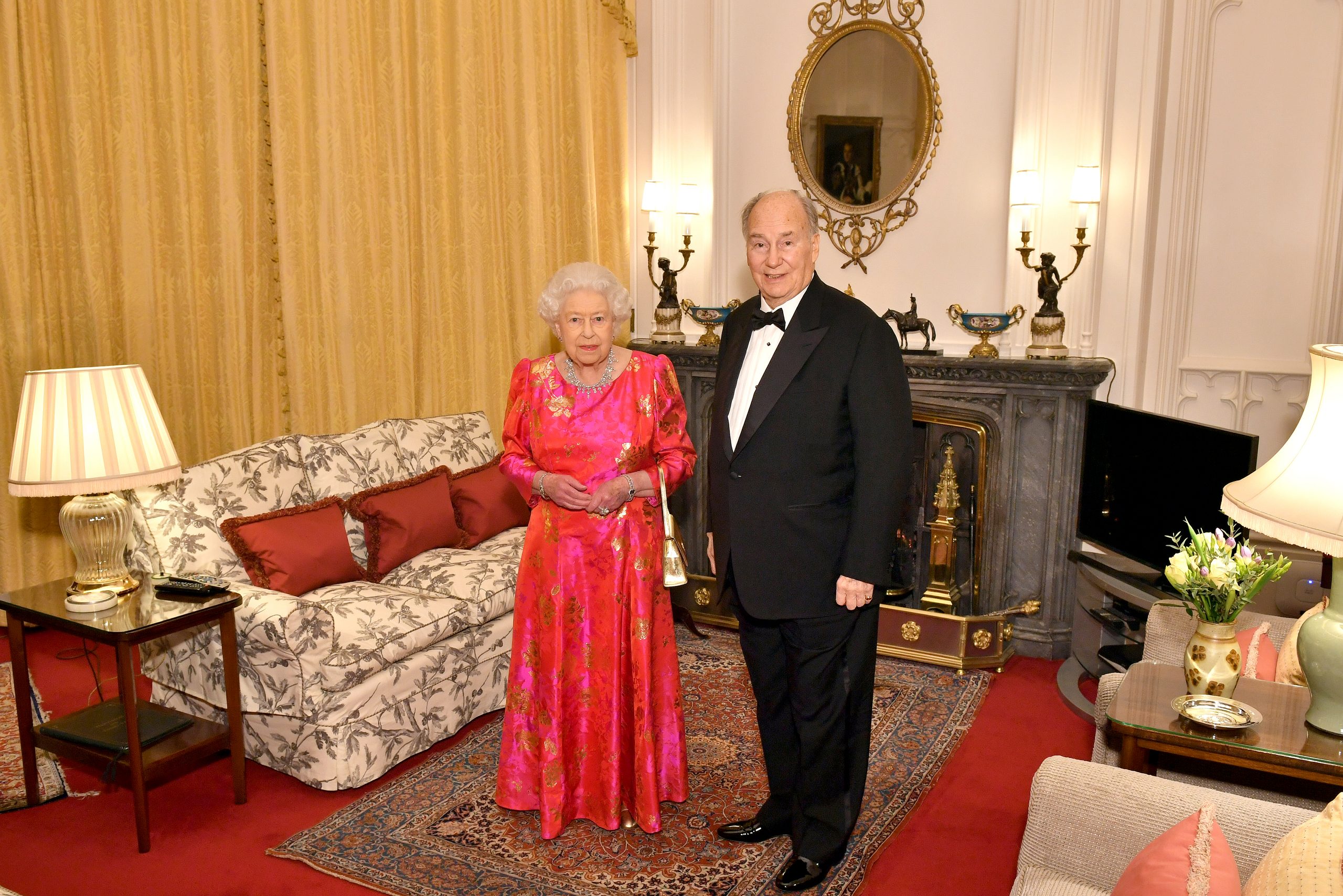
The Aga Khan possesses an estimated net worth spanning billions of dollars, though evaluating his exact personal fortune remains complex due to the unique intersection of private wealth, public institutional assets, and hereditary religious holdings. As the 49th hereditary Imam of the Shia Ismaili Muslims, his financial standing reflects centuries of communal stewardship, global philanthropic investments, and real estate holdings rather than conventional corporate billionaire wealth.
Understanding the Hereditary Role and Financial Foundation
The financial ecosystem surrounding the Aga Khan is fundamentally tied to his spiritual leadership of the global Ismaili community, comprising an estimated 15 million adherents worldwide. Unlike traditional monarchs who derive wealth from state treasuries, or contemporary tech moguls whose fortunes are tied to publicly traded corporate shares, the Imam's financial position is defined by fiduciary responsibilities toward communal institutions. The office of the Imamat functions as a multi-layered entity that manages religious, cultural, social, and economic development initiatives across Central Asia, South Asia, East Africa, and Western nations.
Historically, the wealth associated with the Aga Khan Imamat evolved from traditional tithes and offerings provided by followers into structured international development funds. These financial inflows are channeled directly back into philanthropic ventures through the Aga Khan Development Network (AKDN). Consequently, separating personal assets from institutional capital requires understanding that much of the visible fortune—including vast real estate holdings, hospitals, schools, and industrial enterprises—belongs to communal development agencies rather than the private bank accounts of the individual.
Evaluating the Estimated Fortune and Asset Classes
Estimating the net worth of the Aga Khan has long been a subject of speculation for financial publications such as Forbes and Bloomberg, with historical estimates ranging widely from $1 billion to upwards of $13 billion. These fluctuations occur because analysts frequently conflate the total valuation of AKDN assets with personal net worth. The actual personal fortune encompasses several distinct categories, ranging from inherited properties to specialized investments.
The primary components of the Aga Khan’s financial profile include:
- Real Estate Holdings: Historic properties, private islands, and residential estates located in Europe, North America, and Asia.
- Thoroughbred Breeding and Racing Operations: A globally renowned enterprise involving elite stud farms in France and Ireland, alongside high-stakes racing stables.
- Private Aviation and Yachting: Luxury transport assets traditionally associated with global travel for religious and diplomatic duties.
- Art Collections and Cultural Artifacts: Extensive collections of Islamic art, manuscripts, and historical antiquities, some of which are displayed in international museums.
| Asset Category | Description & Management | Estimated Valuation Impact |
|---|---|---|
| Philanthropic Network (AKDN) | Global development agencies, hospitals, and universities. | Multi-billion dollar institutional asset base (not personal wealth). |
| Thoroughbred Enterprise | Aga Khan Studs in France and Ireland, elite bloodstock. | Substantial commercial enterprise with high annual operational turnover. |
| Real Estate & Estates | Aiglemont estate in France, properties in Geneva and Kenya. | Significant real estate equity spanning multiple jurisdictions. |
| Art & Cultural Holdings | Rare Islamic manuscripts, jewels, and antiquities. | High intrinsic and historical value, largely preserved for heritage purposes. |
The Thoroughbred Racing Legacy and Commercial Enterprises
One of the most tangible and publicly measurable aspects of the Aga Khan’s financial portfolio is his involvement in thoroughbred horse racing and breeding. Inherited from his grandfather, Sir Sultan Mahomed Shah Aga Khan III, the operation is managed through the Aga Khan Studs. This enterprise spans prominent breeding establishments in France, such as the Haras de Bonneval, and operations in Ireland.
The business model of the Aga Khan Studs combines elite sport with commercial bloodstock sales. Over the decades, the stables have produced numerous Prix de l'Arc de Triomphe winners and classic champions, establishing a bloodline that commands significant international market value. While the racing stable operates as a high-end commercial enterprise, it also functions as a self-sustaining entity that funds its own operations through the sale of yearlings and breeding rights at major European auctions.
Philanthropic Stewardship and the Aga Khan Development Network
The philanthropic footprint of the Imamat is executed primarily through the Aga Khan Development Network (AKDN), which operates in over 30 countries. The network employs more than 80,000 people, predominantly in developing nations, making it one of the largest private development agencies in the world. Its financial architecture relies on a mix of endowments, grants, commercial investments, and contributions from the Ismaili community.
Unlike standard corporate conglomerates, AKDN's commercial arm—the Aga Khan Fund for Economic Development (AKFED)—invests in under-resourced regions to stimulate local economies. AKFED holds stakes in media outlets, banks, aviation companies, and industrial projects in Africa and Central Asia. Any financial returns generated by these commercial enterprises are reinvested directly into social development programs, including healthcare facilities, educational institutions, and rural infrastructure projects, reinforcing the separation between personal enrichment and communal trusteeship.
Lifestyle, Residences, and Global Mobility
The lifestyle associated with the Aga Khan is characterized by elite global mobility, diplomatic status, and residence in historic properties. His primary administrative headquarters and residence is the Aiglemont estate in Gouvieux, France, located north of Paris. This sprawling property serves as the nerve center for both the Imamat and various international administrative functions.
In addition to the French estate, historical residences and operational bases have been maintained in Geneva, Switzerland, and Lisbon, Portugal, reflecting the international scope of Ismaili leadership. Despite the presence of luxury assets such as private aircraft and yachts—utilized primarily to facilitate demanding international travel schedules across multiple time zones—the lifestyle is heavily constrained by protocol, diplomatic responsibilities, and an intensive schedule of engagement with heads of state, international organizations, and community congregations.
Frequently Asked Questions
What is the actual personal net worth of the Aga Khan?
Financial analysts find it challenging to assign an exact figure to the Aga Khan's personal net worth because his wealth is largely bound to institutional trusts, communal endowments, and heritage properties. While tabloid and financial estimates frequently cite figures between $1 billion and several billion dollars, much of this total represents the valuation of development network assets rather than liquid personal wealth.
How does the Aga Khan fund his lifestyle and institutions?
The Imamat is funded through a combination of traditional communal contributions, returns from commercial investments managed by the Aga Khan Fund for Economic Development, and historic family assets. These funds support both the personal administration of the Imam and the expansive philanthropic operations of the global network.
What is the Aga Khan Development Network (AKDN)?
The Aga Khan Development Network is a group of private, international development agencies founded by the Aga Khan to improve living conditions and opportunities in marginalized regions of the developing world. It operates extensively in health, education, culture, rural development, and economic institution-building without political or denominational affiliation.
What role do the Aga Khan Studs play in his financial portfolio?
The Aga Khan Studs represent a premier thoroughbred breeding and racing operation in Europe. While it is a high-profile commercial enterprise that generates revenue through bloodstock sales and racing prizes, it functions primarily as a self-sustaining legacy enterprise rather than a primary source of personal income.
Does the Aga Khan hold official political power?
The Aga Khan holds no official secular territory or political office. His authority is strictly spiritual and moral as the hereditary Imam of the Shia Ismaili Muslims, though he is accorded diplomatic status by numerous nations in recognition of his global humanitarian and development work.
Strategic Financial Management and Future Outlook
Evaluating the financial trajectory of the Aga Khan requires looking beyond traditional wealth metrics. The continuity of the Imamat relies on institutional resilience, transparent governance, and strategic asset management designed to withstand global economic shifts. As geopolitical and economic landscapes evolve, the focus of the institution remains anchored in sustainable development, poverty alleviation, and educational advancement, ensuring that the legacy of the Imamat continues to prioritize communal welfare and international philanthropy over private capital accumulation.