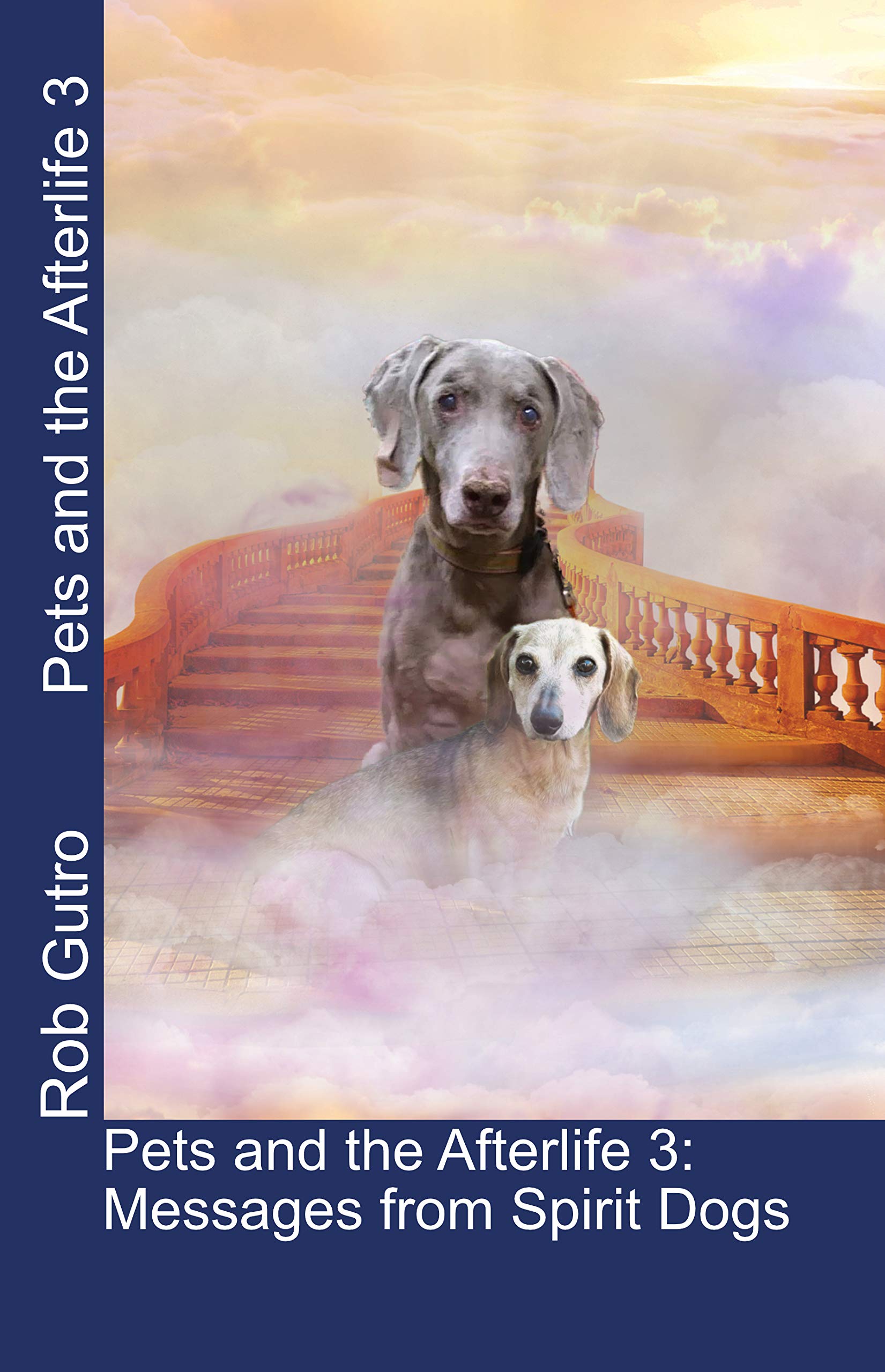
The concept of afterlife pets encompasses the spiritual beliefs, cultural traditions, and psychological frameworks surrounding the continuation of the human-animal bond beyond physical death. This phenomenon addresses how individuals cope with pet loss by imagining their deceased companions existing in an afterlife, realm of spirits, or symbolic space of memory and continued presence.
The loss of a companion animal often triggers profound grief that parallels the loss of a human family member. Because society has historically marginalized disenfranchised grief related to pet loss, individuals frequently turn to personal spiritual beliefs, cultural folklore, and specialized support communities to find comfort. The idea that animals possess souls or spirits capable of transitioning to an afterlife provides a vital psychological coping mechanism for millions of pet owners worldwide. Exploring this concept involves examining historical perspectives, psychological impacts, cultural traditions, and practical ways people honor their animals while navigating bereavement.
Historical and Cultural Perspectives on Animals After Death
Throughout history, human civilizations have held diverse beliefs regarding the spiritual status of animals and their existence following physical demise. Ancient cultures frequently buried pets alongside their owners, providing grave goods such as food, collars, and toys to assist the animal in navigating the journey to the next world.
In ancient Egypt, pets were viewed not merely as property but as sacred manifestations of divine energy. Domesticated cats, dogs, and baboons were often mummified and entombed to accompany their masters or to honor deities associated with specific animals. Similarly, indigenous traditions across various continents often incorporated the belief that all living creatures share a fundamental life force or spirit, ensuring that animals possess an afterlife distinct from or intertwined with human existence.
Conversely, mainstream Western philosophical and theological traditions have historically debated animal consciousness and the presence of an immortal soul. Classical Greek philosophy presented mixed views, while medieval Christian theology traditionally maintained that animals lacked the rational souls attributed to humans. However, modern theological shifts and contemporary religious thought increasingly embrace the compassion of a higher power that welcomes all creation into a state of peace and renewal. These evolving viewpoints validate the intuitive conviction of pet owners who sense that their animal companions continue to exist in a spiritual dimension.
Psychological Dimensions of the Human-Animal Bond in Bereavement
The depth of attachment between humans and their companion animals is well-documented in psychological literature. Pets provide unconditional positive regard, emotional stability, and daily companionship, which profoundly influences human mental health. Consequently, the death of a pet disrupts daily routines, emotional safety nets, and attachment bonds.
When individuals conceptualize afterlife pets, they engage in a natural grief-processing mechanism. Imagining an animal playing in a peaceful realm, often referred colloquially in popular culture as the Rainbow Bridge, serves several psychological functions:
- Mitigating Finality: The visualization of an afterlife softens the absolute finality of physical death, allowing the grieving individual to maintain a symbolic relationship with the pet.
- Reducing Guilt: Owners struggling with end-of-life decisions, such as euthanasia, often find solace in the belief that their pet is now free from pain and understands the motivations behind human choices.
- Structuring Grief: Narrative frameworks give shape to unstructured sorrow, offering a mental landscape where the owner can direct thoughts of affection, longing, and gratitude.
Psychologists note continuing bonds theory, which suggests that maintaining an ongoing internal relationship with a deceased loved one—human or animal—is a healthy component of adaptation rather than pathological denial. Believing in afterlife pets allows owners to integrate the memory of their companion into their ongoing life narrative.
Comparative Belief Systems Regarding Animals and the Spirit Realm
Different religious and philosophical traditions offer distinct interpretations of what happens to animals after death. Understanding these perspectives helps individuals align their personal grief with a supportive worldview.
| Tradition / Belief System | Core View on Animals and the Afterlife | Primary Source of Comfort for Owners |
|---|---|---|
| Indigenous Animism | All living beings possess spirits; animals and humans share interconnected spiritual realms. | The assurance that the animal's life force returns to a natural, harmonious cycle. |
| Eastern Traditions (Buddhism/Hinduism) | Animals possess sentience and cycle through reincarnation based on karma, eventually progressing toward liberation. | The belief that the pet's soul continues its evolutionary journey into future existences. |
| Modern Christian/Interfaith Thought | God's creation encompasses all living things; divine mercy and love extend to animals. | The hope of a loving reunion in a transcendent state of eternal peace. |
| Secular and Humanist Memory | While no supernatural afterlife is posited, energy and matter transform, and memory remains permanent. | The profound impact of the pet's life imprinted upon human history and emotional legacy. |
These diverse perspectives demonstrate that the human desire to conceptualize an afterlife for pets transcends rigid dogmatic boundaries, rooting itself instead in universal empathy and affection.
Practical Ways to Honor and Remember Deceased Pets
While spiritual concepts of an afterlife provide internal solace, physical and creative rituals help anchor grief in the tangible world. Engaging in memorialization allows owners to honor the bond they shared with their animal companions actively.
Memorial practices often begin immediately following the loss, through communal or private arrangements for cremation and burial. Beyond these initial steps, individuals frequently create dedicated memorial spaces within their homes. Placing framed photographs, paw print impressions, favorite toys, and urns on a dedicated shelf establishes a physical focal point for remembrance.
Other tangible methods of honoring afterlife pets include planting memorial gardens with perennial flowers, commissioning custom artwork or portraits, and making charitable donations to animal shelters in the pet's name. Engaging in these acts transforms passive grief into active commemoration, reinforcing the enduring value of the animal's life.
Navigating Disenfranchised Grief and Finding Support
Society historically trivialized the grief associated with losing a pet, labeling it as a minor inconvenience rather than a significant bereavement. This social invalidation is known as disenfranchised grief—grief that is experienced but not openly acknowledged, socially supported, or publicly mourned.
Fortunately, public awareness has shifted significantly. Specialized pet loss support groups, licensed grief counselors, and veterinary social workers now provide dedicated resources for individuals struggling with the death of an animal. Recognizing that the pain of losing a companion animal is entirely valid is the first step toward healing. Connecting with peers who share similar beliefs regarding afterlife pets creates a community of empathy, reducing the isolation that frequently accompanies bereavement.
Managing the Transition and Next Steps After Loss
For individuals seeking to move forward after the loss of a pet, the journey involves balancing cherished memories with gradual emotional renewal. Rushing into adopting a new pet can sometimes complicate the grieving process if the owner expects the new animal to replace the unique personality of the deceased companion. Conversely, waiting until emotional readiness is achieved ensures that a new animal is welcomed for its own distinct qualities.
Reflecting on the love shared with an afterlife pet provides a foundation of resilience. By acknowledging the pain, honoring the memory through personal rituals or spiritual frameworks, and utilizing professional or community support resources, individuals can successfully navigate the complexities of pet bereavement and preserve the positive legacy of their animal companions.