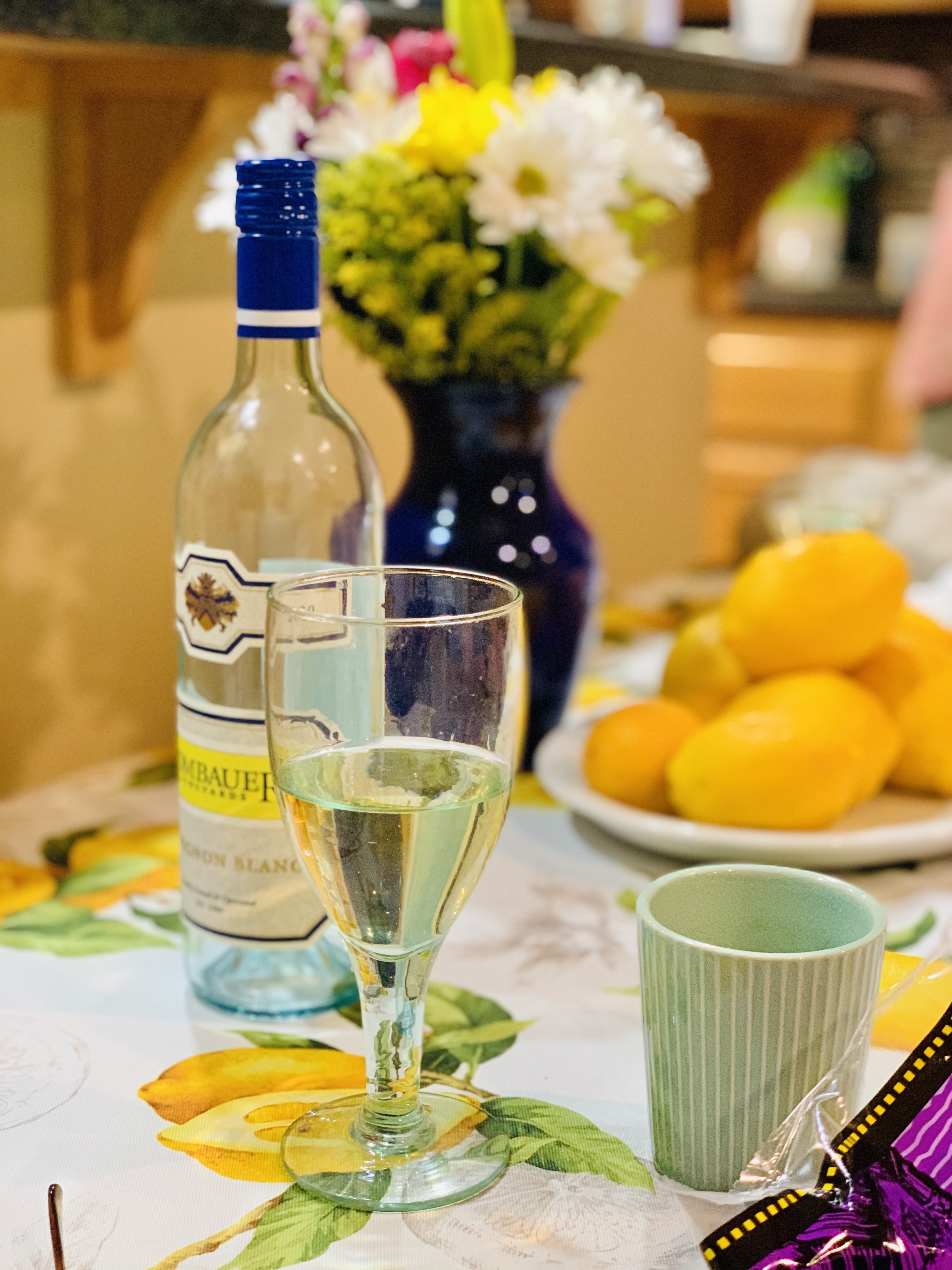
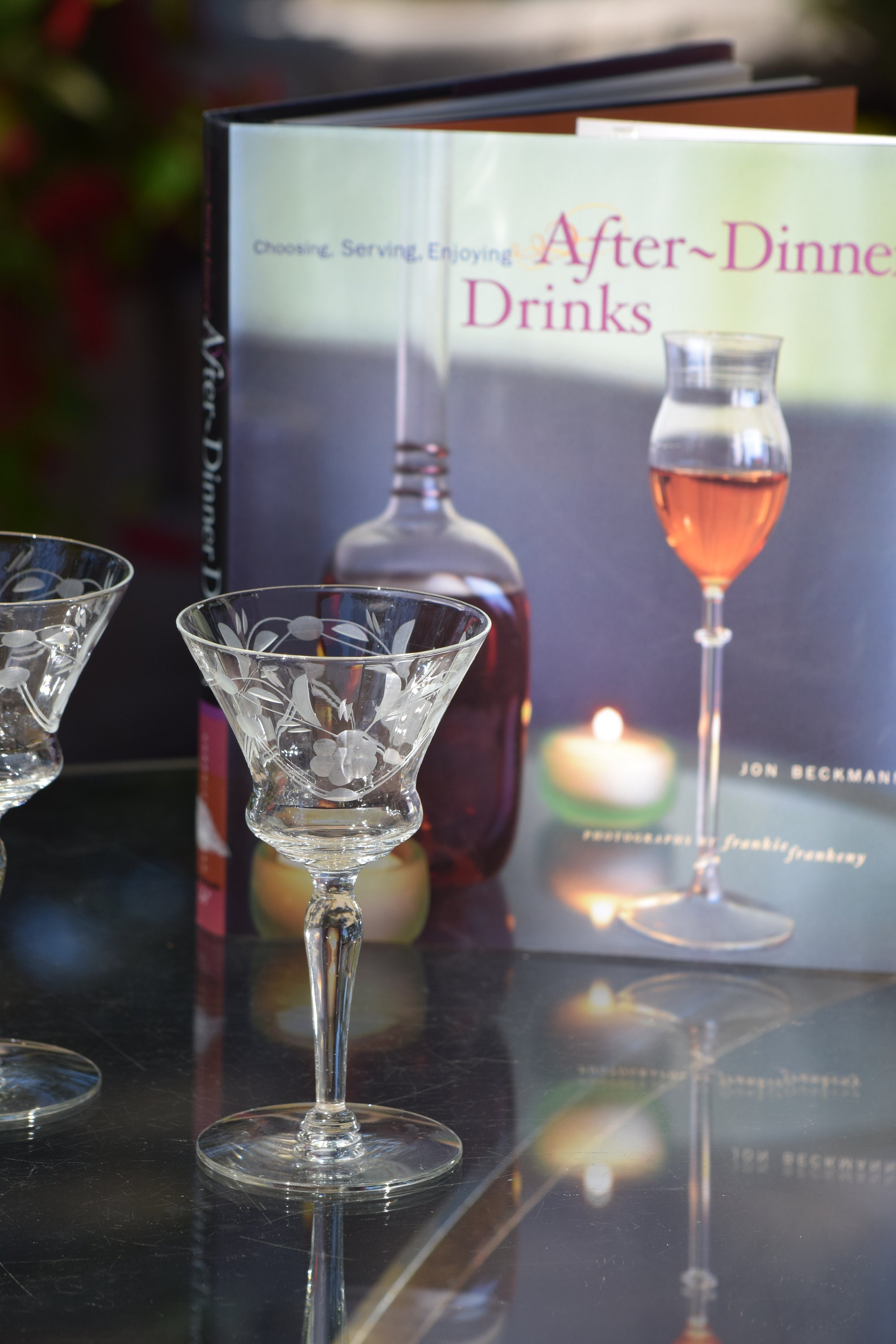
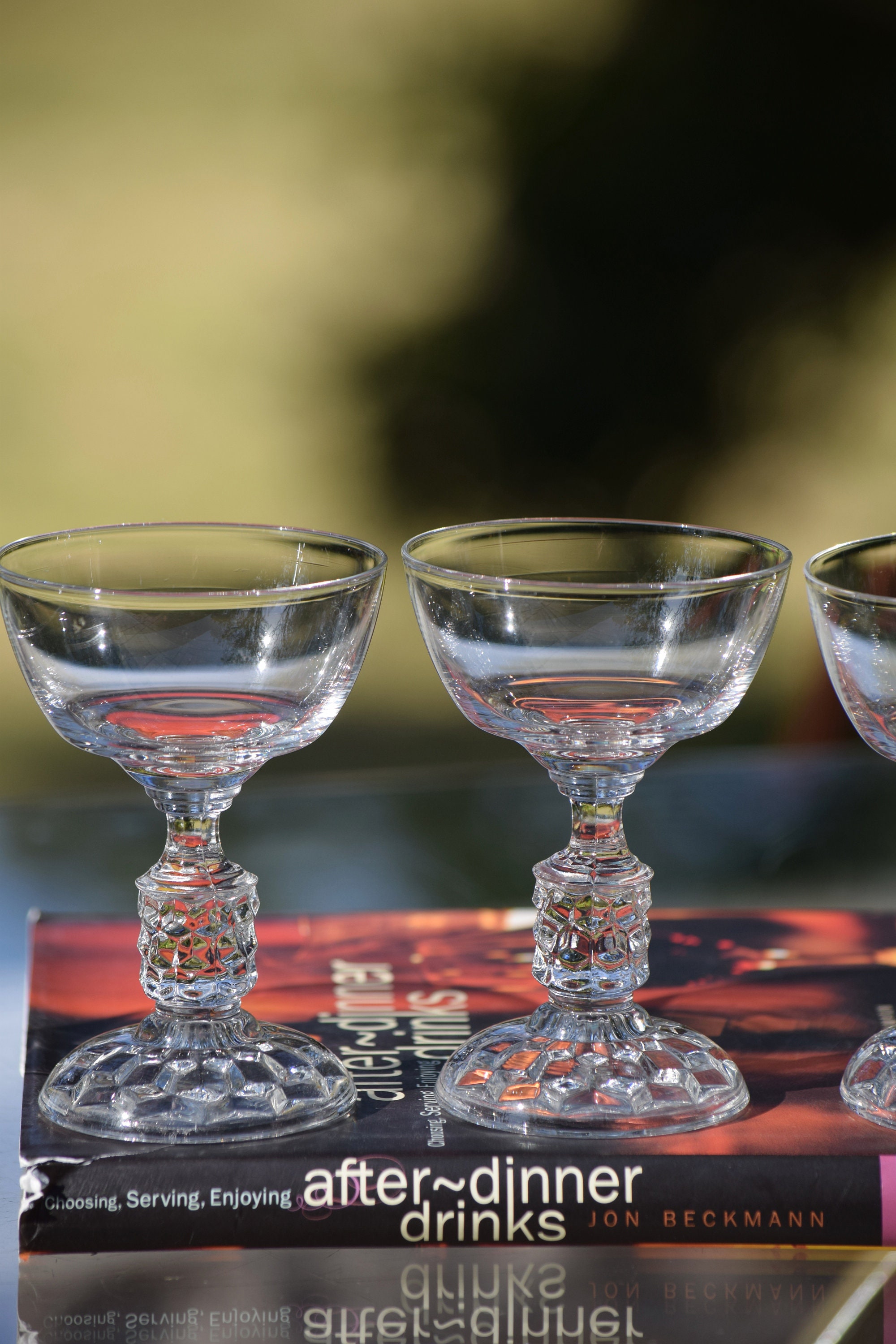
After dinner drinks are specialized beverages served at the conclusion of a meal to aid digestion, provide a sensory transition, and offer a moment of relaxed reflection. These post-meal selections typically include robust digestifs, herbal infusions, rich cream liqueurs, and fortified wines crafted to balance the palate after heavy food.
The tradition of consuming a beverage at the end of a meal spans centuries and cuts across diverse global cultures. Far from being an arbitrary indulgence, the ritual of the digestif has a functional root in gastronomy. As heavy proteins, rich fats, and complex carbohydrates are metabolized, the human digestive system often benefits from compounds that stimulate gastric secretions. Historically, herbalists and monks infused spirits with roots, seeds, and barks to harness medicinal properties, laying the groundwork for the complex amaros, vermouths, and herbal liqueurs enjoyed today. Understanding the categories, preparation methods, and service styles of these post-meal libations transforms a simple evening routine into a sophisticated culinary experience.
Categorizing Post-Meal Beverages: Digestifs Versus Liqueurs
To navigate the world of post-meal drinking, one must first distinguish between digestifs and general liqueurs. Digestifs are typically dry, bitter, or high-proof spirits designed explicitly to stimulate digestion. They contain botanical extracts, roots, and herbs that encourage the production of stomach acid. Liqueurs, by contrast, are sweetened spirits flavored with fruits, nuts, herbs, or spices, often carrying a higher sugar content that makes them feel more dessert-like.
Amaro is perhaps the most famous category of Italian digestif. Ranging from bittersweet to intensely bitter, amaros are produced by macerating herbs, roots, flowers, bark, and citrus peels in a neutral spirit or wine, then aging the mixture in casks. Well-known styles include Fernet, which leans heavily toward menthol and bitter roots, and milder styles like Amaro Montenegro, which offers citrus and floral notes.
Brandy and Cognac occupy another major sector of the after-dinner landscape. Distilled from wine or fermented fruit juice, aged brandies offer warmth and rich complexity derived from oak barrels. Cognac, specifically produced in the Cognac region of France under strict appellation rules, provides notes of dried fruit, vanilla, and spice that linger on the palate long after the final bite of dessert has faded.
Fortified and Sweet Wines for the Evening Finale
When spirits prove too potent for the conclusion of an evening, fortified wines offer a harmonious alternative. These wines are strengthened with a distilled spirit—usually grape brandy—to halt fermentation, leaving natural residual sugars and a higher alcohol content than table wine.
Port wine, originating from the Douro Valley of Portugal, is a cornerstone of the dessert-adjacent drinking experience. Styles range from Ruby Port, bursting with fresh red fruit and vibrant tannins, to Tawny Port, which spends years in wooden casks, developing luxurious notes of caramel, roasted nuts, and dried fig. Vintage ports require careful decanting due to sediment but reward patience with profound depth and complexity.
Sherry, particularly styles like Oloroso, Pedro Ximénez, and Cream Sherry from the Jerez region of Spain, provides another exceptional option. Pedro Ximénez sherry, made from sun-dried grapes, yields an intensely sweet, viscous profile redolent of dark chocolate, molasses, and raisins. Pouring a small measure of Pedro Ximénez over vanilla ice cream exemplifies the seamless bridge between liquid refreshment and dessert.
Classic After Dinner Drinks Compared
| Category | Primary Ingredients / Base | Flavor Profile | Typical Serving Style | Examples |
|---|---|---|---|---|
| Amaro | Herbs, roots, bark, neutral spirit | Bittersweet, earthy, medicinal | Neat at room temperature or chilled with ice | Fernet-Branca, Montenegro, Averna |
| Cognac / Brandy | Distilled grapes or fruit wine | Oak, dried fruit, vanilla, spice | Snifter at room temperature, sometimes gently warmed | Hennessy, Rémy Martin, Calvados |
| Tawny Port | Fortified wine aged in wood | Caramel, nuts, dried fig, leather | Chilled or cellar temperature in a small wine glass | Taylor Fladgate, Graham’s, Sandeman |
| Cream Liqueur | Spirit, dairy cream, sugar, flavorings | Rich, sweet, chocolate, vanilla | Over ice or shaken in dessert cocktails | Baileys, Amarula, Carolans |
| Digestif Liqueur | Proprietary herbs, spices, alcohol | Complex, sweet-bitter, aromatic | Neat or as a base for classic cocktails like the Black Manhattan | Chartreuse, Bénédictine, Cynar |
Modern Interpretations and Cocktail Culture
While traditionalists prefer their post-meal selections neat, modern mixology has elevated after dinner drinks through sophisticated cocktails designed for the late evening. The Espresso Martini stands as a prominent example, combining vodka, coffee liqueur, freshly brewed espresso, and a touch of simple syrup. This beverage balances the stimulating properties of caffeine with the rich sweetness of coffee, serving as a popular bridge between a heavy meal and a lively night out.
Another enduring classic is the Black Manhattan, which substitutes traditional sweet vermouth for an amaro like Averna, mixed with rye whiskey and aromatic bitters. This variation deepens the cocktail profile, introducing notes of caramel, orange peel, and gentle bitterness that complement a cheese course or dark chocolate truffles. For those seeking lower alcohol content, spritz-style digestifs made with amaro, club soda, and a citrus twist offer a refreshing, effervescent conclusion to an overly rich dining experience.
Temperature, Glassware, and Service Rituals
The physical presentation of post-meal libations significantly influences the tasting experience. Unlike crisp white wines meant to be served near-freezing, many digestifs and aged spirits reveal their intricate aromatic compounds best when served at room temperature or slightly chilled.
Glassware selection varies by beverage type:
- Snifters and Glencairn glasses: Ideal for aged brandies, single malt scotches, and dark rums, as their bulbous shapes concentrate ethanol vapors and direct delicate aromatics toward the nose.
- Copita or small tulip glasses: Best suited for sherries and fortified wines, concentrating the bouquet while allowing controlled swirling.
- Heavy-bottomed rocks glasses: Perfect for herbal liqueurs served over a single large ice cube, which slowly dilutes the spirit and opens up botanical flavors.
Pouring modest quantities—typically two ounces for spirits and three ounces for fortified wines—ensures that the beverage remains at an optimal temperature throughout consumption and prevents palate fatigue at the end of a long evening.
Practical Guidance for Curating a Home Selection
Building a versatile collection of post-meal options for home entertaining does not require an exhaustive cellar. Starting with three distinct styles provides adequate coverage for diverse guest preferences: one herbal amaro for guests seeking traditional digestion aid, one aged brandy or whisky for those who appreciate oak and warmth, and one sweet fortified wine or cream liqueur to pair with dessert.
Storage conditions remain straightforward for most after-dinner selections. High-proof spirits and aged brandies keep indefinitely in upright bottles away from direct sunlight and extreme temperature fluctuations. Fortified wines, once opened, benefit from refrigeration and consumption within a few weeks to preserve their delicate fruit notes. Amaros and herbal liqueurs generally remain stable for months after opening, though their complex botanical brightness may soften over time.
Frequently Asked Questions
What makes an after dinner drink different from a regular cocktail?
After dinner drinks are specifically formulated or selected to follow a meal, focusing on digestive aids, bitter botanicals, rich cream bases, or high-proof aged spirits that help settle the stomach and provide a sensory transition away from food. Regular cocktails are often lighter, more acidic, or designed to stimulate the appetite before a meal.
Do after dinner drinks actually help with digestion?
Yes, many traditional digestifs contain bitter compounds, herbs, and roots that stimulate the production of gastric juices and saliva, which can physically assist the body in breaking down heavy proteins and fats consumed during a large meal.
Should digestifs be served chilled or at room temperature?
Service temperature depends on the specific beverage. Most complex amaros and aged spirits are best enjoyed at room temperature or slightly cool, while certain herbal liqueurs and cream-based drinks benefit from refrigeration or being poured over ice to soften their alcohol edge.
Can fortified wines replace spirits at the end of a meal?
Fortified wines like Port, Sherry, and Madeira serve as excellent alternatives to high-proof spirits. They offer lower alcohol content combined with rich, complex sweetness that pairs naturally with chocolate, cheeses, and fruit-based desserts.
How long do opened bottles of amaro and fortified wine last?
High-proof spirits and amaros can last for years if sealed properly. However, fortified wines like Port and Sherry begin to oxidize once opened and should be stored in the refrigerator and consumed within two to four weeks for optimal flavor retention.
Curating a thoughtful collection of post-meal beverages elevates hosting and provides guests with a memorable, palate-cleansing conclusion to any gathering. Focus on stocking a balanced mix of bitter amaros, aged spirits, and sweet fortified wines to accommodate every preference, and pay attention to proper glassware and serving temperatures to unlock the full complexity of each selection.