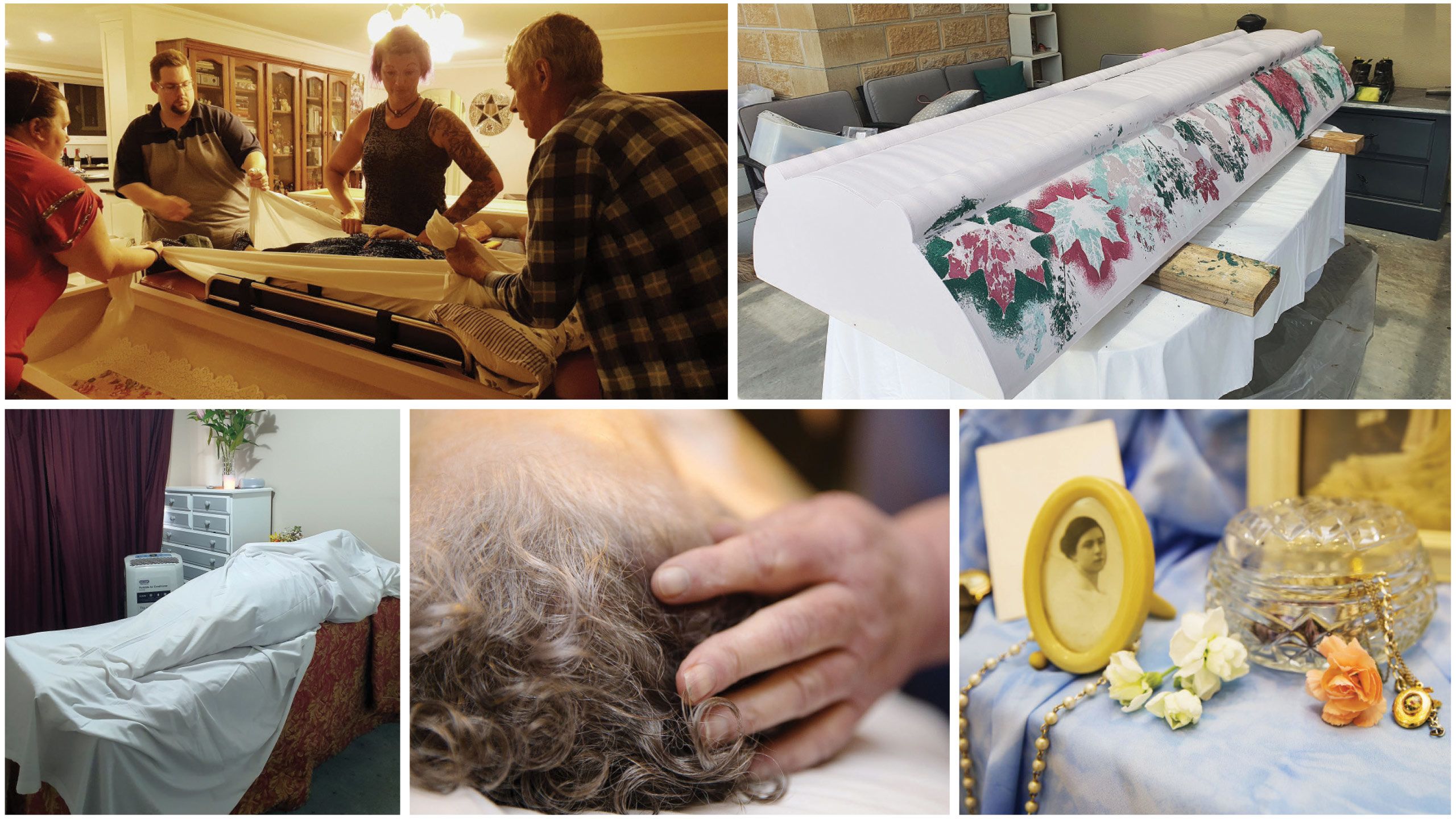
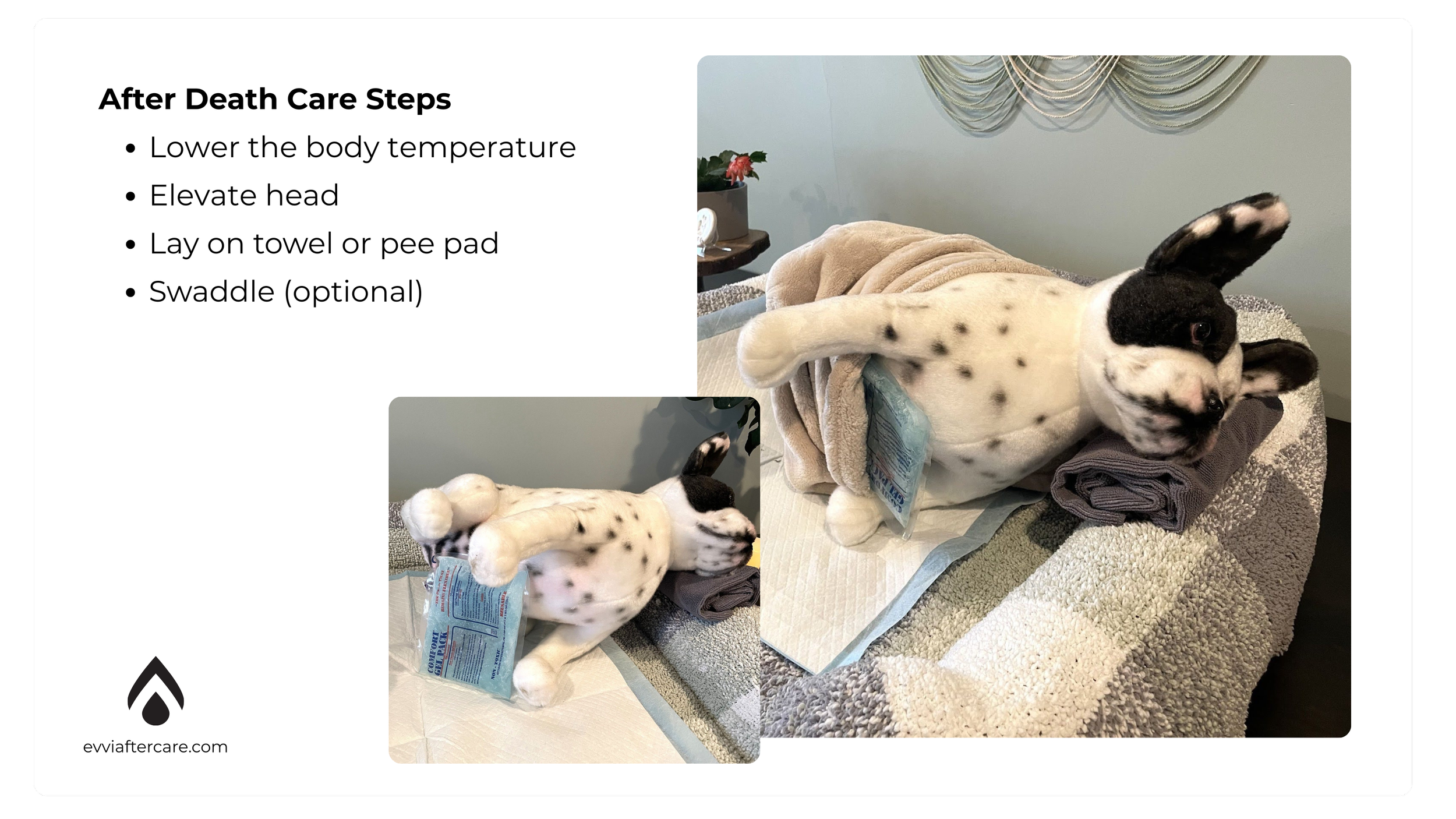
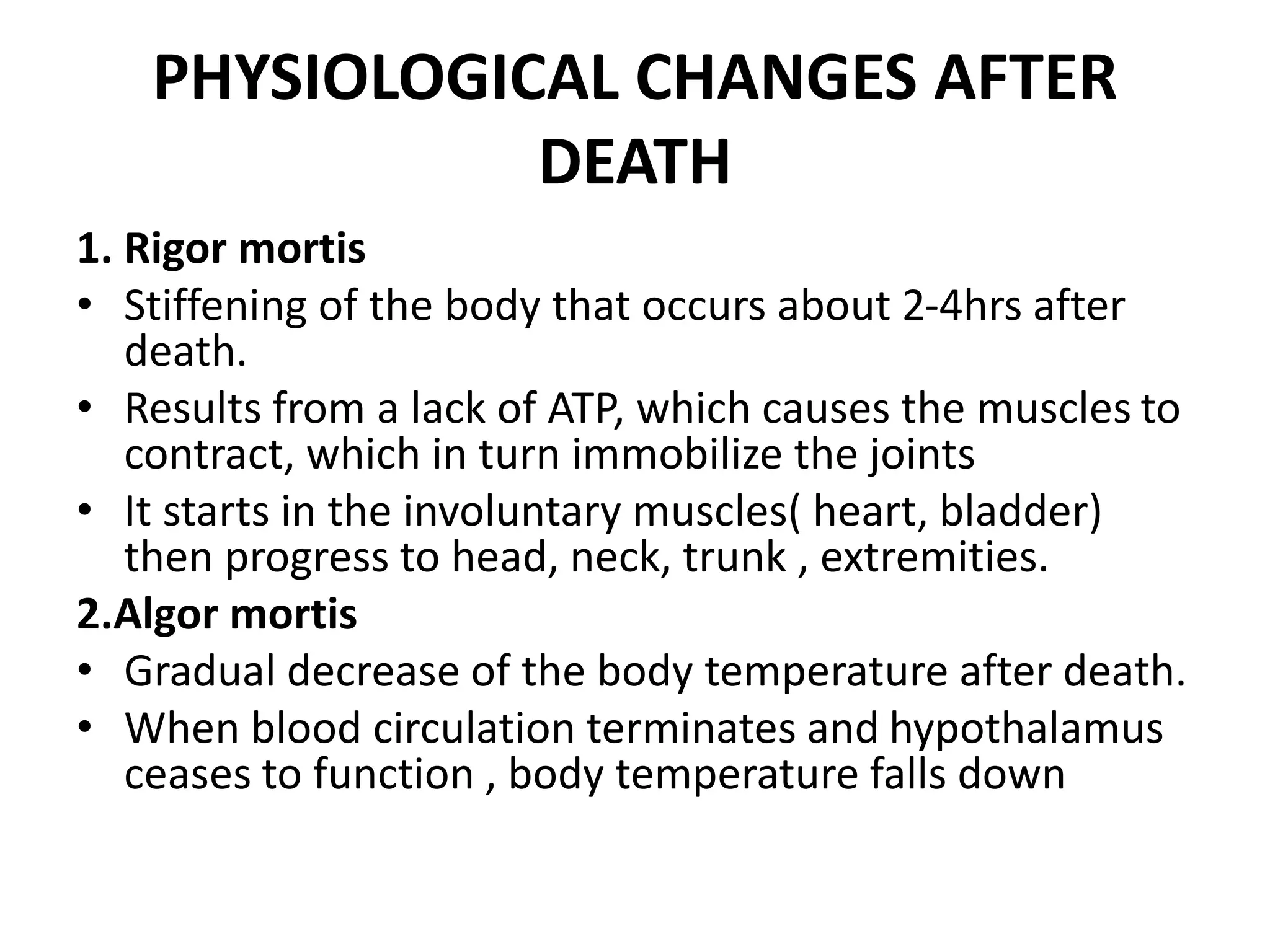
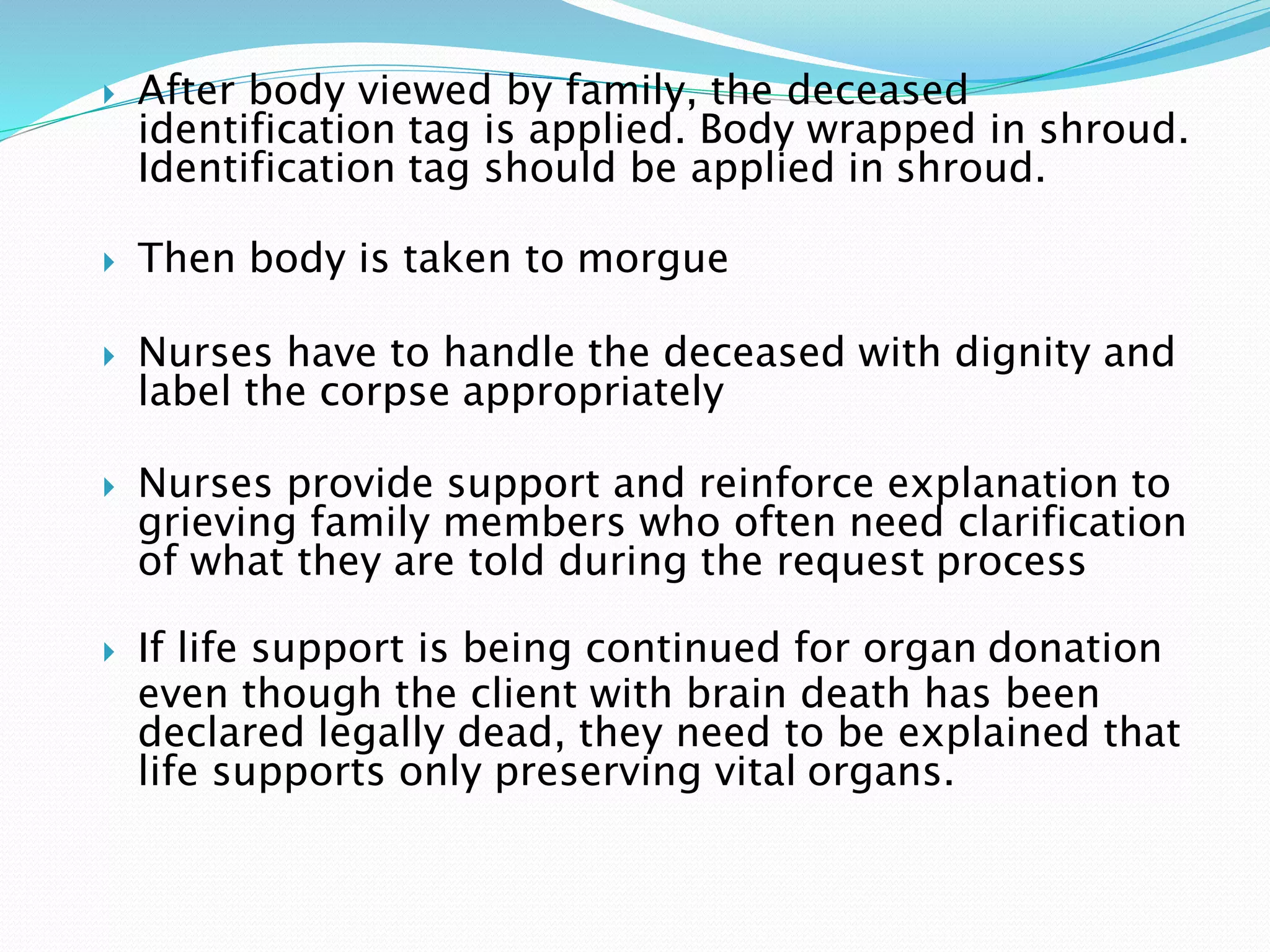
After death care encompasses the professional, legal, and personal steps taken to manage a deceased person's body, fulfill their final wishes, and handle required administrative duties immediately following a passing. This multidisciplinary process bridges medical certification, legal authorization, funeral service arrangements, and emotional management for grieving families.
Navigating the logistics following a loss requires balancing emotional recovery with strict regulatory requirements. Whether a passing occurs in a hospital, a care facility, or at home, specific procedures dictate how a body is transferred, preserved, and eventually laid to rest. Understanding these pathways helps families make informed decisions during a challenging transition.
Immediate Medical and Legal Verification Protocols
The initial phase of after death care focuses on confirming the passing and securing official documentation. These actions must occur before any physical transfer of the deceased can legally take place. The specific protocol depends heavily on the location of the passing and whether it was expected.
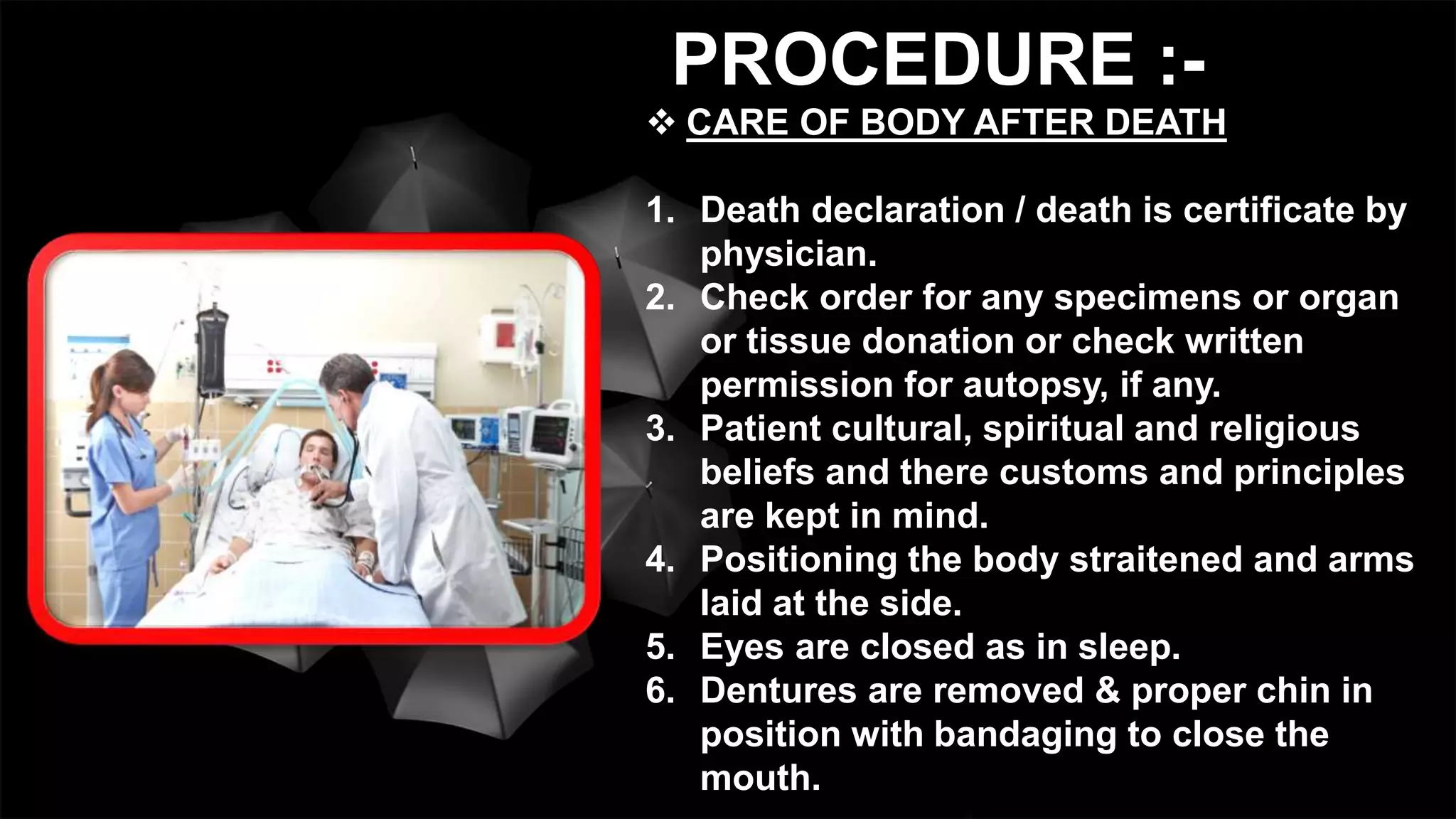
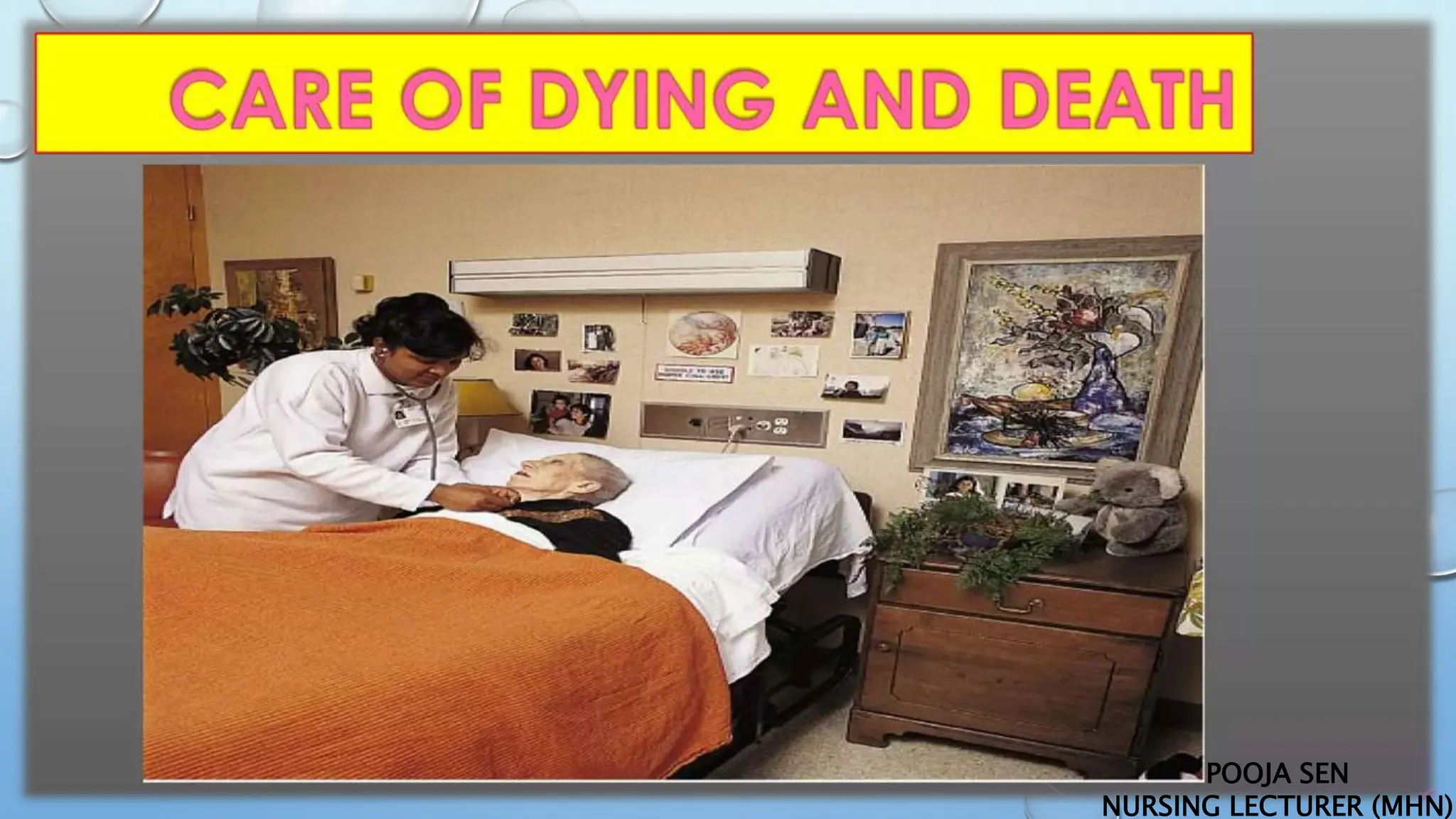
When a person passes away under hospice care or in a medical facility, attending staff handle the primary documentation. A physician, nurse practitioner, or medical examiner must formally pronounce the passing and sign the medical certificate of cause of death. In a home setting without hospice supervision, surviving family members must contact emergency services or local law enforcement immediately. Authorities must rule out suspicious circumstances before a funeral home or transport service can be authorized to move the body.
Securing multiple certified copies of the death certificate is a critical early administrative step. Financial institutions, insurance companies, government agencies, and estate executors require these documents to process benefits, close accounts, and transfer property. Funeral directors typically order these copies on behalf of the family, though the timeline varies by jurisdiction based on medical examiner workloads and local registrar processing speeds.
Professional Mortuary Services and Body Transport
Once authorities issue the necessary clearance, the physical care of the deceased shifts to licensed mortuary professionals. Transferring the body from the place of passing to a funeral home or crematory requires specialized equipment, transport permits, and trained personnel who adhere to public health standards.
Mortuary services generally begin with basic handling, sheltering, and refrigeration. If the family selects a traditional viewing or funeral service, morticians apply preservation techniques such as embalming, along with cosmetic restoration, dressing, and casketing. Embalming is rarely mandated by law unless specific circumstances apply, such as interstate transport or delayed disposition, but facilities often require it if a public viewing is scheduled.
Families must evaluate whether they prefer burial or cremation as the primary method of disposition. Each choice involves distinct regulatory frameworks, environmental considerations, and religious or cultural requirements. Funeral directors serve as the primary guides through these choices, detailing the associated merchandise, service fees, and timeline constraints.
| Disposition Method | Typical Preservation Needs | Primary Regulatory Requirements | Environmental Considerations |
|---|---|---|---|
| Traditional Burial | Embalming or refrigeration; vault/liner often required by cemeteries | Burial transit permit, cemetery plots, deed verification | Land use, concrete vault manufacturing, chemical usage |
| Direct Cremation | Refrigeration; no embalming required | Cremation authorization form, medical examiner permit | Carbon emissions, energy consumption, scattering regulations |
| Green Burial | Refrigeration or dry ice; no embalming or toxic chemicals | Certified green cemetery plot, biodegradable shroud/casket | Land conservation, zero chemical runoff, natural decomposition |
| Aquamation (Alkaline Hydrolysis) | Refrigeration; no embalming required | Specific state/provincial authorization, specialized facility | Reduced carbon footprint compared to flame cremation |
Exploring Alternative and Ecological Disposition Options
Beyond traditional burial and flame cremation, evolving technology and shifting cultural preferences have expanded the spectrum of after death care. Families seeking sustainable or personalized alternatives now have access to several regulated practices, depending on local jurisdiction.
Alkaline hydrolysis, commonly known as flameless cremation or aquamation, uses water, heat, and alkaline chemicals to accelerate natural tissue breakdown. This process produces sterile liquid effluent and bone fragments that are processed into ash, much like traditional cremation, while consuming significantly less energy.
Green or natural burial focuses on returning the body to the earth without synthetic barriers. This method prohibits embalming fluids containing formaldehyde, concrete burial vaults, and non-biodegradable caskets. Bodies are wrapped in natural shrouds or placed in unfinished wood containers and buried in designated conservation cemeteries that protect native flora and fauna.
Scattering cremated remains is another option that requires careful attention to local laws. While private land ownership generally permits scattering with the owner's consent, public parks, bodies of water, and federal lands often require specific permits or adherence to environmental guidelines.
Financial Planning, Costs, and Consumer Protection
Managing the financial aspects of after death care requires a clear understanding of pricing structures, contractual obligations, and consumer rights. Funeral homes operate under federal and state regulations designed to ensure transparency and protect grieving families from deceptive sales practices.
In the United States, the Federal Trade Commission’s Funeral Rule mandates that providers furnish clear, itemized price lists upon request. This includes general price lists, casket price lists, and outer burial container price lists. Consumers have the legal right to select only the goods and services they want, and providers cannot refuse or surcharge families who supply their own caskets purchased from third-party vendors.
Pre-planning funerals through pre-need insurance policies or trusts can alleviate emotional and financial burdens on surviving family members. However, buyers must review these contracts carefully to understand portability, cancellation policies, and whether the plan is guaranteed-price or non-guaranteed.
Key Financial Steps for After Death Care: 1. Request and review the General Price List (GPL) from multiple providers. 2. Verify existing life insurance policies, veteran benefits, or union death benefits. 3. Determine whether a pre-need funeral contract exists. 4. Itemize selected services to avoid paying for unneeded packages. 5. Secure multiple certified death certificate copies for administrative processing.
Administrative Tasks and Estate Settlement Obligations
The responsibilities surrounding after death care extend beyond the funeral service into estate administration and legal notification. Executors and surviving family members must systematically address administrative duties to close accounts and secure legal protections.
Notify government agencies promptly to prevent benefit overpayments and initiate survivor benefits. This includes the Social Security Administration, Department of Veterans Affairs, and local tax authorities. Financial institutions, credit bureaus, utility companies, and subscription services must also be notified using certified death certificates to protect against identity theft and unauthorized account activity.
Navigating probate and will execution requires close collaboration with an estate attorney. The executor is tasked with inventorying assets, paying outstanding debts, filing final tax returns, and distributing remaining property according to the deceased's legal directives. Maintaining organized records of all funeral expenses, administrative fees, and communications simplifies this complex legal phase.
Frequently Asked Questions About After Death Care
What are the immediate steps to take when someone passes away at home?
If the passing is unexpected, call emergency services immediately. If the person was enrolled in hospice care, contact the hospice nurse directly to handle pronouncement and guide the family through the initial notification of the funeral home or transport service.
Is embalming legally required before burial or cremation?
Embalming is rarely required by law for standard disposition. However, many funeral homes require it if a public viewing with an open casket is scheduled, or if the body must be transported across state or national boundaries.
Can I purchase a casket from a third-party retailer?
Yes. Federal regulations protect the right of consumers to purchase caskets, urns, and alternative containers from outside vendors. Funeral providers cannot refuse these items or charge handling fees for accepting them.
What is alkaline hydrolysis and is it available everywhere?
Alkaline hydrolysis is a water-based cremation alternative that dissolves soft tissue using heat, water, and alkaline chemicals. Availability varies significantly by jurisdiction, as individual states and provinces regulate the practice independently.
How many copies of the death certificate should a family order?
Families typically need between five and ten certified copies. Government agencies, banks, insurance companies, and investment firms often require physical or verified copies to process claims and transfer ownership of assets.
How can I verify a funeral home's licensing and disciplinary history?
Licensing boards at the state or provincial level regulate funeral directors and mortuary establishments. Consumers can check public databases maintained by these regulatory bodies to verify active licenses and review any past disciplinary actions.
Strategic Action Plan for Managing Arrangements
Begin by locating any documented end-of-life wishes, advance directives, or pre-paid funeral contracts left by the deceased. Contact a licensed mortuary service to initiate transport and coordinate the initial consultation with a funeral director. Simultaneously, request itemized price lists to compare service costs and ensure transparency. Designate a trusted family member or executor to gather vital statistics for the death certificate and begin notifying relevant financial and government institutions.