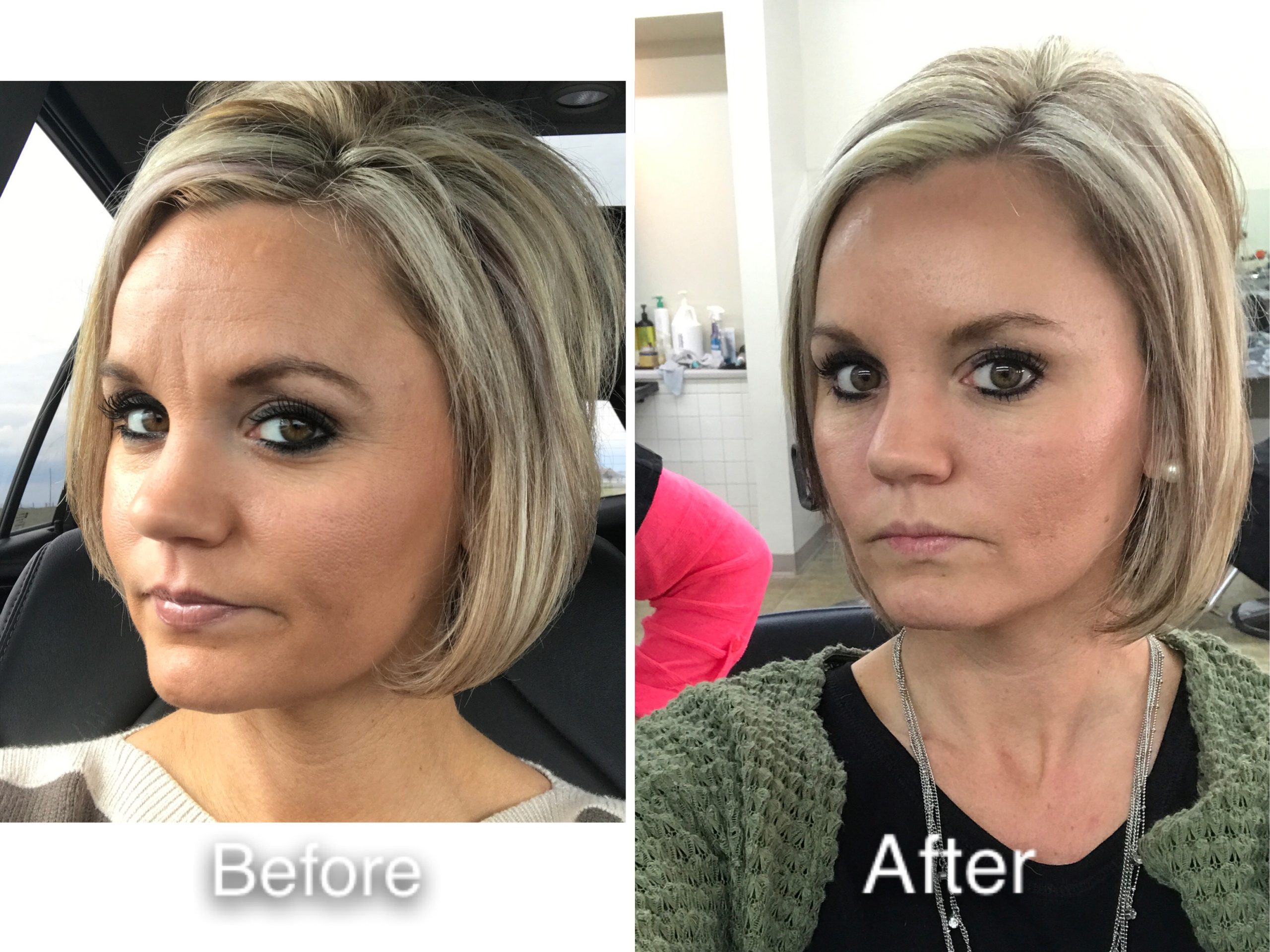
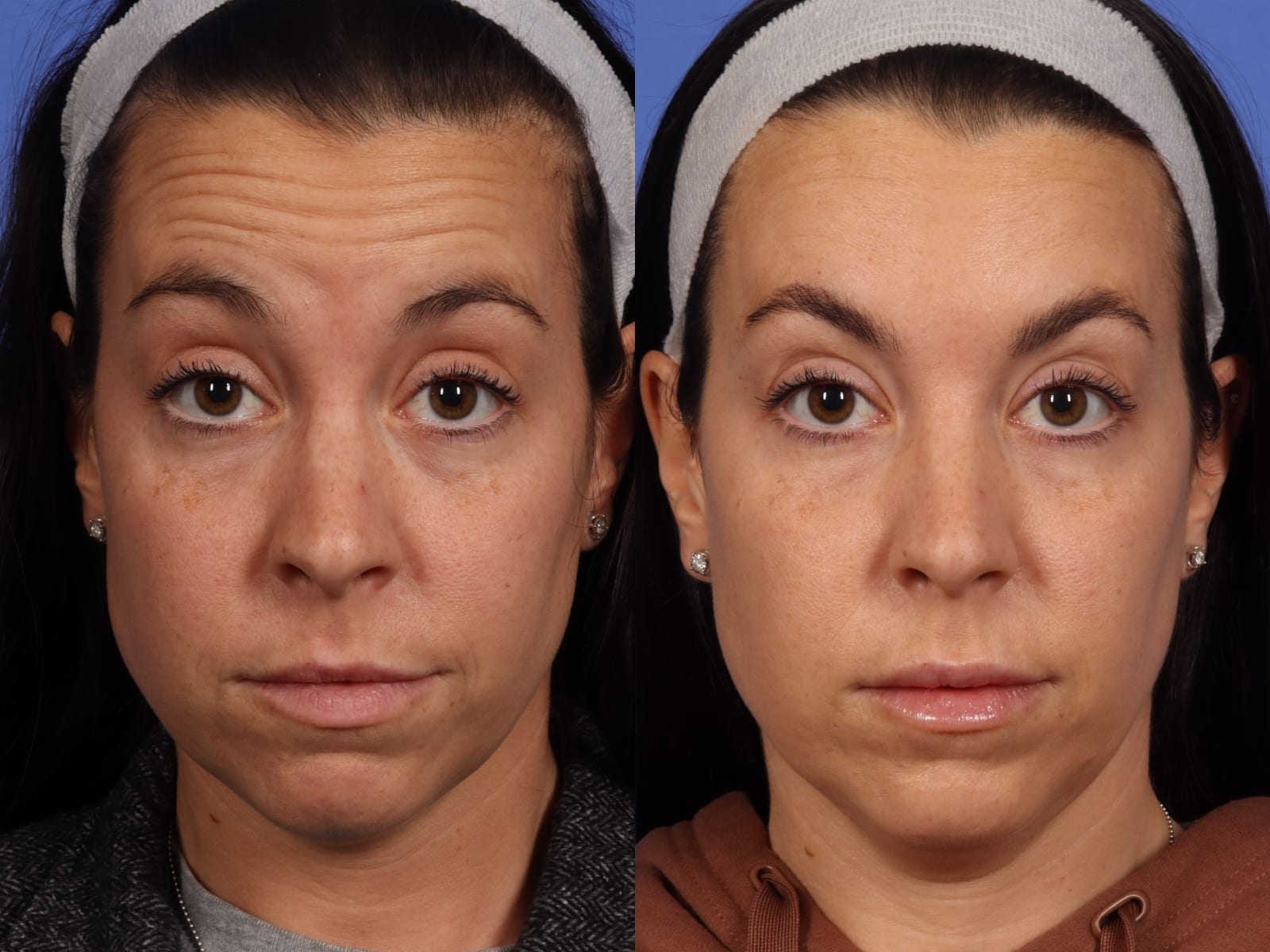
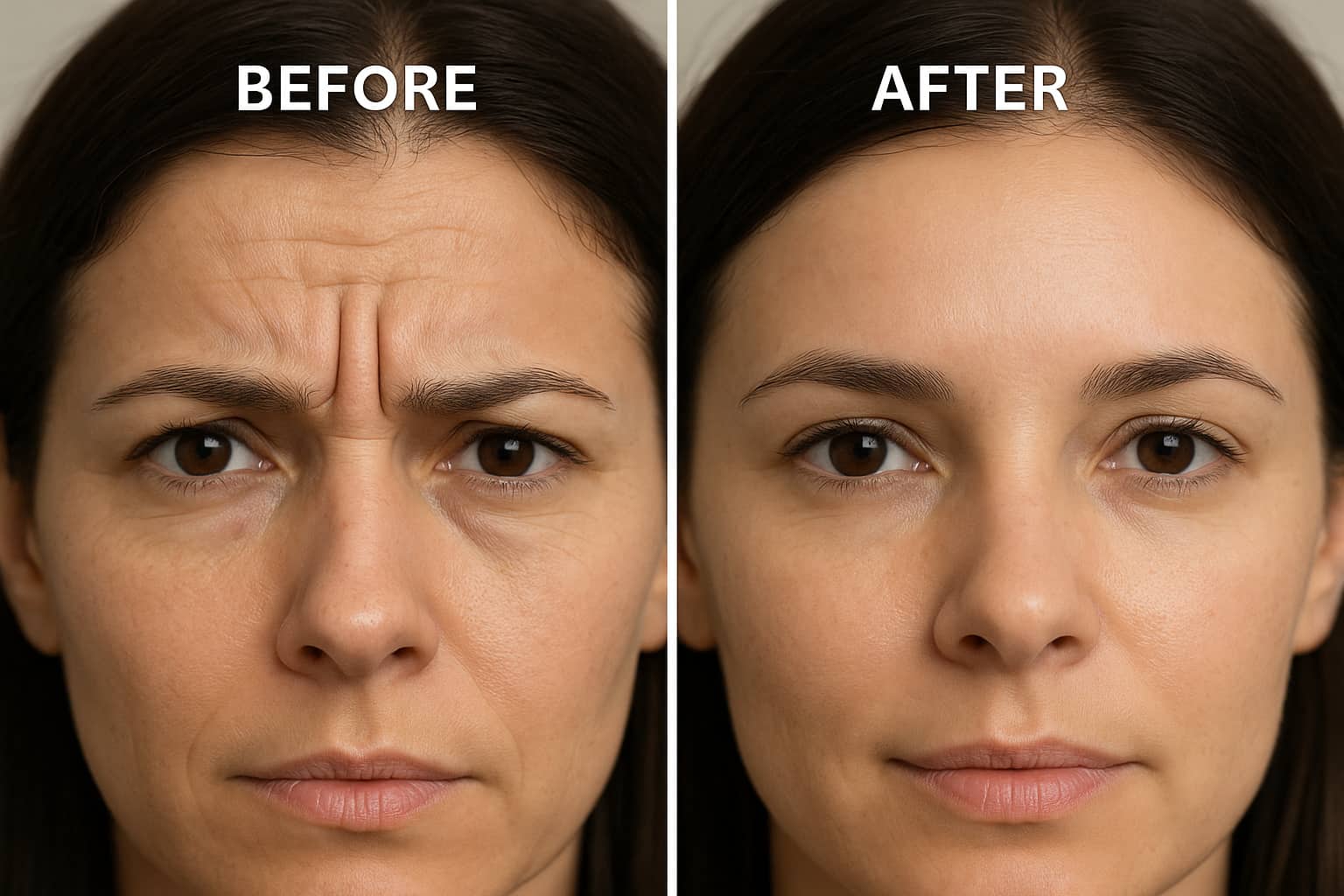
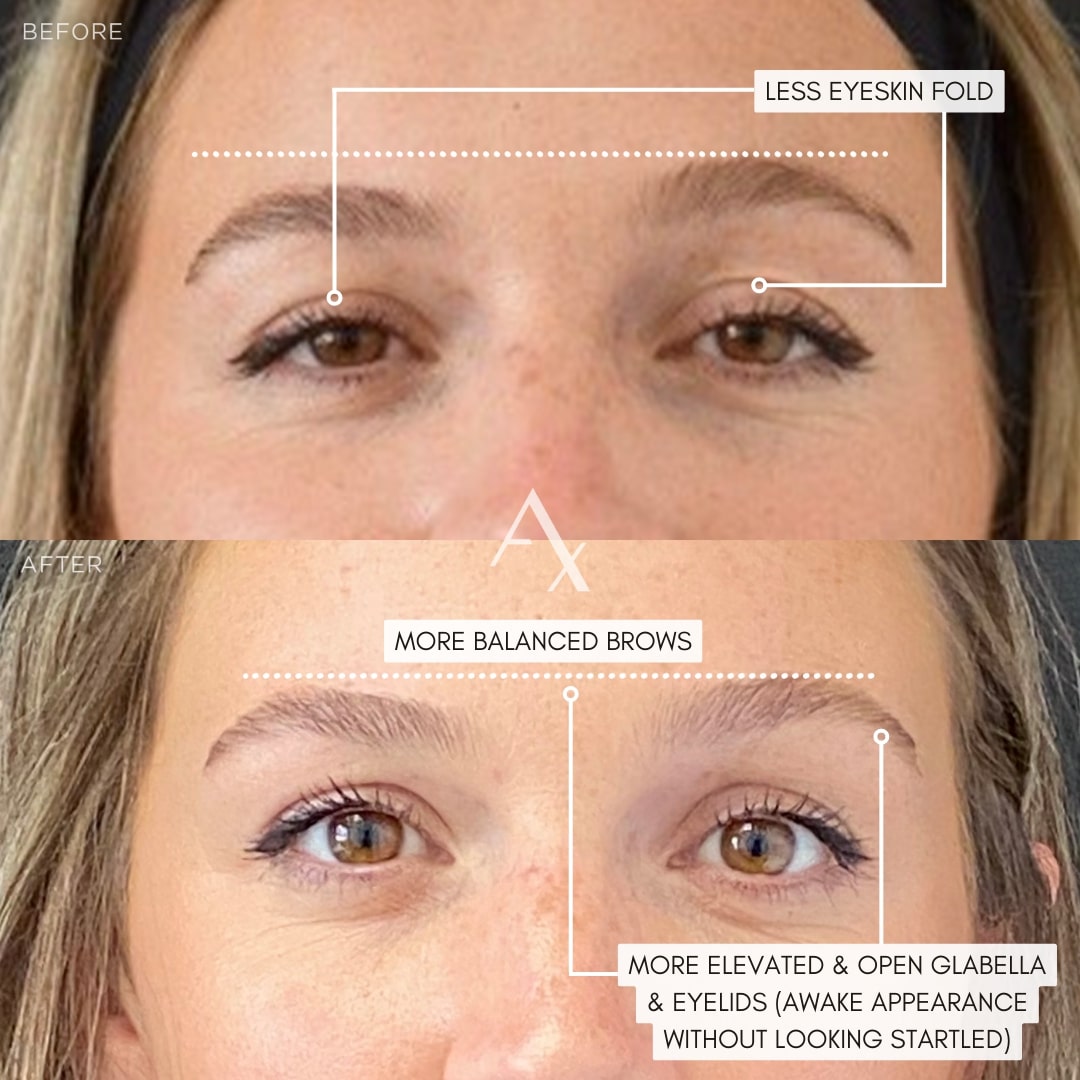
Navigating the post-treatment phase successfully requires adhering to specific physiological guidelines designed to protect the injected neurotoxin from migrating and to minimize bruising. Proper recovery involves avoiding strenuous exercise, keeping upright for several hours, refraining from touching the treatment area, and understanding that final aesthetic outcomes typically manifest within 10 to 14 days.
Understanding Botulinum Toxin and the Immediate Post-Treatment Phase
Botulinum toxin type A, commonly referred to as Botox, is a prescription biological product used to temporarily improve the appearance of moderate to severe frown lines, crow's feet, and forehead lines. When administered by a qualified healthcare professional, the neurotoxin targets specific acetylcholine receptors at the neuromuscular junction, temporarily preventing muscle contractions that cause dynamic wrinkles. Because the substance is liquid when injected, the immediate post-procedure window requires careful management to ensure the product remains localized precisely where the injector placed it.
Immediately following your appointment, minor localized reactions such as small pink bumps, mild tenderness, or pinpoint bruising at the injection sites are entirely normal. These symptoms typically subside within a few hours. The physiological mechanism of action dictates that the neurotoxin needs time to bind securely to nerve endings. During the first few hours, applying undue physical pressure or altering your body's orientation can potentially cause the liquid compound to diffuse into adjacent muscle groups, which may result in unwanted side effects such as temporary eyelid ptosis (drooping) or asymmetrical facial expressions.
Essential Day-One Recovery Rules and Precautions
The first 24 hours following your procedure are the most critical for ensuring optimal aesthetic results. Adhering to strict behavioral modifications during this initial window prevents unnecessary complications and supports the settling process of the neurotoxin.
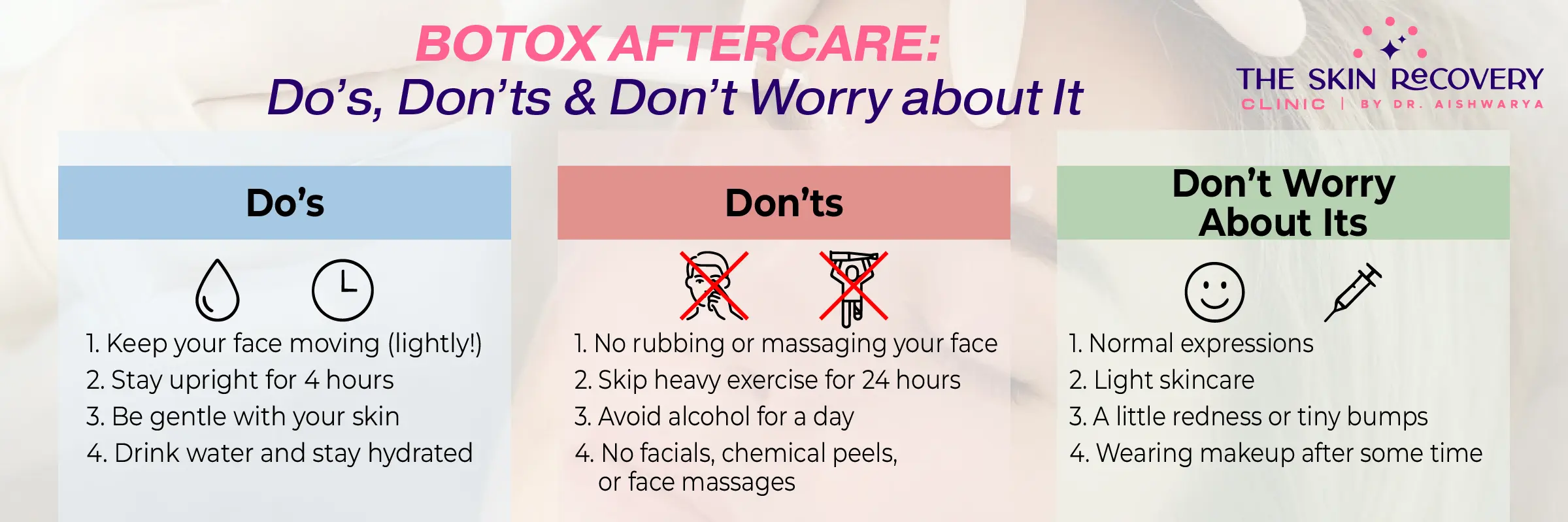
- Remain Upright: Keep your head elevated and avoid lying flat for at least four hours post-injection. Lying down too soon can increase blood flow and pressure to the face, potentially encouraging product migration.
- Avoid Facial Manipulation: Do not massage, rub, or apply heavy pressure to the treated areas for at least 24 hours. Gentle cleansing is acceptable, but aggressive facial treatments, massages, or microdermabrasion must be postponed.
- Skip Strenuous Exercise: Postpone high-intensity workouts, heavy lifting, and any form of vigorous physical exertion for 24 to 48 hours. Elevated heart rate and increased blood pressure can exacerbate swelling, bruising, and circulation around the injection sites.
- Limit Alcohol and Blood Thinners: Refrain from consuming alcohol and avoid non-essential blood-thinning medications or supplements such as aspirin, ibuprofen, or high-dose vitamin E for 24 hours, provided these are not prescribed by a physician, to minimize bruising risks.
| Recovery Timeline | Key Activities to Avoid | Recommended Actions | Expected Physical Status |
|---|---|---|---|
| Hours 0–4 | Lying flat, touching the face | Stay upright, rest quietly | Mild redness, pinpoint bumps at sites |
| Hours 4–24 | Strenuous exercise, alcohol, massages | Gentle skincare routine, stay hydrated | Redness fades, minor swelling may persist |
| Days 1–7 | Facial treatments, heavy pressure | Resume normal daily routines, wear SPF | Initial softening of lines begins |
| Days 10–14 | None regarding recovery restrictions | Attend follow-up evaluation if scheduled | Peak aesthetic results and full effect |
Managing Side Effects and Troubleshooting Minor Complications
While cosmetic neurotoxin injections are generally safe when performed by experienced medical providers, minor side effects can occasionally occur. Understanding how to differentiate between normal healing responses and complications requiring professional attention is essential for peace of mind. Bruising is among the most common occurrences, resulting from minor capillary trauma during needle insertion. Applying a clean cold compress intermittently during the first 24 hours can help constrict blood vessels and limit the spread of a bruise.
If a bruise does develop, topical arnica montana or vitamin K creams are frequently recommended by practitioners to accelerate healing. Headaches are another frequently reported transient symptom, particularly for individuals receiving injections across the forehead and glabella (frown lines). These are typically mild, short-lived, and responsive to standard over-the-counter pain relievers that do not interfere with blood coagulation, such as acetaminophen.
More severe complications, though rare, demand prompt medical evaluation. If you experience persistent visual disturbances, severe asymmetric drooping of the eyelids or eyebrows, difficulty swallowing, or signs of an allergic reaction such as hives or respiratory distress, contact your treating physician immediately. Reputable providers maintain an open line of communication for post-procedural concerns and can provide corrective guidance or reassurance based on clinical examination.
Skincare, Makeup, and Physical Activity Guidelines
Integrating your post-procedure routine back into your normal lifestyle requires a methodical, step-by-step approach. Skincare products containing active ingredients such as retinoids, alpha-hydroxy acids (AHAs), and beta-hydroxy acids (BHAs) should generally be withheld for 24 hours to prevent irritation at the delicate injection sites. Once the first day has passed, you may gradually reintroduce your regular topical regimen, provided your skin shows no signs of lingering inflammation or broken skin.
Applying makeup can typically resume after several hours, provided the skin has fully closed over the injection sites and clean applicators are used to prevent bacterial contamination. Mineral makeup or lightweight liquid foundations are preferred options during the initial days to avoid clogging pores or placing heavy mechanical stress on the skin. When engaging in outdoor activities, applying a broad-spectrum sunscreen with an SPF of 30 or higher is mandatory, as protecting healing skin from ultraviolet radiation prevents hyperpigmentation and supports overall skin health.
Regarding physical fitness, returning to the gym too quickly is a common misstep. While walking and light daily movement are encouraged, sweaty, high-impact workouts raise body temperature and blood flow significantly. Waiting a full 48 hours before resuming heavy weightlifting, hot yoga, or intense cardio ensures that the neurotoxin has completely integrated into the target neuromuscular junctions without interference from elevated systemic circulation.
What to Expect: Timeline of Visible Results and Longevity
Patience is a necessary component of any aesthetic neuromodulator treatment. The visible transformation does not happen overnight; instead, it follows a predictable biological timeline as the protein progressively blocks nerve signals to the targeted muscles.
Initial changes usually become apparent between 3 and 5 days post-treatment, where patients often notice a gradual reduction in muscle movement when trying to make expressions. The full, peak effect typically manifests around day 14. This is the optimal time to evaluate the symmetry and efficacy of the treatment. If minor adjustments are necessary, many practitioners schedule a follow-up appointment during this two-week window to assess outcomes and perform touch-ups if required.
The longevity of your results depends on various biological and lifestyle factors, including individual metabolic rate, muscle mass, dosage administered, and frequency of prior treatments. On average, the smoothing effects of botulinum toxin last between 3 and 4 months. As the nerve endings gradually regenerate and form new pathways, muscle movement returns, and dynamic lines slowly reappear. Establishing a consistent maintenance schedule helps prevent deep lines from reforming over time, leading to sustained aesthetic improvements.
Frequently Asked Questions
When can I lie down after my procedure?
You should remain upright and avoid lying completely flat for at least four hours following your injections. This precaution prevents the liquid neurotoxin from shifting or migrating into unintended facial muscles, which helps ensure precise and predictable aesthetic outcomes.
Is it normal to have a headache after getting neurotoxin injections?
Yes, mild headaches are a common transient side effect, particularly after receiving treatments in the forehead and glabellar regions. These typically resolve within 24 to 48 hours and can often be managed with standard over-the-counter pain relief options cleared by your provider.
When will I see the final results of my treatment?
Initial changes usually appear within three to five days, but the peak results and full muscle relaxation manifest around 10 to 14 days post-procedure. It is recommended to wait the full two weeks before assessing whether any minor touch-ups are needed.
Can I exercise or go to the gym on the day of treatment?
No, you should avoid strenuous exercise, heavy lifting, hot yoga, and any high-intensity physical activity for at least 24 to 48 hours. Elevated heart rate and increased facial blood flow can encourage product migration and increase the risk of bruising.
When is it safe to resume using active skincare ingredients like retinoids?
It is generally advised to wait at least 24 hours before applying active skincare ingredients such as retinoids, AHAs, or BHAs. Giving the skin a brief resting period prevents localized irritation and allows the microscopic injection sites to close completely.
Maximizing Your Long-Term Aesthetic Results
Achieving and maintaining smooth, natural-looking results extends beyond the immediate post-procedure window. To protect your investment, maintain a consistent skincare regimen centered on daily sun protection, adequate hydration, and high-quality topical antioxidants. Schedule your maintenance appointments proactively before the neurotoxin completely wears off, typically every three to four months, to maintain a consistent level of muscle relaxation and prevent dynamic lines from etching deeper into the dermis. Always consult with a board-certified dermatologist, plastic surgeon, or experienced licensed injector who prioritizes patient safety and provides customized follow-up care tailored to your unique facial anatomy.