The African diaspora encompasses the worldwide collection of communities descended from peoples originating from Africa, predominantly resulting from the transatlantic slave trade, as well as subsequent historical and contemporary voluntary migrations. This dynamic global population spans the Americas, Europe, Asia, and the Middle East, shaping transnational cultural, economic, and political landscapes.
Historical Foundations and Transatlantic Dispersion
The structural formation of the African diaspora traces back to the forced migration of millions of West and Central Africans across the Atlantic Ocean between the 16th and 19th centuries. European colonial powers deployed enslaved labor across the Caribbean, South America, and North America, fracturing linguistic and familial ties while forging new, syncretic cultural traditions.
Enslaved Africans actively resisted oppression through day-to-day sabotage, cultural retention, and organized rebellions. The Haitian Revolution (1791–1804) stands as a foundational moment, demonstrating the potential for diaspora populations to overthrow colonial rule and establish an independent republic. Following the gradual abolition of slavery across the Americas during the 19th century, diaspora communities forged new social institutions, churches, mutual aid societies, and press networks to secure civil rights and economic stability.
Voluntary migrations subsequently expanded these populations. During the 20th and 21st centuries, political decolonization, economic pressures, and educational opportunities spurred new waves of movement from the African continent to Western Europe, North America, and Gulf states. These contemporary arrivals interact with long-established communities, creating a multifaceted demographic profile characterized by diverse linguistic, national, and generational backgrounds.
Cultural Production, Identity, and Transnational Connections
Cultural expression within the African diaspora serves as a primary vehicle for identity preservation, political mobilization, and artistic innovation. Transnational exchanges between Africa and its global communities have continuously influenced global music, literature, fashion, and culinary traditions. Genres such as jazz, blues, reggae, salsa, hip-hop, and Afrobeat emerged from these cross-cultural dialogues, reflecting both historical trauma and resilient creativity.
Identity formation within diaspora populations often involves a dual consciousness—maintaining a connection to ancestral heritage while navigating the social, political, and economic realities of adopted countries. Intellectual movements such as Pan-Africanism, the Harlem Renaissance, and Négritude articulated these dynamics, emphasizing solidarity among people of African descent and advocating for self-determination.
| Region | Primary Historical Migration Drivers | Contemporary Demographic Characteristics | Major Cultural Contributions |
|---|---|---|---|
| North America | Transatlantic slave trade, Great Migration, voluntary post-colonial migration | Highly urbanized, politically active, diverse multi-ethnic populations | Jazz, blues, hip-hop, civil rights literature, contemporary art |
| The Caribbean | Transatlantic slave trade, indentureship | Majority populations in many nations, deep African cultural retentions | Reggae, calypso, carnival traditions, creole languages |
| Latin America | Transatlantic slave trade, internal regional migration | Significant populations in Brazil, Colombia, and Central America | Samba, salsa, cafetalero heritage, Afro-descendant social movements |
| Europe | Post-World War II labor migration, decolonization, contemporary asylum seeking | Growing urban minorities, transnational political engagement | Post-colonial literature, diverse culinary scenes, European urban music |
Modern communication technologies and digital platforms have accelerated these transnational exchanges. Diaspora networks now mobilize capital, intellectual resources, and political advocacy across borders, influencing policy debates in both host countries and ancestral homelands.
Economic Impacts and Remittance Flows
Economic engagement between the African diaspora and countries of origin constitutes a vital component of global finance. Remittances—financial transfers sent by migrants to individuals or communities in their home countries—frequently surpass official development assistance (ODA) and foreign direct investment (FDI) for multiple sub-Saharan African nations.
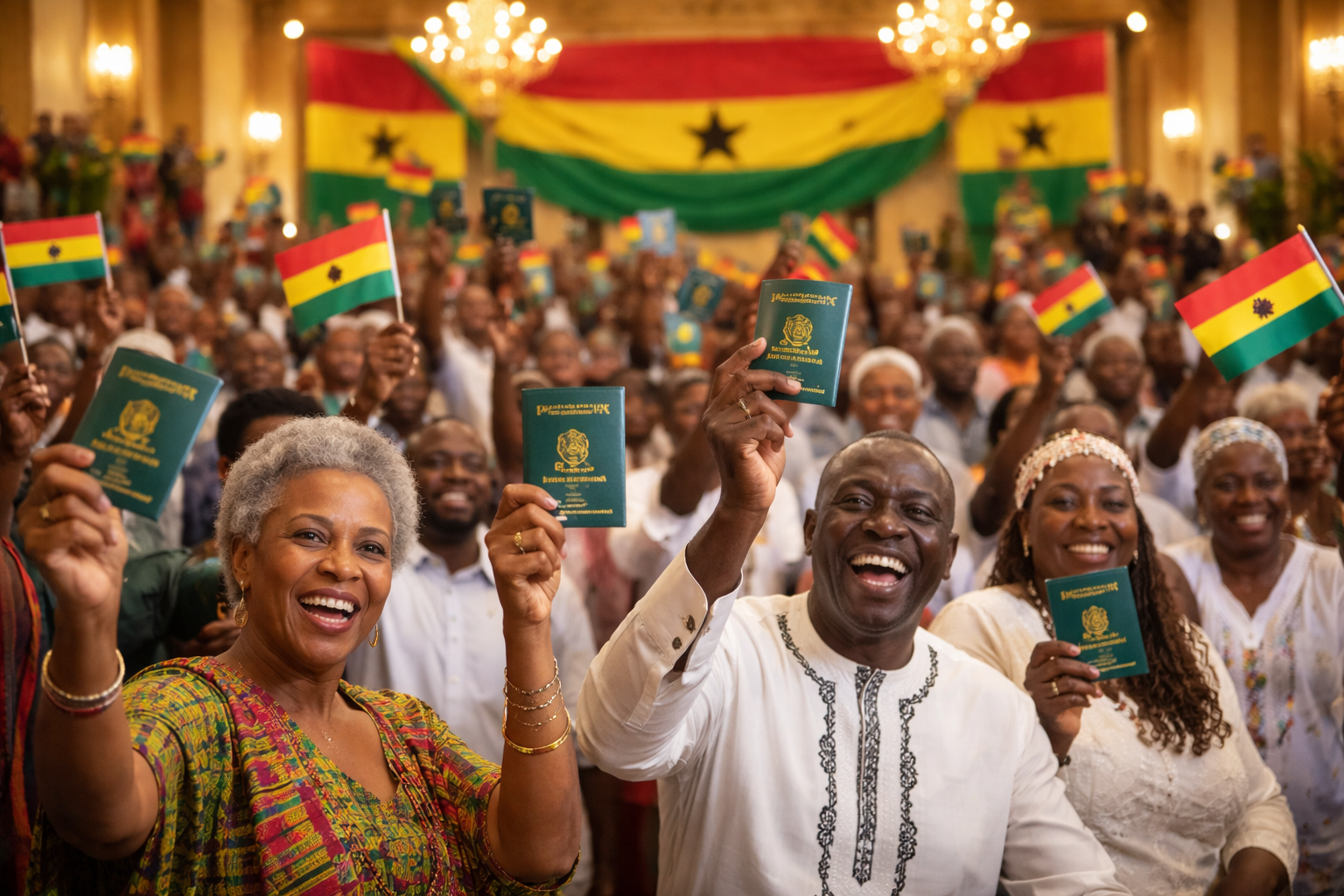
Beyond monetary transfers, diaspora engagement involves direct investments in local real estate, entrepreneurial ventures, and infrastructural projects. Governments across the African continent have recognized these economic contributions, establishing dedicated diaspora ministries, dual citizenship provisions, and investment bonds tailored to overseas investors.
However, moving capital across borders involves structural challenges, including high transaction fees, complex regulatory compliance frameworks, and varying access to formal banking systems. Financial institutions and fintech platforms continually adapt to these friction points, striving to lower transfer costs and integrate unbanked populations into formal economic circuits.
Political Advocacy and Human Rights Movements
Political engagement by members of the African diaspora historically centers on anti-colonial struggles, civil rights campaigns, and transnational human rights advocacy. Organizations operating across national boundaries lobby international bodies, monitor racial justice issues, and support democratic transitions in home countries.
In recent decades, global movements such as Black Lives Matter have demonstrated the international solidarity of diaspora populations, highlighting systemic inequities, police violence, and socio-economic disparities. These movements leverage global media platforms to coordinate protests, share tactical insights, and demand institutional accountability from governments worldwide.
Legal frameworks addressing discrimination, hate crimes, and systemic bias vary significantly across jurisdictions. International initiatives, such as the United Nations International Decade for People of African Descent, provide structural benchmarks for member states to promote human rights, combat prejudice, and recognize the historical contributions of African-descended populations.
Contemporary Challenges and Integration Realities
Despite significant contributions to global society, diaspora communities frequently navigate complex socio-economic challenges, including systemic discrimination, economic marginalization, and legal barriers to citizenship or status regularization. Integration processes vary widely depending on host nation immigration policies, labor market structures, and social cohesion initiatives.
Generational shifts further complicate community cohesion. First-generation immigrants often maintain strong cultural and economic ties to their countries of origin, while second- and third-generation individuals negotiate hybrid identities shaped primarily by the cultural landscapes of their birthplaces. This generational evolution influences political priorities, cultural expression, and community leadership models.
Addressing these challenges requires targeted policy interventions, comprehensive anti-discrimination legislation, and robust data collection practices that accurately reflect the demographic realities of multi-ethnic societies. Researchers and policymakers continue to analyze these dynamics to ensure equitable access to housing, education, and healthcare for all diaspora members.
Frequently Asked Questions
What defines the African diaspora?
The African diaspora refers to communities throughout the world that are descended from peoples of Sub-Saharan Africa. This dispersion was primarily driven by the transatlantic slave trade, followed by subsequent voluntary and forced migrations across centuries.
How do remittances impact African economies?
Remittances provide essential financial support for millions of households, funding education, healthcare, and basic consumption. They also serve as a significant source of foreign exchange and capital investment for developing economies across the continent.
What is the role of Pan-Africanism in the diaspora?
Pan-Africanism is an intellectual and political movement that encourages the solidarity of Africans worldwide. It posits that the fate of all people of African descent is intertwined, promoting unity, self-reliance, and mutual political support.
Are all people in the African diaspora recent immigrants?
No. While contemporary migration contributes to the diaspora, many communities—particularly in the Americas and the Caribbean—have resided in their respective regions for centuries, tracing their lineage back to the era of the transatlantic slave trade.
How are governments engaging with their diaspora populations?
Many African governments have established specialized ministries, offered dual citizenship, and created specialized financial instruments like diaspora bonds to encourage investment, tourism, and knowledge transfer from overseas communities.
Strategic Engagement and Future Directions
Engaging effectively with the African diaspora requires intentional collaboration between governments, civil society organizations, and private sector entities. Stakeholders seeking to foster sustainable partnerships must prioritize transparent communication, robust legal frameworks, and inclusive policy-making that respects the diverse experiences of global African communities. By acknowledging historical injustices while investing in future economic and cultural exchanges, societies can harness the full potential of this interconnected global population.