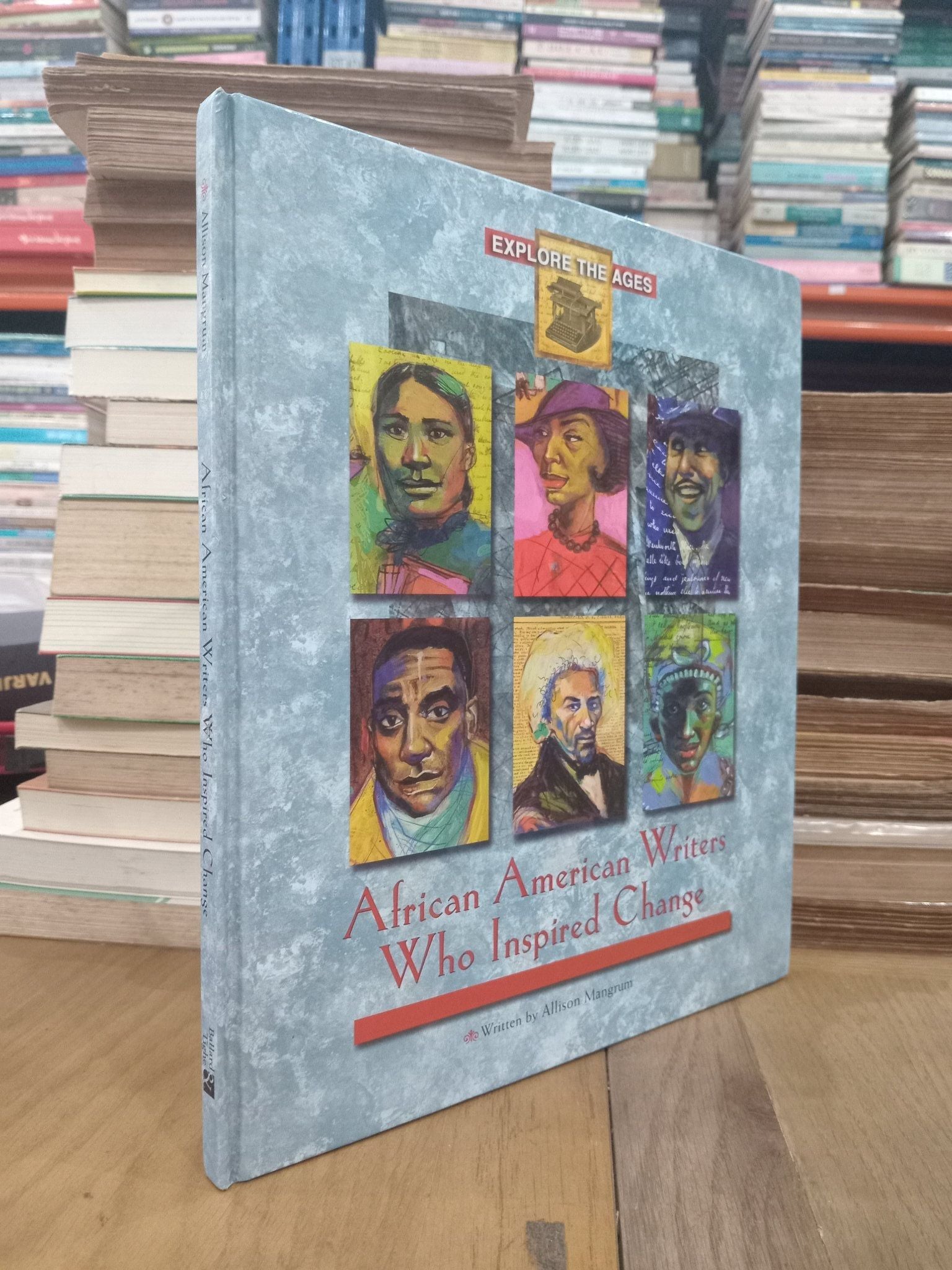
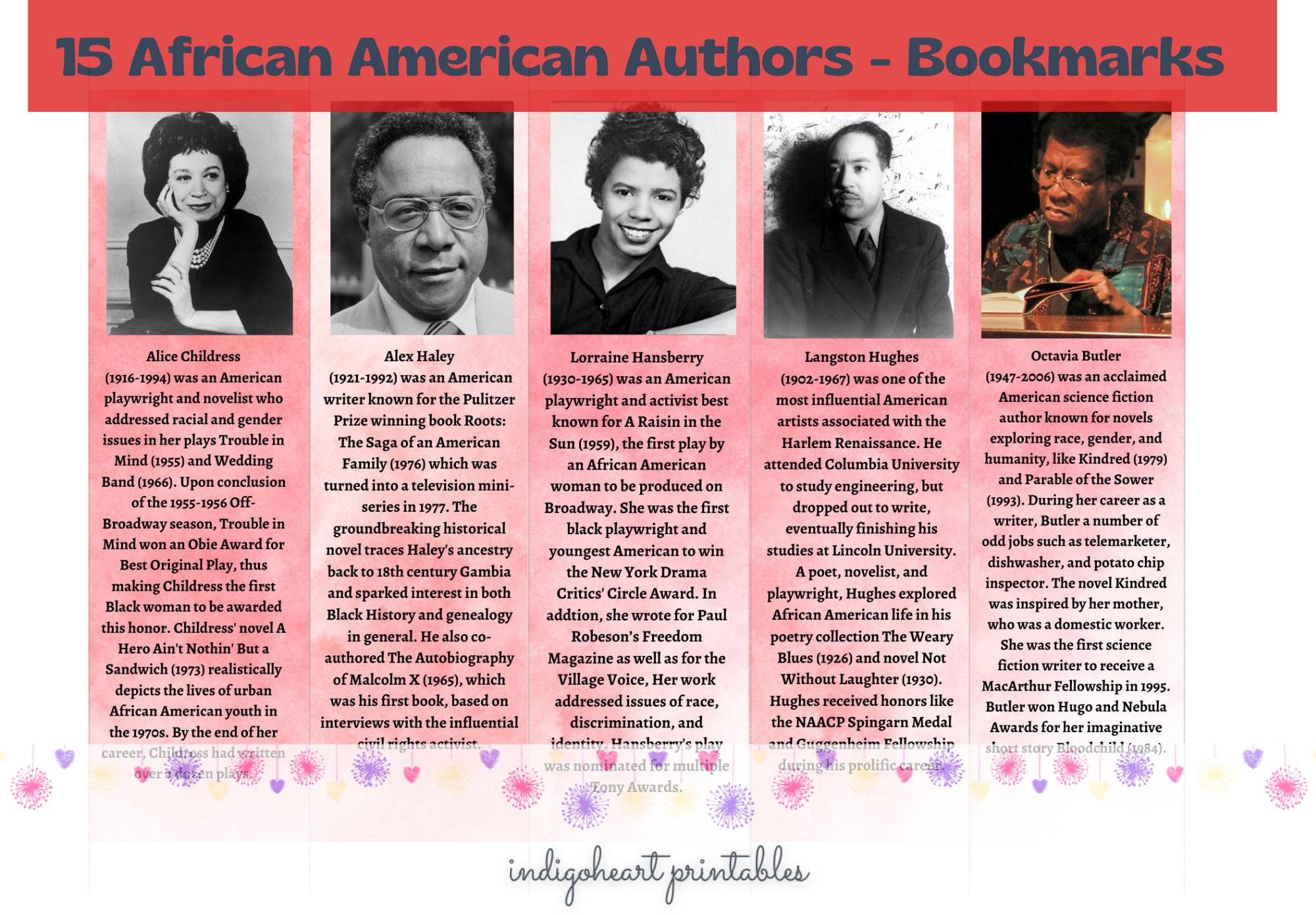
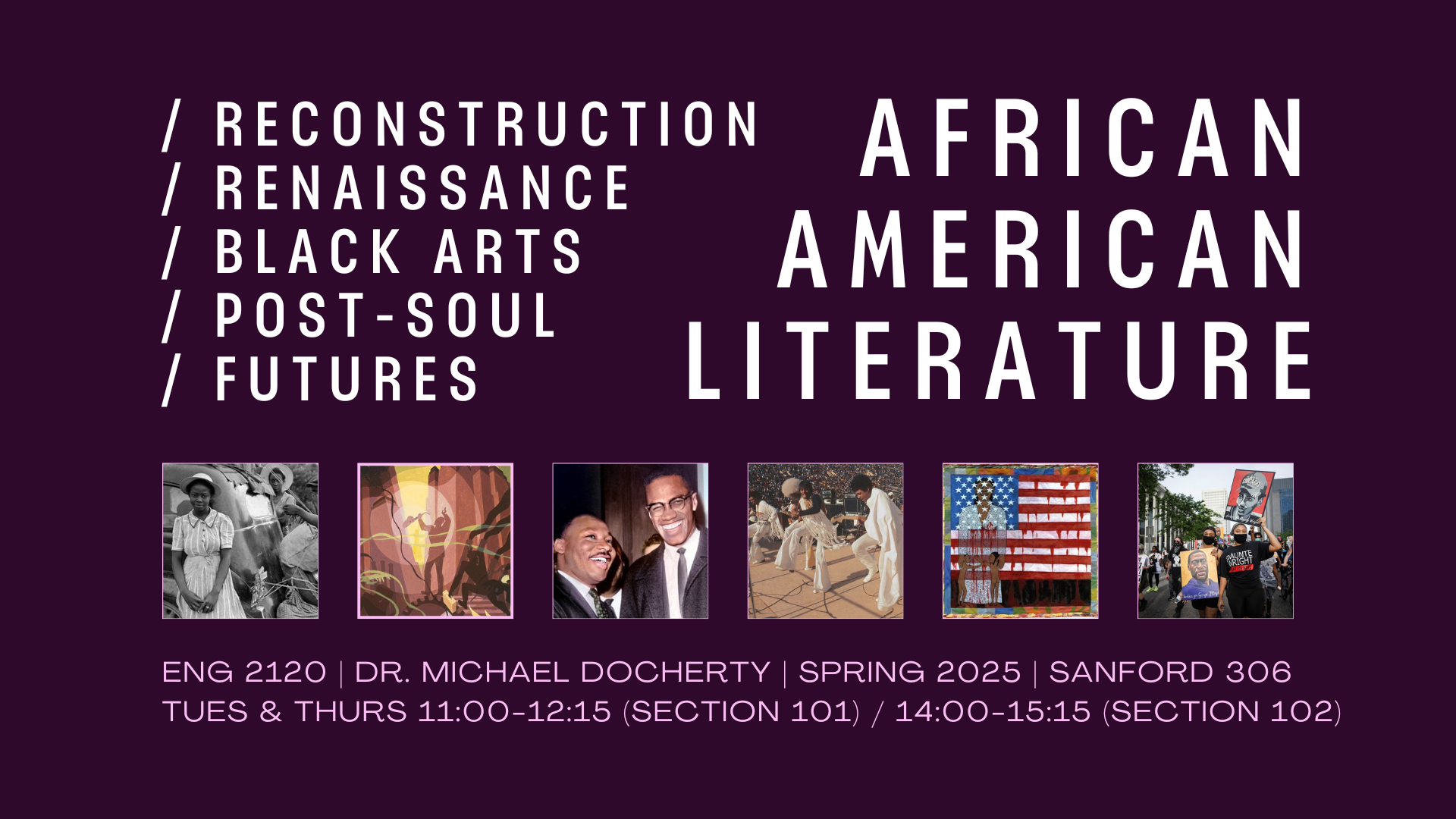
African American writers have profoundly shaped global literature, blending rich oral traditions, distinct cultural experiences, and deep social critique. From early slave narratives to contemporary bestselling novels and poetry collections, these authors have continuously redefined literary genres, challenged systemic injustices, and enriched the human experience through powerful storytelling.
The Historical Foundations of African American Literature
The roots of African American literature stretch deep into the American experience, forged largely out of the crucible of chattel slavery, resistance, and survival. Early African American writers utilized memoirs, poetry, and political essays to bear witness to the brutal realities of bondage and to argue for fundamental human rights.
Slave narratives emerged as a powerful literary subgenre in the 18th and 19th centuries. Works such as A Narrative of the Uncommon Sufferings, and Surprising Deliverance of Briton Hammon (1760) and Phillis Wheatley’s pioneering poetry collection Poems on Various Subjects, Religious and Moral (1773) established the foundational presence of Black authors in American letters. Wheatley’s publication, in particular, proved that African Americans possessed immense artistic and intellectual capacity, dismantling prevailing racist ideologies of the era.
As the abolitionist movement gained momentum in the 19th century, iconic autobiographies by figures such as Frederick Douglass (Narrative of the Life of Frederick Douglass, an American Slave, 1845) and Harriet Jacobs (Incidents in the Life of a Slave Girl, 1861) provided undeniable, firsthand evidence of the atrocities of slavery. These texts combined compelling personal testimony with sharp rhetorical skill, mobilizing public opinion and shaping the course of American history.
The Harlem Renaissance and the Birth of Modern Black Identity
The early decades of the 20th century witnessed a monumental cultural explosion known as the Harlem Renaissance, or the New Negro Movement. Centered in Harlem, New York, this era marked a dramatic shift in how African American writers expressed their identity, moving away from accommodationist tropes toward a bold celebration of Black culture, folklore, and urban life.
Writers of the Harlem Renaissance explored themes of double consciousness, racial pride, migration, and class stratification. Langston Hughes infused his poetry with the rhythms of jazz and blues, democratizing verse and capturing the everyday experiences of working-class Black Americans. Zora Neale Hurston combined anthropological fieldwork with imaginative fiction, most notably in her masterpiece Their Eyes Were Watching God (1937), which centered a Black woman’s journey toward self-discovery and autonomy.
Claude McKay, Countee Cullen, and Jean Toomer further expanded the stylistic boundaries of the movement, experimenting with modernism, sonnets, and multi-genre texts like Toomer’s Cane (1923). This creative blossoming shattered monolithic perceptions of Black life and established New York as a global epicenter of literary innovation.
Mid-Century Protest, Civil Rights, and Existential Exploration
In the mid-20th century, as the United States wrestled with Jim Crow segregation, the Cold War, and the rising Civil Rights Movement, African American literature adopted a more urgent, confrontational, and existential tone. Authors interrogated the psychological toll of racism and examined the complex interplay between individual freedom and societal oppression.
Richard Wright achieved massive commercial and critical success with Native Son (1940), a searing naturalistic novel that exposed the environmental determinants of crime and despair facing young Black men in Chicago. James Baldwin subsequently elevated the essay and the novel, offering deeply nuanced meditations on sexuality, race, and American identity in works like Notes of a Native Son (1955) and Giovanni’s Room (1956). Baldwin's eloquent prose diagnosed the moral sickness of racism with unmatched clarity.
Simultaneously, the Black Arts Movement of the 1960s and 1970s—sparked by figures like Amiri Baraka and Sonia Sanchez—advocated for a culturally nationalist aesthetic. This movement emphasized literature as an active weapon for political liberation, establishing independent publishing houses and community-based literary workshops that bypassed traditional white-dominated publishing gatekeepers.
Prominent Eras and Literary Movements
| Era / Movement | Timeframe | Defining Characteristics | Key Authors and Works |
|---|---|---|---|
| Early & Antebellum | 1760s–1865 | Slave narratives, spirituals, and petitions advocating for abolition and human dignity. | Phillis Wheatley (Poems on Various Subjects), Frederick Douglass (Narrative of the Life). |
| Harlem Renaissance | 1919–1937 | Celebration of Black culture, jazz rhythms, folklore, and urban modernism. | Langston Hughes (The Weary Blues), Zora Neale Hurston (Their Eyes Were Watching God). |
| Protest & Civil Rights | 1940–1969 | Social realism, existentialism, institutional critique, and nationalist revolutionary art. | Richard Wright (Native Son), James Baldwin (The Fire Next Time), Gwendolyn Brooks (Annie Allen). |
| Contemporary & Postmodern | 1970–Present | Magical realism, intersectional feminism, historical revisionism, and genre-blending. | Toni Morrison (Beloved), Octavia E. Butler (Kindred), Colson Whitehead (The Underground Railroad). |
Contemporary Voices and Genre Expansion
The late 20th century to the present day has seen an unprecedented expansion in the scope, diversity, and commercial dominance of African American writers. Authors have transcended rigid historical categorizations, exploring speculative fiction, high fantasy, historical magical realism, and deeply intimate domestic dramas.
Toni Morrison became the first African American woman to win the Nobel Prize in Literature in 1993. Her lyrical, mythic novels—including Beloved (1987) and Song of Solomon (1977)—confronted the ghost-ridden history of slavery and the complexities of Black community life with unmatched linguistic brilliance.
Concurrently, Octavia E. Butler revolutionized science fiction and speculative literature by injecting intersectional feminist critiques and racial dynamics into time-travel and dystopian narratives, as seen in Kindred (1979) and Parable of the Sower (1993). Today, writers like Colson Whitehead, Jesmyn Ward, Marlon James, and N.K. Jemisin continue to collect major international literary accolades, including multiple Pulitzer Prizes and Hugo Awards, proving that African American literature encompasses the entire spectrum of human imagination.
Frequently Asked Questions
What are the defining characteristics of African American literature?
African American literature is characterized by its exploration of the Black experience in the United States, including themes of systemic racism, identity, resilience, cultural heritage, and migration. It frequently incorporates vernacular speech, musical influences such as jazz and blues, and rich oral traditions passed down through generations.
Who was the first African American author to be published?
Jupiter Hammon, an enslaved man in New York, is widely recognized as the first published African American writer, having released his poem "An Evening Thought: Salvation by Christ with Penitential Cries" in 1760. Shortly after, Phillis Wheatley became the first African American woman to publish a book of poetry in 1773.
How did the Harlem Renaissance impact American culture?
The Harlem Renaissance fundamentally shifted how African American art was perceived by the mainstream public. By validating Black folklore, music, and literature, it created a vibrant intellectual community that challenged racial stereotypes and laid the groundwork for the modern civil rights consciousness.
What role do women play in modern African American literature?
Women have played a central and transformative role, particularly in the latter half of the 20th century and the 21st century. Authors like Toni Morrison, Alice Walker, Audre Lorde, and Octavia E. Butler expanded the literary canon by centering intersectional feminist perspectives, maternal bonds, and speculative futures.
Where can readers discover contemporary African American writers?
Readers can explore contemporary African American writers through independent Black-owned bookstores (such as Baldwin's Book Barn or Powell's Books selections), literary magazines like Callaloo, awards lists such as the National Book Award and the Hurston/Wright Legacy Award, and curated library databases focusing on multicultural literature.
Engaging with and Supporting African American Literature
To truly appreciate the breadth and depth of African American literature, readers should actively seek out works beyond standard high school curricula, exploring regional poetry, independent presses, and emerging genre fiction. Support local and independent Black-owned bookstores, participate in community book clubs dedicated to diverse narratives, and explore literary archives that preserve foundational texts. By engaging with these diverse perspectives, readers honor a vital literary tradition that continues to illuminate the complexities of the human condition.