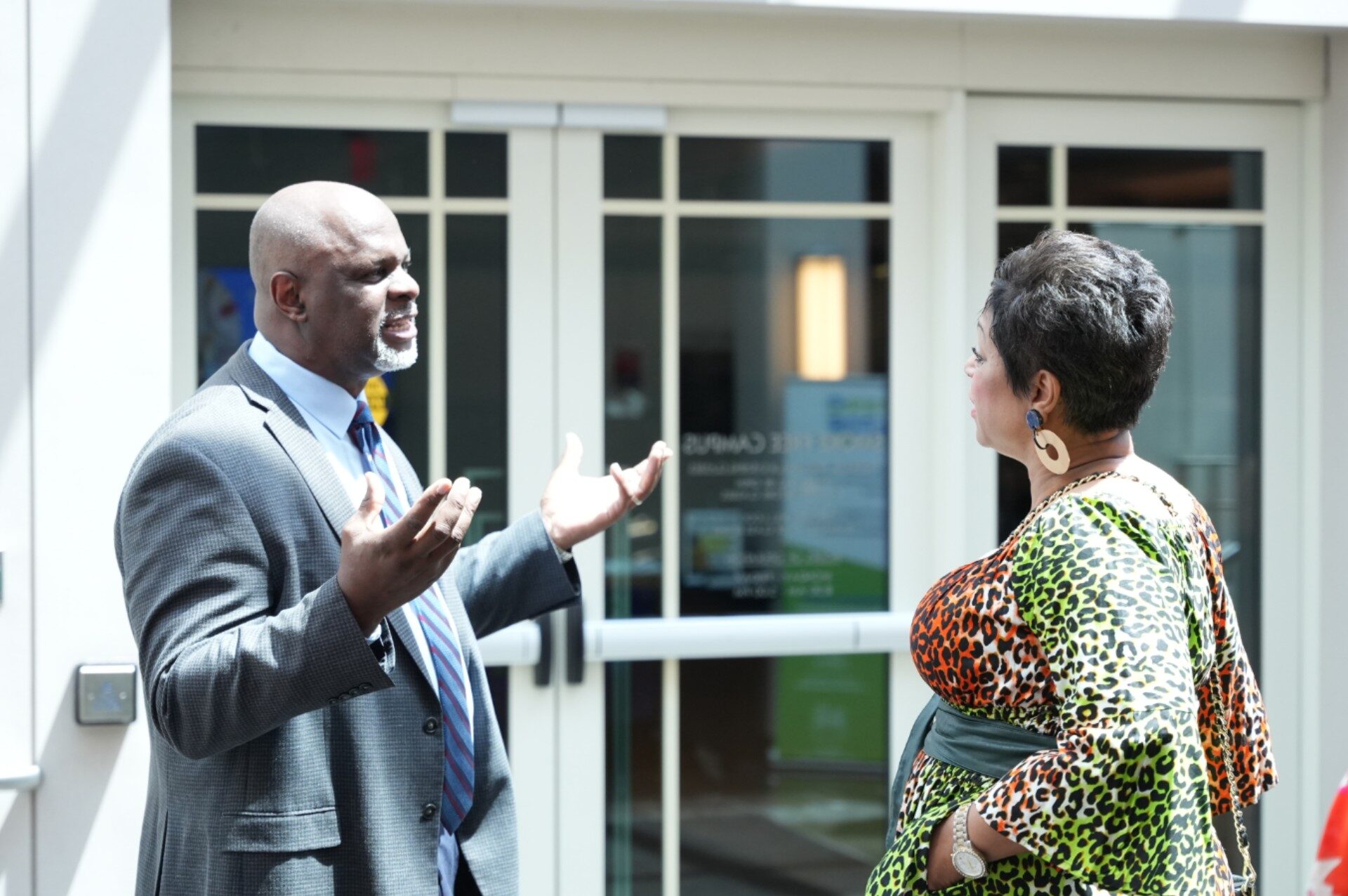
Working with an African American realtor provides homebuyers and sellers with culturally attuned representation, deep community insight, and dedicated advocacy. These professionals navigate complex real estate transactions while addressing unique generational wealth goals, historical market dynamics, and personalized property preferences to secure optimal outcomes in diverse residential neighborhoods.
Understanding the Role of an African American Realtor
An African American realtor is a licensed real estate professional who brings specialized expertise to property transactions, combining traditional industry qualifications with an acute understanding of the cultural and financial nuances that impact minority homebuyers and sellers. Beyond standard brokerage duties—such as analyzing comparative market data, drafting purchase contracts, and negotiating pricing—these professionals often bridge historical gaps in homeownership access.
The real estate industry has evolved significantly over the past century, influenced by legislative milestones like the Fair Housing Act of 1968, which prohibited discrimination in the sale, rental, and financing of housing. Despite legal protections, systemic disparities in lending practices, appraisal biases, and generational wealth gaps continue to influence the housing market. Real estate professionals from diverse backgrounds often provide an added layer of trust and culturally competent communication, helping clients navigate systemic hurdles, evaluate neighborhood growth trajectories, and connect with inclusive lending institutions.
Furthermore, these professionals are frequently active members of specialized trade organizations, most notably the National Association of Real Estate Brokers (NAREB). Established in 1947 by African American real estate professionals who were excluded from the National Association of Realtors (NAR) at the time, NAREB members—known as Realtists—advocate for democracy in housing and economic empowerment within urban communities. Partnering with a specialized agent often grants clients access to an extensive network of inspectors, title companies, and mortgage brokers who share a commitment to equitable housing practices.
Economic Impact and Wealth Building Through Homeownership
Real estate acquisition remains the cornerstone of household wealth accumulation in the United States. For many families, purchasing a primary residence is the single largest investment they will make, serving as a primary vehicle for intergenerational wealth transfer. However, historical inequities in property valuation and mortgage origination have created a persistent racial homeownership gap.
Working with a knowledgeable agent who understands these economic dynamics is vital for maximizing equity potential. These professionals assist clients in identifying up-and-coming neighborhoods with strong appreciation potential, evaluating school districts, and analyzing municipal infrastructure investments that drive property values upward. By focusing on long-term financial health, they help buyers avoid over-leveraging while structuring competitive offers that protect their earnest money and future equity.
| Real Estate Consideration | General Approach | Specialized Agent Focus |
|---|---|---|
| Neighborhood Analysis | Focus on standard historical appreciation rates and local amenities. | Integration of community development trends, historical context, and local economic drivers. |
| Lending Partnerships | Standard referrals to national retail banks and large mortgage lenders. | Access to specialized minority-owned lending institutions, down payment assistance programs, and grant networks. |
| Advocacy & Negotiation | Standard contract negotiation and dispute resolution. | Heightened awareness of appraisal equity, discriminatory redlining patterns, and fair housing protections. |
Navigating the mortgage landscape requires careful attention to detail, particularly regarding loan products designed to assist first-time buyers. Many state and local housing finance agencies offer down payment assistance programs, tax credits, and grants tailored to moderate-income households. Specialized real estate professionals maintain comprehensive knowledge of these programs, connecting buyers with resources that significantly reduce out-of-pocket closing costs and improve long-term affordability.
Addressing Appraisal Bias and Property Valuation Challenges
One of the most persistent hurdles in modern real estate transactions is appraisal bias, where homes owned by people of color are systematically undervalued compared to identical properties in predominantly white neighborhoods. This phenomenon can jeopardize mortgage approvals, disrupt financing terms, and diminish household wealth generation.
Experienced real estate professionals employ strategic safeguards to mitigate the risk of undervaluation during the appraisal process. These strategies include:
- Curating Precise Comparable Sales: Compiling recent, hyper-local comparable sales that reflect the true market value of the subject property rather than relying on automated valuation models that may skew data.
- Attending Appraisals: Being present during the appraisal inspection to provide the licensed appraiser with a comprehensive list of custom upgrades, energy-efficient improvements, and recent property renovations.
- Challenging Inaccurate Appraisals: Utilizing formal reconsideration of value (ROV) procedures backed by robust market data if an appraisal comes in artificially low.
By maintaining rigorous documentation and advocating aggressively for accurate valuations, agents protect their clients from predatory financial outcomes and ensure that home sales reflect true market realities.
Evaluating Professional Credentials and Specializations
When selecting a real estate professional, verifying credentials, licensing status, and professional affiliations is an essential preliminary step. In the United States, all real estate agents and brokers must hold a valid state-issued real estate license, which is regulated by the respective state real estate commission. Clients can verify active licensing, disciplinary history, and continuing education status directly through their state's Department of State or real estate regulatory portal.
Beyond basic licensing, many professionals pursue advanced designations that indicate specialized expertise in specific sectors of the housing market:
- GRI (Graduate, REALTOR Institute): Indicates advanced training in core real estate concepts, legal issues, and technology.
- CRS (Certified Residential Specialist): A prestigious designation held by agents who have completed rigorous education and demonstrated high sales volume in residential properties.
- ABR (Accredited Buyer's Representative): Signifies specialized training in representing the interests of property purchasers through every phase of the transaction.
Interviewing multiple candidates allows prospective buyers and sellers to evaluate communication styles, negotiation philosophies, and familiarity with specific target micro-markets. Asking targeted questions about recent transaction history, marketing strategies for sellers, or buyer representation agreements ensures a transparent and productive working relationship.
Navigating the Homebuying and Selling Process With Expert Guidance
Executing a seamless real estate transaction requires a structured approach from initial consultation to the final closing table. Whether purchasing a single-family home, a condominium, or an investment property, understanding the step-by-step workflow empowers clients to make informed decisions at every juncture.
The process typically begins with financial preparation and pre-approval from a reputable mortgage lender. Once a budget is established, the agent curates property tours matching the buyer's criteria. Upon identifying a suitable home, the agent drafts a legally binding purchase agreement, negotiates inspection contingencies, and coordinates with escrow and title officers to ensure a clear title transfer. For sellers, the workflow centers on strategic pricing, professional staging, targeted digital marketing, and managing competitive offers to maximize net proceeds.
Throughout this multifaceted journey, having an advocate who understands the cultural, financial, and logistical facets of the transaction provides invaluable peace of mind. By prioritizing transparency, education, and aggressive representation, these professionals help clients achieve their property ownership goals with confidence.
Frequently Asked Questions
Do African American realtors only work with minority clients?
No, real estate professionals serve clients of all racial, ethnic, and socioeconomic backgrounds. While their cultural competency and community connections may attract diverse clientele, their primary legal and ethical obligation is to provide professional, non-discriminatory service to any buyer or seller seeking representation.
How do I verify the credentials of a real estate agent?
You can verify an agent's license status by visiting your state's real estate licensing commission website. Additionally, you can check their standing with local trade organizations such as the National Association of Realtors (NAR) or the National Association of Real Estate Brokers (NAREB) and review verified client testimonials online.
Are there special financing programs available for minority homebuyers?
Yes, various federal, state, and local programs offer down payment assistance, grants, and favorable mortgage terms for first-time and moderate-income buyers. Specialized real estate professionals and certified mortgage loan officers can help identify and apply for these targeted financial resources.
What should I look for when interviewing a real estate agent?
Key factors to evaluate include their years of experience in your target market, familiarity with local property inventory, communication responsiveness, marketing strategies for sellers, and client references. It is essential to choose an agent whose working style aligns with your personal communication preferences and transaction goals.
How does working with a specialized agent help prevent appraisal bias?
Specialized agents are trained to recognize the indicators of appraisal bias and take proactive measures, such as providing appraisers with comprehensive data packets, challenging inaccurate valuations through formal reconsideration processes, and ensuring fair treatment throughout the underwriting phase.