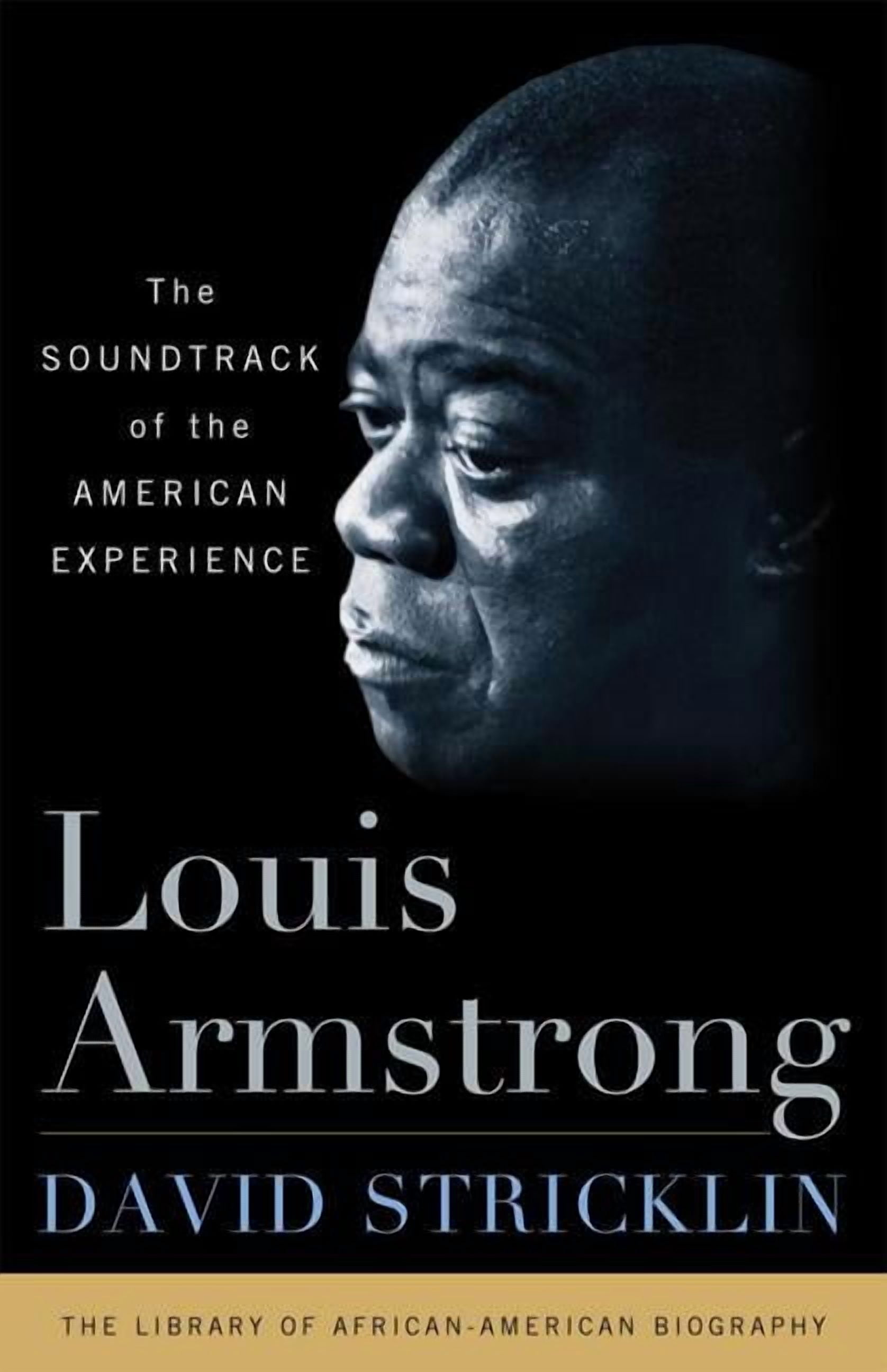
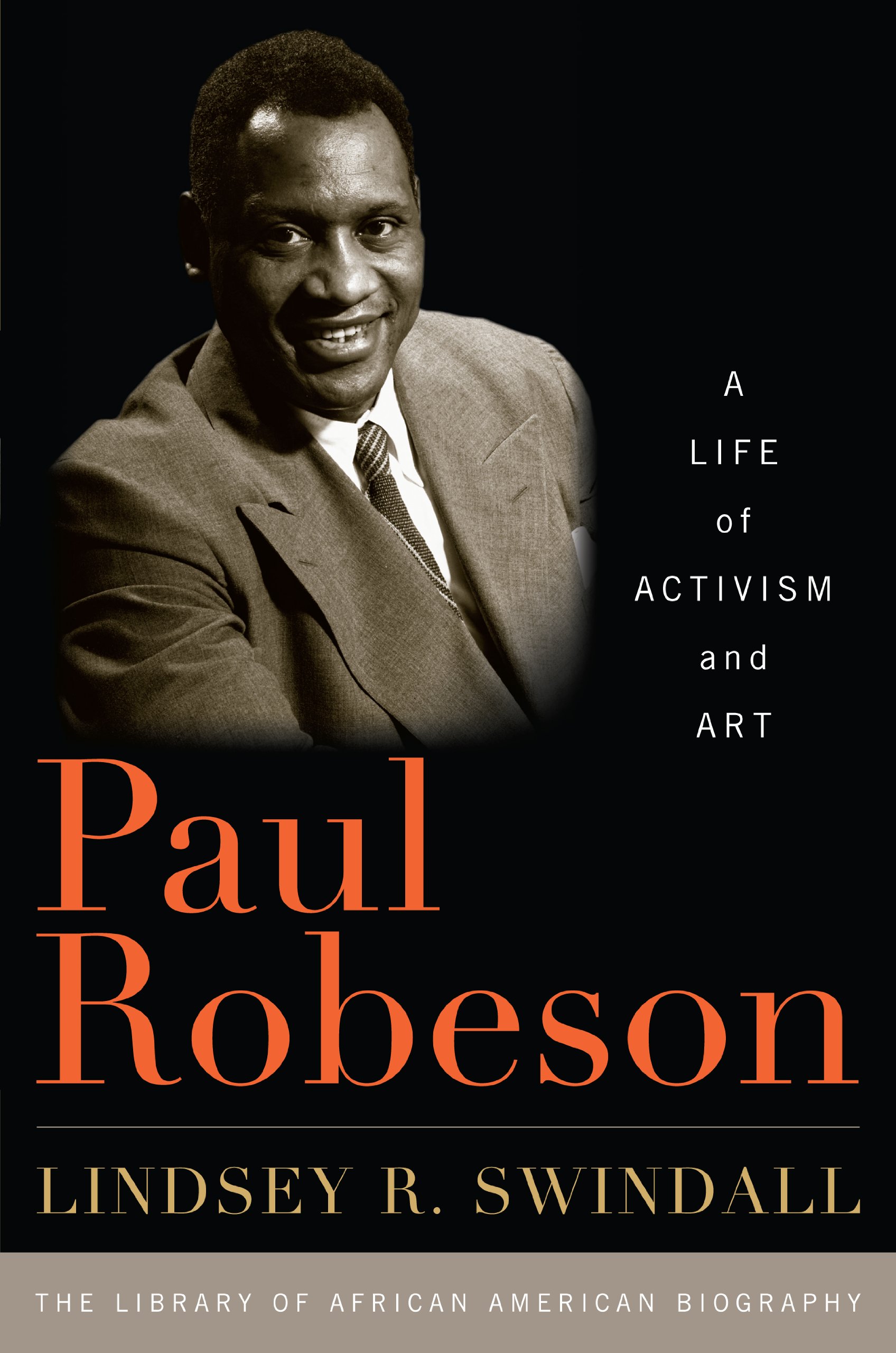
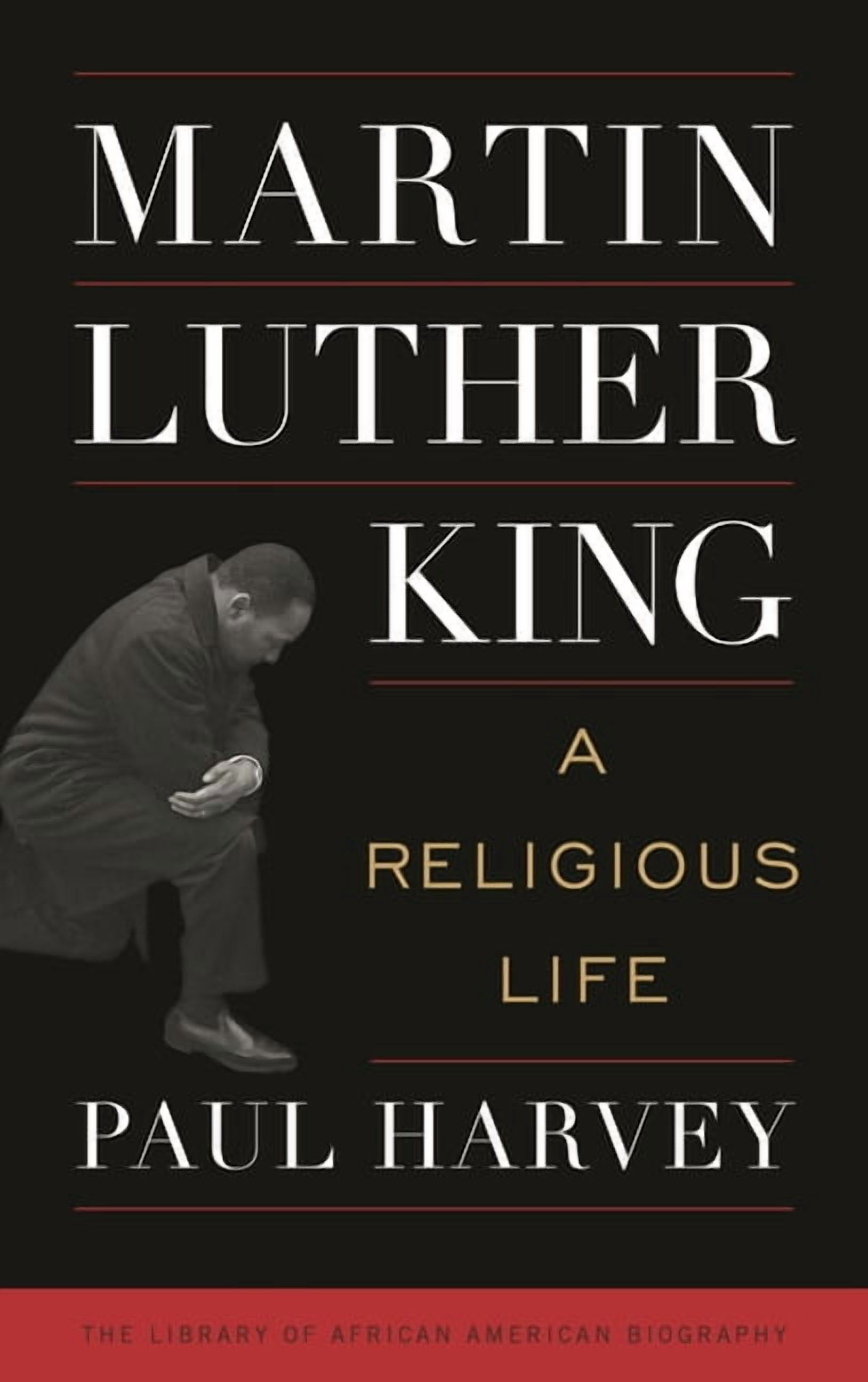
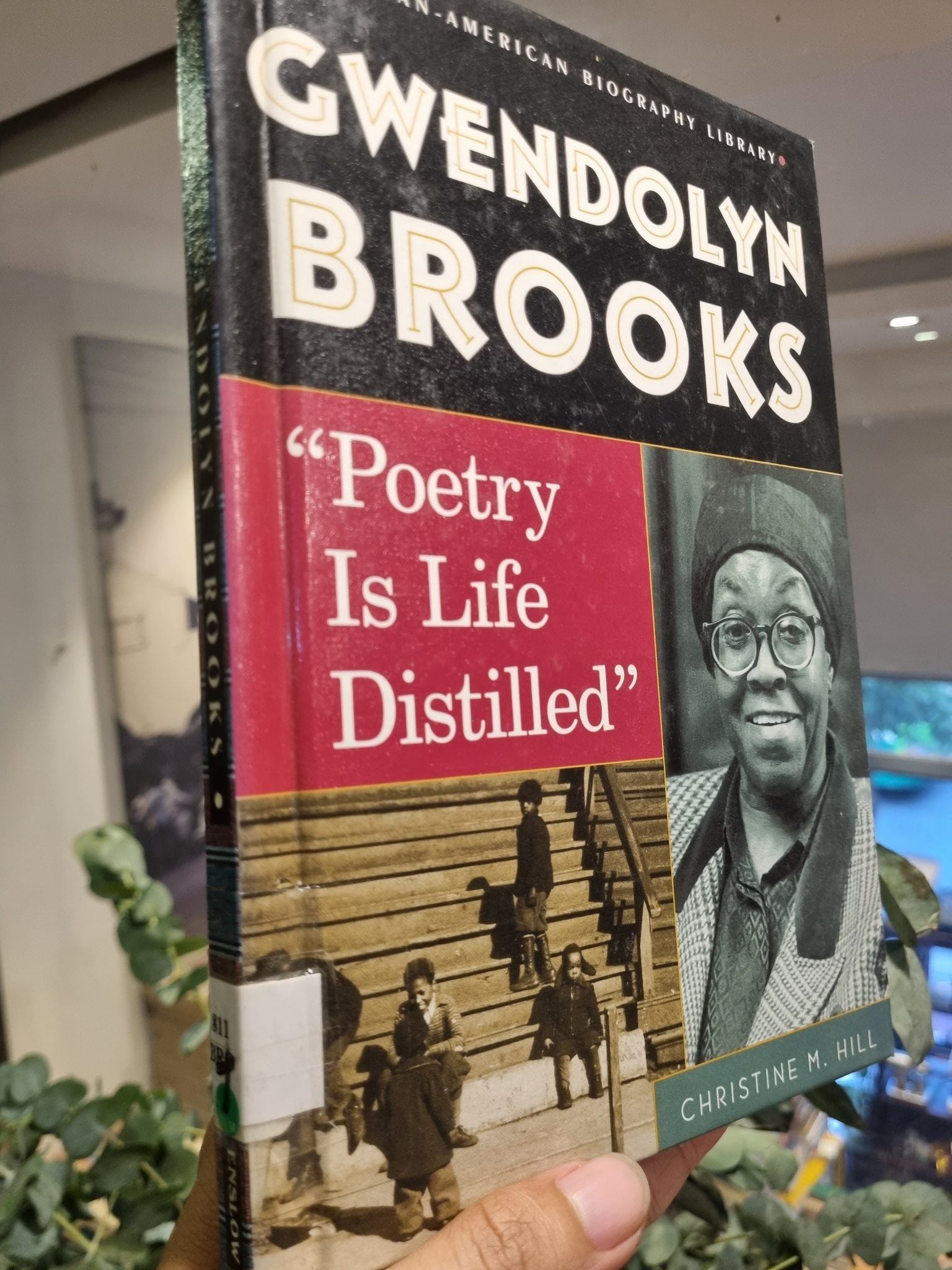
African American biography is the systematic documentation of the lives of individuals of African descent in the United States, serving as a critical lens through which American history, resilience, and systemic struggle are understood. These records range from 18th-century narratives to contemporary digital archives, providing essential primary source material for researchers, students, and the general public seeking to understand the Black experience.
The Evolution of African American Biographical Literature
The trajectory of African American biography began long before formal academic recognition. In the late 18th and 19th centuries, the "slave narrative" served as the foundational biographical form. These accounts, such as those by Olaudah Equiano and Frederick Douglass, were not merely personal histories; they were political tools designed to humanize the enslaved and advocate for abolition. By documenting their own lives, these authors reclaimed agency in a society that legally classified them as property.
As the 20th century progressed, the focus of African American biography shifted toward the "New Negro" movement and the Harlem Renaissance. Biographies during this era began to highlight intellectual and artistic achievements, moving beyond the central theme of escape from bondage to the pursuit of excellence within a segregated society. Figures like W.E.B. Du Bois and Ida B. Wells-Barnett utilized biographical writing to document the sociological conditions of Black Americans while simultaneously establishing a record of leadership.
In 2026, the field has expanded to include "intersectionality" as a core framework. Modern biographies now more frequently explore the lives of Black women, LGBTQ+ individuals, and the "ordinary" Black citizens whose lives provide a granular look at social history. This shift from "Great Man" history to a more inclusive biographical landscape ensures that the diversity of the African American experience is fully represented.
Essential Digital and Physical Archives for Research
To conduct authentic biographical research, one must look beyond general history books and access specialized repositories. These institutions preserve the letters, photographs, and manuscripts that form the backbone of a credible biography.
- The Schomburg Center for Research in Black Culture: Located in Harlem, this branch of the New York Public Library is perhaps the world's leading repository for materials related to the global African Diaspora. Their "Manuscripts, Archives and Rare Books Division" contains the personal papers of luminaries like Langston Hughes and Lorraine Hansberry.
- The National Museum of African American History and Culture (NMAAHC): Part of the Smithsonian Institution, the NMAAHC offers extensive digital collections. Their "Searchable Museum" platform allows researchers to explore biographical artifacts and oral histories from across three centuries.
- The Library of Congress (LOC): The LOC holds the papers of multiple Civil Rights leaders, including Rosa Parks and Booker T. Washington. Their digital collections are particularly useful for accessing 19th-century newspapers and legal records that might mention less-famous individuals.
- HBCU Archives: Many Historically Black Colleges and Universities, such as Howard University (Moorland-Spingarn Research Center) and Fisk University, house unique collections focused on Black education, religious life, and regional activism that are not found in larger national institutions.
Comparing Biographical Formats and Their Research Value
Different biographical formats serve different purposes. A researcher must choose the format that aligns with their goal, whether it is academic rigor, personal inspiration, or genealogical verification.
| Format | Primary Purpose | Key Strengths | Limitations |
|---|---|---|---|
| Autobiography/Memoir | Self-reflection and agency | First-hand emotional truth and personal perspective. | Subject to memory bias and selective omission. |
| Scholarly Biography | Historical accuracy | Extensive citations, peer-reviewed, places subject in social context. | Can be dense or less accessible to a general audience. |
| Slave Narratives | Abolitionist advocacy | Critical primary source for 19th-century life and social structures. | Often edited by white amanuenses for specific audiences. |
| Oral History | Preserving community memory | Captures the voices of those excluded from traditional archives. | Vulnerable to the passage of time and loss of participants. |
| Digital Humanities Projects | Interactive data mapping | Allows for visualization of movements, networks, and migrations. | Requires technical literacy to navigate complex data sets. |
Methodology: How to Conduct Effective Biographical Research
Researching an African American biography requires a unique methodology, particularly when investigating individuals from the 18th and 19th centuries. Because Black lives were often marginalized in official state records, researchers must be creative and persistent.
Step 1: Start with the "Paper Trail" of Freedom
For individuals living after 1865, the Freedman’s Bank Records are an invaluable resource. These records often include names of family members, birthplaces, and even the names of former enslavers, providing a bridge to pre-Civil War history. Census records from 1870 onwards are also the first to list African Americans by their full names rather than just by age and gender (as seen in earlier slave schedules).
Step 2: Utilize the Black Press
Historically, mainstream newspapers often ignored the births, deaths, and achievements of Black citizens unless they were related to crime. Consequently, researchers must turn to the Black Press. Papers like The Chicago Defender, The Pittsburgh Courier, and The Afro-American provided detailed accounts of social life, business success, and community activism. These archives are often the only places where local biographical details are preserved.
Step 3: Cross-Reference Legal and Property Records
In the antebellum era, African Americans often appear in legal documents as "property." This necessitates searching probate records, bills of sale, and deed books of white families. While dehumanizing, these records are often the only way to establish specific dates and locations for an individual’s life.
Challenges in Documenting Black Lives: Overcoming Archival Silence
One of the most significant hurdles in African American biography is "archival silence." This refers to the gaps in the historical record where Black voices were intentionally suppressed or deemed unimportant by archivists of the past. To overcome this, contemporary biographers use a technique known as "critical fabulation"—a term coined by scholar Saidiya Hartman—to describe the process of using historical data combined with informed imagination to fill in the gaps of lives that were never fully recorded.
Furthermore, oral tradition plays a massive role. In many families, the "biography" of an ancestor is passed down through stories, quilts, or family Bibles. In 2026, many academic projects are now working to formalize these oral histories, recording them digitally so they can be preserved for future generations. This ensures that the biography of the community is not lost simply because it wasn't written in a traditional book.
The Role of Intersectionality in Modern Biography
As we move through 2026, the study of African American biography is increasingly focused on intersectionality. This means looking at how a person's race intersected with their gender, class, disability, or sexual orientation. For example, recent biographies of Bayard Rustin have highlighted how his identity as a gay man influenced his strategies within the Civil Rights Movement, a detail that was often downplayed in earlier accounts.
Similarly, the focus on Black women’s biographies has surged. For decades, the contributions of women like Ella Baker or Septima Clark were overshadowed by their male counterparts. Modern biographical research is correcting this imbalance by centering the "organizing" work of women, which was often the backbone of social movements.
Frequently Asked Questions
What is the difference between an African American biography and an autobiography?
An African American biography is a life story written by someone other than the subject, usually involving extensive external research and historical context. An autobiography is written by the subject themselves (or with a co-writer), providing an internal perspective on their own experiences and motivations. Both are essential for a complete understanding of a person's life.
Where can I find primary source documents for Black genealogical research?
The most effective resources are the National Archives (NARA), which holds records of the Freedmen's Bureau, and Ancestry.com’s Black History collection. Additionally, the Digital Public Library of America (DPLA) offers a curated "Black History" portal that aggregates items from libraries and museums across the country.
Why are slave narratives considered a form of biography?
Slave narratives are considered biographical because they provide a factual (though often rhetorically shaped) account of an individual's life, from their origins through their struggle for literacy and freedom. They are unique because they often served as the subject's first claim to their own identity and history in a legal system that denied them both.
How has digital technology changed African American biographical research?
Digital technology has democratized access to rare documents. In 2026, high-resolution scanning and AI-driven transcription allow researchers to search thousands of handwritten pages from the 1800s in seconds. Projects like "Enslaved.org" utilize data science to reconstruct the lives of individuals from fragmented records across multiple continents.
What are "lost" biographies?
"Lost" biographies refer to the life stories of individuals who were influential in their time but have been forgotten by mainstream history. Scholars often rediscover these figures by looking through church records, local Black newspapers, or the records of fraternal organizations like the Prince Hall Masons.
Recommendation for Researchers and Educators
For those looking to engage deeply with African American biography in 2026, the most effective next step is to move beyond the "standard" list of historical figures taught in primary education. While the lives of Martin Luther King Jr. and Harriet Tubman are foundational, true insight into the Black experience comes from exploring regional and niche biographies.
Educators should utilize the Library of Congress's "Born in Slavery" collection, which contains over 2,300 first-person accounts and 500 black-and-white photographs of formerly enslaved people. For researchers, prioritizing "community-based archives" can yield unique stories that national databases might overlook. By focusing on the specificities of local leadership and grassroots activism, we can construct a more robust and accurate biographical record of the African American journey.