Determining Africa's strongest economy in 2026 involves evaluating a combination of nominal Gross Domestic Product (GDP), Purchasing Power Parity (PPP), and industrial diversification. While Nigeria, Egypt, and South Africa remain the dominant trio, their rankings frequently shift due to currency fluctuations, commodity price volatility, and the pace of structural reforms.
Defining Economic Strength: Nominal GDP vs. Purchasing Power Parity
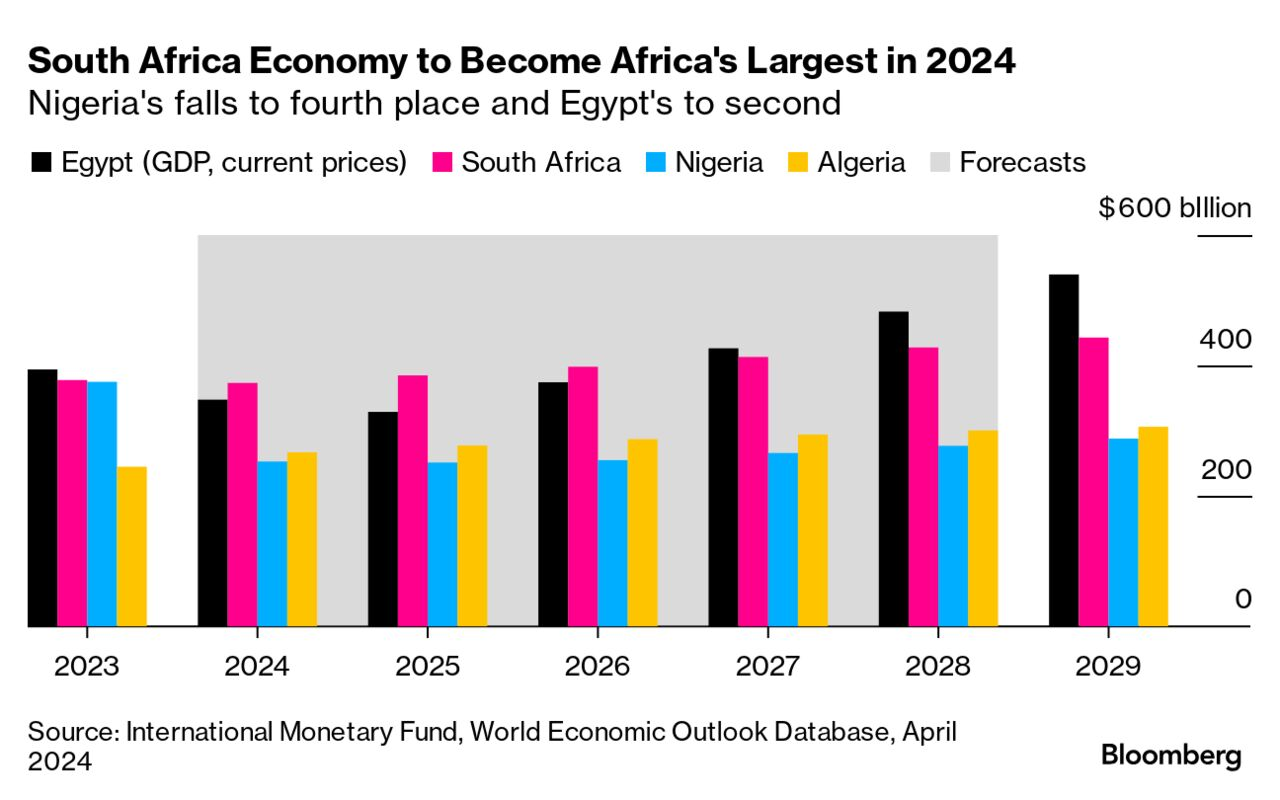
To accurately rank the top contenders in Africa, one must distinguish between nominal GDP and GDP adjusted for Purchasing Power Parity (PPP). Nominal GDP, measured in U.S. dollars at current exchange rates, is the standard metric for international trade and debt assessment. However, it is highly sensitive to currency devaluations, which have historically caused dramatic shifts in the rankings for countries like Nigeria and Egypt.
In contrast, PPP accounts for the relative cost of living and inflation rates. Under this metric, Egypt often emerges as the largest economy on the continent because the local purchasing power of the Egyptian pound is higher than the nominal exchange rate suggests. For investors and policymakers, "strength" also implies resilience. A country with a smaller nominal GDP but lower debt-to-GDP ratios and a more diversified export base—such as Kenya or Morocco—may be considered "stronger" in terms of long-term stability than a resource-dependent giant.
In 2026, the focus has shifted toward "productive capacity." The strongest economies are no longer just those with the most oil or minerals, but those that have successfully integrated into global value chains and developed robust digital economies.
The Big Three: Nigeria, Egypt, and South Africa
Nigeria: The Demographic and Energy Giant
Nigeria continues to be a primary contender for the top spot, driven largely by its massive population and its role as a leading oil producer. By 2026, the full operationalization of the Dangote Refinery has significantly altered the country's economic landscape, reducing the heavy drain on foreign exchange reserves previously caused by fuel imports.
However, Nigeria’s strength is often tempered by high inflation and the volatility of the Naira. While the "Lagos tech hub" contributes significantly to the non-oil GDP, infrastructure deficits in power and logistics remain bottlenecks. Nigeria’s ranking as the strongest economy depends heavily on its ability to transition from a consumer-led economy to a producer-led one, leveraging its African Continental Free Trade Area (AfCFTA) commitments to export manufactured goods.
Egypt: The Industrial Powerhouse of the North
Egypt frequently vies for the number one position, particularly when measured by PPP. The Egyptian government’s "Vision 2030" has resulted in massive infrastructure spending, including the expansion of the Suez Canal and the development of the New Administrative Capital. These projects have stimulated the construction and real estate sectors, though they have also increased the national debt.
Egypt’s strength lies in its strategic location and its diversified economy, which includes tourism, manufacturing, and natural gas. In 2026, Egypt remains a critical energy hub for the Mediterranean, exporting liquefied natural gas (LNG) to Europe. The main challenge for Egypt continues to be managing its debt service requirements while maintaining a social safety net for its large population.
South Africa: The Financial and Structural Leader
South Africa possesses the most sophisticated financial markets and industrial infrastructure on the continent. The Johannesburg Stock Exchange (JSE) remains the gateway for institutional investors looking to enter Africa. Despite ranking third in nominal GDP in recent years, South Africa is often cited as the most "advanced" economy.
The country's struggle to maintain the top ranking is linked to persistent energy shortages and logistics inefficiencies within its rail and port sectors. By 2026, significant private sector involvement in renewable energy has begun to stabilize the grid, but the slow pace of structural reforms keeps growth rates lower than those of its northern peers. South Africa’s strength is its institutional depth—legal frameworks, banking standards, and corporate governance that remain world-class.
The Rising Contenders: Ethiopia and Kenya
Ethiopia: State-Led Growth and Liberalization
Ethiopia has consistently been one of the world's fastest-growing economies over the last decade. Its "strongest economy" candidacy is built on massive state-led investments in infrastructure, such as the Grand Ethiopian Renaissance Dam (GERD). The dam has turned Ethiopia into a net exporter of electricity to the East African region, providing a steady stream of foreign currency.
The liberalization of the telecommunications and banking sectors has also invited significant foreign direct investment (FDI). While Ethiopia’s nominal GDP is still catching up to the "Big Three," its trajectory suggests it will be a dominant force by the end of the decade, provided it maintains internal political stability.
Kenya: The "Silicon Savannah"
Kenya serves as the economic engine of East Africa. While its total GDP is smaller than that of Nigeria or South Africa, Kenya’s strength is found in its human capital and technological adoption. As a leader in mobile money (M-Pesa) and fintech, Kenya has created a blueprint for digital inclusion.
In 2026, Kenya is increasingly seen as a high-potential contender because it is not dependent on a single commodity. Its economy is supported by agriculture (tea and flowers), tourism, and a burgeoning services sector. The completion of major regional transport corridors has also solidified Nairobi's status as a logistics hub for landlocked neighbors like Uganda and Rwanda.
Comparative Economic Indicators (2026 Estimates)
The following table compares the top five contenders based on key economic metrics relevant for the 2026 fiscal period. These figures reflect the stabilized trends following the global inflationary shocks of the mid-2020s.
| Country | Primary GDP Metric (Nominal) | Growth Rate (Projected) | Key Economic Driver | Debt-to-GDP Ratio |
|---|---|---|---|---|
| Nigeria | ~$480 - $510 Billion | 3.4% | Oil, Fintech, Manufacturing | Moderate (40-45%) |
| Egypt | ~$450 - $490 Billion | 4.1% | Suez Canal, Gas, Tourism | High (85%+) |
| South Africa | ~$390 - $420 Billion | 1.8% | Mining, Finance, Services | Moderate (75%) |
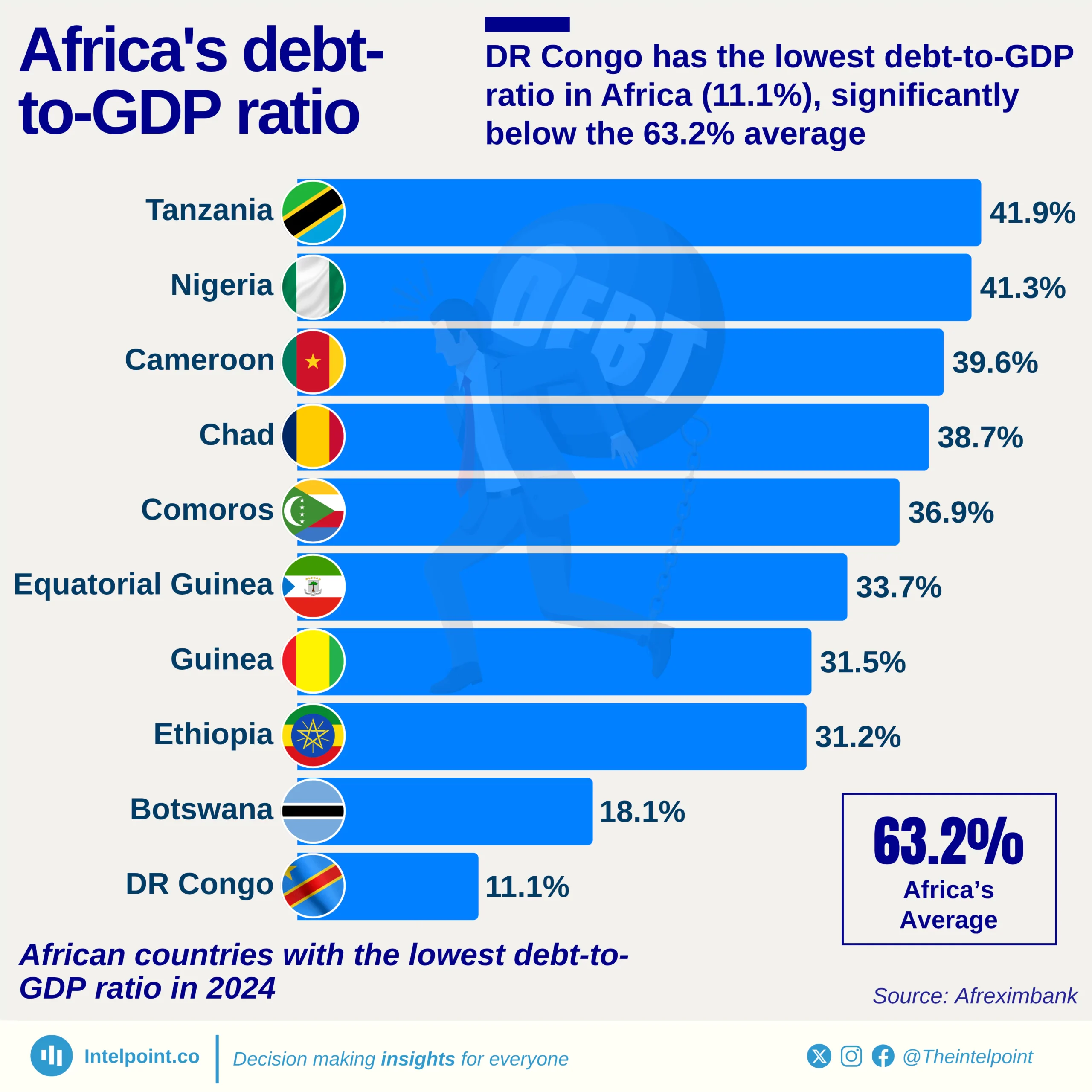
| Algeria | ~$230 - $250 Billion | 2.5% | Oil & Natural Gas | Low (<30%) |
| Ethiopia | ~$190 - $210 Billion | 6.2% | Energy Exports, Agriculture | High (50%+) |
The Impact of AfCFTA on Economic Rankings
The African Continental Free Trade Area (AfCFTA) is the single most important factor influencing the ranking of Africa's strongest economies in 2026. By creating a single market for goods and services, the agreement rewards countries with strong manufacturing bases and efficient logistics.
South Africa and Egypt have benefited early from AfCFTA due to their established industrial zones. However, Nigeria’s recent policy shifts toward export-oriented manufacturing are intended to capture a larger share of the intra-African market. For a country to be the "strongest," it must now demonstrate the ability to trade across borders efficiently. This has led to a "race to the top" in port automation and customs digitalization across the continent, with Morocco and Ghana also emerging as highly competitive trade hubs.
Structural Risks and Resilience Factors
Strength is not merely about the size of the economy but also the ability to withstand external shocks. In 2026, several factors determine the resilience of these top contenders:
- Climate Vulnerability: Economies like Ethiopia and Kenya are more susceptible to agricultural disruptions caused by climate change. Their "strength" is tied to their investment in climate-smart agriculture and water management.
- Energy Transition: As the world moves away from fossil fuels, Nigeria and Algeria face the challenge of diversifying their revenue streams. Their future ranking depends on how quickly they can pivot to green hydrogen or solar energy exports.
- Digital Infrastructure: The "strongest" economies of 2026 are those with high internet penetration and low data costs. This allows for the growth of a service-based economy that is less reliant on physical commodity prices.
- Debt Sustainability: High debt levels in Egypt and Kenya require careful fiscal management. Economic strength is fragile if a significant portion of the budget is consumed by interest payments rather than capital expenditure.
Which African country has the highest GDP per capita?
While Nigeria and Egypt have the largest total GDP, they do not have the highest GDP per capita due to their large populations. Countries like Seychelles, Mauritius, and Gabon typically rank highest in GDP per capita. This metric reflects the average wealth per person and often indicates a higher standard of living and better infrastructure than the "GDP giants."
Why does South Africa often rank below Nigeria and Egypt in total GDP?
South Africa's GDP growth has been sluggish over the last decade, averaging around 1-2%, while Nigeria and Egypt have seen periods of faster expansion. Additionally, the depreciation of the South African Rand against the U.S. Dollar often reduces its nominal GDP value, even if the internal economy remains sophisticated and productive.
Is Ethiopia likely to overtake South Africa in the near future?
In terms of growth rate, Ethiopia is already outpacing South Africa. However, in terms of total nominal GDP, Ethiopia still has a significant gap to bridge. For Ethiopia to overtake South Africa, it must sustain its 6%+ growth rate for another decade while South Africa remains in a low-growth trap.
How does oil price volatility affect the ranking of Nigeria and Algeria?
Oil and gas account for a large percentage of government revenue and foreign exchange for both nations. When global oil prices are high, their nominal GDP swells, often pushing Nigeria to the #1 spot. When prices drop, their economies contract significantly unless they have sufficient sovereign wealth funds to cushion the blow.
Strategic Outlook for Market Entry
For organizations looking to engage with Africa’s strongest economies, the choice depends on the specific objective. If the goal is mass-market retail and consumer services, Nigeria’s scale is unmatched despite its operational complexities. For industrial manufacturing and Mediterranean trade, Egypt offers the most strategic advantages and a highly developed logistics network.
Investors seeking financial stability and high-grade corporate infrastructure should prioritize South Africa, which remains the continent's primary financial hub. Meanwhile, those looking for high-growth opportunities in energy and technology should look toward the East African corridor, specifically Ethiopia and Kenya. The "strongest" economy is ultimately the one that aligns best with an investor’s risk appetite and sector expertise.